SMM August 26 News:
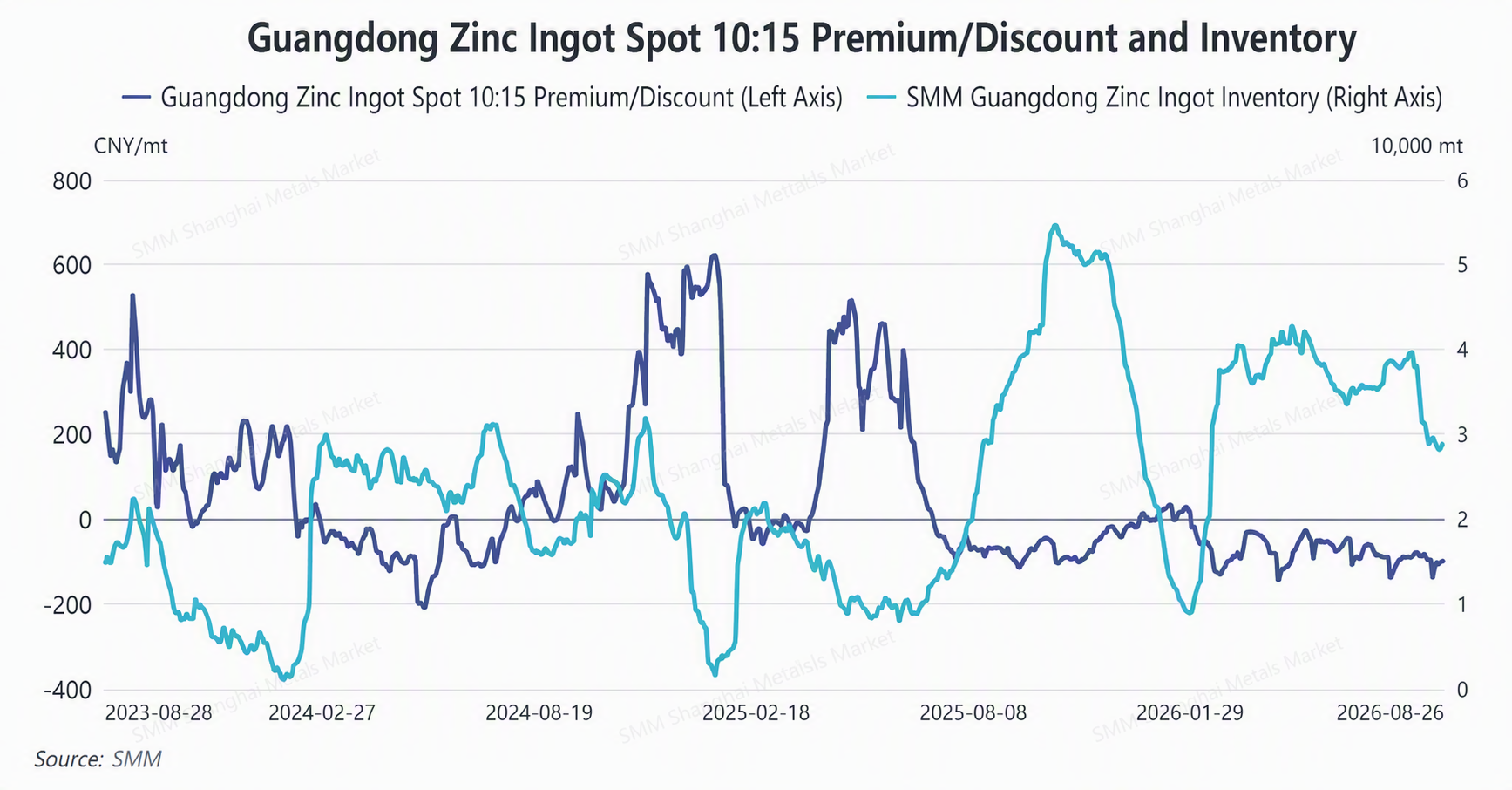
As of 15:00 today, the most-traded SHFE zinc 2610 contract closed at 26,240 yuan/mt. Zinc prices fluctuated at highs. Meanwhile, according to SMM data, as of today, Guangdong premiums/discounts have been running at a discount of 140-80 yuan/mt this month, maintaining a volatile and range-bound discount trend overall. Regional inventory stood at 29,000 mt (August 26). How will Guangdong premiums/discounts develop going forward? First, let's analyze the current overall situation in the Guangdong market.
Current Pattern: Mixed Bullish and Bearish Factors, Premiums/Discounts "Have a Floor but Lack Upward Momentum"
Based on SMM data and market information, Guangdong premiums/discounts are currently in a relatively balanced state between bullish and bearish forces:
Supporting Factors:
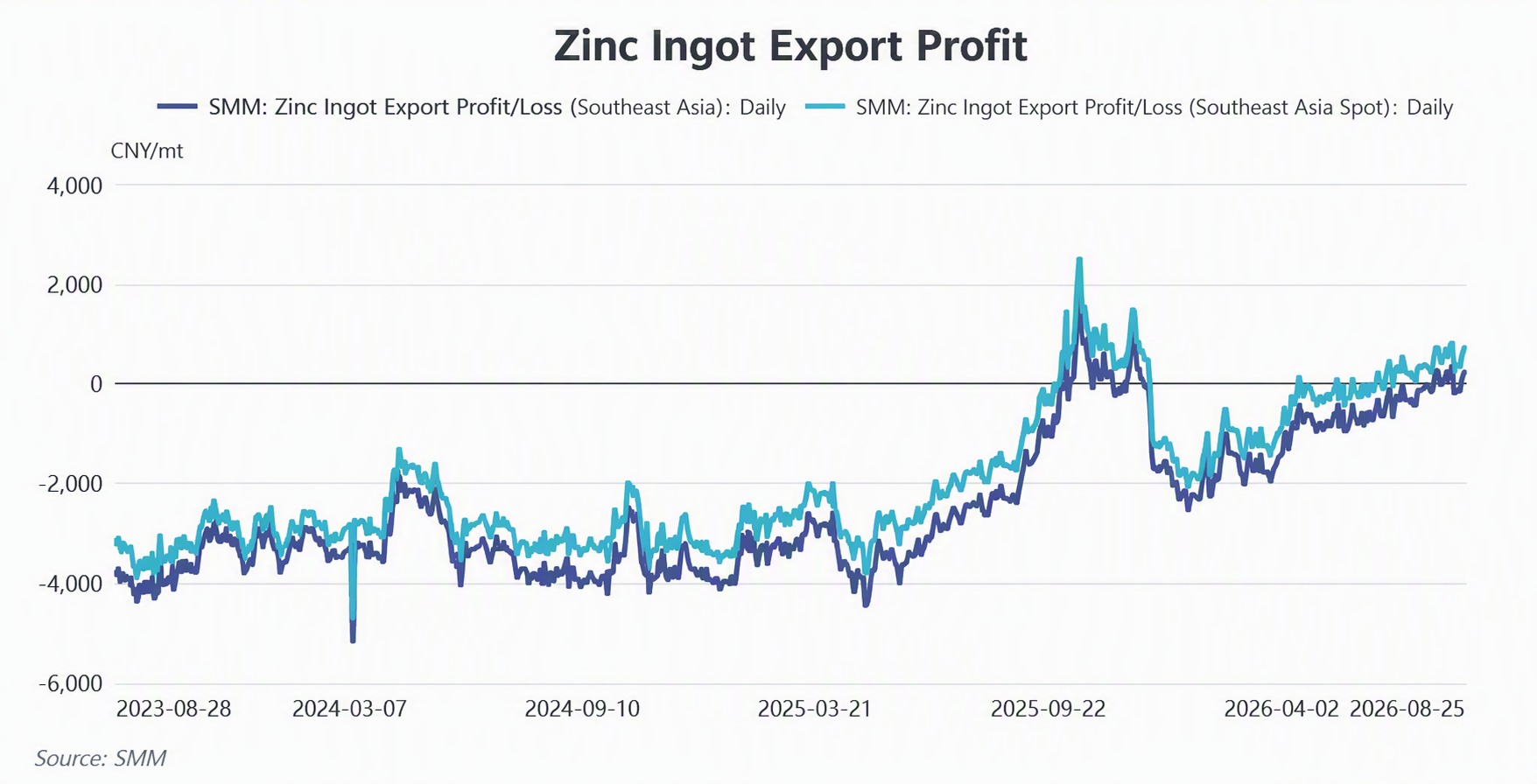
Regional social inventory continues to destock, and spot circulating volume is shrinking. Since August, Guangdong's social inventory has been declining overall. Smelter arrivals have decreased intermittently. Meanwhile, the SHFE/LME zinc price ratio has remained low, the export window for refined zinc has continued to open, diverting supply abroad. Available delivery brand spot cargo in the region has tightened, providing bottom support for premiums/discounts.
Delivery brand cargo supply is tight, and traders are more willing to hold prices firm. Spot supply of some delivery brands in the market is relatively low, and suppliers are firm in their quotes, limiting the room for further discount widening.
Suppressing Factors:
Downstream enterprises fear high prices and are cautious in procurement. Zinc prices have already run to highs above 26,200 yuan/mt. Downstream enterprises show obvious fear of high prices, mostly maintaining just-in-time procurement or consuming inventory. Spot order buying interest is poor, directly limiting the upside room for premiums/discounts.
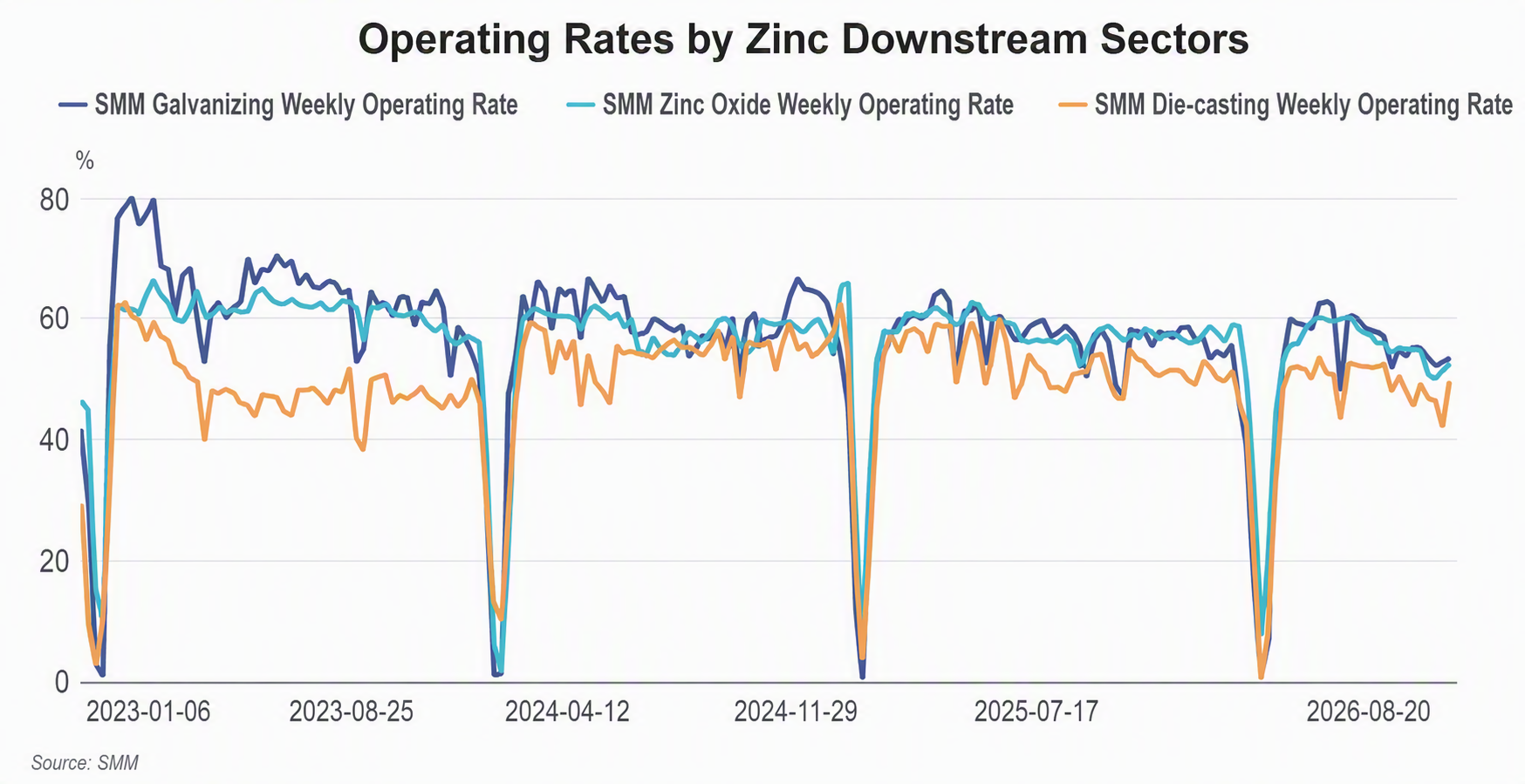
End-use consumption has yet to improve significantly. The current period is still off-season. Although orders in downstream sectors such as galvanizing and die-casting zinc alloy have recovered slightly MoM, overall demand YoY is weaker. The demand side lacks substantial drivers.
Market Outlook: Range-bound Discount Pattern Hard to Break, Watch Three Key Variables
Looking ahead, Guangdong premiums/discounts will likely maintain a volatile and range-bound discount pattern. The triggers to break out of the current fluctuation range will likely come from the following variables:
Variable 1: Whether the export window can persist. Under the current pattern where overseas markets outperform domestic market, exports are an important driver for destocking in Guangdong. If LME's backwardation structure holds and the SHFE/LME ratio stays low, the export window will continue, supporting Guangdong inventory and benefiting premiums/discounts.
Variable 2: Smelter shipment pace. Since the start of Q3, production declines at some smelters have led to fewer arrivals. However, if smelters can complete maintenance and resume shipments later, increased arrivals to the Guangdong market will pressure premiums/discounts. As previously analyzed, the current inventory decline is more a reflection of a phased tightening on the supply side than a significant improvement on the demand side. Once smelter shipments recover, the upside room for premiums to continue strengthening will be limited.
Variable 3: Direction of Zinc Price Trend. Zinc price is a core variable affecting downstream purchase willingness. If zinc prices pull back, downstream pricing and restocking demand are expected to be released, which will temporarily boost premiums; if zinc prices continue to shot up, downstream fear of high prices will further intensify, and premiums will remain under pressure. Currently, LME's strong trend is pulling up SHFE prices, but weak consumption in China is capping the upside room for zinc prices. SHFE zinc is expected to continue to consolidate at highs, with a low probability of a significant pullback in the short term. Without a substantial improvement in orders, downstream proactive restocking sentiment is unlikely to see significant improvement.
Overall, in the short term (early September): Discounts remain stable at the bottom, but upside room is limited.
Currently, zinc prices continue to rise driven by LME's strong trend. SHFE zinc refreshed its high since February this year last night, but China's end-use consumption has not yet shown a significant recovery. The inhibitory effect of high zinc prices fluctuating at highs on downstream purchase willingness is obvious. It is expected that in the short term, Guangdong premiums will continue to fluctuate within the discount range. The continuous opening of the export window and tight supply of delivery brands will limit further widening of the discount, but the constraints of downstream fear of high prices and the off-season consumption also limit premiums from entering the premium range.
Mid-term (late September to October): Can the "September-October peak season" become a turning point?
After entering September, the market will usher in the traditional consumption peak season. However, based on current downstream order feedback, most enterprises are cautious about future demand. The support strength of end-use demand for Guangdong premium increases is questionable. If peak season demand materializes as expected, coupled with continuous destocking in Guangdong, premiums are expected to narrow temporarily.
Guangdong spot premiums for zinc ingot are currently in a pattern of "supported from below by the export opening and tight supply of some delivery brands, but suppressed from above by downstream fear of high prices and weak end-use consumption performance." In the short term, the pattern of moving sideways within the discount range is unlikely to be substantially broken.
(The above information is based on market collection and comprehensive assessment by SMM research team. The information provided in this document is for reference only. This document does not constitute direct advice for investment research decisions. Clients should make decisions cautiously and not replace their own independent judgment with this information. Any decisions made by clients are independent of SMM.)