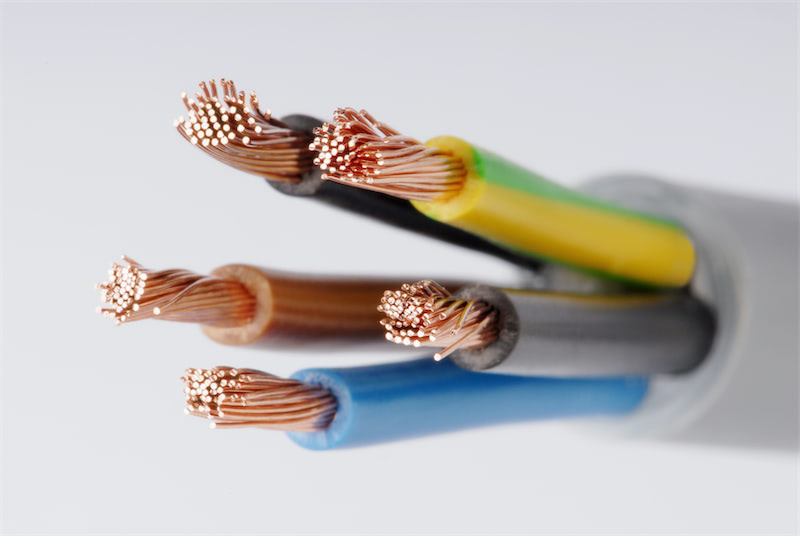
Coban tinh luyện:
Tuần này, giá coban tinh luyện tiếp tục đi ngang trong trạng thái trầm lắng. Về nguồn cung, các nhà máy luyện kim chủ đạo hạ báo giá xuất xưởng xuống 335.000 nhân dân tệ/tấn. Chênh lệch giá giao ngay-kỳ hạn do các nhà máy luyện kim vừa và nhỏ niêm yết duy trì ở mức từ chiết khấu 6.000 nhân dân tệ/tấn đến cộng 4.000 nhân dân tệ/tấn, trong khi chênh lệch giá giao ngay-kỳ hạn do các thương nhân chủ đạo niêm yết duy trì từ ngang giá đến cộng 10.000 nhân dân tệ/tấn. Về nhu cầu, doanh nghiệp hạ nguồn vẫn trong kỳ nghỉ hè, chỉ bổ sung kho theo nhu cầu với khối lượng nhỏ, không khí giao dịch ảm đạm. Thị trường tuần này không có động lực mới đáng kể; các yếu tố cơ bản cung-cầu ít thay đổi, giá tiếp tục đi ngang ở mức thấp. Nhìn chung, thị trường vẫn trong mùa thấp điểm tiêu thụ, hỗ trợ cầu hạn chế, giá có thể tiếp tục đi ngang trong trạng thái trầm lắng trong ngắn hạn. Cần chú ý đến thay đổi nhịp bổ sung kho của hạ nguồn sau khi kỳ nghỉ hè kết thúc.
Sản phẩm trung gian:
Tuần này, thị trường sản phẩm trung gian coban vẫn trong thế giằng co, giao dịch thực tế vẫn trong tình trạng trống vắng. Gần đây, một số công ty khai thác mỏ mở thầu, với giá tham chiếu khoảng 21-22 USD/lb. Tuy nhiên, trong bối cảnh giá muối coban và coban tinh luyện tiếp tục yếu, mức giá tâm lý của người mua hạ nguồn và thương nhân giảm xuống còn khoảng 17-19 USD/lb. Khoảng cách giá giữa bên mua và bên bán khá lớn, các cuộc đấu thầu liên tiếp thất bại. Trước tình trạng giằng co kéo dài, một số công ty khai thác mỏ đã bắt đầu cân nhắc chuyển hướng chiến lược, tạm dừng bán trực tiếp sản phẩm trung gian, thay vào đó tìm đơn vị gia công để chế biến thành coban tinh luyện rồi bán, nhằm tránh rủi ro thua lỗ khi bán trực tiếp ở mức giá thấp hiện nay. Trong ngắn hạn, dù bên khai thác sẵn sàng giữ giá, nhưng nếu không có sự hợp tác mua hàng thực tế từ hạ nguồn, thị trường vẫn trong thế giằng co mặc cả, và việc ổn định giá vẫn chờ đợi các giao dịch thực tế hoàn tất.
Coban sunfat:
Tuần này, thị trường coban sunfat tiếp tục xu hướng trầm lắng, mức giá tâm lý của bên mua và bên bán tiếp tục phân kỳ, khiến khối lượng giao dịch khó mở rộng. Về phía cung, báo giá phân hóa rõ rệt: các doanh nghiệp luyện kim sơ cấp chưa tiêu hóa hết nguyên liệu giá cao trước đó nên báo giá vẫn duy trì quanh 80.000 nhân dân tệ/tấn. Tuy nhiên, hệ số thanh toán đối với coban trong MHP giảm còn khoảng 80% giá kim loại, với chi phí giao ngay đã lùi về 76.000-78.000 nhân dân tệ/tấn, cho thấy hỗ trợ chi phí thực tế đã suy yếu. Các doanh nghiệp tái chế có xu hướng sẵn sàng bán ra hơn, với báo giá chủ đạo ở khoảng 95% mức thấp của giá SMM. Một số doanh nghiệp chịu áp lực tài chính tiếp tục hạ giá để có thanh khoản, và nguồn hàng giá thấp trên thị trường giảm xuống còn 70.000-72.000 nhân dân tệ/tấn. Một vài giao dịch cực đoan được ghi nhận ở mức 68.000-70.000 nhân dân tệ/tấn, nhưng vẫn chủ yếu là các đơn hàng giao ngay lẻ tẻ. Nhu cầu yếu: đơn hàng của các doanh nghiệp hạ nguồn phục hồi chậm, việc thu mua chỉ giới hạn ở nhu cầu thiết yếu, và một số bên hỏi giá đã hạ xuống 68.000 nhân dân tệ/tấn. Tuy nhiên, chênh lệch giá lớn giữa người mua và người bán đã hạn chế giao dịch thực tế. Trong ngắn hạn, thị trường coban sunfat vẫn chưa cho thấy tín hiệu rõ ràng về việc ngừng giảm, và việc ổn định giá vẫn sẽ phụ thuộc vào sự giải phóng tập trung nhu cầu bổ sung tồn kho từ hạ nguồn.
Coban clorua:
Tuần này, cả báo giá và giá giao dịch thực tế trên thị trường coban clorua Trung Quốc đều giảm rõ rệt. Đợt giảm giá mạnh này không bắt nguồn từ sự xấu đi đột ngột của các yếu tố cơ bản cung - cầu ngắn hạn, mà phản ánh sự điều chỉnh hợp lý của các mức báo giá bị thổi phồng trước đó về sát với giá giao dịch thực tế trên thị trường. Cụ thể, các báo giá trước đó của người bán trên thị trường đã bị thổi phồng nhưng thiếu sự hỗ trợ từ thanh khoản thực tế. Khi người mua có nhu cầu thu mua thực tế đưa ra mức giá dưới chào bán giao ngay hiện tại, thậm chí dưới giá thành, người bán có kỳ vọng bi quan, lo ngại giá còn giảm thêm và cần vòng quay hàng hóa, đã chủ động từ bỏ mức sàn chi phí ban đầu. Điều này dẫn đến một số giao dịch thực tế bằng hoặc thậm chí thấp hơn giá thành, và về cơ bản đã loại bỏ phần chênh lệch bị thổi phồng trước đó. Tất nhiên, mức giá thấp hiện tại trên thị trường chỉ thể hiện thái độ của một số doanh nghiệp, và không phải tất cả doanh nghiệp đều bắt đầu hạ mạnh báo giá. Trong thời gian tới, chúng tôi cho rằng khả năng giá coban clorua giảm mạnh thêm trong ngắn hạn là thấp. Dựa trên logic trên, mặt bằng giá về cơ bản đã dịch chuyển từ “báo giá thổi phồng” sang “chi phí thực tế” trong ngắn hạn, và thị trường sau đó sẽ bước vào giai đoạn tạo đáy.
Muối Coban (Co3O4):
Tuần này, giá Co3O4 giảm, mức giảm trong báo giá thực tế của chúng tôi lớn hơn mức giảm chung của thị trường, chủ yếu do chủ động điều chỉnh hệ thống giá và bù đà giảm. Đợt giảm hiện tại đã kéo dài từ cuối tháng 5. Trong giai đoạn trước, các bên thượng nguồn và hạ nguồn dựa trên kỳ vọng ổn định yếu nên hy vọng chúng tôi “hãm đà giảm” để giảm bớt tác động của đợt giảm mạnh lên thị trường; do đó, trước đó chúng tôi chủ yếu dùng báo giá ở mức thấp để đại diện cho giá thị trường. Tuy nhiên, khi đà giảm kéo dài gần ba tháng, tác dụng đệm của việc hãm đà giảm đối với tâm lý bi quan của thị trường dần suy yếu, khoảng cách giữa giá giao dịch thực tế và báo giá trước đó của chúng tôi ngày càng nới rộng. Để bám sát giao dịch thực tế hơn, tuần này chúng tôi chủ động từ bỏ nhịp hãm đà giảm trước đó và đưa báo giá về gần vùng có thể giao dịch thực tế trên thị trường, khiến mức giảm lớn hơn đáng kể so với bình quân thị trường. Trong ngắn hạn, giá Co3O4 sẽ tiếp tục bám sát xu hướng giá coban clorua.
Bột Coban và Các Loại Khác:
Tuần này, thị trường bột coban vẫn chưa có cải thiện, cả bên mua và bên bán đều thiếu sự chủ động, giao dịch thực tế vẫn trì trệ. Báo giá của nhà sản xuất vẫn duy trì trong khoảng 430.000-450.000 NDT/tấn, nhưng trọng tâm giao dịch thực tế dần dịch về mức thấp, một số thỏa thuận rơi xuống 420.000-430.000 NDT/tấn; vật liệu giá cao rõ ràng thiếu lực mua hỗ trợ. Áp lực lên khối thương mại gia tăng, các chào giá thấp thường xuyên liên tục kéo mức giá tâm lý trên thị trường đi xuống. Ở phía hạ nguồn, đơn hàng của khách hàng cuối tại các doanh nghiệp hợp kim cứng yếu, chu kỳ tiêu thụ nguyên liệu kéo dài, hoạt động mua chủ yếu là nhận hàng theo hợp đồng dài hạn, và việc bổ sung tồn kho giao ngay rất hạn chế. Giá coban cacbonat yếu hơn tiếp tục bào mòn hỗ trợ chi phí, tâm lý chung của thị trường bi quan, và giá bột coban có thể tiếp tục tìm đáy trong trạng thái yếu trong ngắn hạn.
Tiền chất cathode ba thành phần:
Tuần này, giá tiền chất cathode ba thành phần suy yếu. Trong tuần, giá niken sunfat và coban sunfat giảm, trong khi giá mangan sunfat ổn định.
Về chiết khấu, đối với đơn hàng tháng 8 và quý 3, một số nhà sản xuất sẵn sàng tăng chiết khấu do chi phí nguyên liệu sunfat trước đó tương đối cao. Đối với hợp đồng dài hạn, một số hợp đồng năm của nhà sản xuất đã được chốt từ đầu năm và hầu hết nhà sản xuất chưa tăng hệ số. Người mua hạ nguồn cũng ít chấp nhận tăng hệ số đối với hợp đồng quý. Ngoại trừ một số nhà sản xuất hàng đầu có năng lực đàm phán, hầu hết nhà sản xuất nhìn chung ổn định so với quý 2. Đối với đơn hàng giao ngay, do giá muối niken và coban gần đây tương đối yếu, một số doanh nghiệp hạ nguồn tìm kiếm gia công nguyên liệu hoặc tự sản xuất, và hệ số đơn hàng tháng 8 dự kiến suy yếu.
Về sản xuất, các nhà sản xuất hàng đầu tiếp tục có đơn hàng xuất khẩu mạnh trong tháng này, với lịch sản xuất ở mức tương đối cao; các nhà sản xuất hàng đầu trong nước cũng ghi nhận tỷ lệ vận hành phục hồi rõ rệt, trong khi một số nhà sản xuất vừa và nhỏ vẫn có lịch sản xuất tương đối thấp do mùa thấp điểm.
Sắp tới, giá sunfat chưa phục hồi rõ ràng, và giá đơn hàng mới sẽ cần theo dõi nhu cầu hạ nguồn thực tế trong mùa cao điểm.
Vật liệu cathode ba thành phần:
Tuần này, giá vật liệu cathode ba thành phần phục hồi nhẹ. Về nguyên liệu, giá niken sunfat và coban sunfat tiếp tục giảm, trong khi giá lithi cacbonat và lithi hydroxit phục hồi. Tuy nhiên, báo giá vật liệu cathode ba thành phần nhìn chung ít thay đổi và duy trì ở mức thấp theo chu kỳ. Về tâm lý giao dịch, một số nhà máy cathode và nhà sản xuất pin chỉ mua bổ sung khối lượng nhỏ theo nhu cầu, với khối lượng thu mua tương đối hạn chế; thị trường nhìn chung vẫn kỳ vọng giá tương lai giảm. Về chiết khấu, chiết khấu niken, coban và lithi gần đây không đổi. Khi thuế tiêu thụ pin lithium sắp được áp dụng trở lại, các nhà sản xuất pin có thể chuyển một phần áp lực chi phí lên thượng nguồn, và kỳ vọng tăng chiết khấu là yếu. Xét về nhu cầu, đơn hàng tháng 8 tăng ổn định. Việc dự trữ cho các mẫu xe mới phục vụ mùa cao điểm truyền thống tháng 9-10 đã thúc đẩy nhu cầu đơn hàng cathode trong nước; ở nước ngoài, đặc biệt là tại châu Âu, doanh số ô tô vẫn mạnh, tiếp tục thúc đẩy nhu cầu vật liệu ternary. Trên thị trường tiêu dùng, nguồn cung chủ yếu dựa vào hợp đồng dài hạn, giao dịch giao ngay trì trệ và nhu cầu vẫn chưa có dấu hiệu phục hồi rõ ràng.
LCO:
Tuần này, thị trường LCO vẫn tương đối trầm lắng, không có nhiều biến động. Về phía cung, nhu cầu hạ nguồn phục hồi chậm. Từ đầu năm, sản lượng và lượng xuất hàng của các nhà sản xuất vẫn ở mức thấp; chiến lược giảm giá nhằm giành thị phần đã thu hẹp rõ rệt biên lợi nhuận, nhưng lượng xuất hàng thực tế không cải thiện tương ứng. Về phía cầu, dù kế hoạch sản xuất tại các nhà sản xuất cell pin tăng nhẹ, mức tăng không được truyền tải suôn sẻ sang phân khúc LCO, và tỷ lệ các đơn vị hạ nguồn chuyển sang vật liệu ternary ngày càng tăng cũng là một yếu tố quan trọng.
Tin tức:
[Dự án Lithium Sulfate 100.000 tấn/năm tại Zimbabwe của Sinomine Resource Group chính thức khởi động toàn diện]Theo Sinomine Resource Group, gần đây, Công ty TNHH Công nghệ Lithium Masvingo Zimbabwe của Sinomine đã chính thức nhận được giấy chứng nhận đánh giá tác động môi trường (EIA) do Cơ quan Quản lý Môi trường Zimbabwe (EMA) cấp, và dự án lithium sulfate 100.000 tấn/năm chính thức chuyển từ giai đoạn chuẩn bị sơ bộ sang giai đoạn triển khai xây dựng toàn diện. (Từ Wall Street News APP)
[Hithium giành được dự án lưu trữ năng lượng quy mô điện lực 421 MWh tại Úc]Vào ngày 12 tháng 8, Hithium đã chính thức hợp tác với Global Power Generation (GPG), doanh nghiệp phát điện năng lượng tái tạo quốc tế thuộc Tập đoàn NATURGY của Tây Ban Nha, và ký thỏa thuận cung cấp hệ thống lưu trữ năng lượng pin để cung cấp tổng cộng 421 MWh hệ thống lưu trữ năng lượng cho dự án Fraser Coast tại Queensland, Úc. (Jin10 Data APP)
[Liên minh Sạc điện Trung Quốc thăm Didi Charging để trao đổi nhằm thúc đẩy nâng cấp chất lượng dịch vụ trong ngành sạc]Theo Liên minh Sạc điện Trung Quốc, vào ngày 13 tháng 8, Zou Peng, Tổng thư ký điều hành của Liên minh Thúc đẩy Hạ tầng Sạc xe điện Trung Quốc, đã dẫn đầu đoàn đến Didi Charging để trao đổi. Lin Zhitang, Tổng Giám đốc Didi Charging, cùng lãnh đạo các bộ phận liên quan đã tham dự buổi trao đổi. Hai bên đã trao đổi về “cùng thúc đẩy nâng cấp trải nghiệm dịch vụ trong ngành sạc”. Qua buổi trao đổi, hai bên đạt được đồng thuận về “tăng cường hợp tác ngành và cùng thúc đẩy nâng cấp trải nghiệm người dùng”, và sẽ phối hợp với các đối tác trong toàn ngành để thúc đẩy phát triển chất lượng cao của lĩnh vực sạc. (APP Dữ liệu Jin10)
Tuyên bố nguồn dữ liệu: Ngoại trừ thông tin công khai, mọi dữ liệu khác đều dựa trên thông tin công khai, trao đổi thị trường và mô hình cơ sở dữ liệu nội bộ của SMM, và được SMM xử lý. Chỉ mang tính tham khảo và không cấu thành tư vấn ra quyết định.
Nhóm Nghiên cứu Năng lượng Mới SMM
Wang Cong 021-51666838
Ma Rui 021-51595780
Lin Ziya 86-2151666902
Feng Disheng 021-51666714
Lv Yanlin 021-20707875
Zhou Zhicheng 021-51666711
Wang Zihan 021-51666914
Wang Jie 021-51595902
Zhang Haohan 021-51666752
Chen Bolin 021-51666836
Xu Mengqi 021-20707868
![[Pin Li: Do-Fluoride sẽ rót 210 triệu NDT vào Guangxi Ningfu cho dự án pin 20GWh]](https://imgqn.smm.cn/usercenter/AYpRQ20251217171727.jpg)

![[SMM Analysis] Nhập khẩu kim loại coban của Trung Quốc giảm 4% so với tháng trước, xuất khẩu tăng 55% so với tháng trước vào tháng 8 năm 2026](https://imgqn.smm.cn/usercenter/jZvMC20251217171729.jpg)