

Strait of Hormuz shipping disruption pushes Japan’s Q2 electricity prices up 30% year-on-year
Data Source Statement: Except for publicly available information, all other data are processed by SMM based on publicly available information, market communication, and relying on SMM's internal database model. They are for reference only and do not constitute decision-making recommendations.
For any inquiries or for more information, please contact: lemonzhao@smm.cn
For more information on how to access our research reports, please contact:service.en@smm.cn
Related News

Sep 2, 2026 10:30
US Imposes Emergency Controls on Foreign Equipment for Bulk Power Systems, ESS Included in Regulatory Scope
Read More
US Imposes Emergency Controls on Foreign Equipment for Bulk Power Systems, ESS Included in Regulatory Scope
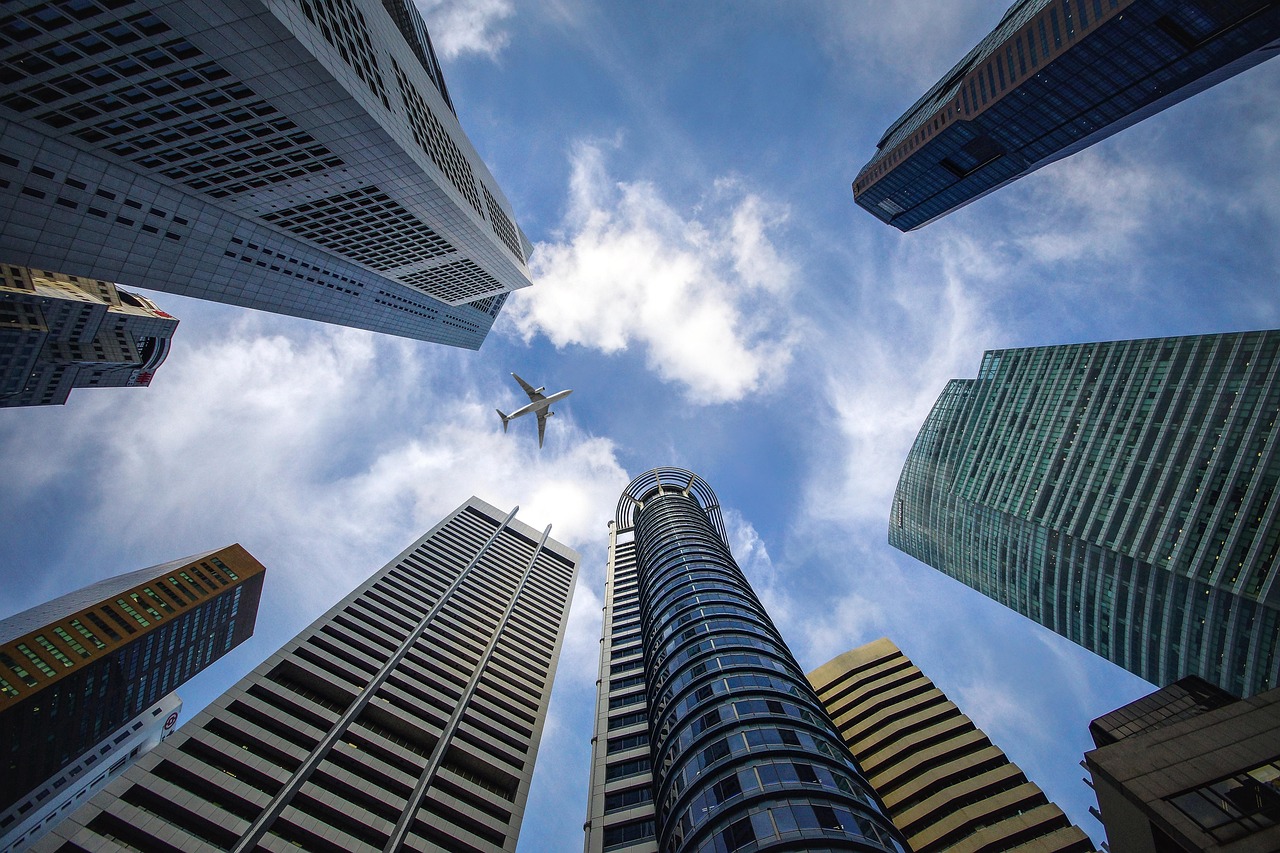
On August 26, 2026 local time, US President Trump signed Executive Order 14420, declaring a national emergency in the US. Citing that the foreign supply situation of electrical equipment for bulk power systems poses an unusual and extraordinary threat to US national security, foreign policy, and the economy, the order prohibits the US from procuring or installing certain foreign-manufactured large power system equipment and related software.
Sep 2, 2026 10:30
Sep 2, 2026 10:28
NEA Releases National Power Statistics for January-July 2026
Read More
NEA Releases National Power Statistics for January-July 2026
On August 25, the National Energy Administration released national power statistics for January-July. As of end-July, the country's cumulative installed power generation capacity reached 4.08 billion kW, up 11.0% YoY. Of this, solar power installed capacity stood at 1.29 billion kW, up 16.1% YoY, and wind power installed capacity reached 690 million kW, up 19.5% YoY.
From January to July, the national average utilization hours of power generation equipment were 1,671 hours, a decrease of 135 hours compared with the same period last year.
Sep 2, 2026 10:28
Aug 31, 2026 19:33
South Korean Firms Compete for European HVDC Projects at CIGRE 2026, Securing Major Contracts
Read More
South Korean Firms Compete for European HVDC Projects at CIGRE 2026, Securing Major Contracts
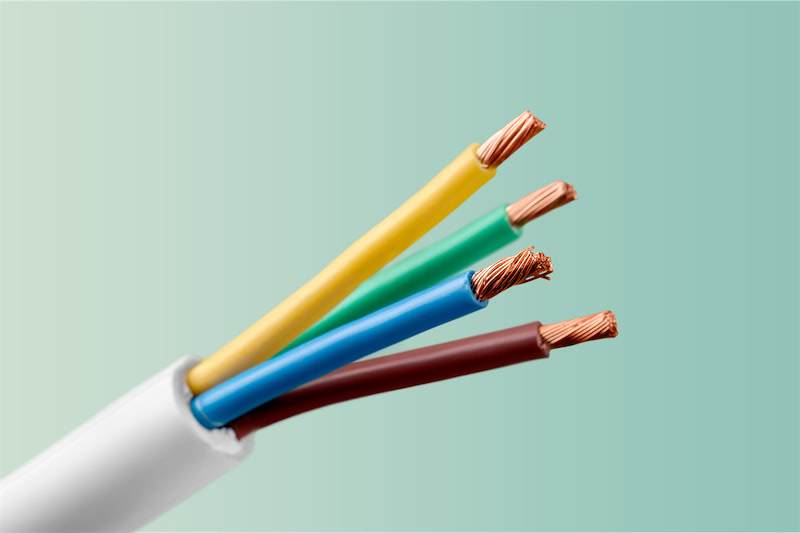
South Korean cable and power equipment makers are competing for European HVDC projects at CIGRE 2026 in Paris. LS Cable secured approximately 234 billion won in contracts for KEPCO HVDC projects and is supplying 525kV submarine and underground cables to TenneT's North Sea offshore wind project. Taihan Cable unveiled South Korea's first 500kV current-source HVDC cable system and a 525kV voltage-source HVDC land cable system. Hyosung Heavy Industries launched a 420kV SF6-free GIS, with H1 new orders reaching 7.5 trillion won and annual target raised to 12 trillion won. Iljin won an 84.5 billion won ultra-high-voltage contract in the UK in July.
Aug 31, 2026 19:33
Related News
US Imposes Emergency Controls on Foreign Equipment for Bulk Power Systems, ESS Included in Regulatory Scope
Sep 02, 2026 10:30
NEA Releases National Power Statistics for January-July 2026
Sep 02, 2026 10:28
South Korean Firms Compete for European HVDC Projects at CIGRE 2026, Securing Major Contracts
Aug 31, 2026 19:33
Terra Charge to Launch Tesla-Compatible EV Stations in Japan from 2028
Aug 31, 2026 11:41