Catatan Rapat Pagi 8.11
Topik Hangat Pasar:
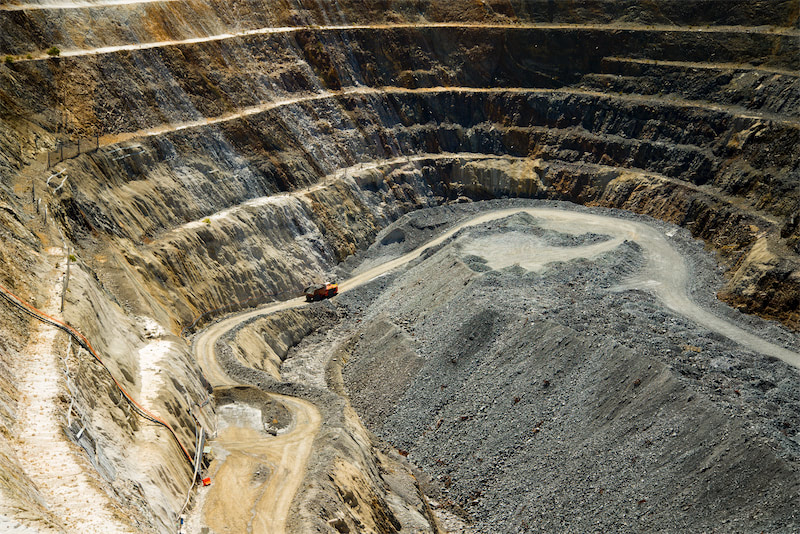
Pada 10 Agustus, Indonesia mengumumkan bahwa setelah menyelesaikan kontroversi terkait unsur tanah jarang (LTJ), hampir 400.000 ton metrik produk mineral (termasuk produk nikel) telah disetujui untuk diekspor, dan lebih dari 100 kapal telah kembali beroperasi. Kepala Staf Kepresidenan Dudung Abdurachman menyatakan: "Kendala ekspor yang disebabkan oleh perbedaan interpretasi terhadap regulasi terkait LTJ telah diselesaikan, dan aktivitas pengapalan telah dilanjutkan. Masalah sudah selesai, dan 100 kapal kembali beroperasi." Sebelumnya, pada 3 Agustus, pemerintah Indonesia mengklarifikasi bahwa pembatasan ekspor LTJ terutama menyasar produk LTJ murni, sementara LTJ yang terdapat sebagai unsur ikutan dalam produk mineral seperti nikel tetap dapat diekspor. SMM meyakini perkembangan ini diharapkan dapat meredakan penundaan pengapalan sebelumnya dan mengurangi ketidakpastian regulasi ekspor, namun standar kandungan LTJ serta prosedur pemeriksaan dan verifikasi masih perlu klarifikasi lebih lanjut.
Makro:
(1) Data yang dirilis oleh Badan Pusat Statistik (NBS) menunjukkan bahwa pada bulan Juli, dipengaruhi oleh faktor impor, Indeks Harga Konsumen (IHK) turun tipis 0,1% MoM namun naik 0,5% YoY. IHK inti, yang tidak termasuk harga pangan dan energi, naik 0,3% MoM dan 0,9% YoY. Secara keseluruhan, IHK mempertahankan tren kenaikan yang moderat.
(2) Jumlah pekerja nonpertanian AS secara tak terduga turun sebesar 23.000 pada bulan Juli secara penyesuaian musiman, menandai penurunan pertama sejak Februari; tingkat pengangguran sedikit turun menjadi 4,1%, level terendah sejak Juni 2025.
Pasar Spot:
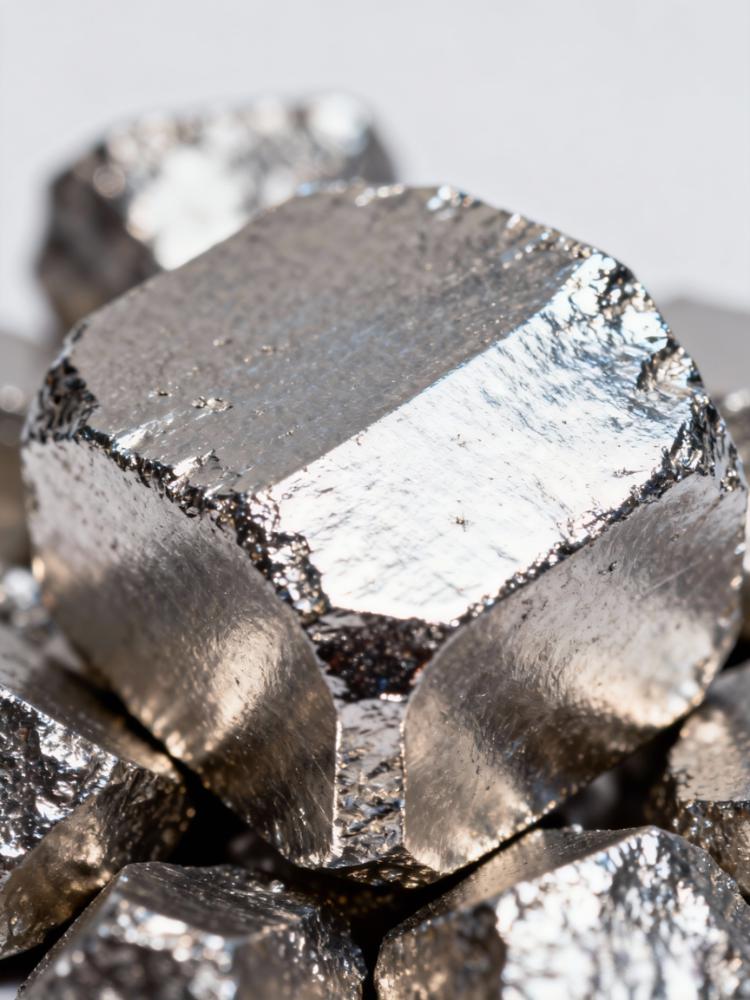
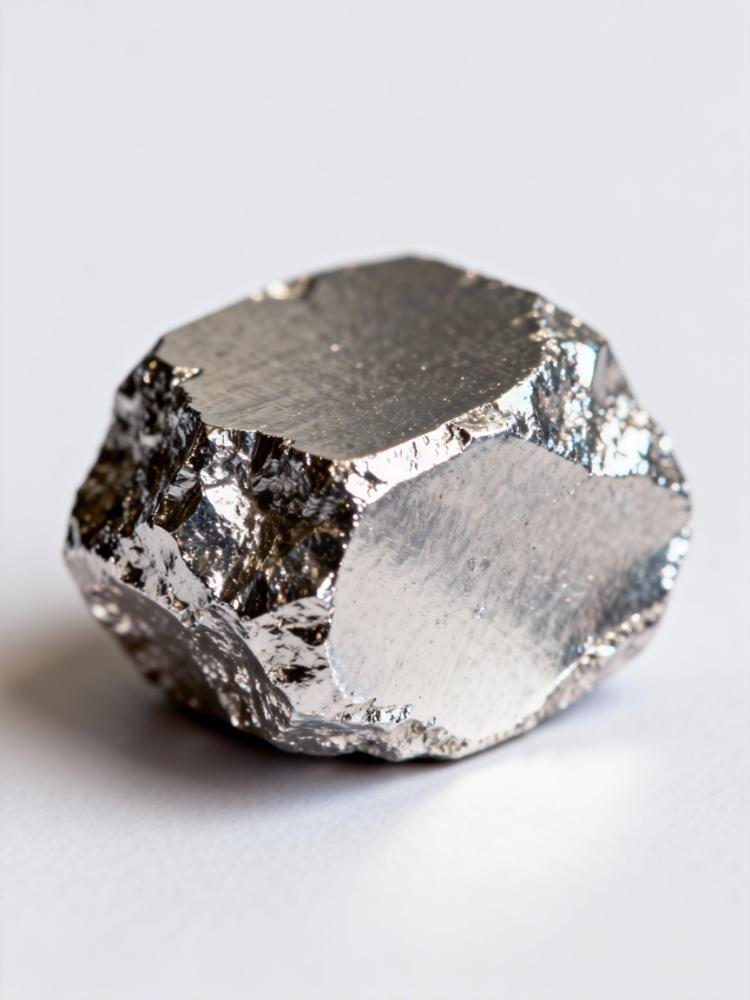
Pada 10 Agustus, harga rata-rata nikel rafinasi SMM #1 mencapai 130.450 yuan/ton metrik, naik 550 yuan/ton metrik dari hari perdagangan sebelumnya. Mengenai premi spot, nikel rafinasi Jinchuan #1 rata-rata 1.300 yuan/ton metrik, tidak berubah dari hari sebelumnya, dengan merek domestik utama nikel elektrodeposisi berkisar antara -200 hingga 400 yuan/ton metrik.
Pasar Berjangka:
Kontrak nikel SHFE yang paling aktif (2609) bergerak sideways pada awal perdagangan, menutup sesi pagi di 129.570 yuan/ton metrik, naik 0,33%.
Harga nikel saat ini berada dalam kondisi ketidakpastian yang tinggi, ditandai dengan fluktuasi liar ekspektasi kebijakan yang terkait dengan hambatan makro dan risiko geopolitik. Harga diperkirakan akan tetap liar dalam jangka pendek, dengan kontrak nikel SHFE paling aktif kemungkinan berkisar antara 125.000-133.000 yuan/ton metrik.
Nikel Sulfat
Pada 10 Agustus, nikel sulfat baterai SMM rata-rata stabil.
Dari sisi biaya, harga nikel sedikit rebound di tengah banyak berita tentang kuota bijih nikel Indonesia, sementara biaya produksi spot nikel sulfat turun tipis. Dari sisi pasokan, pola pasokan ketat untuk produk antara tetap tidak berubah, dengan pembayaran MHP dan harga bahan pembantu seperti asam sulfat masih tinggi, dan beberapa perusahaan cenderung mempertahankan harga di tengah kenaikan harga nikel. Dari sisi permintaan, beberapa perusahaan hilir belakangan ini terutama mengandalkan pasokan kontrak jangka panjang, dengan sentimen lemah untuk membangun persediaan pesanan spot, sehingga penerimaan harga garam nikel relatif rendah. Hari ini, Faktor Sentimen Keinginan Menjual untuk smelter garam nikel hulu adalah 1,9, sementara Faktor Sentimen Pembelian untuk pabrik prekursor hilir adalah 2,5. Faktor sentimen untuk perusahaan terintegrasi adalah 2,5 (data historis dapat diakses dari basis data).
Ke depan, aktivitas pasar pesanan spot jangka pendek diperkirakan akan lesu, dengan harga nikel sulfat di bawah tekanan secara keseluruhan.
NPI
Berita 10 Agustus: Faktor sentimen pasar NPI kelas tinggi SMM berada di 1,95, tetap MoM. Faktor sentimen hulu untuk NPI kelas tinggi adalah 2,06, tetap MoM, sementara faktor sentimen hilir adalah 1,84, tetap MoM. Pola tarik-menarik pasar terus berlangsung di pasar spot, dengan harga penawaran dari pemasok tetap pada level yang relatif tinggi. Beberapa sumber bijih forward mengalami transaksi yang kuat, namun volume perdagangan secara keseluruhan terbatas. Pembeli hilir mempertahankan sikap hati-hati, dengan tingkat harga yang dapat diterima di pabrik baja masih menunjukkan selisih harga tertentu terhadap penawaran pemasok. Penerimaan kargo berharga tinggi terbatas, aktivitas perdagangan pasar secara keseluruhan moderat, dan harga kemungkinan akan terkonsolidasi dalam jangka pendek.
Stainless Steel
Menurut laporan SMM 10 Agustus, futures SS mundur sedikit. Selama sesi malam Jumat, SS melemah, namun setelah pembukaan pada Senin, ia sebagian besar mempertahankan pola konsolidasi yang stabil. Pada penutupan, kontrak SS paling aktif ditutup di 14.615 yuan/mt. Di pasar spot, fluktuasi futures SS terbatas, dan penawaran spot pedagang sebagian besar tetap stabil. Namun, dengan permintaan yang masih dalam musim sepi dan dampak dari cuaca topan, transaksi tetap lesu.
Kontrak berjangka SS yang paling aktif diperdagangkan. Per pukul 10:15 pagi, SS2610 berada di 14.655 yuan/mt, naik 85 yuan/mt dari hari perdagangan sebelumnya. Premi spot untuk 304/2B di Wuxi berada di kisaran 315-665 yuan/mt. Di pasar spot, harga rata-rata canai dingin 201/2B coil di Wuxi stabil; harga rata-rata canai dingin uncut edge 304/2B coil tetap di Wuxi dan tetap di Foshan; harga canai dingin 316L/2B coil di Wuxi tetap; penawaran canai panas 316L/NO.1 coil di Wuxi tetap; dan harga canai dingin 430/2B coil di Wuxi dan Foshan tetap.
Pekan ini, kontrak berjangka baja tahan karat diguncang oleh berita industri dan aliran modal, menunjukkan pola keseluruhan ayunan liar di tengah pertarungan sengit antara bull dan bear. Selama pekan ini, berita berulang tentang kuota tambahan bijih nikel RKAB di Indonesia terus mengganggu ekspektasi pasar, dan ditambah dengan pergeseran aliran modal berjangka, kontrak berjangka SS naik terlebih dahulu sebelum akhirnya mengembalikan keuntungan. Pada pertengahan pekan, harga sempat menguji level 15.100 yuan/mt, tetapi seiring meningkatnya ekspektasi penambahan kuota bijih nikel, kepercayaan diri di kalangan bull memudar, mendorong kontrak berjangka kembali ke dalam kelesuan. Dengan ayunan liar secara keseluruhan, sentimen perdagangan pasar terus berubah-ubah. Pasar spot menunjukkan pola pergerakan spot yang didorong lemahnya kontrak berjangka dan dinamika penawaran-permintaan yang pada dasarnya seimbang, dengan harga bergerak sideways secara umum dan kesulitan mencari arah. Pasar masih berada dalam musim sepi konsumsi tradisional, dan suhu musim panas yang terus tinggi terus menekan laju pemrosesan dan konstruksi di hilir, membuat pelepasan permintaan pengguna akhir tetap lemah dan kepercayaan pasar secara keseluruhan kurang. Selama pekan ini, transaksi spot hanya menunjukkan pemulihan berkala saat kontrak berjangka menguat; setelah kontrak berjangka terkoreksi, kemauan pembelian di hilir mereda dengan cepat, dan transaksi di pasar melemah lagi, sementara sentimen hati-hati dan menunggu dari pengguna akhir terus meningkat. Namun, harga spot tidak melemah secara signifikan mengikuti kontrak berjangka, karena faktor pendukung inti tetap memadai: pertama, harga bahan baku berbasis nikel NPI tetap kokoh, memberikan dukungan kuat pada biaya produksi baja tahan karat; kedua, pabrik baja utama bertekad mempertahankan harga tetap, menstabilkan pusat harga spot dari sisi pabrik; ketiga, persediaan sosial baja tahan karat saat ini berada dalam kisaran yang relatif wajar dengan tekanan pengurangan stok terbatas, dan penawaran serta permintaan pada dasarnya seimbang. Secara keseluruhan, pekan ini pasar baja tahan karat menunjukkan pola divergen di mana harga berjangka terkonsolidasi dengan nada lemah sementara harga spot tetap kokoh dan menolak penurunan. Dalam jangka pendek, lemahnya permintaan musim sepi dan lambatnya pengadaan oleh pengguna akhir menjadi hambatan utama yang menahan kenaikan harga; ditambah dengan peningkatan produksi baja tahan karat pada Agustus, tekanan destocking pasar berangsur meningkat, sehingga momentum kenaikan harga tidak mencukupi. Dalam jangka menengah dan panjang, ekspektasi akan mendekatnya musim puncak secara bertahap memanas, dan dengan dukungan biaya yang kuat serta tekanan persediaan yang rendah, ekspektasi pasar secara keseluruhan relatif bullish, sementara ruang penurunan harga pun terbatas. Ke depannya, pasar kemungkinan akan bergerak sideways, dengan fokus utama pada kemajuan persetujuan kuota bijih nikel Indonesia, laju fluktuasi harga berjangka SS, pemulihan permintaan kaku musim sepi di hilir, serta dinamika produksi pabrik baja.
Bijih nikel:
Pasar Filipina:
Dari sisi harga, harga bijih nikel Filipina secara umum stabil pekan ini. Namun, seiring pasokan tambang yang terus meningkat sementara permintaan pembelian di hilir relatif lemah, sentimen bearish pasar berangsur menguat. Saat ini, kuotasi CIF Tiongkok utama berkisar sekitar $46/wmt untuk bijih Ni 1,3%, $56,5/wmt untuk Ni 1,4%, dan $64,5/wmt untuk Ni 1,5%, semuanya tidak berubah WoW. Tarif angkutan pada rute utama Filipina tetap stabil pekan ini, dengan Surigao ke Lianyungang di $14,5/wmt, Surigao ke Ningde di $13,5/wmt, Zambales ke Lianyungang di $12,75/wmt, dan Zambales ke Ningde di $12,25/wmt. Meskipun tarif angkutan stabil, smelter di Tiongkok memiliki tingkat persediaan yang cukup, sehingga permintaan pengisian kembali terbatas dan pembelian tetap hati-hati.
Dari sisi cuaca, kondisi di wilayah pertambangan nikel utama Filipina umumnya mendukung. Cuaca di Palawan dan Pulau Homonhon stabil, dengan aktivitas penambangan dan pemuatan sebagian besar tidak terpengaruh. Zambales memiliki risiko cuaca tertinggi, dengan hujan deras, peringatan banjir, dan angin kencang yang berpotensi menyebabkan gangguan singkat pada beberapa operasi tambang, transportasi darat, dan pekerjaan pelabuhan. Secara keseluruhan, dampak cuaca sebagian besar terkonsentrasi di Zambales, dengan efek terbatas pada total pasokan bijih nikel dan logistik Filipina.
Dari sisi pasokan-permintaan dan sentimen pasar, pasar bijih nikel Filipina tetap berada dalam pola peningkatan pasokan dan permintaan yang lemah. Meskipun musim hujan, aktivitas penambangan, transportasi, dan pemuatan secara keseluruhan tetap stabil, dengan hanya beberapa wilayah yang mungkin mengalami dampak jangka pendek akibat hujan lebat. Pengiriman tambang terus berjalan normal, dan pasokan spot terus meningkat. Di sisi permintaan, smelter hilir Tiongkok memiliki persediaan yang tinggi, dengan pengadaan masih terutama berdasarkan pembelian sesuai kebutuhan (just-in-time), yang menyebabkan aktivitas perdagangan pasar rendah.
Sementara itu, sebagian besar tambang Filipina tetap memiliki keinginan kuat untuk menawarkan harga tinggi dan enggan memotong harga secara signifikan selama negosiasi, terutama didukung oleh kenaikan biaya angkut dan produksi. Namun, di tengah pasokan yang melimpah dan perbaikan permintaan yang terbatas, harga bijih nikel kadar rendah menghadapi tekanan penurunan yang semakin besar. Harga bijih nikel kadar tinggi tetap relatif kuat, terutama didukung oleh permintaan pengadaan yang stabil dari beberapa smelter NPI dan dinamika pasokan-permintaan yang ketat untuk NPI kadar tinggi.
Ke depan, pasar bijih nikel Filipina diperkirakan akan mempertahankan pasokan yang relatif cukup dalam beberapa pekan mendatang. Produksi tambang dan pengiriman ekspor diperkirakan tetap normal, menjaga pasokan spot pasar tetap longgar. Pembeli hilir diperkirakan akan terus melakukan pengadaan sesuai kebutuhan, dengan sedikit peningkatan signifikan dalam aktivitas perdagangan secara keseluruhan. Dengan latar belakang pasokan yang mencukupi dan pemulihan permintaan yang lambat, harga bijih nikel kadar rendah diperkirakan tetap berada di bawah tekanan, dengan sentimen pasar secara keseluruhan tetap berhati-hati.
Pasar Indonesia:
Dari segi harga, ini adalah minggu pertama setelah mekanisme penetapan harga HMA paruh pertama Agustus berlaku, dengan HMA di level US$16.646 per metrik ton. Tanpa perubahan pada HPM, harga bijih nikel lokal Indonesia secara umum stabil. Untuk limonit, bijih Ni 1,2% CIF sekitar US$29 per wet metrik ton, dan bijih Ni 1,3% sekitar US$31/wmt; untuk bijih saprolit, bijih Ni 1,4% sekitar US$52,6/wmt, dan bijih Ni 1,5% sekitar US$60/wmt. Namun, karena pasokan pasar yang masih melimpah dan stok smelter yang tinggi, harga transaksi bijih nikel lokal aktual sebagian besar tetap stabil dibandingkan pekan sebelumnya (WoW). Dalam jangka pendek, dengan pasokan melimpah dan pengadaan yang hati-hati, harga bijih nikel lokal Indonesia diperkirakan tetap stabil. Seiring berjalannya proyek-proyek baru, harga pasar dapat menyesuaikan berdasarkan perubahan pasokan dan permintaan.
Dari segi cuaca, kondisi di wilayah penghasil bijih nikel utama Indonesia secara umum dapat diatasi. Morowali, Konawe, dan Pulau Obi mengalami curah hujan terbatas, dengan dampak relatif kecil pada penambangan dan logistik; Halmahera tetap menjadi wilayah dengan curah hujan tinggi, di mana hujan lebat setempat dapat menyebabkan gangguan singkat pada operasi penambangan, transportasi, dan pelabuhan. Secara keseluruhan, dampak faktor cuaca terhadap pasokan dan logistik bijih nikel Indonesia masih relatif terbatas.
Dari sisi pasokan-permintaan dan sentimen pasar, pasar bijih nikel lokal Indonesia tetap mempertahankan pola pasokan yang longgar secara keseluruhan. Persediaan bijih saprolit terus sedikit menumpuk, sementara seiring dengan peningkatan produksi beberapa proyek HPAL, persediaan limonit sedikit menurun, namun tingkat persediaan secara keseluruhan masih dapat mendukung sekitar dua bulan permintaan produksi. Saat ini, harga transaksi domestik utama untuk bijih nikel kadar rendah sekitar $31/wmt. Karena permintaan yang lebih kuat untuk bijih kadar tinggi di hilir, aktivitas perdagangan limonit tetap rendah, dan harga transaksi aktual jauh di bawah HPM. Sementara itu, beberapa smelter RKEF telah menaikkan persyaratan kadar umpan tungku menjadi Ni 1,45%–1,50%, yang semakin menekan permintaan bijih nikel kadar rendah.
Pasar terus memantau status persetujuan kuota RKAB tambahan di Indonesia. Dilaporkan bahwa sebuah perusahaan tambang nikel besar diperkirakan akan mendapatkan kuota tambahan sebesar puluhan juta metrik ton pada semester kedua 2026. Jika kemudian disetujui secara resmi oleh ESDM, ini akan semakin meningkatkan pasokan bahan baku untuk sektor peleburan. Secara keseluruhan, dengan latar belakang pasokan yang melimpah, persediaan yang tinggi, dan pengadaan yang hati-hati, harga bijih nikel Indonesia masih menghadapi tekanan penurunan dalam jangka pendek.