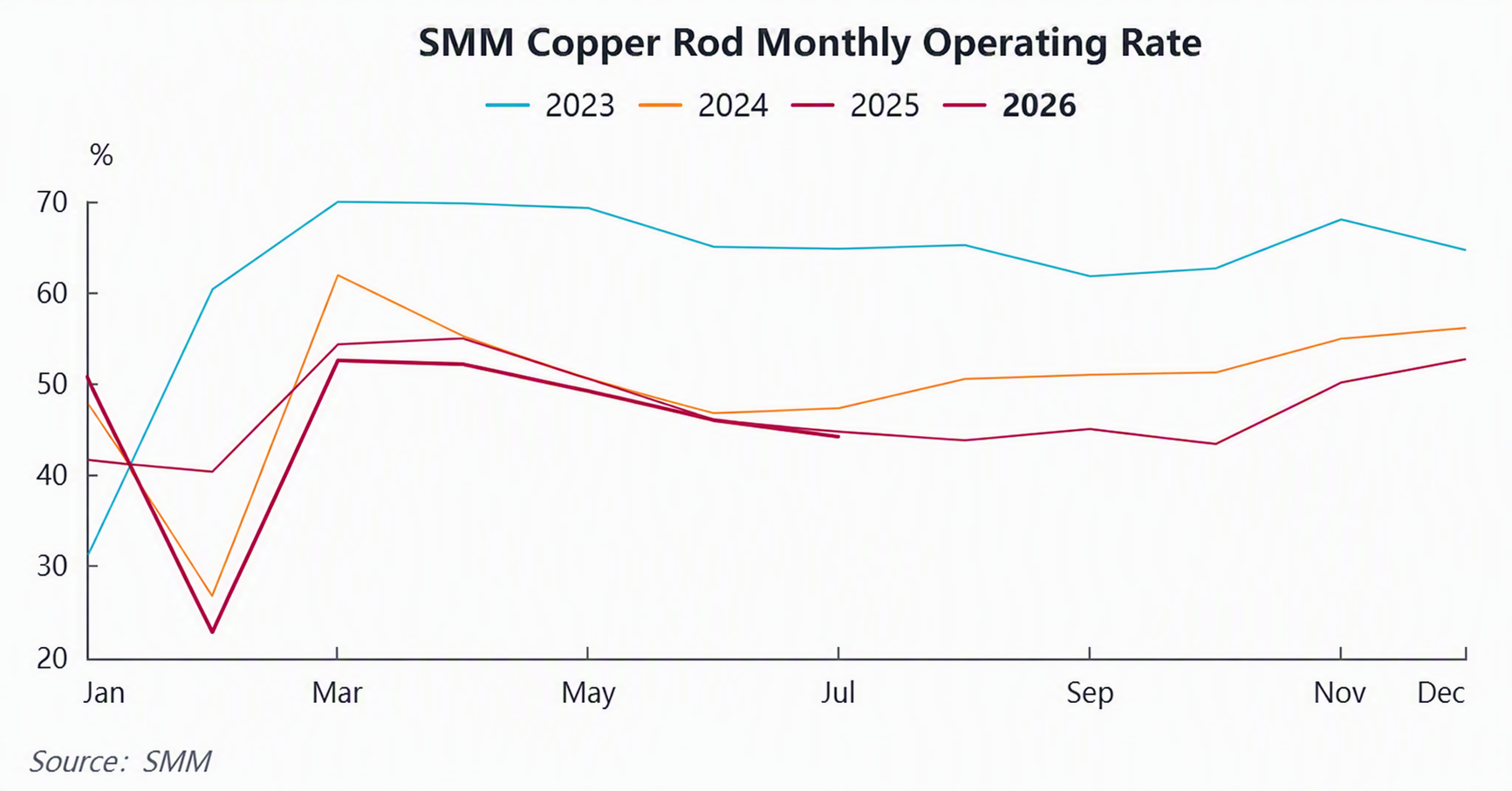
According to the latest SMM data, in July, the overall operating rate of domestic copper billet enterprises recorded 44.26%, down 1.83 percentage points MoM and down 0.56 percentage points YoY , with industry production staying at low levels and the pattern of divergence between large and small enterprises continuing. 
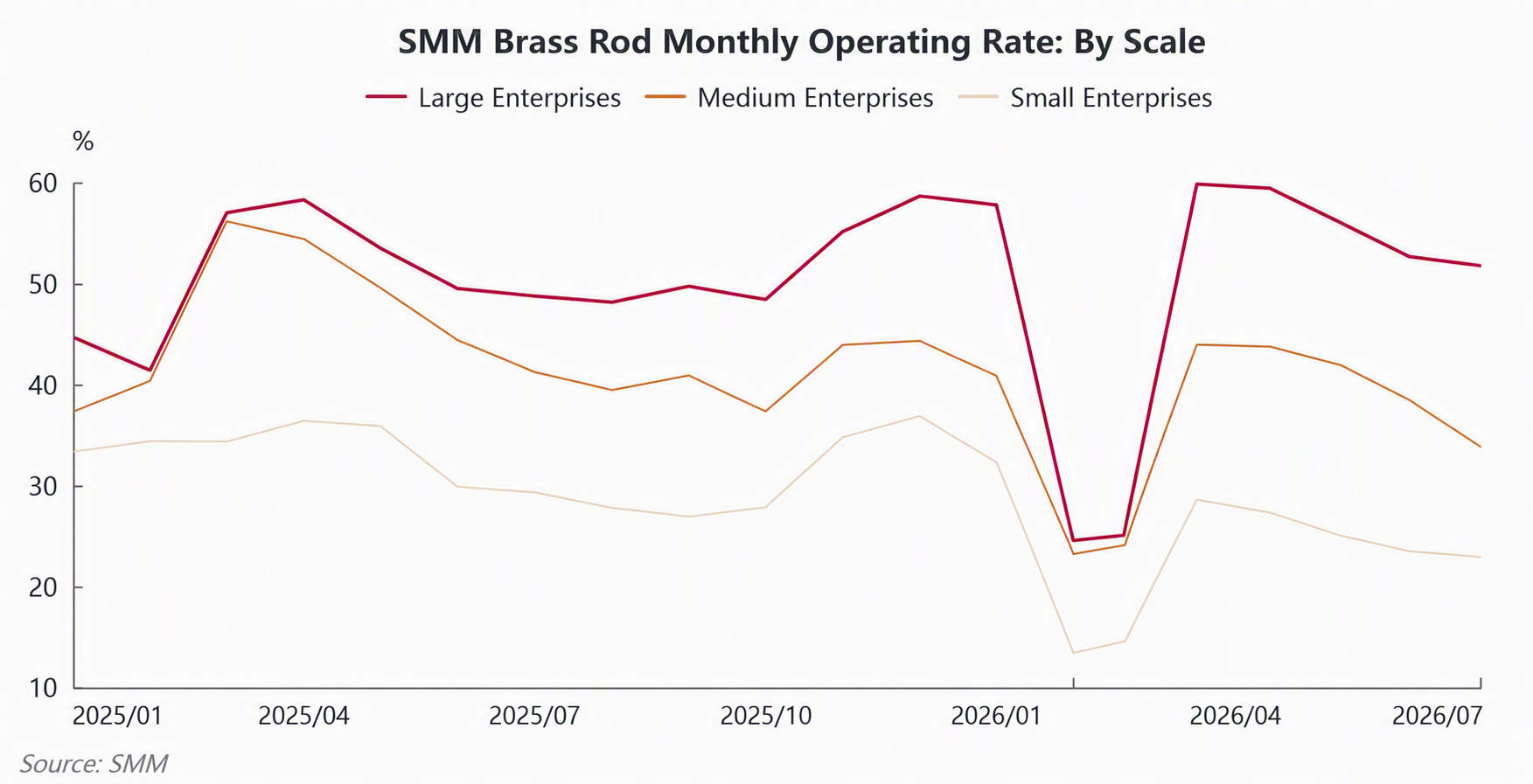
By enterprise size, the operating rate for large enterprises in the sample was 51.74% in July, still relying on long-term contracts and raw material channels to maintain strong production resilience, but it pulled back from June; the operating rate for medium-sized enterprises was 33.82%, and for small enterprises, it was only 22.96%. In July, operating rates for large, medium, and small enterprises trended down in tandem, with small and medium-sized enterprises hit significantly harder than top-tier players , and the polarization in the industry continued.

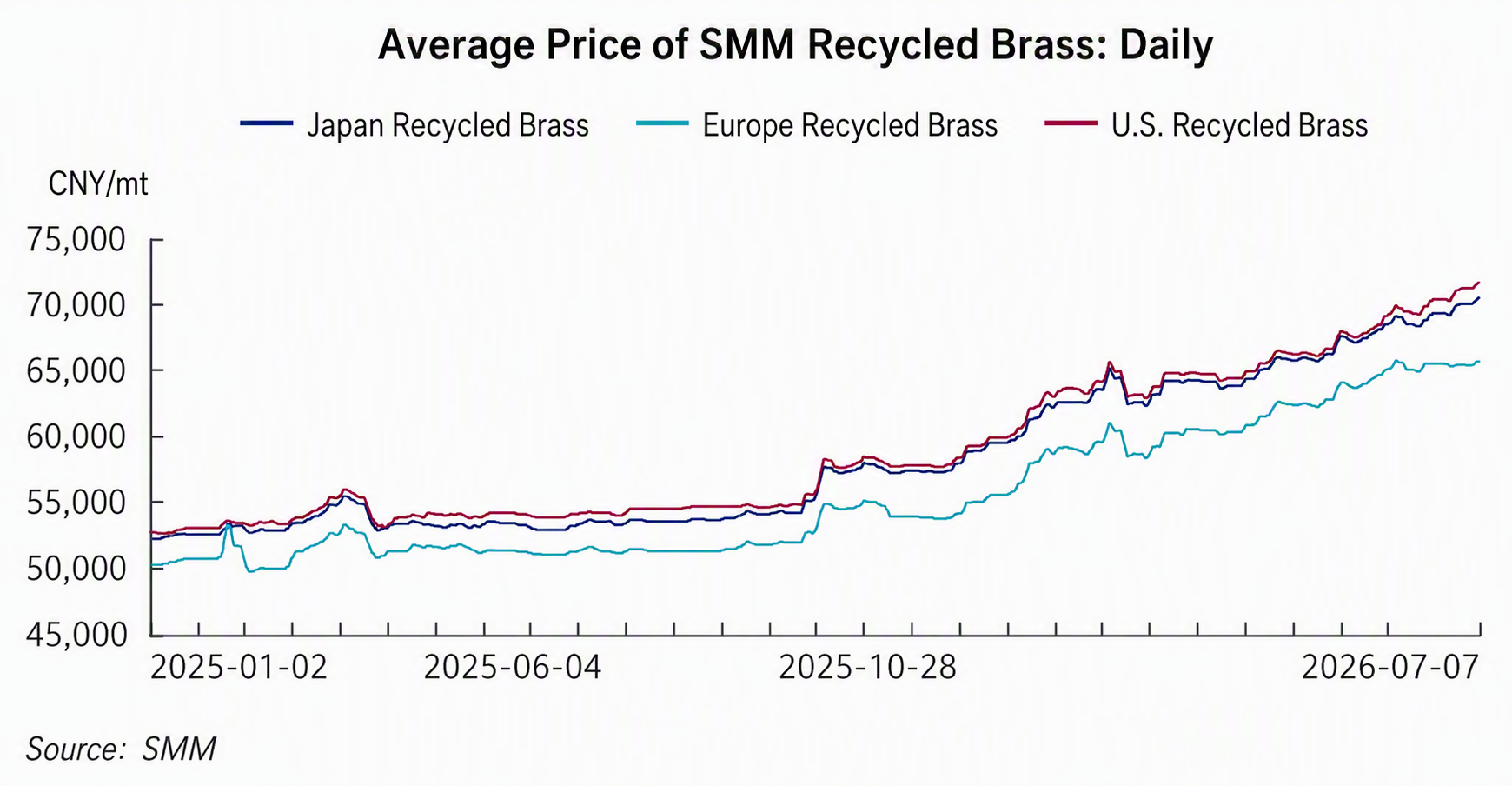
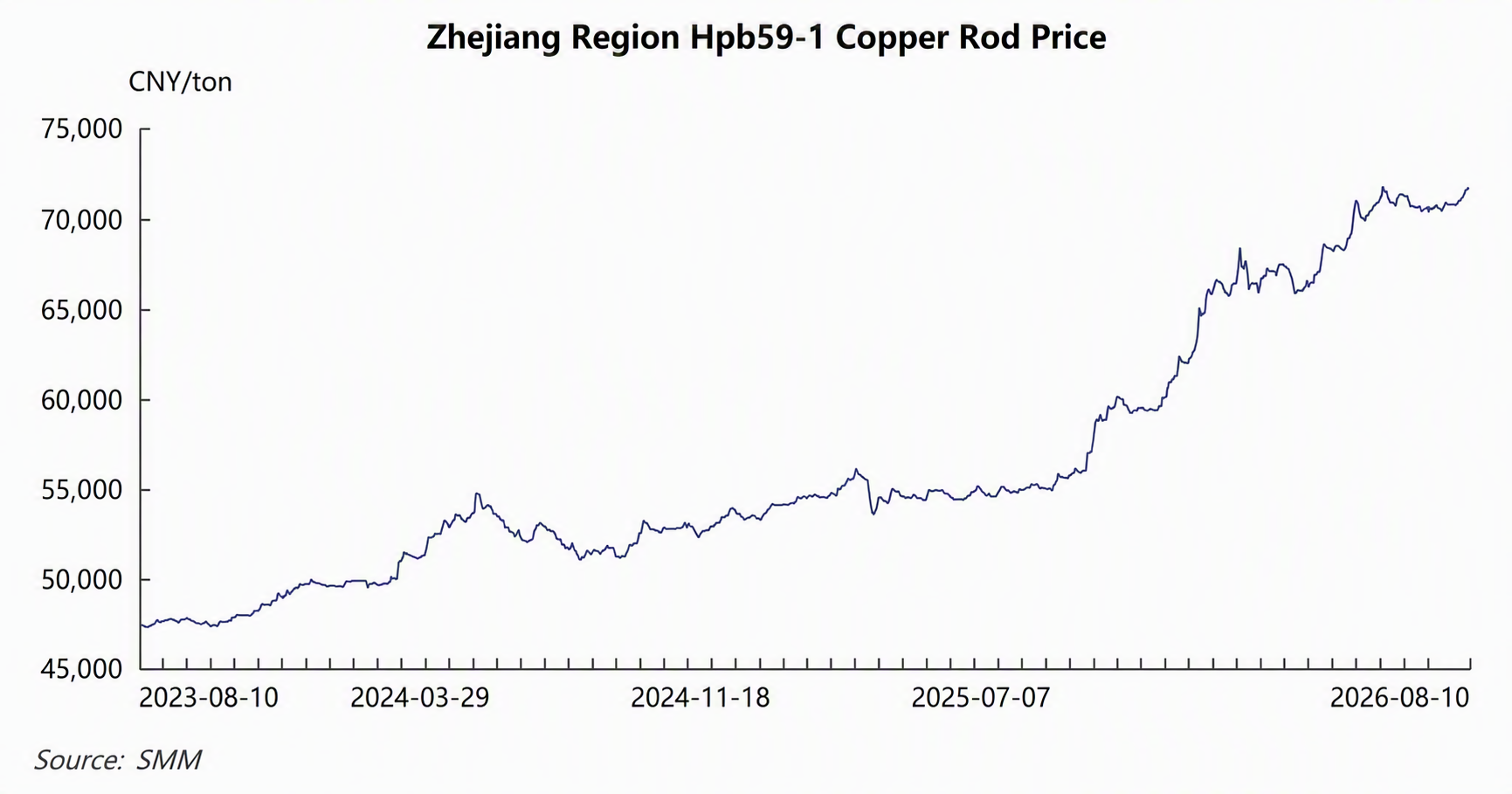
Raw material constraints remained the core factor pressuring industry production . Controls on reverse invoicing for secondary resources continued to tighten, domestic supply of compliant secondary brass tightened, and enterprises turned to imported secondary brass to supplement raw materials, but supply outside China was tight, import offers stayed high, and raw material procurement costs stayed elevated. Brass raw material prices rose, but the downstream end-use market was fiercely competitive, with the finished product side unable to pass on costs synchronously, and profit margins for copper billet processing enterprises continued to be squeezed. Small and medium-sized processing plants were under financial pressure and faced greater difficulty in obtaining raw materials; voluntary production controls and cuts were widespread.


On the demand side, in July, the industry was in a traditional consumption off-season , with procurement from traditional downstream brass end-users such as plumbing valves and hardware bathroom fittings remaining weak; downstream players mostly restocked on an as-needed basis, and willingness to proactively stockpile was weak, resulting in overall mediocre transactions for brass billets. While structural orders for copper billets used in new energy and AI cooling provided some support, growth was limited and insufficient to offset the demand weakness in traditional sectors. Affected by weak orders, finished product inventories at copper billet enterprises stayed at relatively high levels, and in-plant destocking progressed sluggishly, further weighing on enterprises' production willingness.
Looking ahead to August, pressure from the traditional off-season will intensify further ; feedback from SMM sample enterprises indicates that the tight raw material supply is unlikely to improve significantly in the short term, and there are no signs yet of a substantive recovery in end-use demand. SMM expects that the overall operating rate of domestic copper billet enterprises will fall 2.04 percentage points MoM to 42.22% in August, and will be down 1.6 percentage points YoY . By size, large enterprises will see a slight decline in production due to insufficient new orders despite some existing order support; small and medium-sized enterprises will continue to face dual pressures from high-priced raw materials and inadequate end-use orders, with production remaining under pressure. Overall, short-term raw material bottlenecks and off-season demand exert dual pressure. China's copper billet market is expected to remain in the doldrums, and the recovery of industry operations and profits will still need to wait for the easing of raw material supply and the arrival of the traditional downstream consumption peak season.