ในเดือนกรกฎาคม 2026 อัตราการเดินเครื่องของแท่งทองแดงรีไซเคิลอยู่ที่ 12.43% ต่ำกว่าที่คาดการณ์ไว้ 12.61% ลดลง 0.18 จุดเปอร์เซ็นต์เมื่อเทียบเดือนก่อนหน้า และลดลง 18.47 จุดเปอร์เซ็นต์เมื่อเทียบกับช่วงเดียวกันของปีก่อน ในเดือนกรกฎาคม 2026 ตลาดแท่งทองแดงจากเศษทองแดงดำเนินไปภายใต้แก่นเรื่องหลักที่สัญญาทองแดง SHFE ที่มีปริมาณการซื้อขายสูงสุดพุ่งขึ้นจาก 102,000 หยวน/เมตริกตัน สู่ระดับสูงกว่า 106,000 หยวน/เมตริกตัน โดยมีกำไรรายเดือนเกินกว่า 3,000 หยวน/เมตริกตัน จากการพุ่งขึ้นทางเดียวของทองแดงแคโทดและการปรับตัวตามที่ไม่เพียงพอของเศษทองแดง ส่วนต่างราคาระหว่างโลหะปฐมภูมิกับเศษทองแดงขยายกว้างขึ้นจากประมาณ 2,000 หยวน/เมตริกตันในช่วงต้นเดือนเป็นสูงกว่า 4,000 หยวน/เมตริกตัน ณ สิ้นเดือน และช่วงหนึ่งกลางเดือนเคยแตะถึง 4,800 หยวน/เมตริกตัน ส่วนต่างราคาระหว่างแท่งทองแดงแคโทดกับแท่งทองแดงรีไซเคิลยังแตะระดับคุ้มทุนทางเศรษฐกิจที่สูงกว่า 1,800 หยวน/เมตริกตันในช่วงที่ราคาทองแดงพุ่งขึ้น ภายใต้กรอบข้อจำกัดด้านการปฏิบัติตามใบกำกับภาษีย้อนกลับที่ต่อเนื่อง และช่วงนอกฤดูที่มีอากาศร้อนจัดทวีความรุนแรงขึ้น ตลาดแสดงให้เห็นถึงการแบ่งขั้วอย่างชัดเจน: อุปทานที่ตึงตัวเชิงโครงสร้าง การซื้อโดยใช้กลยุทธ์อาร์บิทราจที่แข็งแกร่งจากผู้ซื้อปลายน้ำ และช่วงนอกฤดูที่ความต้องการใช้จริงอ่อนแอยิ่งกว่าเดิม ตั้งแต่วันที่ 1 กรกฎาคม นโยบาย "three-in-one reverse invoicing" ใหม่ (ซึ่งอัตราภาษีเงินได้บุคคลธรรมดาชำระล่วงหน้าสำหรับบุคคลธรรมดาที่มียอดขายต่อปีสูงสุด 600,000 หยวน ลดลงเหลือ 0.25%) ได้เริ่มบังคับใช้อย่างเป็นทางการ ส่งผลให้ภูมิทัศน์อุปทานในแต่ละภูมิภาคเปลี่ยนแปลงไปอีก
ด้านอุปทาน ตลาดเศษทองแดงยังคงมีภาวะตึงตัวเชิงโครงสร้างแบบที่เห็นมาตั้งแต่ปี 2026 โดยข้อจำกัดพื้นฐานยังคงเป็นผลกระทบร่วมกันของนโยบายใบกำกับภาษีย้อนกลับและการยกเลิกเงินอุดหนุนทางการคลังและภาษี: การตรวจสอบในหูเป่ยและภูมิภาคอื่นเข้มงวดขึ้น และโควต้าการออกใบกำกับภาษีในพื้นที่ เช่น ชูหยาง มณฑลเจียงซู ยังคงถูกจำกัด ที่สำคัญยิ่งกว่านั้น ในเดือนกรกฎาคม มณฑลเหอหนานยกเลิกเงินอุดหนุนทางการคลังและภาษี ขณะที่ใบกำกับภาษีย้อนกลับยังคงสามารถดำเนินการได้ ในชูหยาง เจียงซู หลังจากมีการควบคุมการใช้ใบกำกับภาษีย้อนกลับ บริษัทต่างๆ ได้รับแจ้งในเดือนกรกฎาคมเรื่องการยกเลิกเงินอุดหนุน และกิจการผู้ใช้เศษโลหะส่วนใหญ่หยุดดำเนินการเพื่อรอดูสถานการณ์ คำสั่งซื้อบางส่วนจากเจียงซูที่ยังไม่ได้รับสินค้าไหลไปยังมณฑลใกล้เคียง และเศษทองแดงที่ถูกต้องตามระเบียบและสามารถหักลดหย่อนได้ยังคงตึงตัว อัตราภาษีในใบกำกับภาษีเศษทองแดงกระแสหลักเกิน 11% และสูงถึง 12% ในบางพื้นที่ ผลักดันต้นทุนจัดซื้อวัตถุดิบของกิจการให้สูงขึ้นอีก
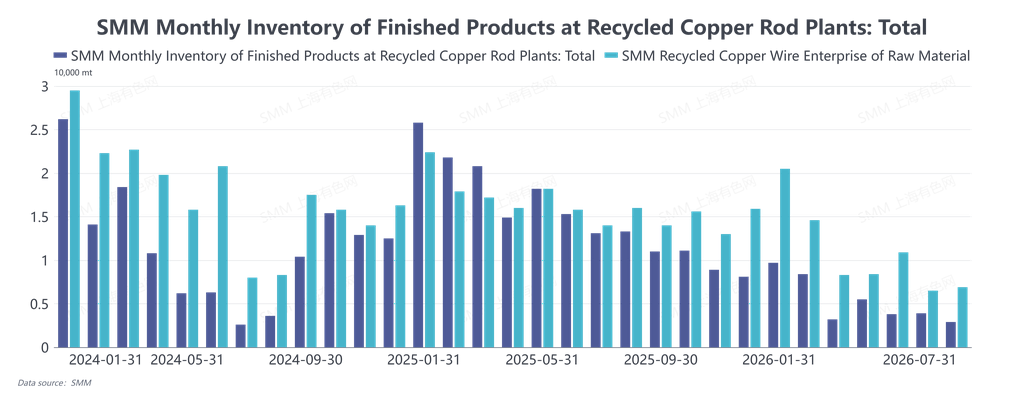
ด้านอุปสงค์ เมื่อส่วนต่างราคาระหว่างโลหะปฐมภูมิกับเศษทองแดงขยายกว้างเกิน 3,800 หยวน/เมตริกตัน ความคุ้มค่าทางเศรษฐกิจของเศษทองแดงเด่นชัดขึ้น และความเต็มใจซื้อของกิจการผลิตแท่งทองแดงรีไซเคิลก็แข็งแกร่งมาก อย่างไรก็ตาม ความเต็มใจซื้อที่มากนี้มุ่งไปที่การทำอาร์บิทราจในตลาดล่วงหน้าเป็นหลัก มากกว่าการเติมสต๊อกจริง ในช่วงราคาทองแดงพุ่งขึ้น กิจการแท่งทองแดงรีไซเคิลใช้ตรรกะการป้องกันความเสี่ยง “ซื้อวัตถุดิบและขายสัญญาล่วงหน้า” กันอย่างกว้างขวางในการซื้อเศษทองแดง หลังจากที่ได้ซื้อเพียงพอสำหรับความต้องการในวันนั้นในช่วงการซื้อขายภาคเช้า พวกเขาก็หยุดเสนอซื้อและไม่ไล่ราคาเพื่อรับสินค้า อย่างไรก็ตาม การซื้อที่ขับเคลื่อนโดยอาร์บิทราจเช่นนี้ในตอนแรกไม่ได้แปรเปลี่ยนเป็นการเติมสต๊อกเพื่อการผลิตจริงทั้งหมด อุตสาหกรรมผู้ใช้ปลายทาง เช่น สายไฟและสายเคเบิล และลวดอาบน้ำยา ถูกบีบด้วยแรงกดดันสองด้านจากปริมาณสต๊อกทองแดงแคโทดต่ำพร้อมส่วนเพิ่มราคาสูง และราคาทองแดงสัมบูรณ์ที่สูง โดยมีความกลัวต่อราคาสูงแพร่หลาย คำสั่งซื้อใหม่ยิ่งอ่อนแอลงในช่วงนอกฤดู ณ สิ้นเดือน สต๊อกวัตถุดิบของกิจการแท่งทองแดงรีไซเคิลอยู่ในระดับค่อนข้างมาก หลังจากที่มีการซื้อเพื่อป้องกันความเสี่ยงกลางเดือน และดัชนีความเชื่อมั่นการจัดซื้อลดลงจาก 2.21 มาอยู่ที่ระดับต่ำ 2.03 ความขัดแย้งหลักในตลาดเปลี่ยนจาก “เงินปันผลจากส่วนต่างราคาตกเป็นของอาร์บิทราจ” เป็น “สต๊อกที่ล้นตลาดกดดันธุรกรรม” โดยรวมแล้ว ความขัดแย้งหลักในตลาดแท่งทองแดงรีไซเคิลในเดือนกรกฎาคมเปลี่ยนจาก “ระดับราคาทองแดง” เป็น “ใครได้เงินปันผลจากส่วนต่างราคา” และ “อุปทานที่ถูกต้องตามระเบียบอยู่ที่ไหน” — ส่วนต่างราคาระหว่างโลหะปฐมภูมิกับเศษทองแดงที่ประมาณ 4,000 หยวน/เมตริกตัน อันเกิดจากการพุ่งขึ้นของราคาทองแดงนั้น แท้จริงแล้วถูกดูดซับโดยเงินทุนอาร์บิทราจ การดำเนินงานของกิจการแท่งทองแดงรีไซเคิลที่ซื้อวัตถุดิบและชอร์ตสัญญาล่วงหน้าช่วยสนับสนุนการหมุนเวียนของเศษทองแดง แต่สิ่งนี้ไม่ได้ส่งผ่านไปยังการใช้จริง การยกเลิกเงินอุดหนุนในเหอหนาน ชูหยางในเจียงซู และพื้นที่อื่นๆ ก่อให้เกิดการปรับโครงสร้างอุปทานระดับภูมิภาค ทำให้สินค้าที่ถูกต้องตามระเบียบกระจุกตัวมากขึ้นในพื้นที่ที่มีสภาพแวดล้อมนโยบายค่อนข้างเสถียร การไหลออกของคำสั่งซื้อจากเจียงซูไปยังมณฑลใกล้เคียงสะท้อนให้เห็นถึงการปรับโครงสร้างนี้โดยตรง
ในช่วงเดือนสิงหาคม หากส่วนต่างราคาระหว่างโลหะปฐมภูมิกับเศษทองแดงสามารถทรงตัวเหนือ 4,000 หยวน/เมตริกตัน มาตรฐานการบังคับใช้ใบกำกับภาษีย้อนกลับมีความชัดเจนขึ้น และโควต้าในบางภูมิภาคผ่อนคลายลงเล็กน้อย อาจกระตุ้นอุปสงค์การเติมสต๊อกบางส่วนได้ มิเช่นนั้น ท่ามกลางปัจจัยร่วมของสต๊อกทองแดงแคโทดต่ำ ส่วนเพิ่มราคาสูง และความกลัวราคาสูงของผู้ใช้ปลายน้ำ ตลาดแท่งทองแดงรีไซเคิลจะยังคงดำเนินไปในรูปแบบสมดุลอ่อนแอแบบ “เมื่อราคาทองแดงขึ้น ซัพพลายเออร์ขาย กิจการแท่งทองแดงป้องกันความเสี่ยงและซื้อ แต่ทั้งสองฝ่ายเฝ้าดูเมื่อราคาสูง” การฟื้นตัวที่แท้จริงของอุปสงค์ใช้จริง ยังต้องรอการปรับฐานของราคาทองแดง หรือการปรับตัวดีขึ้นอย่างเป็นรูปธรรมของคำสั่งซื้อจากผู้ใช้ปลายทาง
![Concentrated arrivals of imported copper combined with high backwardation pressure cause spot premiums to pull back rapidly [SMM Shanghai Spot Copper]](https://imgqn.smm.cn/usercenter/KTLHT20251217171714.jpeg)
![อัตราส่วนราคา SHFE/LME อ่อนตัวลง พรีเมียมทองแดงหยางซานขาดแรงหนุนขาขึ้น พรีเมียมสปอตปรับตัวลง [SMM ทองแดงสปอตหยางซาน]](https://imgqn.smm.cn/usercenter/GfvuY20251217171708.jpg)
![ส่วนต่างราคาระหว่างสัญญาฟิวเจอร์สยังคงกว้างใกล้เดือนส่งมอบ ซัพพลายเออร์ปรับลดราคาเชิงรุกเพื่อเร่งระบายสต็อก [SMM ทองแดงสปอตจีนตอนใต้]](https://imgqn.smm.cn/usercenter/HaNSH20251217171714.jpeg)