Platinum-Based Fuel Cell Technology Could Support Data Centre Power Demand

Published: Aug 07, 2026 16:53 (GMT+8)

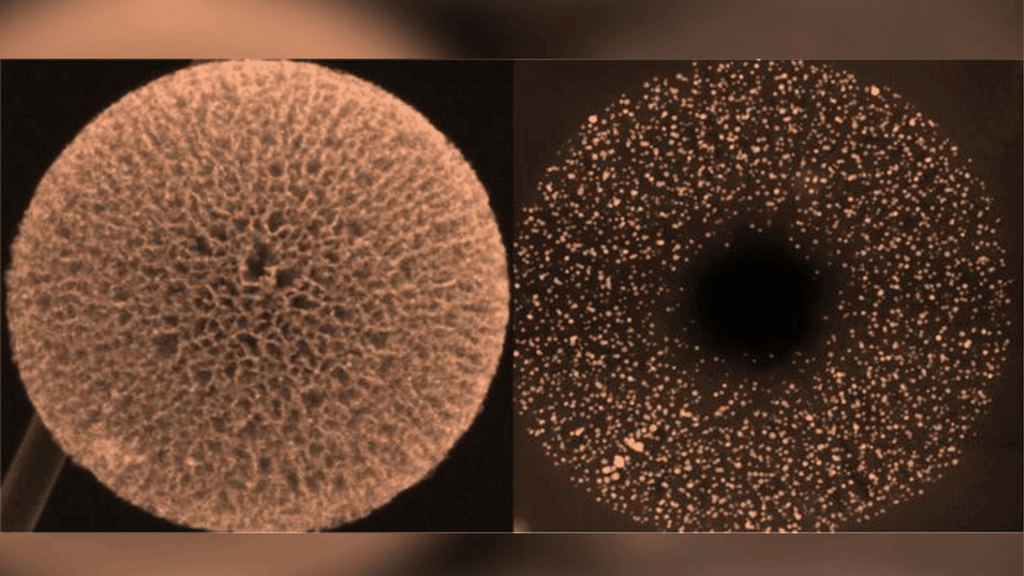
Researchers at Washington University in St. Louis and partner institutions have developed a new platinum-cobalt catalyst design that could improve the durability and efficiency of low-temperature fuel cells, potentially supporting power generation for data centres.

The technology uses platinum-cobalt nanoparticles confined within hollow carbon nanochannels, helping prevent the nanoparticles from clumping or degrading during operation. Platinum is widely used as a fuel-cell catalyst because of its high catalytic performance but its cost remains a key challenge. Accordingly, the new catalyst maintained around 85% of its performance during testing designed to simulate 25,000 hours of operation.

The development could have implications for platinum demand if fuel cells become more widely adopted for distributed power generation. This is particularly relevant as data-centre electricity consumption is expected to rise significantly with growing digital and AI infrastructure. However, further development and commercial validation will be required before large-scale deployment.
Data Source Statement: Except for publicly available information, all other data are processed by SMM based on publicly available information, market communication, and relying on SMM's internal database model. They are for reference only and do not constitute decision-making recommendations.

For any inquiries or for more information, please contact: lemonzhao@smm.cn
For more information on how to access our research reports, please contact:service.en@smm.cn
Related News
[SMM Analysis]  Valterra Platinum 2010 To 2025: How Processing Shocks and Price Cycles Reshaped the Business
6 hours ago
[SMM Analysis] Valterra Platinum 2010 To 2025: How Processing Shocks and Price Cycles Reshaped the Business
Read More
[SMM Analysis]  Valterra Platinum 2010 To 2025: How Processing Shocks and Price Cycles Reshaped the Business
[SMM Analysis] Valterra Platinum 2010 To 2025: How Processing Shocks and Price Cycles Reshaped the Business
Valterra Platinum’s 2010–2025 record shows how plant interruptions, inventory backlogs and changing reporting rules shaped refined output across South Africa and Zimbabwe. Platinum, palladium and rhodium followed different price cycles, so output alone could not explain value. Prices for ruthenium and iridium add context, though their separate production is undisclosed. Stronger prices and refining lifted H1 2026 results; lasting gains depend on safety, cost control and disciplined investment.
6 hours ago
[SMM Flash]  Jubilee Reviews Interest in Undeveloped Tjate PGM Project
6 hours ago
[SMM Flash] Jubilee Reviews Interest in Undeveloped Tjate PGM Project
Read More
[SMM Flash]  Jubilee Reviews Interest in Undeveloped Tjate PGM Project
[SMM Flash] Jubilee Reviews Interest in Undeveloped Tjate PGM Project
Jubilee Metals said in its 14 September operational update that several companies had expressed interest in its Tjate PGM project and that it was reviewing the approaches as part of a strategic review. Jubilee retained the South African asset after selling its other chrome and PGM operations; Miningmx reported that a disposal is under consideration as the company focuses on Zambian copper. A sale could transfer responsibility for developing Tjate. Expressions of interest are neither a sale agreement nor financing commitments, and no production timetable has been announced. Any contribution to PGM supply depends on future development decisions.
6 hours ago
[SMM Flash]  Sylvania Reviews Thaba Plan After Lower Feed-Grade Estimates
6 hours ago
[SMM Flash] Sylvania Reviews Thaba Plan After Lower Feed-Grade Estimates
Read More
[SMM Flash]  Sylvania Reviews Thaba Plan After Lower Feed-Grade Estimates
[SMM Flash] Sylvania Reviews Thaba Plan After Lower Feed-Grade Estimates
Sylvania Platinum said in its 15 September annual results that an updated geological model indicated chrome and PGM feed grades at its Thaba joint venture could be below original assumptions. Miningmx reported estimated shortfalls of 15–20% for PGM grades and 8–12% for chrome grades against earlier targets. Sylvania’s FY2026 group output of 95,885 4E PGM oz includes operations beyond Thaba. The partners are reviewing the mine plan, with an updated life-of-mine plan expected in three to six months. Management says Thaba remains profitable under current assumptions. Lower grades could reduce recoverable metal and project returns; the revised plan and profitability outlook remain subject to that review.
6 hours ago