Recently, the Ministry of Industry and Information Technology issued the 15th Five-Year Plan for Green and Low-Carbon Industrial Development, making systematic deployment in areas such as green energy utilization, carbon reduction in key industries, hydrogen industry cultivation, advanced equipment promotion, and technological innovation, to further increase the application proportion of clean energy like green electricity and green hydrogen in the industrial sector.
The plan proposes that, on the premise of complying with national industrial layout requirements, regions with abundant green energy be supported to orderly undertake industries such as aluminum, steel, petrochemicals and chemicals, PV, and power batteries, extend the green energy industry chain, promote the large-scale application of green hydrogen, ammonia, and methanol, and enhance the on-site consumption capacity of green energy. At the same time, a number of zero-carbon factories and zero-carbon computing facilities will be built, exploring replicable and scalable construction models.
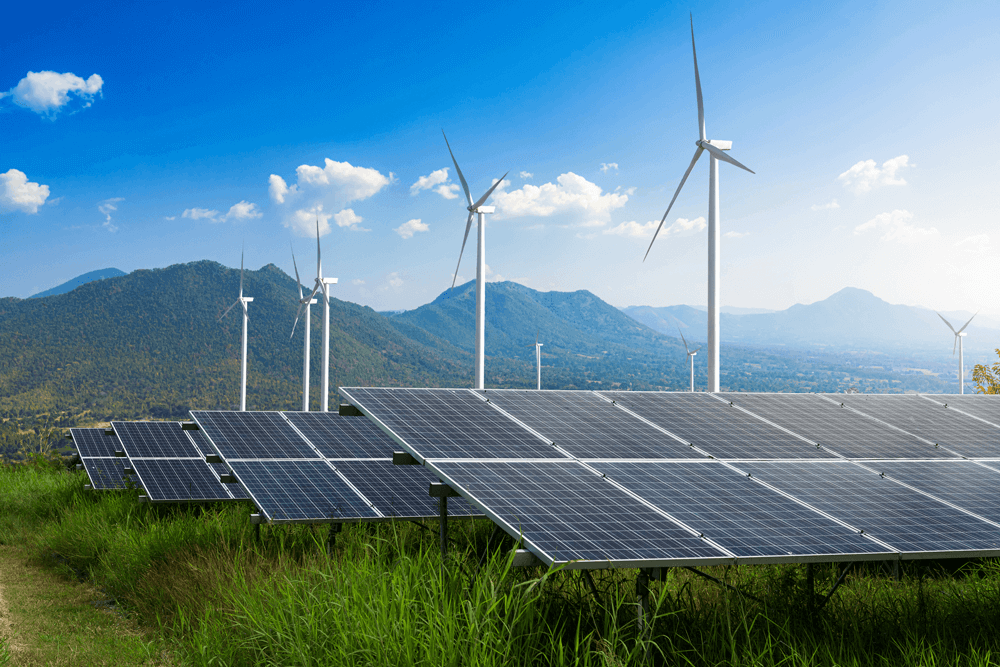
Industrial green microgrids are also listed as a key development direction. The plan proposes promoting the integrated application of technologies such as PV, wind power, heat pumps, new-type energy storage, hydrogen energy, waste heat, pressure, and gas, and smart energy management, to facilitate the efficient complementary utilization of various energy sources in the industrial sector.
In terms of key industry transformation, the steel industry will accelerate the concentration of steel scrap and green electricity resources to electric furnace short-process steelmaking enterprises, and promote the industrialisation of low-carbon metallurgical technologies such as hydrogen-rich, oxygen-rich, and carbon-circulating blast furnaces and pure hydrogen direct reduction. The petrochemical and chemical industries will orderly expand the application proportion of green energy and low-carbon raw materials such as green electricity, green hydrogen, and biomass, and implement process upgrades like new-type catalysis, green synthesis, and high-efficiency separation, to drive the upgrade of calcium carbide method PVC production towards a mercury-free direction.
The plan clarifies that hydrogen energy industry should be developed according to local conditions, with breakthroughs in key technologies for clean and low-carbon hydrogen production and application, promotion of hydrogen energy comprehensive application pilot projects, and expansion of the use of clean and low-carbon hydrogen in areas such as industry and transportation.
In terms of new energy transportation equipment, the policy will support the development of ships powered by batteries, methanol, and hydrogen, and accelerate the application of new energy in inland waterway vessels; at the same time, orderly develop new energy aircraft such as electric and hydrogen-powered ones, and promote the use of sustainable aviation fuel in domestic civil aircraft.
The promotion of energy-saving equipment will also be further intensified. The plan proposes accelerating the R&D and application of advanced products such as high-efficiency energy-saving motors, transformers, industrial heat pumps, cooling and heating equipment, water electrolysis hydrogen production equipment, and information and communication equipment, and strengthening the coordination and matching between energy-saving equipment and related systems.
Focusing on cutting-edge technological innovation, the plan will prioritize technologies such as hydrogen production from renewable energy, high-efficiency crystalline silicon-perovskite tandem cells, high-efficiency thin-film batteries, all-solid-state batteries, sodium-ion batteries, green metallurgy, inert anodes, flexible electrolysis, kiln hydrogen calcination, direct crude oil to chemicals, and carbon capture, storage, and utilization.
In addition, relevant departments will build a number of pilot-scale verification platforms for clean and low-carbon hydrogen, low-carbon and zero-carbon process reengineering, and high-performance water treatment membranes, and through open and shared pilot-scale service capabilities, reduce the market verification costs of low-carbon technologies.
In terms of talent cultivation, the plan encourages qualified universities to set up disciplines and majors related to green design, green manufacturing, hydrogen energy, etc., build industry-education integration training bases, explore the establishment of new professions such as green factory management, and accelerate the cultivation of compound talents with both green low-carbon technology and management capabilities.