SMM, 31 июля.
В июле на внутреннем рынке молибдена сохранялась ситуация сильной руды и слабого ферромолибдена, рынок в основном консолидировался на высоких уровнях. Прибыль по цепочке поставок продолжала концентрироваться в добывающем сегменте. В июле на рынке молибденовых концентратов часто происходили перебои с поставками как в Китае, так и за рубежом. В сочетании с ростом объёмов тендеров на ферромолибден у сталелитейных заводов в годовом и месячном исчислении, устойчивым спросом и другими бычьими фундаментальными факторами цены на молибденовые концентраты и ферромолибден неоднократно достигали трёхлетних максимумов, приближаясь к предыдущим пикам. По данным SMM, среднемесячная цена 45%-ного молибденового концентрата в июле составила около 5 288 юаней/мту, увеличившись на 3,3% м/м. Среднемесячная цена ферромолибдена в июле была около 332 000 юаней за базовую тонну, рост на 3,6% м/м. Химикаты молибдена, металлический молибден и другая молибденовая продукция также преимущественно дорожали. В августе добывающие предприятия в Хэнани и других районах, сократившие выпуск, вряд ли смогут быстро полностью восстановить производство. Кроме того, плохая погода в Южной Америке и другие факторы привели к ожиданиям снижения производства медно-молибденовой руды. В то же время улучшается производственный график нержавеющей стали, например 316, и ожидается постепенное ослабление сезонного спада потребления. Дисбаланс спроса и предложения на рынке молибдена может сохраниться в августе, и цены, скорее всего, будут консолидироваться на высоком уровне.
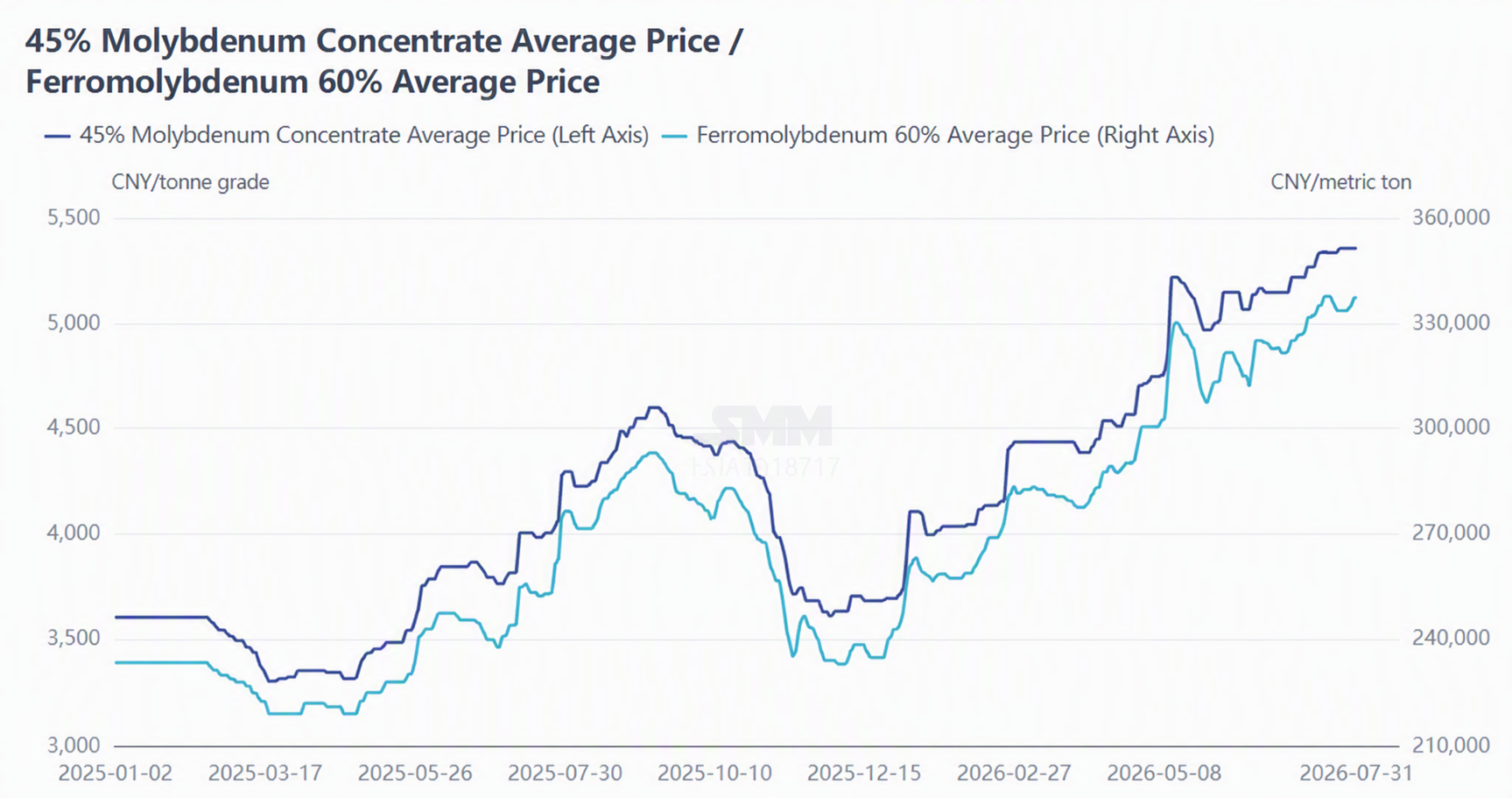
Молибденовые концентраты: В июле добыча молибденовой руды в Китае была жёстко ограничена проверками безопасности и охраны окружающей среды, а также квотами на добычу. Предприятия по производству молибденовых концентратов в Хэнани и других регионах продолжали снижать выпуск. Выпуск молибденового концентрата в Хэнани в июле упал на 1 500 тонн по сравнению с нормальным уровнем мая, а непредвиденная авария на обогатительной фабрике на юго-западе Китая в конце месяца вновь усилила обеспокоенность рынка поставками. Данные SMM показали, что производство молибденового концентрата в стране в июле сократилось примерно на 1% м/м. Трейдеры и добывающие компании в целом воздерживались от продаж, и дешёвые партии почти исчезли. За пределами Китая снижение содержания на крупных добывающих предприятиях в Чили и Перу, а также сохраняющиеся геополитические и трудовые проблемы удерживали предложение попутного молибдена с крупных медных рудников на низком уровне. Выпуск металлического молибдена BHP в 2026 финансовом году сократился на 6,2% г/г, при этом производство оставалось низким в четвёртом квартале. Снижение содержания руды на медном руднике Escondida ограничило прирост добычи. Производство молибдена Codelco в первом квартале 2026 года упало на 7,1% г/г, а восстановление мощностей на крупном руднике El Teniente шло медленно, и годовой выпуск, как ожидается, продолжит снижаться. У крупных зарубежных производителей рост молибдена был ограничен, что оставляло недостаточно возможностей для пополнения рынка импортируемыми концентратами. Это продолжало поддерживать напряжённый баланс на спотовом рынке концентратов в Китае и дополнительно укрепляло устойчивость внутренних цен. Данные таможни показали, что общий импорт прочих молибденовых руд и концентратов Китая в первом полугодии 2026 года вырос на 44,8% г/г до 42 448 тонн (физический вес). Однако эти цифры включали примерно 13 328 тонн крайне низкосортной руды, импортированной из Мьянмы и других регионов, а импорт стандартных молибденовых концентратов показал снижение на 0,7% г/г.
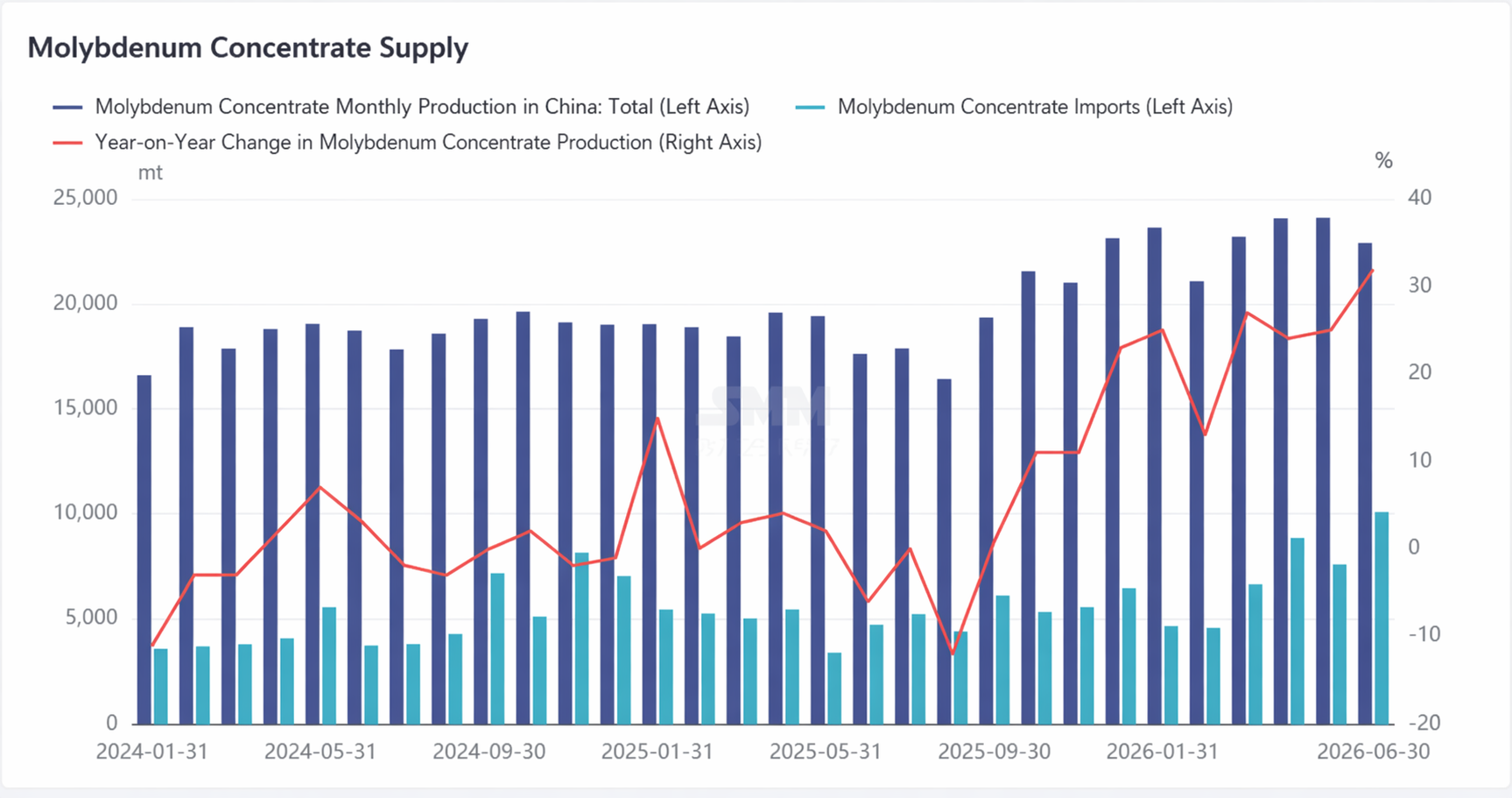
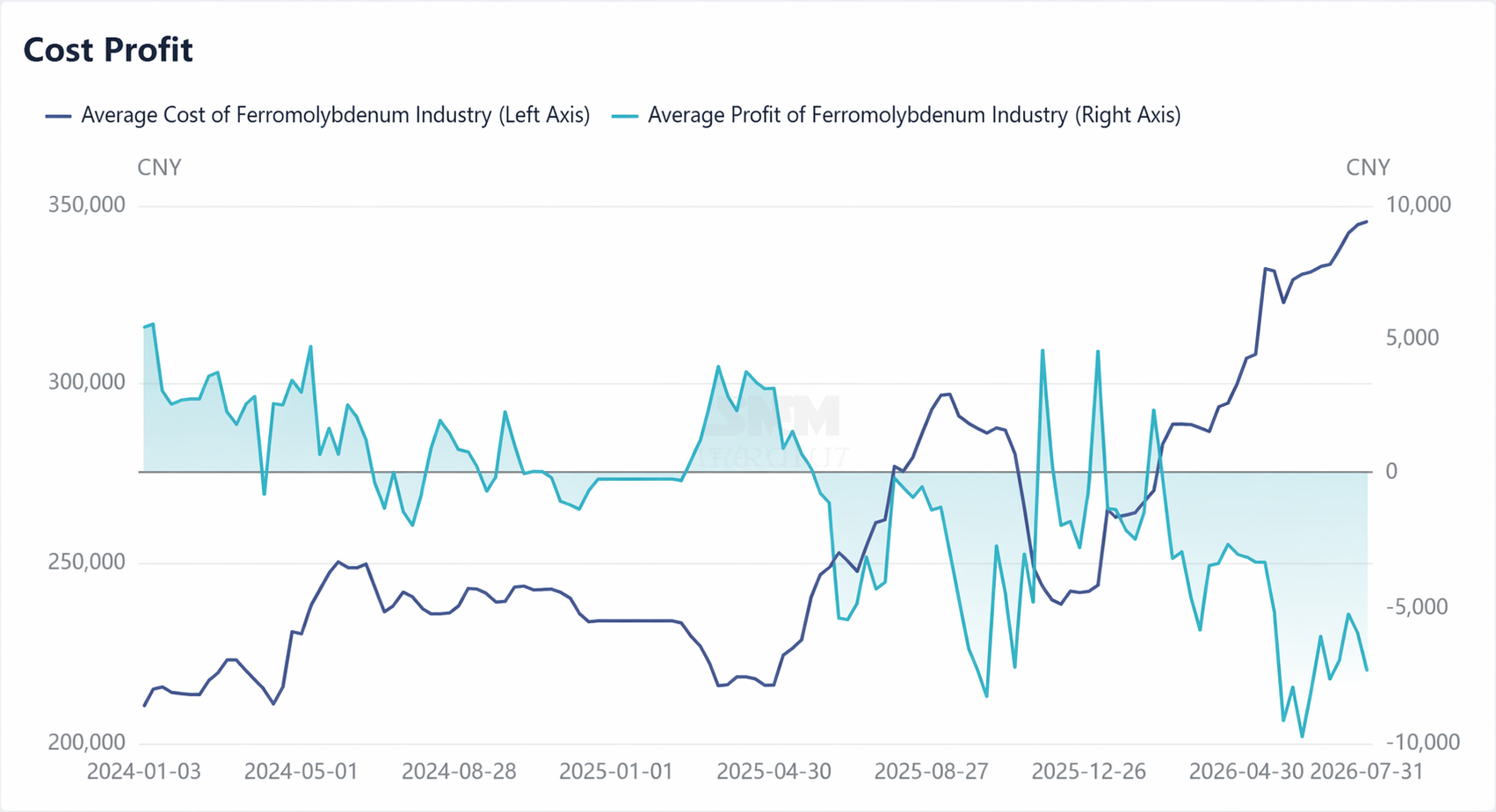
Ферромолибден: В июле рынок ферромолибдена продолжал испытывать давление как стоимости сырья, так и спроса со стороны потребителей, при этом сделки заметно расходились. Спотовый диапазон цен на 60%-ный ферромолибден составляет 320 000–340 000 юаней/т; плавильные заводы уже давно работают с убытками. Из-за постоянных убытков большинство малых и средних производителей ферромолибдена активно контролировали загрузку мощностей, и средний уровень загрузки в отрасли оставался низким. Планирование производства на основе спроса и жёсткий контроль запасов готовой продукции стали основной стратегией. Рыночные сделки сильно зависели от своевременных закупок сталелитейных заводов, спекулятивные спотовые заказы были очень вялыми, а желание трейдеров пополнять запасы по низким ценам – слабым. Июль в основном является межсезоньем для производства нержавеющей стали и других отраслей, но сталелитейные заводы в основном готовились к выпуску в августе. Объём тендеров на ферромолибден в июле преимущественно показал рост м/м. По соответствующим данным, общий объём тендеров на ферромолибден у китайских сталелитейных заводов в июле достиг 15 000 тонн, увеличившись на 19% м/м. Сроки поставки по тендерам, заключённым в конце июля, приходились в основном на начало августа, и на фоне сильных ожиданий на рынке сырья ценовое давление на производителей ферромолибдена стало заметным.
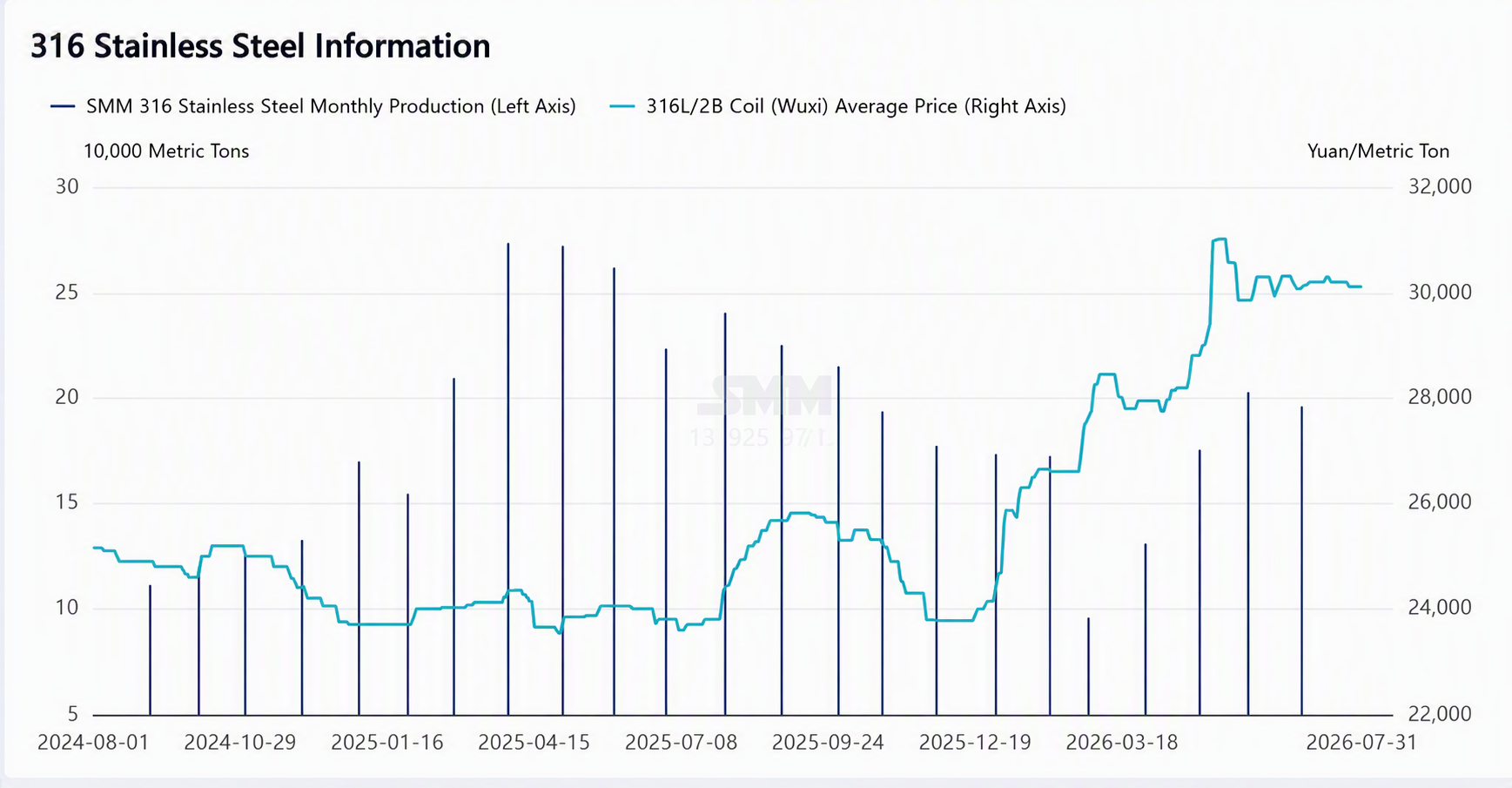
Нержавеющая сталь: в июле китайский рынок нержавеющей стали был ограничен сезонным спадом спроса в перерабатывающих отраслях и другими факторами, цены в основном консолидировались на слабой ноте. Однако отрасль в целом поддерживалась сильной поддержкой со стороны издержек, и она в основном оставалась прибыльной. В начале июля тендерные цены на ферромолибден у сталелитейных заводов были сосредоточены в диапазоне 325 000–329 000 юаней/т. В середине-конце июля центр тендерных цен сместился вверх до 331 000–334 000 юаней/т. Цены по тендерам металлургических заводов в целом постоянно оставались ниже рыночных спотовых котировок. В настоящее время запасы сырья на металлургических заводах остаются низкими, а их стратегия закупок заключается в основном в пополнении запасов посредством ежемесячных тендеров по мере необходимости. Явление предварительного создания крупных запасов исчезло. Структура спроса стала неоднородной: спрос на легированную сталь, используемую в ветроэнергетике, нефтегазопроводах и высокотехнологичном оборудовании, сохраняет устойчивость, оказывая своевременную поддержку; производственные планы по обычной нержавеющей стали и низкосортной стали для строительной техники слабы, дополнительного роста не наблюдается, что продолжает ограничивать потенциал роста цен на ферромолибден. Некоторые сталелитейные заводы начали постепенно продвигать нержавеющую сталь марки 2304, чтобы заменить часть рынка 316L.
В целом, картина напряженного баланса спроса и предложения на молибден остается неизменной, и рынок, вероятно, продолжит консолидироваться на высоких уровнях. Со стороны предложения, отечественные рудники в краткосрочной перспективе вряд ли обеспечат значительный рост, а риски перебоев в зарубежных поставках сохраняются. Поддержка снизу для молибденовых концентратов относительно сильна, что ограничивает возможности глубокой коррекции. Риск заключается в том, что если убытки от выплавки ферромолибдена продолжат расширяться, плавильщики сократят закупки сырья, формируя нисходящую отрицательную обратную связь, подавляющую цены на руду. Со стороны спроса, хотя рынок нержавеющей стали 316L находится в межсезонье, большинство сталелитейных заводов поддерживают прибыльность, а производственные планы относительно стабильны. Более того, в конце августа заводы могут выйти на рынок для пополнения запасов сырья к пиковому сезону в сентябре, что увеличит объемы сделок с ферромолибденом. Ожидается, что общий объем тендеров на закупку металлургическими заводами в августе останется высоким. Однако цены на продукцию из нержавеющей стали, такую как 316, уже находятся на исторически высоких уровнях, а устойчивость передачи цен вниз по цепочке нуждается в проверке, что создает значительное сопротивление для прорыва цен на ферромолибден вверх. В средне- и долгосрочной перспективе циклы ввода в эксплуатацию новых мировых молибденовых рудников длительны, напряженную картину спроса и предложения трудно быстро изменить, и ценовой центр скорее будет расти, чем падать. В дальнейшем внимательно отслеживайте темпы отгрузки отечественных рудников, прибытие импортного оксида молибдена в порты, ежемесячные объемы тендеров и цены вскрытия заявок основных сталелитейных заводов; опасайтесь периодического риска отката, вызванного колебаниями рыночных настроений на высоких уровнях.
![Утренние биржевые торги прошли гладко, производители удерживали цены на твёрдом уровне, консолидация на низких отметках, стабилизация. [Мгновенный отчёт SMM по ценам на магниевые слитки на спотовом рынке]](https://imgqn.smm.cn/usercenter/pAOxy20251217171725.jpg)