Berita SMM, 30 Juli:
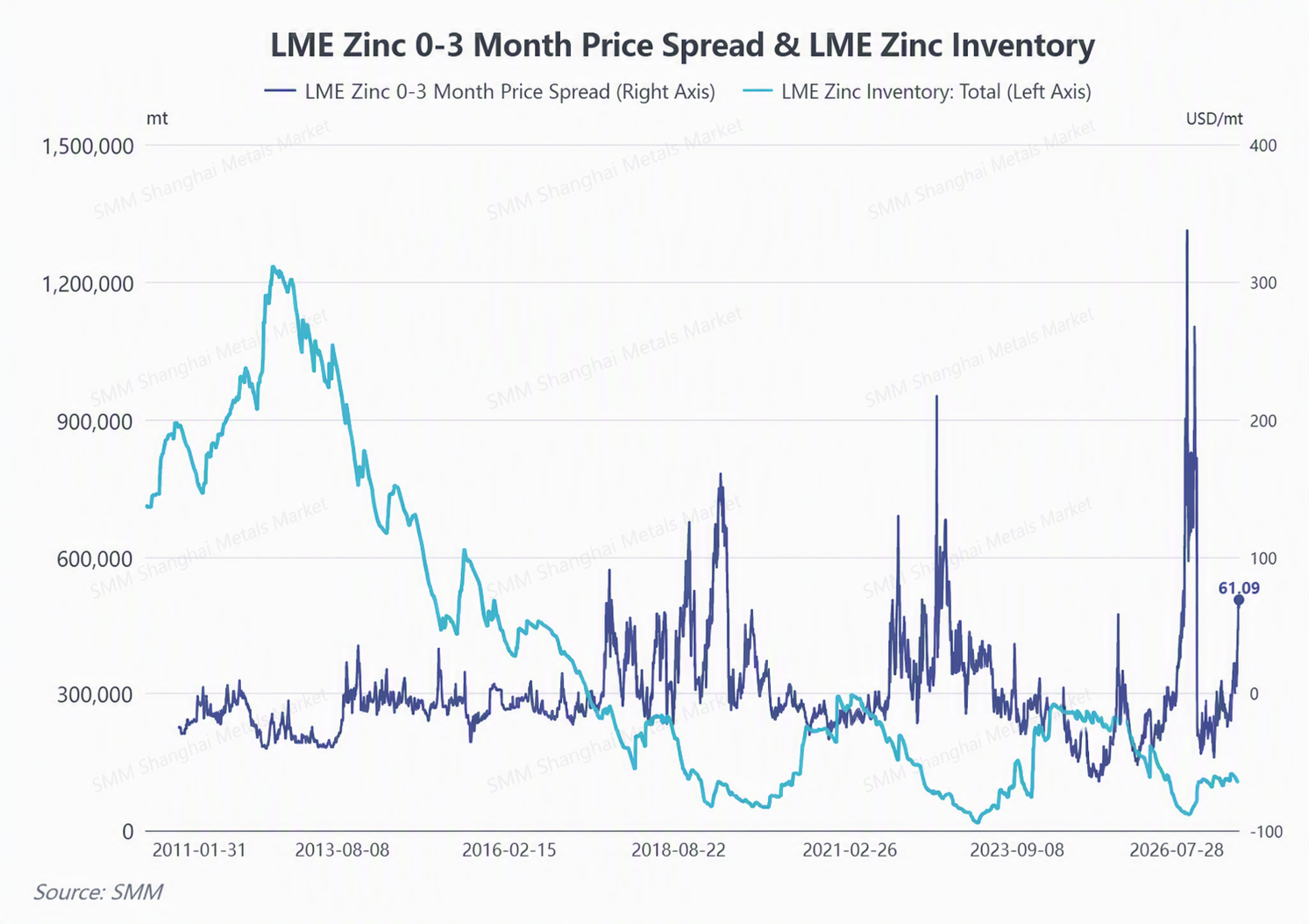
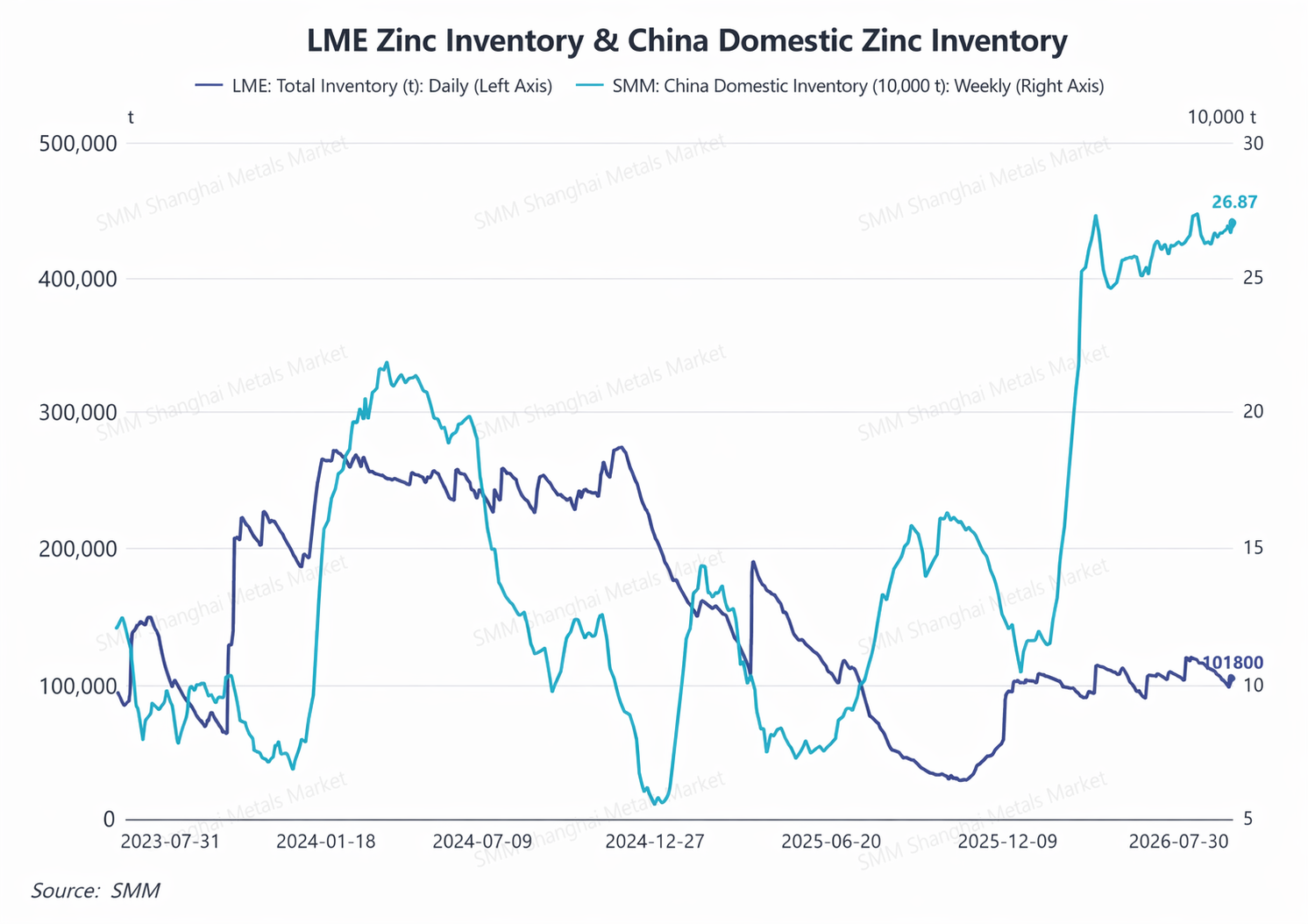
Hingga 28 Juli, stok seng LME (termasuk warrant tidak terdaftar) turun menjadi 101.800 ton, turun kumulatif sekitar 20.000 ton sejak pertengahan Juni. Di tengah berlangsungnya pengurangan stok di luar negeri, struktur pasar seng LME beralih dari contango ke backwardation, dan struktur backwardation terus melebar. Pada 28 Juli, selisih Cash-3M seng LME menguat menjadi $61,09/ton. Sangat kontras, konsumsi seng Tiongkok tetap berada di musim sepi tradisional. Stok sosial seng batangan di tujuh wilayah Tiongkok yang dikompilasi SMM tetap tinggi di kisaran 260.000 ton. Pola penawaran-permintaan di Tiongkok dan luar negeri sangat berbeda, dan rasio harga seng SHFE/LME terus melemah. Dengan latar belakang ini, jendela ekspor seng batangan Tiongkok yang lama tidak aktif kembali terbuka, dan diskusi pasar tentang arbitrase balik 'beli seng SHFE, jual seng LME' memanas secara signifikan.
Pasokan-permintaan seng batangan luar negeri tetap ketat, dan rasio harga seng SHFE/LME semakin memburuk.
Sejak Juli 2025, jendela impor seng batangan Tiongkok tetap tertutup. Data kepabeanan menunjukkan impor bersih seng olahan Tiongkok sepanjang tahun 2025 mencapai 210.000 ton, turun 51% YoY, volume impor bersih menyusut signifikan.
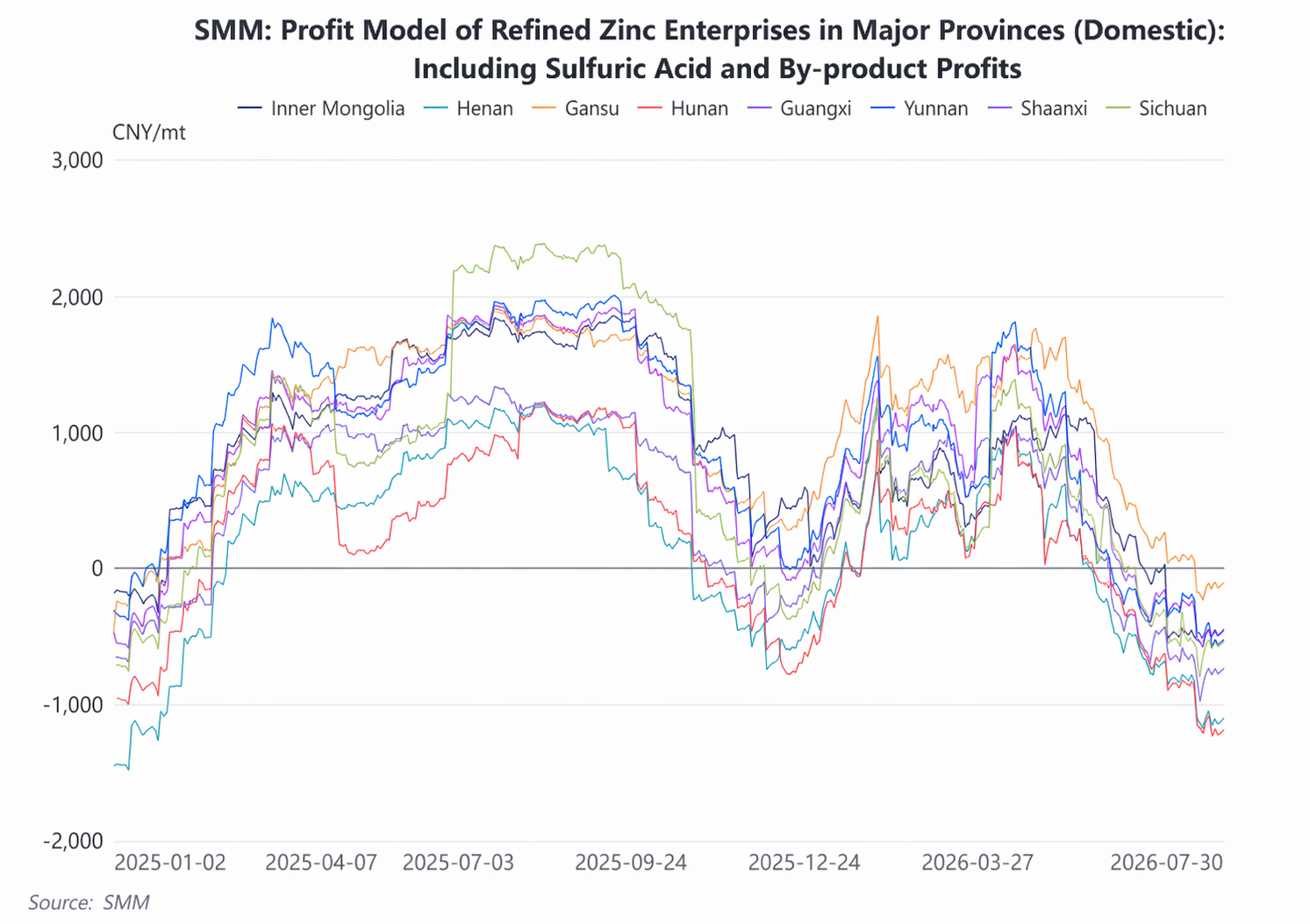
Memasuki tahun 2026, menurut perhitungan SMM, meskipun biaya pengolahan konsentrat seng domestik (TC) terus turun ke titik terendah baru, didukung harga asam sulfat yang tinggi dan keuntungan dari logam ikutan lainnya, smelter domestik tidak memasuki fase kerugian umum hingga Juni. Secara umum, smelter domestik menunjukkan antusiasme produksi yang kuat pada semester pertama. Selain itu, pemulihan konsumsi pengguna akhir pada semester pertama lebih lemah dari perkiraan. Terutama setelah memasuki kuartal kedua, sektor hilir memasuki musim sepi konsumsi tradisional, pesanan dari industri galvanisasi, die-casting, dan lainnya melemah. Sementara itu, smelter domestik terutama melakukan pemeliharaan rutin, sehingga penurunan pasokan seng olahan terbatas. Dengan pasokan stabil dan permintaan lemah, stok sosial seng batangan di Tiongkok yang dikompilasi SMM tetap di kisaran 260.000 ton, proses pengurangan stoknya jauh lebih lambat dibandingkan pasar di luar Tiongkok.
Sebaliknya, pasokan pasar seng luar negeri terus mengalami gangguan. Sejak awal tahun ini, smelter seperti Kazzinc, Cajamarquilla, dan YP mengalami gangguan produksi secara berturut-turut. Ditambah pasokan konsentrat seng luar negeri yang juga ketat, hal ini memberikan kendala tertentu pada produksi seng rafinasi luar negeri. Sejak Juni, stok seng LME terus menurun, dan pasokan spot yang mengetat mendorong penguatan cepat spread Cash-3M, sementara premi spot luar negeri terus naik.
Di tengah pasar luar negeri yang ketat dan domestik yang lemah, rasio harga seng SHFE/LME terus terkoreksi sejak 2026. Per 28 Juli, harga spot rata-rata SMM 0# seng berada di 24.670 yuan/mt, dan rasio harga seng SHFE/LME turun menjadi sekitar 6,8. Kerugian impor teoretis untuk seng rafinasi Tiongkok melebar menjadi sekitar 4.600 yuan/mt.
Logika reverse arbitrage perlahan terealisasi: jendela ekspor telah terbuka, dan jendela penyerahan LME sudah dekat.
Dari sudut pandang perdagangan arbitrase, keuntungan posisi reverse arbitrage berasal dari pelemahan rasio harga seng SHFE/LME, sementara ekspor fisik dan penyerahan ke gudang menjadi jalur realisasi akhir untuk mengubah laba kertas menjadi laba perdagangan spot. Oleh karena itu, terbukanya jendela ekspor dan berubahnya laba dari pengiriman ke gudang penyerahan menjadi positif merupakan kunci terbentuknya siklus tertutup untuk logika reverse arbitrage kali ini.
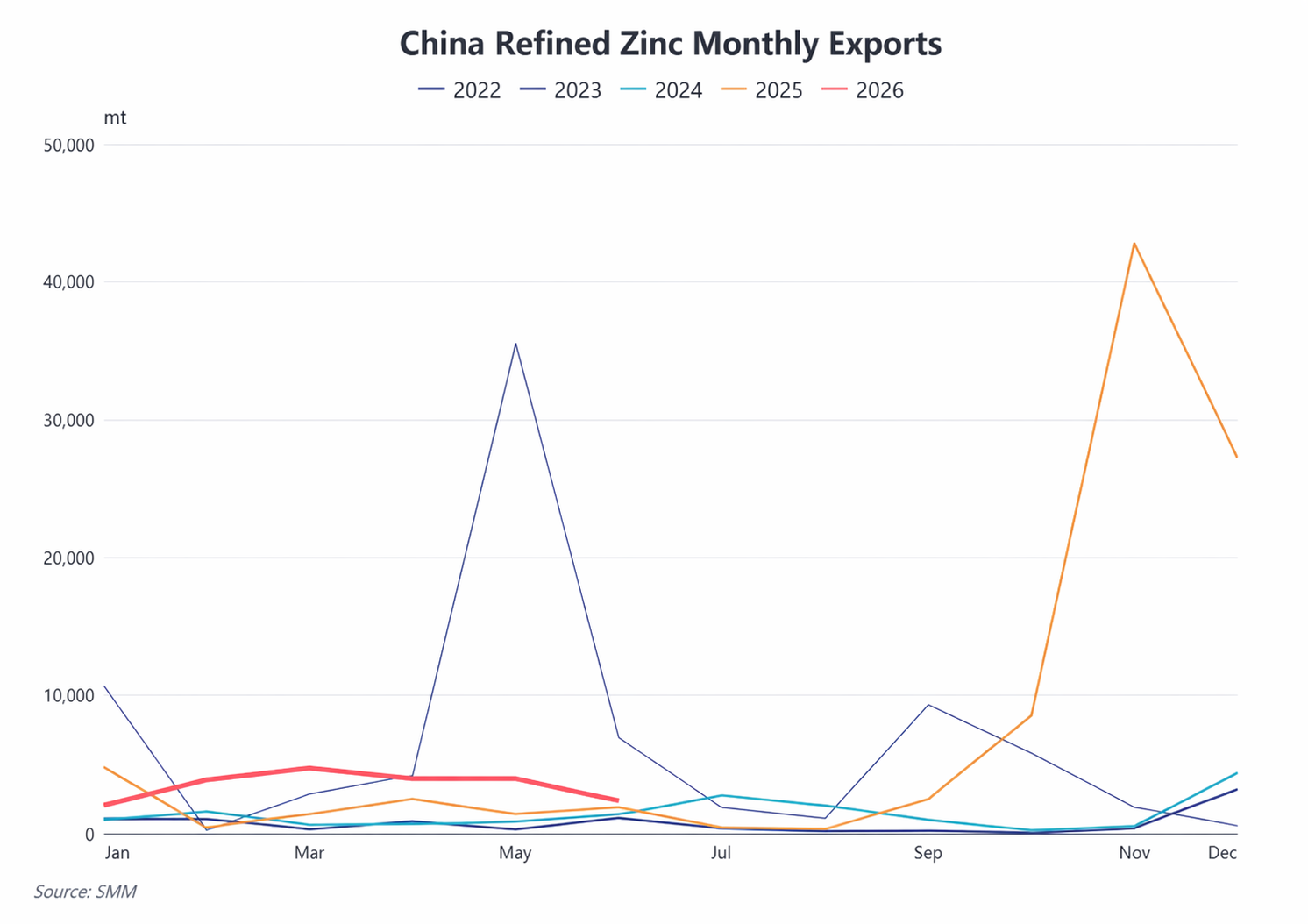
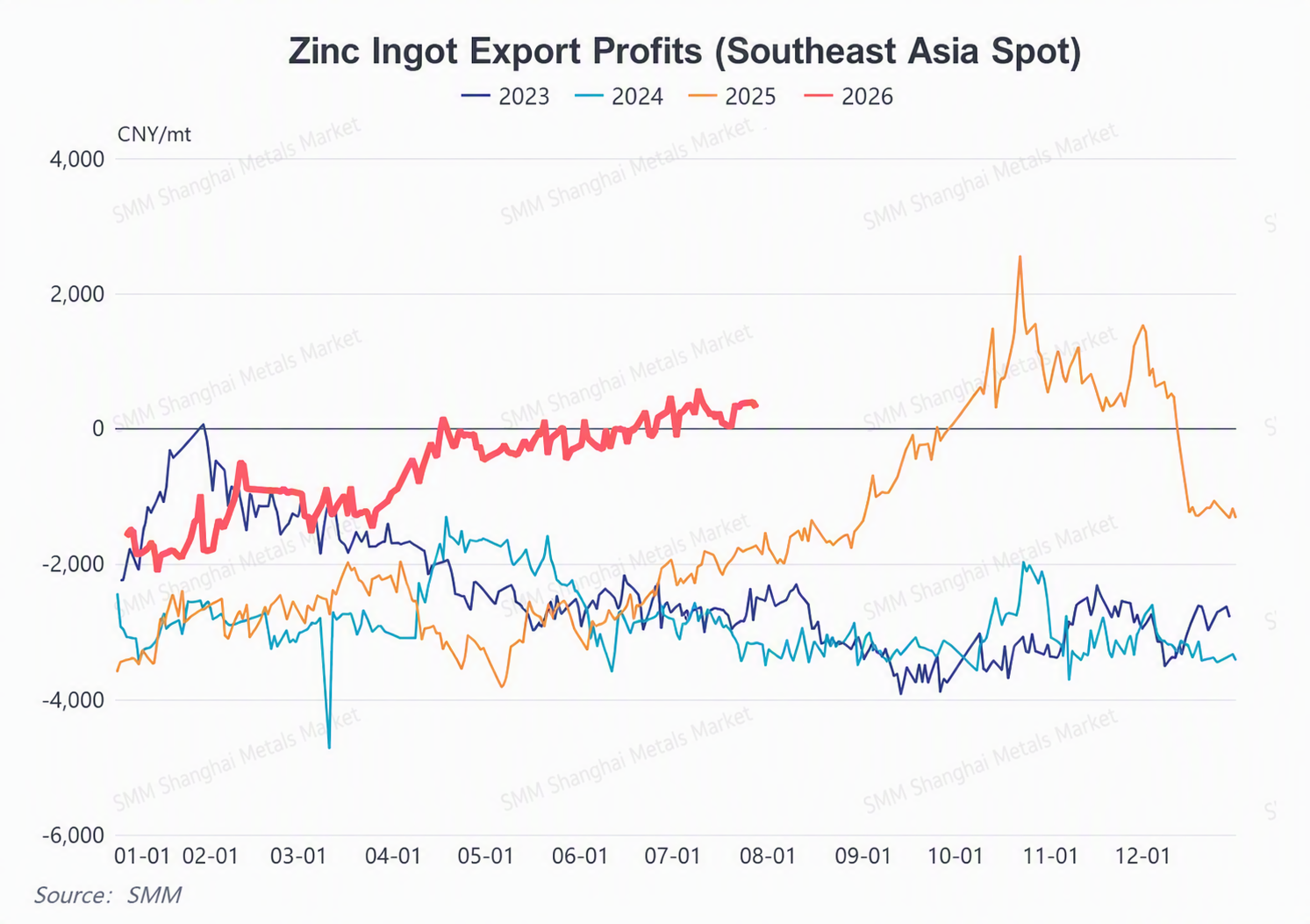
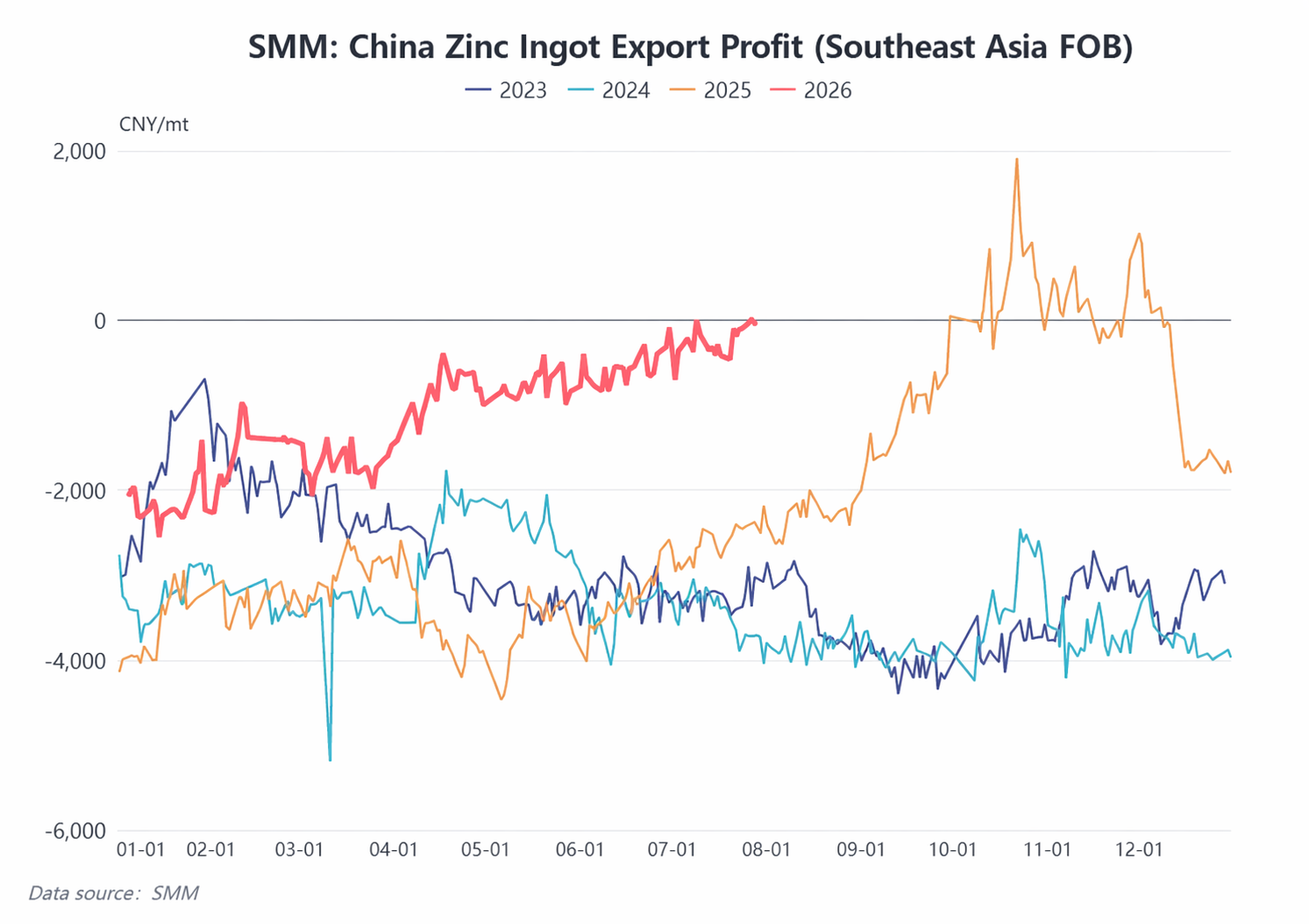
Menurut perhitungan SMM, per 28 Juli, laba teoretis untuk mengekspor seng batangan Tiongkok ke pasar spot Asia Tenggara sekitar 300 yuan/mt; jendela ekspor spot sudah terbuka, dan jalur realisasi pertama reverse arbitrage telah lancar. Pada saat yang sama, didorong oleh perluasan terus-menerus dari struktur backwardation LME, laba teoretis dari pengiriman seng batangan Tiongkok ke gudang LME di Asia Tenggara untuk penyerahan juga mendekati titik impas—di bawah struktur backwardation, harga spot dan kontrak berjangka dekat relatif kokoh; setelah pengiriman ke gudang penyerahan, keuntungan dapat direalisasikan pada bulan terdekat dengan premi yang lebih tinggi, dan jendela penyerahan memasuki ambang pembukaan. Perlu dicatat bahwa ini adalah ketiga kalinya dalam hampir dua dekade jendela ekspor seng batangan Tiongkok terbuka secara bertahap, sebuah peluang langka yang meningkatkan perhatian pasar secara signifikan.
Berdasarkan umpan balik pasar, sejak Juli, sejumlah pemasok domestik mulai aktif mencari peluang ekspor. Saat ini, ekspor terutama mengalir ke pasar spot Asia Tenggara, sementara volume ekspor aktual masih relatif terbatas. Namun, jika struktur backwardation LME semakin melebar dan rasio harga seng SHFE/LME terus melemah, profitabilitas pengiriman ingot seng Tiongkok ke gudang LME untuk penyerahan dapat semakin meningkat. Didorong oleh keuntungan, volume ekspor fisik terkait arbitrase terbalik diperkirakan akan tumbuh signifikan, sementara penyeimbangan kembali pasar domestik dan luar negeri pada gilirannya akan membatasi ruang pelemahan rasio harga.
Tentu saja, strategi arbitrase terbalik bukan tanpa risiko. Jika persediaan di luar Tiongkok pulih dari level rendah, struktur backwardation menyempit, atau konsumsi domestik pulih melampaui ekspektasi, mendorong penguatan relatif seng SHFE, maka rasio harga SHFE/LME dapat mengalami perbaikan, dan posisi arbitrase terbalik akan menghadapi tekanan koreksi. Selain itu, faktor-faktor seperti fluktuasi nilai tukar, siklus logistik ekspor, dan cakupan merek yang dapat diserahkan di LME juga akan memengaruhi realisasi akhir laba ekspor fisik—variabel terkait perlu terus dipantau.
Prospek Pasar
Melihat ke depan ke paruh kedua tahun ini, konsumsi seng Tiongkok diperkirakan masih sulit membaik secara signifikan. Sementara itu, pasar di luar Tiongkok, dengan latar belakang ketatnya pasokan bijih dan pertumbuhan konsumsi di beberapa wilayah, kemungkinan akan terus mengalami pola pasokan spot yang ketat. SMM memperkirakan bahwa pada paruh kedua, rasio harga seng SHFE/LME akan terus diperdagangkan di level rendah, jendela ekspor spot untuk ingot seng Tiongkok kemungkinan akan tetap terbuka secara bertahap, dan di bawah logika arbitrase terbalik, peningkatan ekspor fisik akan mendorong pertumbuhan ekspor ingot seng Tiongkok pada paruh kedua. SMM akan terus memantau tren rasio harga SHFE/LME selanjutnya, perubahan struktur LME, serta realisasi aktual laba ekspor.
(Informasi di atas didasarkan pada pengumpulan data pasar dan penilaian komprehensif oleh tim riset SMM. Informasi yang disediakan dalam artikel ini hanya untuk referensi. Ini bukan merupakan saran investasi langsung, riset, atau pengambilan keputusan. Klien hendaknya mengambil keputusan secara bijaksana dan tidak menggunakannya sebagai pengganti penilaian independen mereka sendiri.)Segala keputusan yang dibuat oleh klien tidak terkait dengan SMM.)

![[Analisis SMM] Ekspor Lembaran Baja Galvanis China Meningkat Tipis pada Juli seiring Pulihnya Pesanan dari Timur Tengah](https://imgqn.smm.cn/usercenter/EMwoI20251217171753.jpg)
![[SMM Flash] Data Impor dan Ekspor Belerang dan Asam Sulfat China untuk Bulan Juli](https://imgqn.smm.cn/usercenter/ZCsFN20251217171710.jpg)