Forecast for Next Week: Ferrous Metals to Continue Moving Sideways in the Short Term
This week, ferrous metals showed an overall slight rebound, with divergence among products: iron ore, HRC, and rebar performed relatively firm, while coke remained weak. Early in the week, dragged by sluggish end-use consumption in the off-season and persistently pressured steel mill profits, futures for various products consolidated on a subdued note. Mid-week, the phased stabilization and rebound in iron ore, HRC, and rebar spot and futures prices were driven by multiple factors including rumors of a BHP worker strike, recurring geopolitical conflicts between the US and Iran, and rising expectations for environmental protection-driven production restrictions in Tangshan. Fundamentally, however, off-season characteristics on the demand side remained evident, with construction progress on real estate and infrastructure projects slowing down, end-user purchase willingness subdued, spot steel prices struggling to catch up, and overall market transactions staying at a mediocre level.
In the short term, environmental protection-driven production restrictions in Tangshan have been initiated since mid- to late July, but their actual impact on blast furnace and rolling line production has been limited so far, with the supply side overall staying high. Demand-wise, persistent rainfall in south China and high temperatures in the north continued to constrain the construction pace. Although end-use demand showed some resilience, the risk of marginal weakening persists. On the raw material side, coke prices have risen continuously of late, significantly narrowing steel mill profits and intensifying resistance sentiment, making a coke price cut more likely next week. Meanwhile, iron ore stayed high amid supply news disruptions, which will further squeeze steel mill profit margins, not ruling out the possibility of some mills scheduling temporary blast furnace maintenance during the environmental restrictions. Phase-based contraction on the supply side will provide some floor support to steel prices.
From a macro perspective, Q2 economic data showed mediocre performance, heating up market expectations for additional pro-growth policies from the Politburo meeting at the month-end, a sentiment that may lend some support to ferrous metals. Overall, ferrous metals are expected to continue moving sideways next week, with iron ore, HRC, and rebar prices holding relatively firmer than coke. Going forward, close attention should be paid to the progress of long-term contract negotiations and potential disruptions from the US-Iran conflict on raw material costs.
Iron Ore: Tight Supply, Weakening Demand, Prices to Move Sideways Next Week
Iron ore futures consolidated on a strong note this week, with the most-traded DCE contract I2609 trending higher and breaking above the 760 yuan/mt mark from Tuesday onward. This week's price rise was mainly driven by news. Looking ahead to next week, Tangshan's environmental protection-driven production restrictions have been implemented since mid- to late July, but their actual impact on blast furnace and rolling line production has been relatively limited to date. If restrictions tighten further next week, some steel mills may schedule temporary blast furnace maintenance, leaving room for hot metal output to decline and keeping iron ore demand under pressure. That said, support remains on the supply and cost sides: SSF port restrictions have yet to ease, keeping low-grade ore circulation tight. Meanwhile, recurring geopolitical conflicts have provided periodic boosts to the cost center.Overall, iron ore prices have limited downside room in the short term and are expected to move sideways.
Coke: Market Sentiment Weakens, Price Cut Expected Next Week
Supply-wise, most coke producers stayed profitable, with output relatively stable, leading to some supply growth. Meanwhile, downstream purchase willingness fell back, gradually building up inventory at some coke producers. Demand-wise, persistently weak finished steel demand and pressured mill profits, coupled with expectations for lower raw material prices, kept mills prudent in coke procurement. For coking coal, continued high-pressure safety inspections still hindered overall capacity release, with the tight supply situation at mining regions showing no marked improvement. Downstream end-use demand remained weak, new orders at mines were insufficient, and the market's fear of heights continued. Recent online auction close prices kept declining, without any improvement in the rate of failed auctions. That said, mines themselves were not under much inventory pressure, so coking coal prices in the short term are expected to stay largely stable.Overall, with market sentiment weakening, the near-term coke market is likely to stay in the doldrums.
Steel Scrap: Dual Weakness in Supply and Demand to Persist, Prices to Continue Narrow-Range Consolidation
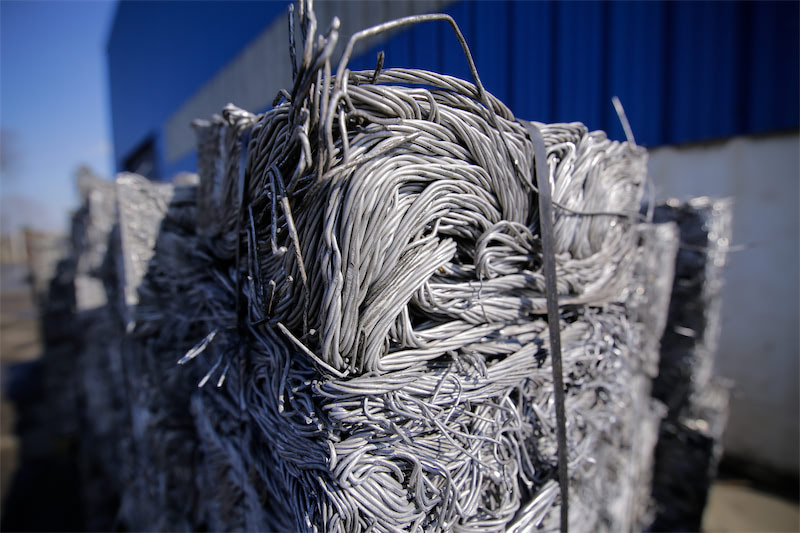
Supply side, concentrated high temperatures and heavy rains nationwide recently kept receipt volumes at recovery bases low, with overall market circulation of resources staying tight. Demand side, end-use steel demand was in the traditional off-season, with finished steel transactions weakening and mill profits under continuous pressure. Overall per-mt steelmaking margins for both blast furnace and EAF mills hovered around the break-even level. Blast furnace mills mostly maintained their current production pace, while EAF mills successively cut operating hours, leading to shrinking scrap demand. Overall, amid the tug of war between tight supply and weak demand,the scrap market in the short term is expected to continue its pattern of narrow-range consolidation on a subdued note.
Rebar: Spot Struggles to Catch Up in Demand Off-Season, Market Continues to Fluctuate on Sentiment
Rebar prices edged higher this week, with the nationwide average price at 3,111 yuan/mt, up 7 yuan/mt from last Friday. Cost side, mill profitability hovered around the break-even line but diverged by region, with east China mill margins continuing to outperform other regions, while north China saw losses of 50-100 yuan/mt. Supply side, earlier blast furnace steel mills had successively arranged output cuts or maintenance plans, but some mills resumed wire rod production as planned this week, slightly lifting output. EAF steel mills, facing difficulty sourcing scrap coupled with deepening margin losses, saw some producers cut operating hours, with chances of further cuts in the short term. Demand side, heavy rainfall in the north recently suspended operations at some construction sites, leading to relatively weak demand; but after typhoon weather in the south, some project-based and speculative demand was released during the price rise phase, though nationwide overall demand remained mediocre. Inventories, both mill and social inventories grew this week, but the pace of inventory buildup slowed markedly. Looking ahead, with production pressure easing, overall inventories are expected to see a phased destocking. Going forward, a marked supply-demand imbalance means insufficient internal driving force to support stronger spot prices, and the market will continue to be pushed by macro sentiment and raw material trends. But considering the off-season demand phase, actual room for spot price hikes is limited,so spot prices are expected to continue moving sideways next week.
HRC: Cost Disruptions and Off-Season Pressure, Prices to Consolidate
HRC prices strengthened this week compared to the previous week, with overall transactions improving. Supply side, the impact from rolling line maintenance increased WoW, leading to lower overall HRC production. Demand side, apparent demand declined WoW this week. On inventories, total HRC inventory rose 30,000 mt WoW, and mill inventory rose 39,400 mt WoW, but social inventory destocked. According to SMM statistics, HRC social inventory across 86 warehouses nationwide (large sample) stood at 4.333 million mt, down 9,400 mt MoM, or down 0.22% MoM, up 44.35% on a YoY basis. By region, the northeast market saw relatively large inventory buildup, while central and southern regions saw narrow destocking. Cost side, the fermenting news of a BHP worker strike strengthened iron ore prices, providing firmer cost support to HRC. Going forward, iron ore prices are expected to fluctuate at highs on news disruption, but SMM's estimated decline in hot metal output in late July will pressure ore prices. Meanwhile, expectations for a coke price cut persist, leaving cost support mediocre. Fundamentally, HRC remains under the off-season shadow, with supply-demand imbalances accumulating and capping price upside room,so HRC prices are expected to fluctuate following cost trends. The most-traded HRC contract will move in the 3,280-3,350 range next week.
1. For the data involved in the report, please visit the SMM database (
2. For SMM steel information, analysis reports, databases, and more, please contact Li Ping at SMM Steel Division 021-51595782
*The views in this report are based on information gathered from the market and a comprehensive assessment by the SMM research team. The information provided herein is for reference only, and risks are borne by the user. This report does not constitute direct investment research advice. Clients should make prudent decisions and not substitute this report for independent judgment. Any decisions made by clients are not affiliated with SMM. Additionally, SMM is not liable for related losses or liabilities arising from unauthorized or illegal use of the views in this report.
Shanghai Metals Market reserves the right to modify and the final interpretation of the terms of this statement.
![[SMM Steel] India Domestic Steel Prices Decline on Slower Demand](https://imgqn.smm.cn/usercenter/fthxW20251217171749.jpg)
![[SMM Steel] Indian HRC Export Activity Remains Slow; Imported Scrap Holds Firm](https://imgqn.smm.cn/usercenter/hjxVk20251217171750.jpg)