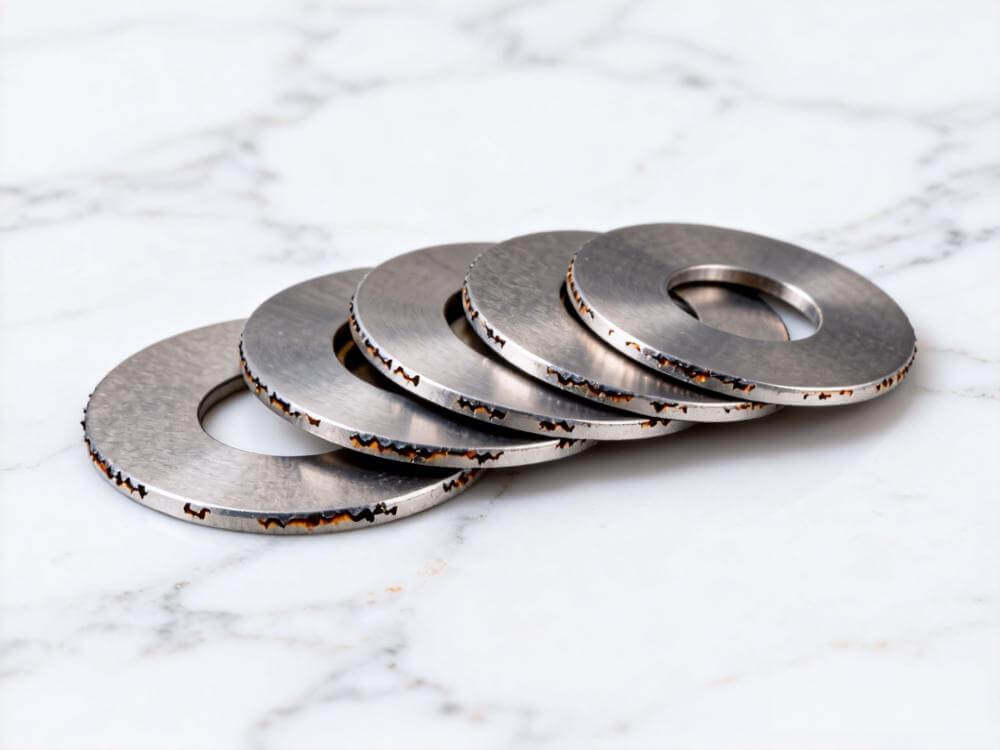
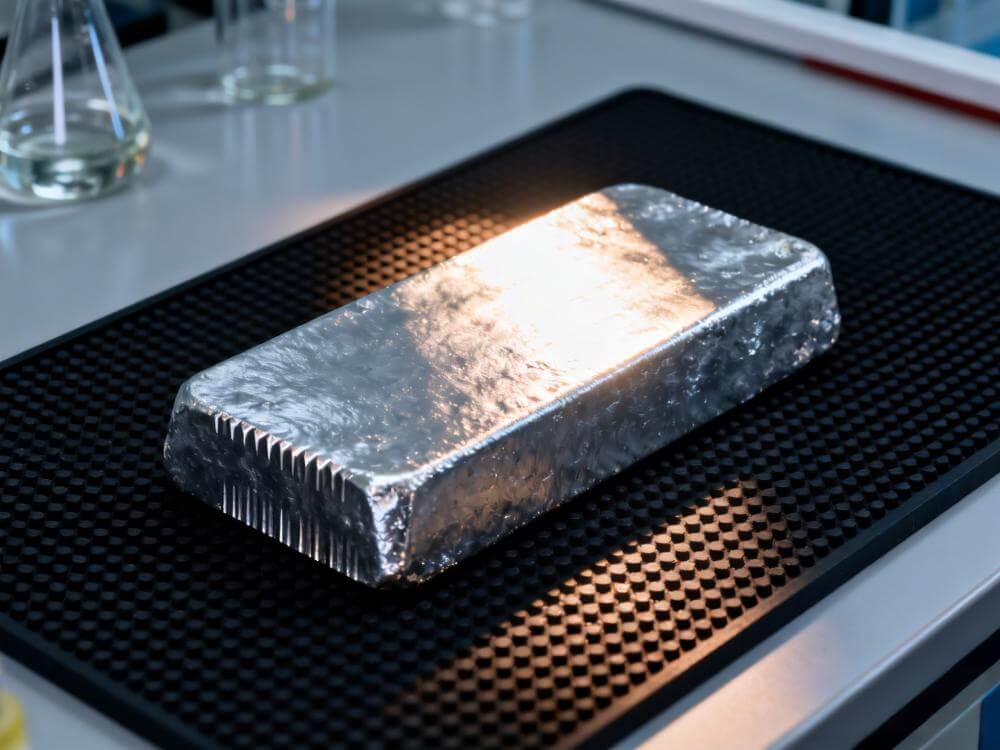
Harga spot mangan elektrolitik domestik menunjukkan tren bertahap yang jelas pada paruh pertama 2026: pertama-tama melonjak naik, kemudian mundur di tengah intensifikasi permainan beli-jual, lalu memantul dan stabil didukung oleh pemangkasan produksi terkoordinasi. Pusat harga tetap tinggi sepanjang periode, terutama didorong oleh biaya asam sulfat yang tinggi dan regulasi industri bersama.
1. Tinjauan Harga: Didorong Naik oleh Biaya Awal Tahun, Dikoreksi oleh Ketegangan Pasokan-Permintaan, Distabilkan melalui Pemangkasan Produksi
Sejumlah faktor bullish mendorong harga mangan elektrolitik naik pada awal tahun. Harga asam sulfat yang tinggi dan kontrol konsumsi energi yang lebih ketat meningkatkan biaya peleburan keseluruhan, sehingga produsen enggan menjual dengan diskon besar. Produsen besar memiliki pesanan jangka panjang yang cukup dengan jadwal pengiriman stabil dan persediaan rendah, memberi mereka motivasi kuat untuk menopang harga. Didorong oleh faktor-faktor ini, harga spot mencapai puncak 18.500 yuan/ton di H1.
Setelah mencapai level tertinggi, konflik pasar meningkat dan harga turun tipis. Biaya bahan baku yang tetap tinggi membebani pabrik baja hilir, yang secara aktif menekan harga beli lebih rendah. Perdagangan spot mendingin, dan penjual menawarkan diskon untuk pesanan ritel dalam jumlah besar. Saat musim sepi berlarut-larut, aliansi industri meluncurkan pemangkasan produksi terpadu dan langkah-langkah dukungan harga, dengan pabrik peleburan kecil dan menengah memangkas tingkat operasi untuk mengurangi pasokan pasar. Harga sedikit pulih, dan transaksi spot utama menetap di kisaran 17.800–18.000 yuan/ton pada akhir Juni.
2. Fundamental Pasokan-Permintaan: Permintaan Tertekan oleh Substitusi; Pemangkasan Produksi yang Ditargetkan Meringankan Kelebihan Pasokan
Pasar tetap surplus sepanjang H1 dengan pertumbuhan permintaan berkelanjutan yang terbatas. Menghadapi mangan elektrolitik yang mahal, pabrik baja nirkarat meningkatkan proporsi paduan mangan sebagai substitusi yang lebih murah, menekan permintaan keseluruhan.
Untuk mengimbangi permintaan musiman yang lemah dan mengurangi persediaan, industri meluncurkan kampanye pengurangan produksi mulai Mei, terutama di kalangan produsen kecil-menengah yang kurang kompetitif. Pabrik besar terintegrasi mempertahankan output stabil berkat pesanan jangka panjang yang memadai. Pasokan yang terkendali secara efektif meredakan penumpukan persediaan dan mencegah penurunan harga berkepanjangan.
3. Penopang Harga Inti: Biaya Asam Tinggi dan Koordinasi Industri yang Matang
Harga asam sulfat yang terus tinggi membentuk batas bawah biaya yang kaku, menyisakan sedikit ruang bagi produsen untuk memangkas harga tajam meskipun ada tekanan tawar-menawar dari hilir.
Selain itu, mekanisme aliansi industri yang sudah mapan menstabilkan sentimen pasar. Ketika risiko penurunan harga muncul, para peserta segera menyepakati pembatasan produksi yang disinkronkan untuk mengecilkan pasokan beredar, memperlancar volatilitas jangka pendek dan menghindari penurunan harga drastis.
4. Prospek H2 2026: Permintaan Musiman Akan Mendorong Harga, Kenaikan Terbatas oleh Berbagai Hambatan
Di sisi permintaan, pesanan jangka panjang yang ada akan mempertahankan pembelian stabil. Q3 menandai musim penyetokan tradisional untuk baja nirkarat dan bahan baku baterai litium, membawa lonjakan pembelian periodik. Di sisi pasokan, aliansi industri diperkirakan akan menerapkan pemangkasan produksi yang lebih dalam, memperketat pasokan spot dan memberikan dukungan harga.
Namun demikian, kenaikan harga drastis tidak mungkin terjadi di tengah keseimbangan pasokan-permintaan yang masih longgar. Tiongkok memiliki basis kapasitas produksi efektif yang besar; pemangkasan output sementara tidak dapat mempertahankan kekurangan pasokan jangka panjang. Selain itu, harga bijih mangan dan asam sulfat diperkirakan akan melunak pada akhir tahun ini, melemahkan dukungan dari sisi biaya. Secara keseluruhan, harga mangan elektrolitik akan berfluktuasi dengan momentum kenaikan ringan di H2, dengan pusat harga setahun penuh di atas H1, tanpa kenaikan tajam satu arah.
![Lonjakan Batu Bara Memicu Pasar Magnesium, Konsolidasi Dua Bulan Akhirnya Terpecah, Pemangkasan Produksi dan Pengurangan Stok Menandakan Reli Berikutnya [Analisis SMM]](https://imgqn.smm.cn/usercenter/mLwgx20251217171723.jpeg)