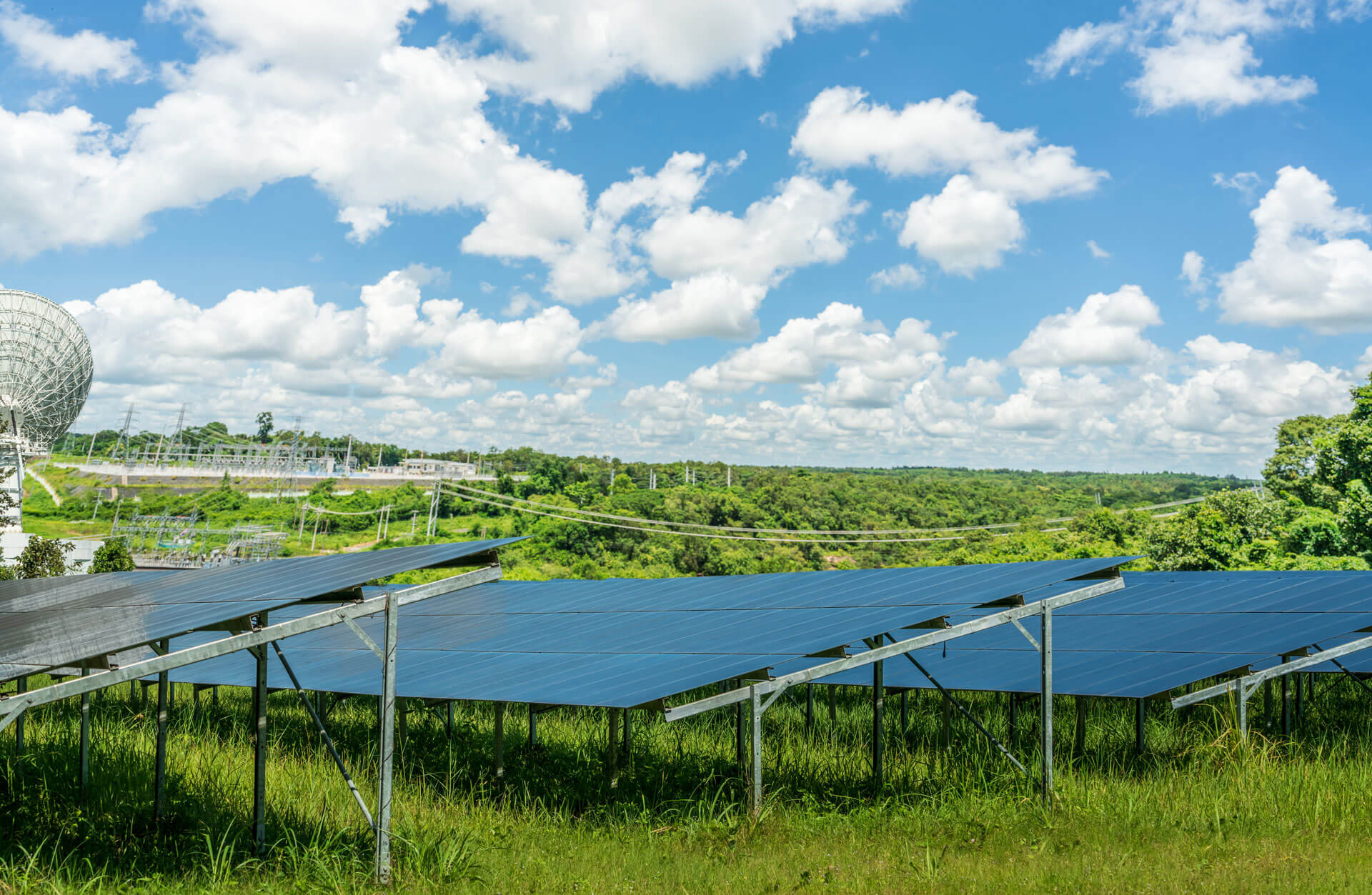
Shanghai Metals Market (SMM) is thrilled to announce that our flagship event 2026 SMM Germany Solar & Energy Storage Forum was successfully held at the Hotel Novotel Muenchen Messe, Munich, Germany on June 23! Focused on the front-line European PV+ESS market, the forum brought together high-ranking executives and veteran industry experts from the global new energy industry chain, serving as a professional platform for in-depth China-Europe PV+ESS industry collaboration and dialogue.
Opening Remarks
From PV Boom to Storage-Driven Power Markets in Europe
Guest Speaker: Liao Yu, Power Operation Center General Manager, LONGi Green Energy 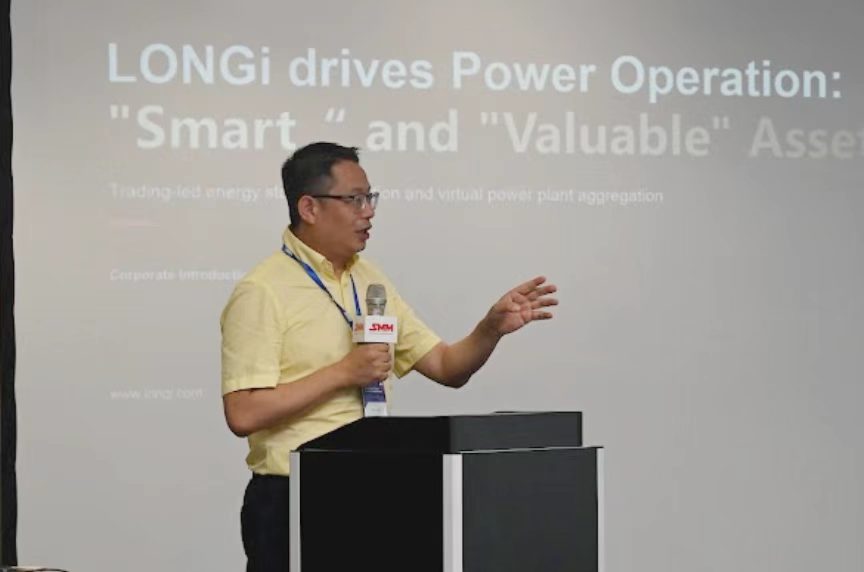
Drawing on the real landscape of Europe's energy transition, Mr. Liao systematically addressed four major industry topics:
- Analyzing the market dynamics behind the surge in PV capacity and frequent negative electricity prices;
- Reviewing new energy storage policies in key countries such as Germany and the UK, including Germany's energy storage strategy, the UK's capacity market reform, and new grid connection queue regulations;
- Comparing subsidy incentives and self-consumption revenue models for commercial & industrial and residential ESS across different countries;
- Examining the current European regulatory framework and its profound implications for the global expansion of China's PV+ESS industry chain.
He noted that the industry's logic has fundamentally shifted: PV is no longer just about module manufacturing, nor is it limited to PV + energy storage hardware sales. What we are discussing is not only about cost reduction and efficiency gains in hardware, but also about how to leverage energy storage to enhance generation asset returns, control operation and maintenance costs, and optimize enterprise-wide energy asset life cycle management.
Keynote Speech: How China’s Export Tax Policy and Raw Material Volatility Affect PV and Battery Pricing?
Guest Speaker: Ryan Tzy Tze Yang, PV Modules and End Use Market Analyst, SMM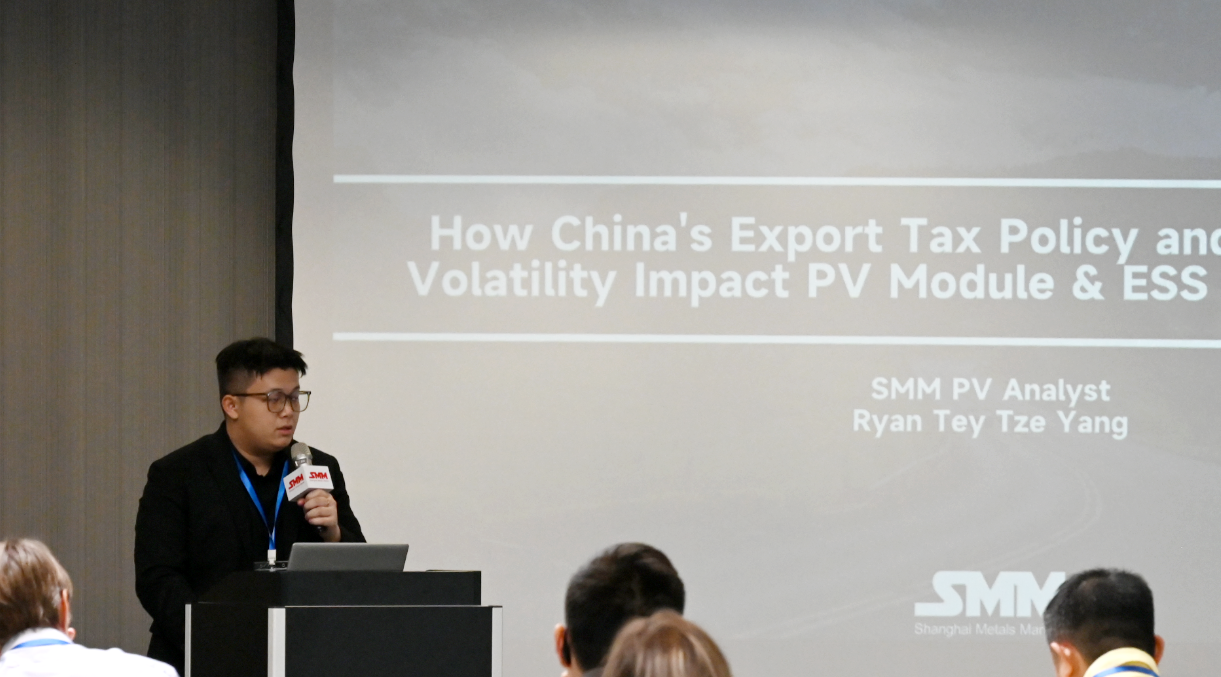
Ryan pointed out that, hit by the dual cost shock from the cancellation of export tax rebates and raw material price fluctuations, module export quotations rose to around $0.12/W in January. Higher costs are prompting overseas clients to prioritize high-end technology pathways, accelerating the industry’s product mix shift toward high-efficiency modules. Additionally, polysilicon and silver account for a significant share of cell manufacturing costs, and their price movements remain the core variables driving cell cost fluctuations.
Global PV installations entered a period of adjustment in 2026: constrained by grid integration bottlenecks across major regions and tightening policies in multiple countries, new PV installations worldwide are expected to temporarily decline to 435 GW in 2026. Amid this deep adjustment cycle driven by infrastructure and policy constraints, the structure of end-use applications is expected to show resilience, with utility-scale projects maintaining a stable share of approximately 56%.
Panel Discussion: EU Solar Projects and China’s PV Supply Chain – Opportunities and Challenges
Moderator: Cleo Zhou, Overseas Business Development Manager, SMM
Panelists:
Ksenia Dray, Global Solar Supply Chain Leader, Res Group
Pierre-Louis Raust, Head of Design and EPC Procurement, Power Capital Renewable Energy
Allen Xu, Deputy General Manager, Global Marketing, Gokin Solar Co., Ltd.
Huang Gengwen, Executive Dean, Module Department, Crystalline Silicon Research Institute
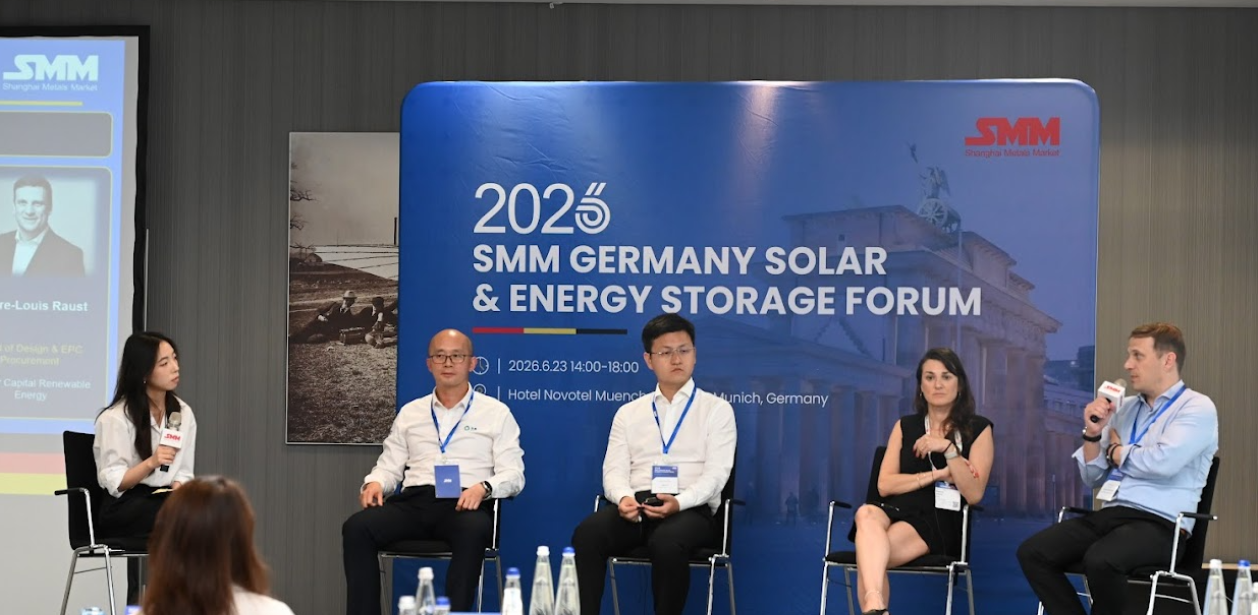
The guests noted that the lengthy construction cycle of Europe’s local PV industry chain, wild swings in energy and raw material costs, protracted project approval and grid connection processes, local manufacturing policies that inflate supply chain layout costs, differences in technology roadmap choices and compliance standards between European and Asian industrial systems, the lack of end-user control over upstream resource prices, coupled with capacity diversion by emerging markets, are the main obstacles hindering China-EU cooperation in advancing EU PV projects.
In terms of opportunities, the China-EU PV industry is highly complementary, with China offering mature capacity, complete system solutions, cost hedging tools, localized production line support, and mass production cost reduction capabilities, while Europe provides cutting-edge innovative technologies; this division of labor can jointly achieve Europe’s PV goals. Meanwhile, new technologies, customized solutions, and hedging instruments can mitigate Europe’s challenges with costs and project implementation timelines.
Keynote Speech: How Technology Choices Shape BESS Economics
Guest Speaker: Michael Strobel, Business Director Europe, Great Power
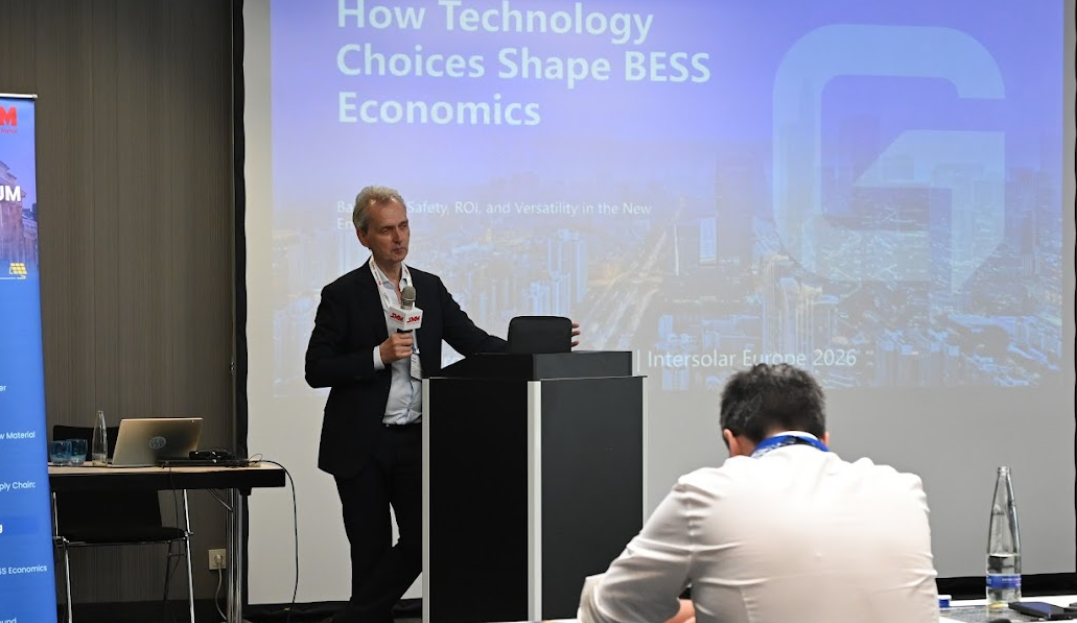
Three Core Dimensions of BESS Economics
Safety Value: Safeguard asset security and ensure business continuity and stable operation;
Investment Return: Enhance life cycle return rates and reduce the levelized cost of energy storage;
O&M Management: Ensure reliable equipment operation and cut full-cycle O&M expenses.
High Safety Is the Core Principle of BESS
Battery Cell: Use of high-quality LFP battery cells; advanced aerogel insulation technology to block thermal propagation; certified to GB, UL, IEC, UN, MSDS, and RoHS standards.
Battery Pack: Battery Pack: Aerogel insulation layers block thermal propagation between battery cells. Fuse protection circuits reduce short-circuit risks; Battery Cluster: multi-level (fuses/contactors/disconnect switches) protection; Comprehensive Protection: overcharge/overdischarge/short-circuit protection.
Panel Discussion: BESS Project Development in Europe: Grid, Permits, and Reality on the Ground
Moderator: Liao Yu, Power Operation Center General Manager, LONGi Green Energy
Panelists:
Jan Fousek, CEO, Czech Energy Storage Association
Gery Bonduelle, Chief of Business Development, Verkor
Antonio Montoto, Head of Storage, Greenvolt Power
Joanne Xu, Overseas Business Development Manager, SMM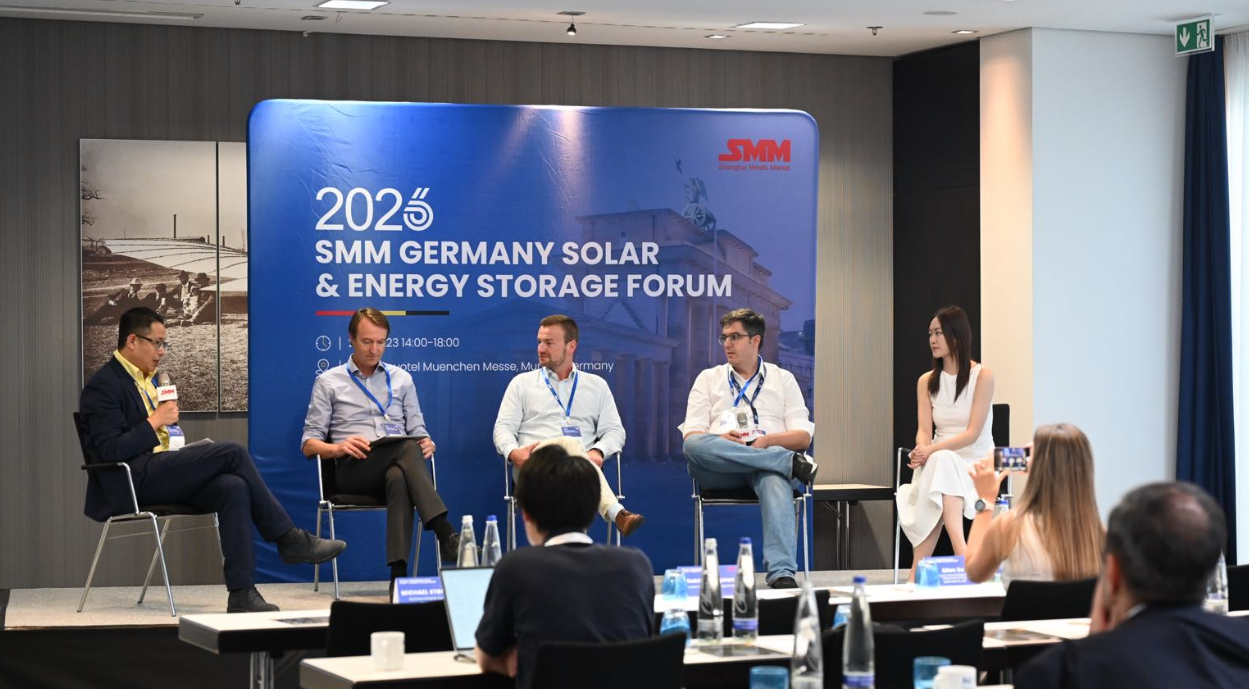
The guests noted that, at the grid level, energy storage demand across European countries far exceeds the existing grid capacity. While the responsibilities of TSOs and DSOs are clearly defined, grid operators lack sufficient resources and face approval delays, and foreign investment access is restricted with local content requirements. Policies vary widely across countries; Germany adopts a first-come, first-served mechanism for grid connection quotas, leading to clear regional market differentiation. Moreover, the permitting and implementation stage is fraught with obstacles. Large-scale centralized grid connections bring equipment compatibility and logistics challenges, such as the transportation of large-capacity storage containers. Geopolitical shifts, policy changes, and ongoing fluctuations in raw material and electricity prices constantly erode project returns. The core Central European market is fragmented across multiple countries. As a 10- to 20-year long-term investment, simply chasing low-cost equipment is not advisable. At the same time, future additional electricity loads will further strain the existing grid capacity.
In response to these pain points, the speakers also proposed practical solutions: on the one hand, establish an industry association to interface with power grid operators in a unified manner, conduct pre-review of project documentation in advance, and streamline the review process; on the other hand, coordinate multiple parties including EPC contractors, the power grid, equipment suppliers, and financial institutions. For development outside China, rely on local partners to leverage the complementary strengths of the China–Europe industrial ecosystem. Enterprises can also effectively reduce risks by completing end-to-end preparations in advance, establishing a pre-operations and maintenance system, and implementing compliance support in phases. In the long run, grid connection approvals, delays in power grid capacity expansion, and price fluctuations remain the industry’s core challenges. However, the energy storage track offers ample investment opportunities; supported by integrated system solutions, new technology iterations, and industry collaboration, deployment challenges can be gradually alleviated. Meanwhile, the speakers also expect the market to see more high-quality standalone energy storage projects with sustainable and stable operations.
That's the end of our 2026 SMM Germany Solar & Energy Storage Forum. Thank you for the support of all industry peers.
See you next year!
![[SMM PV News] Third Section First Candidate Leads Industry, TCL Zhonghuan Shortlisted for Guangdong Energy Group's 2026 Centralized PV Module Tender Procurement](https://imgqn.smm.cn/usercenter/eUzyF20251217171739.jpg)
![[SMM PV News] Focusing on Key Projects | ESS Power Station “Two Launches in One Day”](https://imgqn.smm.cn/usercenter/SoBNj20251217171739.jpg)
![[SMM PV News] Gokin Solar Scenario Solutions Debut at ASEW 2026, Promoting Sustainable Energy Innovation Through Partnership](https://imgqn.smm.cn/usercenter/Pjwqt20251217171738.jpg)