Vào ngày 30 tháng 6 năm 2026, Cục Năng lượng Quốc gia đã ban hành Hướng dẫn phân loại và phân cấp dữ liệu ngành năng lượng (Phiên bản 2026), theo đó năng lượng hydro chính thức được phân loại là danh mục dữ liệu năng lượng cấp một, ngang hàng với các nhiên liệu hóa thạch truyền thống như than, dầu thô và khí tự nhiên. Điều này đánh dấu sự kết thúc giai đoạn trình diễn đơn lẻ của ngành hydro trong nước và bước vào chu kỳ phát triển toàn diện với các hệ thống quy mô lớn, tiêu chuẩn hóa. Sự điều chỉnh hệ thống dữ liệu cấp cao nhất này định hình lại vị thế chiến lược quốc gia của năng lượng hydro, và bằng cách tận dụng khung quản lý dữ liệu thống nhất để liên kết toàn bộ chuỗi giảm chi phí hydro xanh, cơ sở hạ tầng lưu trữ và vận chuyển, và các ứng dụng đa dạng, ngành này dự kiến sẽ bước vào một chu kỳ mở rộng mới.
I. Lặp lại chính sách: Vị thế chiến lược của năng lượng hydro đạt được bước nhảy vọt về cấp bậc
(A) Cơ sở cốt lõi cho việc ban hành văn bản
Hướng dẫn này đóng vai trò là quy tắc chi tiết hỗ trợ cho việc thực thi Luật An ninh Dữ liệu và Biện pháp Hành chính về An ninh Dữ liệu Ngành Năng lượng (Thí điểm), phân định tổng cộng 12 danh mục dữ liệu năng lượng cấp một, bao gồm than, dầu khí, và năng lượng hydro. Lần đầu tiên, năng lượng hydro được đưa vào chuỗi dữ liệu năng lượng cơ bản, tích hợp ngành năng lượng hydro vào hệ thống quản lý an ninh năng lượng quốc gia thống nhất.
(B) Quỹ đạo tiến hóa chính sách
Năm 2022, Kế hoạch Trung và Dài hạn Phát triển Ngành Năng lượng Hydro (2021-2035) lần đầu tiên khẳng định về mặt pháp lý thuộc tính năng lượng của hydro, đặt mục tiêu ứng dụng thương mại đa dạng vào năm 2035. Với việc thực hiện văn bản phân loại dữ liệu năm 2026 này, năng lượng hydro đã hoàn tất quá trình chuyển đổi danh tính từ "ngành trình diễn thí điểm" thành "danh mục năng lượng cơ bản quốc gia". Sự phát triển ngành đã chuyển từ dựa hoàn toàn vào trợ cấp chính sách sang giai đoạn mới, nơi hướng dẫn chính sách, xác nhận kịch bản và vận hành thị trường song hành.
(C) Ba logic hỗ trợ của chiến lược cấp cao nhất
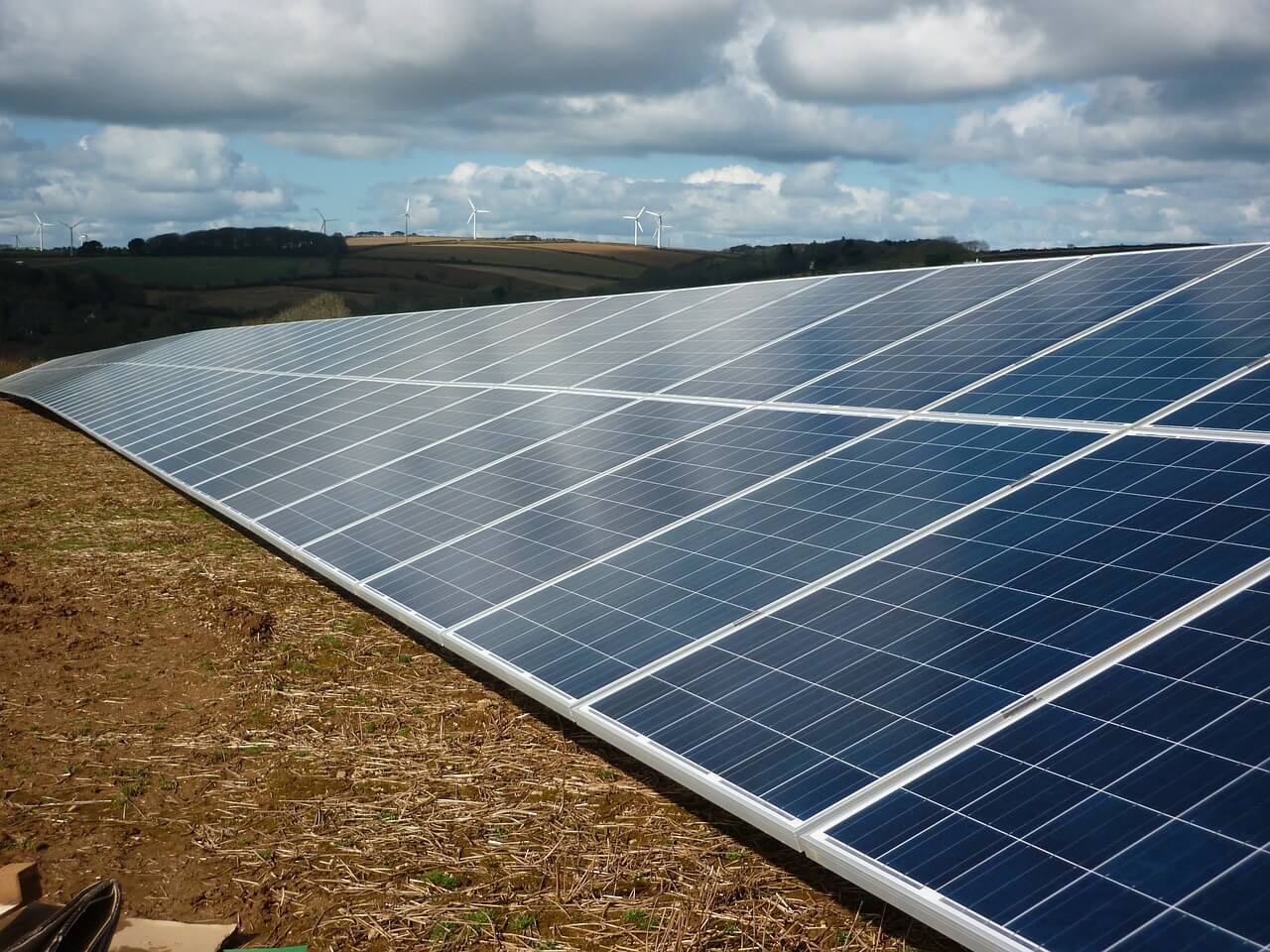
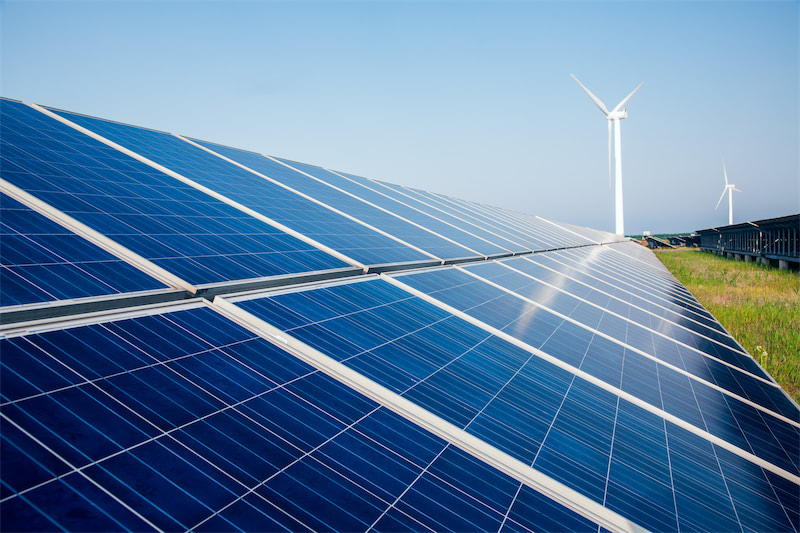
An ninh Năng lượng: Xung đột địa chính trị toàn cầu làm tăng biến động nhập khẩu dầu khí. Năm 2025, sự phụ thuộc của Trung Quốc vào dầu thô nước ngoài là 72,3% và khí tự nhiên nước ngoài là 43,8%. Năng lượng hydro, sản xuất từ các nguồn tái tạo như gió, mặt trời và thủy điện, có thể giảm đáng kể sự phụ thuộc vào năng lượng hóa thạch nhập khẩu đồng thời đáp ứng các mục tiêu đạt đỉnh carbon và trung hòa carbon.
Điều chỉnh mất cân đối cung-cầu trong nước: Năm 2024, tổng sản lượng hydro của Trung Quốc đạt 37,28 triệu tấn, vững chắc giữ vị trí số một thế giới. Công suất hydro xanh theo kế hoạch trong nước chiếm 52% tổng công suất hydro xanh theo kế hoạch toàn cầu, nhưng tỷ lệ vận hành trung bình hàng năm của các cơ sở hydro xanh đã đi vào hoạt động chỉ đạt 23,6%, với công suất máy điện phân đáng kể vẫn ở trạng thái nhàn rỗi. Tiêu chuẩn dữ liệu thống nhất sẽ buộc ngành chuyển từ mở rộng mù quáng năng lực sản xuất hydro sang phát triển theo nhu cầu, định hướng kết nối các kịch bản tiêu thụ hạ nguồn.
Đột phá trong cạnh tranh hydro toàn cầu: EU sẽ thực thi Đạo luật Chiến lược Hydro vào năm 2026, và Mỹ phân bổ hơn 9 tỷ USD trợ cấp hàng năm cho ngành hydro. Châu Âu và Hoa Kỳ đang đẩy nhanh nỗ lực giành quyền định hình tiêu chuẩn và thương mại hydro. Bằng cách hoàn thiện hệ thống tiêu chuẩn trong nước thông qua quản lý phân loại dữ liệu năng lượng hydro, Trung Quốc đặt mục tiêu khắc phục các điểm yếu về số hóa công nghiệp và nâng cao năng lực cạnh tranh quốc tế của các dự án năng lượng hydro và xuất khẩu thiết bị.
II. Giá trị trao quyền công nghiệp của Hệ thống phân loại dữ liệu hydro cấp một
(A) Thiết lập ranh giới cho tuân thủ và bảo mật dữ liệu toàn chuỗi
Hướng dẫn phân loại thống nhất tất cả dữ liệu năng lượng thành ba cấp kiểm soát: chung, quan trọng và cốt lõi, bao quát toàn bộ quá trình sản xuất, lưu trữ, vận chuyển, nạp nhiên liệu và sử dụng hydro. Hướng dẫn quy định các nguyên tắc kiểm soát bắt buộc: Dữ liệu cơ sở hạ tầng địa lý của trạm nạp hydro, cơ sở sản xuất hydro và mạng lưới đường ống có độ chính xác tọa độ ≤100 mét được phân loại là dữ liệu quan trọng, với giới hạn nghiêm ngặt về tiết lộ ra bên ngoài. Các lệnh điều khiển vận hành thời gian thực cho các tổ máy sản xuất hydro bằng điện phân nước và dữ liệu cảm biến từ thiết bị lưu trữ và vận chuyển áp suất cao được phân loại là dữ liệu cốt lõi, cấm truyền ra bên ngoài mà không mã hóa. Dữ liệu phụ tải điện từ các nhà máy năng lượng mới tích hợp điện gió và mặt trời hỗ trợ sản xuất hydro điện phân được bảo vệ theo sơ đồ phân cấp, với dữ liệu tiêu thụ điện từ các dự án hydro điện xanh cấp đặc biệt thực hiện các tiêu chuẩn bảo vệ cao nhất. Tất cả các doanh nghiệp được yêu cầu thiết lập sổ cái dữ liệu toàn bộ vòng đời, bắt buộc sử dụng công nghệ mã hóa thương mại và đồng thời triển khai các yêu cầu bảo vệ của Bảo vệ phân loại an ninh mạng 2.0 và cơ sở hạ tầng thông tin quan trọng, nhằm ngăn chặn các rủi ro như rò rỉ dữ liệu giám sát từ các nhà máy hóa chất than và hydro hoặc tấn công mạng vào hệ thống điều khiển công nghiệp.
(B) Khôi phục niềm tin đầu tư ngành và giảm bất định trong phát triển định hướng thị trường
Đến cuối năm 2025, tổng cộng 627 dự án hydro điện phân nước sử dụng năng lượng gió và mặt trời đã được đăng ký trên toàn quốc, với tổng vốn đầu tư theo kế hoạch vượt quá 860 tỷ nhân dân tệ. Tuy nhiên, chỉ có 148 dự án thực sự khởi công, đạt tỷ lệ khởi công toàn diện 23,6%. Nút thắt cốt lõi khiến đầu tư ngành trì trệ là thiếu một phạm vi thống kê, phương pháp hạch toán chi phí và tiêu chuẩn giám sát vận hành thống nhất cho năng lượng hydro, khiến dòng vốn vẫn đứng ngoài cuộc trong dài hạn.
Chính sách này cải thiện môi trường đầu tư ở ba khía cạnh: Cục Năng lượng Quốc gia đồng thời công bố các quy chuẩn thống kê dữ liệu năng lượng hydro thống nhất, loại bỏ nhu cầu doanh nghiệp phải tự xây dựng hệ thống dữ liệu khác biệt và giảm chi phí tuân thủ số hóa cho mỗi dự án từ 30% đến 45%. Chính sách cũng liên kết với 19 dự thảo tiêu chuẩn hydro quốc gia hiện đang lấy ý kiến công chúng, đạt được sự thống nhất hai chiều giữa tiêu chuẩn dữ liệu với tiêu chuẩn thiết bị, lưu trữ và vận chuyển, và nạp nhiên liệu, qua đó nâng cao sự công nhận xuất khẩu đối với máy điện phân và bình chứa hydro sản xuất trong nước. Dữ liệu chuẩn hóa cung cấp cho các tổ chức tài chính cơ sở thống nhất để ước tính chi phí và đánh giá doanh thu dự án, giảm đáng kể rủi ro đầu tư phát sinh từ thay đổi chính sách.
Các chính sách hỗ trợ đồng thời thắt chặt đánh giá ngành: Vào tháng 4 năm 2026, Cục Năng lượng Quốc gia đã làm rõ cơ chế đào thải động đối với chín khu vực thí điểm hydro trọng điểm. Các dự án được đánh giá hàng tháng về khả năng kinh tế dựa trên dữ liệu vận hành sau khi đi vào hoạt động; những dự án không có mô hình lợi nhuận ổn định trong sáu tháng liên tục sẽ bị rút trực tiếp, đánh dấu sự rời bỏ hoàn toàn của ngành khỏi thời kỳ trợ cấp tràn lan.
(III) Tạo điều kiện tương tác dữ liệu xuyên suốt chuỗi ngành để tận dụng công suất hydro nhàn rỗi
Hướng dẫn phân loại danh mục dữ liệu hydro cấp hai, bao gồm bảy phân đoạn: quy hoạch, xây dựng kỹ thuật, sản xuất hydro, lưu trữ và vận chuyển bằng xe đầu kéo chở ống, nạp hydro, tiêu thụ giao thông/công nghiệp và nghiên cứu phát triển công nghệ, từ đó thiết lập khuôn khổ cho khả năng tương tác dữ liệu trên toàn bộ chuỗi ngành. Thực tiễn điểm chuẩn: Rongcheng New Energy đã xây dựng hệ thống đầu tiên của Trung Quốc về vốn hóa tài sản dữ liệu toàn bộ chuỗi ngành hydro. Nền tảng dữ liệu lớn hydro của họ tổng hợp dữ liệu từ tất cả các chiều bao gồm các tổ máy sản xuất hydro, xe đầu kéo chở ống, trạm nạp hydro, vận hành xe tải nặng và bảo trì thiết bị, tích lũy tổng cộng 21,08 tỷ mục dữ liệu vận hành thời gian thực. Nhờ tận dụng sức mạnh tổng hợp dữ liệu xuyên phân đoạn, doanh nghiệp đã giảm tổng chi phí sản xuất, lưu trữ và vận chuyển hydro xuống 12,7% và hạ tỷ lệ nhàn rỗi thiết bị xuống 18%. Trong khi đó, chính sách yêu cầu các doanh nghiệp nắm giữ dữ liệu hydro quan trọng hoặc cốt lõi phải trải qua ít nhất một lần đánh giá rủi ro an ninh mỗi năm. Việc chuyển giao dữ liệu xuyên biên giới về công nghệ và năng lực hydro, cũng như luồng dữ liệu xuyên doanh nghiệp, phải được tiến hành đánh giá rủi ro chuyên biệt trước. Điều này không chỉ kiểm soát an ninh dữ liệu xuyên biên giới mà còn vạch ra lộ trình tuân thủ rõ ràng cho hợp tác dự án hydro của các doanh nghiệp trong nước bên ngoài Trung Quốc, tạo thuận lợi cho xuất khẩu thiết bị hydro xanh và quy trình sản xuất hydro hoàn chỉnh.
III. Kết luận
Nâng hydro lên thành danh mục dữ liệu năng lượng cấp một là một động thái chính sách mang tính bước ngoặt, đưa hydro vào quản lý của hệ thống năng lượng cơ bản. Một mặt, thông qua kiểm soát an ninh dữ liệu ba cấp, chính sách lấp đầy khoảng trống trong quy định kỹ thuật số đối với hydro và giảm thiểu rủi ro an ninh mạng trong ngành. Mặt khác, chính sách thống nhất các tiêu chuẩn ngành về số liệu thống kê, vận hành và chi phí, giảm bớt ba điểm đau cốt lõi: công suất hydro xanh nhàn rỗi, tâm lý chờ đợi của nhà đầu tư và sự phân mảnh của chuỗi ngành. Trong bối cảnh cạnh tranh hydro toàn cầu ngày càng gay gắt và các mục tiêu kép của Trung Quốc về an ninh cung cấp năng lượng và giảm phát thải carbon, việc tiêu chuẩn hóa dữ liệu sẽ đẩy nhanh việc triển khai quy mô lớn hydro xanh, bố trí toàn diện mạng lưới đường ống lưu trữ và vận chuyển, đồng thời thúc đẩy hydro từ một lộ trình trình diễn ngách trở thành ngành công nghiệp mới nổi cốt lõi hỗ trợ quá trình chuyển đổi năng lượng của Trung Quốc và tham gia vào cạnh tranh năng lượng toàn cầu.