Новости SMM от 2 июля:
Рынки металлов:
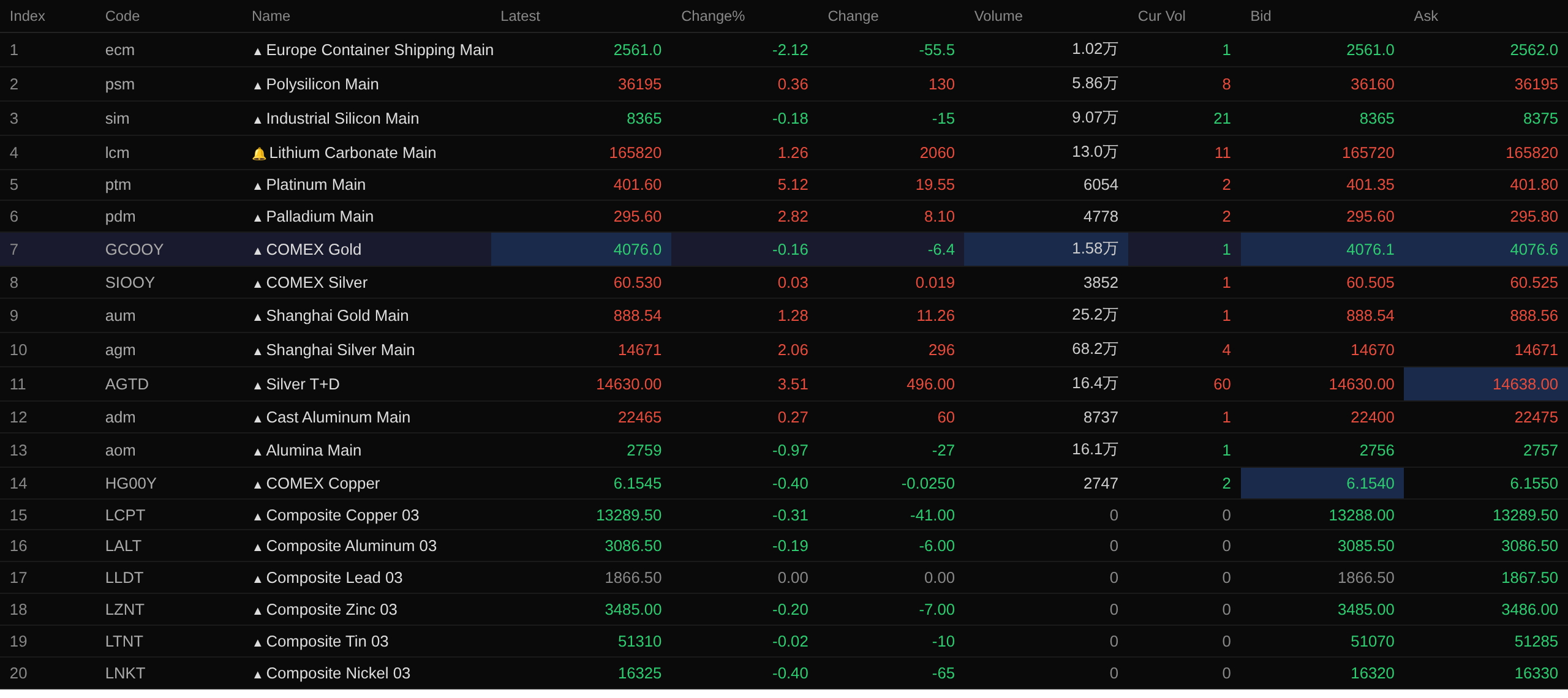
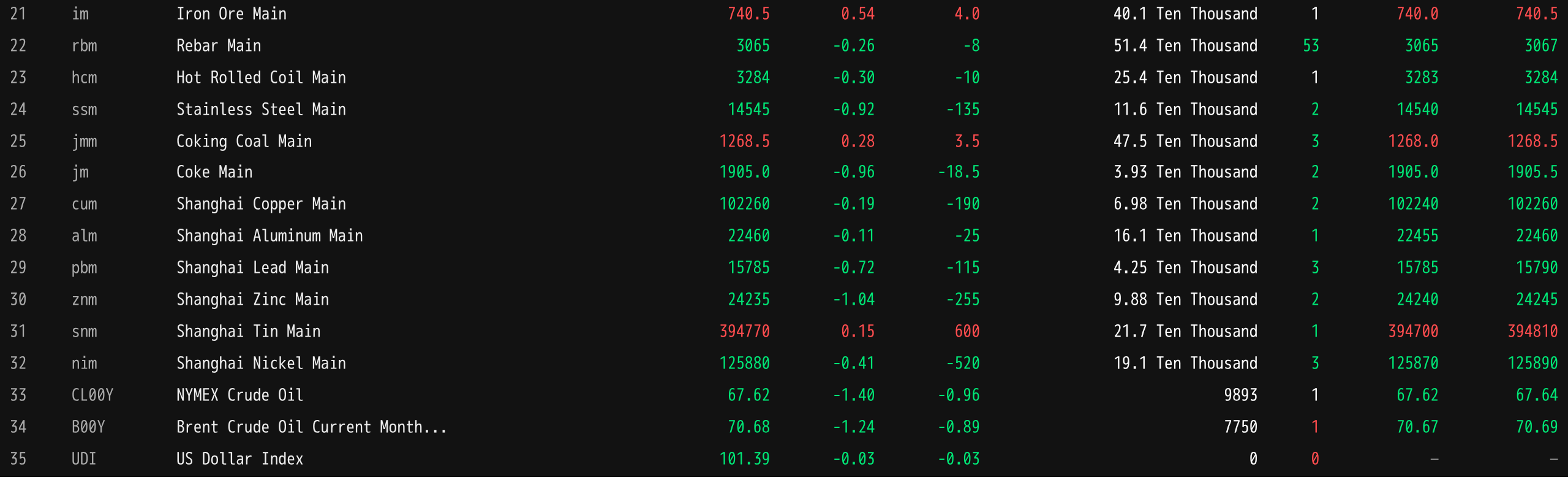
По состоянию на закрытие утренней сессии, цветные металлы на внутреннем рынке в основном снизились. Медь и алюминий на SHFE упали в пределах 0,2%. Свинец на SHFE снизился на 0,72%. Цинк на SHFE упал на 1,04%. Олово на SHFE выросло на 0,15%. Никель на SHFE снизился на 0,41%.
Кроме того, наиболее ликвидный фьючерс на литейный алюминий снизился на 0,97%, а наиболее ликвидный фьючерс на глинозём вырос на 0,21%. Наиболее ликвидный фьючерс на карбонат лития продолжил рост третью сессию подряд, прибавив ещё 1,26%. Наиболее ликвидный фьючерс на металлический кремний снизился на 0,18%. Наиболее ликвидный фьючерс на поликремний вырос на 0,36%.
Чёрные металлы в основном снизились. Железная руда выросла на 0,54%. Горячекатаный рулон и арматура упали в пределах 0,5% каждый, нержавеющая сталь снизилась на 0,92%. Коксующийся уголь и кокс: наиболее ликвидный контракт на коксующийся уголь вырос на 0,28%, а наиболее ликвидный контракт на кокс снизился на 0,96%.
На зарубежных рынках цветных металлов, по состоянию на 11:39 утра, металлы на LME практически все снизились. Медь на LME упала на 0,31%, алюминий на LME — на 0,19%, свинец на LME остался на уровне $1 866,5 за тонну. Цинк на LME снизился на 0,2%, олово на LME немного снизилось, а никель на LME упал на 0,4%.
На рынке драгоценных металлов, по состоянию на 11:39 утра, золото на COMEX снизилось на 0,16%, а серебро на COMEX выросло на 0,03%. На внутреннем рынке: золото на SHFE выросло на 1,28%; наиболее ликвидный контракт на серебро на SHFE прибавил 2,06%.
Кроме того, на закрытие утренней сессии наиболее ликвидный фьючерс на платину вырос на 5,12%, а наиболее ликвидный фьючерс на палладий — на 2,82%.
На закрытие утренней сессии наиболее ликвидный фьючерс на контейнерные перевозки по европейскому маршруту снизился на 2,12% до 2 561 пункта.
По состоянию на 11:39 утра 2 июля, котировки фьючерсов для избранных контрактов на закрытие утренней сессии:
Спотовый рынок и фундаментальные факторы
Алюминий: В ходе утренней сессии торги наиболее ликвидным контрактом на алюминий SHFE 2606 проходили выше уровня аналогичного периода предыдущего дня. Складские варранты продолжали поступать на рынок, и предложение спотового металла в целом было достаточным. Покупатели лишь эпизодически пополняли запасы, а на фоне преобладания медвежьих настроений на фьючерсном рынке готовность конечных потребителей к закупкам была в целом слабой. Основные сделки заключались по ценам от паритета до премии в 20 юаней за тонну к контракту SHFE на алюминий 2607...
Макроэкономический фронт
Внутренний рынок:
[Опубликован обязательный национальный стандарт «Требования безопасности к комбинированной системе помощи водителю для интеллектуальных и подключенных транспортных средств»] 27 июня обязательный национальный стандарт «Требования безопасности к комбинированной системе помощи водителю для интеллектуальных и подключенных транспортных средств» (GB 47955—2026), разработанный и централизованно подготовленный Министерством промышленности и информатизации, был утверждён и опубликован Государственным управлением по регулированию рынка и Государственной администрацией по стандартизации; официальное вступление в силу запланировано на 1 января 2027 года. «Требования безопасности к комбинированным системам помощи водителю для интеллектуальных и подключенных транспортных средств», основанные на потребностях развития отрасли и государственного регулирования в Китае, учитывают техническую осуществимость, совместимость продукции и практическую реализуемость, а также формируют систему показателей безопасности с чёткими требованиями, всесторонними измерениями и соответствием национальным условиям. Во-первых, полностью учитываются различные формы продукции и технические маршруты, предлагая применимые требования безопасности для трёх типов комбинированных систем помощи водителю: базовой однополосной, базовой многополосной и навигационной помощи водителю. Во-вторых, исходя из особенностей дорожного движения в Китае, устанавливаются базовые требования для обеспечения безопасной работы комбинированных систем помощи водителю в таких аспектах, как функциональные требования, регистрация данных и гарантии безопасности со стороны производителей транспортных средств. В-третьих, признавая основное позиционирование этих систем как «помощь» при вождении, выдвигаются требования к использованию и эксплуатации пользователями в таких областях, как взаимодействие человека и машины, инструкции по использованию и обучение пользователей, что обеспечивает фундаментальную основу для надлежащей координации между пользователями и системами. В-четвёртых, в соответствии с практическими потребностями государственного управления отраслью в Китае, строится многоуровневый подход к оценке, включающий полевые испытания, дорожные тесты и проверку документации для всесторонней оценки возможностей систем безопасности.
Народный банк Китая сегодня провёл операции обратного РЕПО на срок 7 дней на сумму 288,5 млрд юаней по ставке 1,4%, оставшейся без изменений. Сегодня наступил срок погашения обратных РЕПО на сумму 370,5 млрд юаней.
Доллар США:
По состоянию на 11:39 индекс доллара США снизился на 0,03% до 101,39. Председатель ФРС Уорш заявил в среду, что инфляционные ожидания и инфляционные риски снизились в последние недели, вновь подтвердив приверженность ФРС снижению инфляции до целевого уровня 2%. «В первые недели этого периода инфляционные ожидания отступили, а инфляционные риски также ослабли, — сказал Уорш. — Если домохозяйства, деловое сообщество или финансовые рынки полагают, что ФРС комфортно с инфляцией выше 2%, то они, скорее всего, будут разочарованы: мы обеспечим ценовую стабильность в США».
Председатель ФРС Уорш уклонился от вопросов о том, может ли ФРС повысить ставки на июльском заседании. «Я надеюсь, что когда мы встретимся через четыре недели, у нас будет оживлённая „внутренняя семейная дискуссия“», — сказал он. «Когда мы закроем двери и сядем вместе, у нас будет энергичная дискуссия. Но помимо этого мне нечего добавить». Уорш сделал эти замечания на ежегодной политической конференции ЕЦБ в Синтре, Португалия; это было его первое публичное выступление после инаугурационной пресс-конференции в ФРС в прошлом месяце. С тех пор инвесторы начали ожидать дальнейших повышений ставок ФРС, но рынок в настоящее время оценивает вероятность первого повышения в этом месяце менее чем в 50%.
Согласно данным CME «Fed Watch»: вероятность сохранения ставки ФРС без изменений в июле составляет 71,7%, а вероятность совокупного повышения на 25 базисных пунктов — 28,3%. К сентябрю вероятность того, что ФРС сохранит ставки без изменений, равна 36,1%, вероятность совокупного повышения на 25 базисных пунктов — 49,8%, а вероятность повышения на 50 базисных пунктов — 14,1%. (Jin10 Data APP)
Что касается данных: производственный сектор США в июне расширялся шестой месяц подряд, при этом вызванный войной всплеск затрат на сырьё ослабевает. Лидировали полиграфия, электрооборудование и текстиль, тогда как производство бумажной продукции, мебели и изделий из древесины сократилось. Внимание рынка теперь переключилось на отчёт по занятости в США в четверг. Жюльен Лафарг, главный рыночный стратег Barclays Private Bank and Wealth Management, отметил, что поскольку Уорш отдаёт приоритет инфляции, июньские данные по числу занятых в несельскохозяйственном секторе «вряд ли сами по себе изменят ожидания по ставкам». Он добавил, что найм, связанный с чемпионатом мира по футболу, вероятно, исказит данные. (Wall Street Insights)
Данные:
Сегодня будут опубликованы: уровень безработицы в США за июнь, сезонно скорректированное число занятых в несельскохозяйственном секторе США за июнь, число первичных заявок на пособие по безработице в США за неделю, закончившуюся 27 июня, средняя почасовая оплата труда в США за июнь в годовом выражении и за месяц, объём производственных заказов в США за май в месячном выражении, индекс потребительских цен в Швейцарии за июнь в месячном выражении, уровень безработицы в еврозоне за май и другие данные. Кроме того, следите за: очередной пресс-конференцией Министерства коммерции за первую неделю июля, а также участием члена FOMC с правом голоса в 2027 году и президента ФРБ Сан-Франциско Дэйли в конференции по испанской экономике.
В связи с празднованием Дня независимости США (3 июля) данные по числу занятых в несельскохозяйственном секторе США за июнь будут опубликованы досрочно 2 июля (четверг) в 20:30 по пекинскому времени. Фондовые рынки США будут закрыты 3 июля (пятница). Торги фьючерсными контрактами на драгоценные металлы, энергоносители, валюту, казначейские облигации США и фондовые индексы на CME завершатся досрочно в 01:00 по пекинскому времени 4 июля. Торги фьючерсами на нефть марки Brent на ICE завершатся досрочно в 01:30 по пекинскому времени 4 июля. Инвесторам рекомендуется принять это к сведению. (Jin10 Data APP)
Нефть:
По состоянию на 11:39 цены на нефть на обоих рынках продолжили снижение вторую сессию подряд: WTI упала на 1,4%, а Brent — на 1,24%.
Международные цены на нефть снизились на фоне прогресса в мирных переговорах на Ближнем Востоке. (Wall Street Insights)
По мере восстановления поставок через Ормузский пролив исследовательское подразделение OCBC Group понизило свои ежеквартальные прогнозы по нефти до конца второго квартала 2027 года. Два стратега OCBC отметили в аналитическом отчёте: «С подписанием меморандума о взаимопонимании между США и Ираном судоходство и поставки нефти через Ормузский пролив восстановились». Они также добавили: «Ожидания рынка, что поставки нефти быстро вернутся в норму, отбросили цены на нефть обратно к доконфликтным уровням, возродив риторику о переизбытке предложения». OCBC снизил прогноз цены на нефть Brent: в третьем квартале 2026 года с $85 до $75 за баррель, в четвёртом квартале 2026 года с $80 до $75, в первом квартале 2027 года с $75 до $73 и во втором квартале 2027 года с $75 до $71. (Jin10 Data APP)
Увеличение потоков энергоносителей через Ормузский пролив побудило UBS снизить прогноз цен на нефть на 2026–2027 годы. Теперь UBS ожидает, что средняя цена нефти Brent в этом году составит $84 за баррель, что на $9 ниже предыдущего прогноза. Банк также понизил прогноз цен на нефть на 2027 год с $85 до $75 за баррель. В UBS заявили: «Снижение геополитического риска и быстрый отскок предложения привели к более значительному падению цен, чем мы ожидали». Банк прогнозирует, что цены на нефть немного восстановятся до $80 за баррель во втором полугодии этого года по мере нормализации плавучего хранения в регионе Персидского залива и восстановления спроса. UBS также полагает, что премии за риск будут выше, поскольку путь к нормализации может оставаться неровным. В UBS отметили: «Необходимость пополнения запасов должна продолжать поддерживать цены до конца 2027 года, однако требуемые объёмы восстановления запасов меньше, чем 1 миллиард баррелей, которые мы ожидали ранее». (Jin10 Data APP)
Обзор спотового рынка:
►
►
►
►
►
►
►
►
►
►
►
►
►
![Социальные запасы металлического кремния в основных регионах немного снизились за неделю [запасы кремния SMM]](https://imgqn.smm.cn/usercenter/OGmeJ20251217171722.jpeg)