The domestic selenium market has recently exhibited an overall "weakly stable" pattern. The spot price of 99.9% selenium powder has held around 225 yuan/kg; after a modest drop of 5 yuan from 235 yuan on June 4, it has plateaued for consecutive days. Crude selenium is quoted at 205 yuan/kg, with zero fluctuation over the past month. Selenium dioxide is priced at approximately 170 yuan/kg, likewise lacking directional momentum. Overall, selenium prices have been oscillating within a narrow low range in the first half of the year, and market trading activity has been generally subdued.
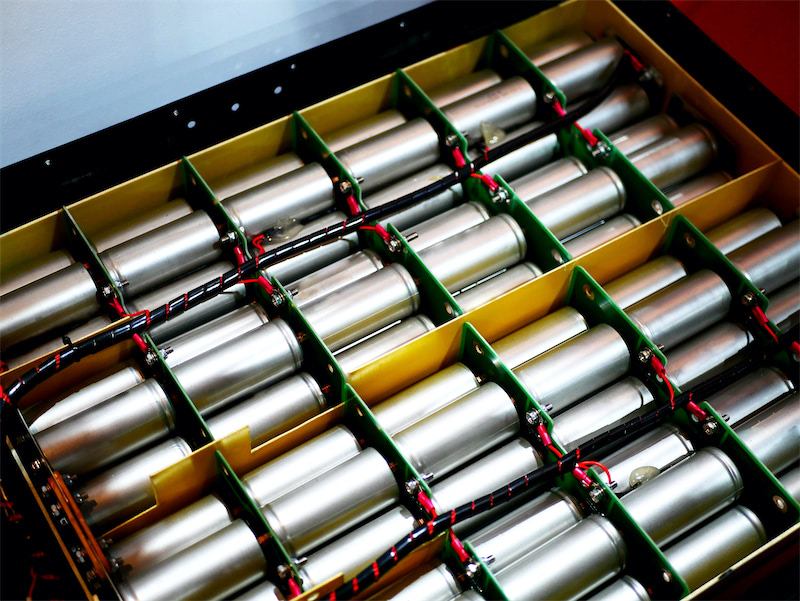
Some market participants attribute the weakness to a seasonal lull compounded by increased supply. First, the traditional off-season effect: as June enters the mid-year period, downstream demand has softened marginally, procurement pacing has slowed, and the market lacks fresh drivers. Second, concentrated shipments by major producers have intensified supply-side pressure. Approaching mid-year, smelting enterprises such as Daye Nonferrous, Jinchuan Group Copper & Precious Metals, and Yunnan Copper have recently conducted concentrated tender sales of selenium products, with publicly observable shipment volumes already exceeding 80 metal tonnes. Meanwhile, market expectations that Jinlong Copper and Jiangxi Copper will follow with further shipments mean supply-side pressure remains persistent. Nevertheless, the current price support factors are also quite evident. On one hand, emerging demand provides a firm floor — sectors such as photovoltaic glass, thin-film photovoltaics, semiconductors, and selenium-based batteries continue to see growing demand, shifting the consumption center of gravity from traditional metallurgy toward emerging industries, which offers a degree of bottom-side support for selenium prices. The healthy operating rates of downstream manganese plants also limit the scope for deep price declines. Market participants project that selenium product prices will remain weakly stable in the near term; over the medium to long term, the trajectory will hinge on the pace at which emerging demand is released, with potential for further upside.