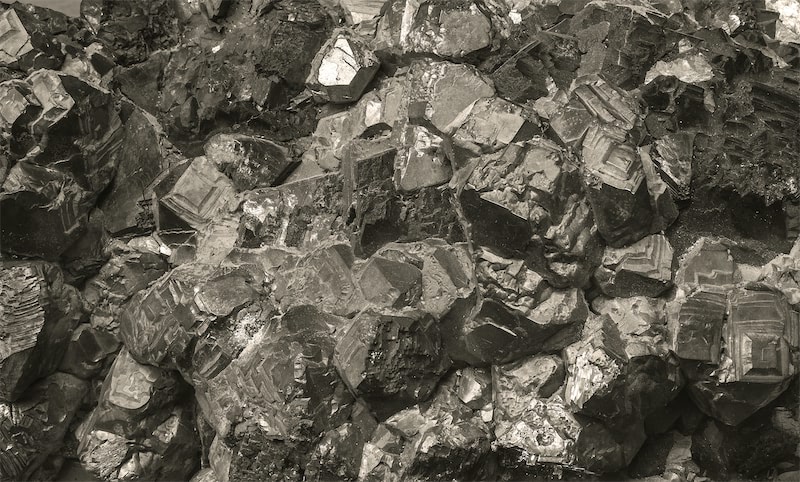
SMM June 11: Silicon Metal: Silicon metal prices moved sideways this week, with futures price fluctuations widening slightly WoW. The most-traded SI2609 contract fluctuated within the range of 8,500-8,800 yuan/mt. As of June 11, SMM east China oxygen-blown #553 silicon was at 9,100-9,200 yuan/mt, down 50 yuan/mt WoW; #441 silicon was at 9,300-9,400 yuan/mt, flat WoW; #421 silicon (used in silicone) was at 9,400-9,800 yuan/mt, flat WoW; and #3303 silicon was at 10,100-10,300 yuan/mt, flat WoW. In terms of quotes and transactions, silicon enterprise quotes remained largely stable recently, while quotes from trading firms engaging in both spot and futures market fluctuated along with the futures market. On Tuesday, after the most-traded contract fell, downstream purchasing and trading sentiment increased, and mainstream delivered #553 silicon prices to plants in east China were around 9,000-9,100 yuan/mt. Subsequently, as the futures market rose, some silicon suppliers raised their quotes, and downstream inquiry and purchasing enthusiasm cooled.
The silicon metal industry is severely overcapacity, with an operating rate below 50%. Therefore, how to achieve capacity rationalization, improve the supply-demand relationship, and thereby enhance producer profitability remains a matter of ongoing attention. The two main ways to rationalize silicon metal capacity are natural market elimination or policy-driven acceleration. During the week, discussions reemerged regarding the revision of energy consumption limit standards for silicon metal. In reality, there are significant differences between northern and southern silicon enterprises in production processes, energy supply, and furnace types, compounded by regional disparities. The transition from theory to practice requires consideration of many complex issues, and attention will be paid to whether viable plans can be implemented going forward.
On the demand side, the operating rate of polysilicon enterprises maintained an upward trend. SMM data showed that May polysilicon production reached 91,000 mt, with June production expected to increase to around 103,000 mt, driving silicon metal consumption close to 120,000 mt. The weekly operating rate of silicone enterprises was basically stable. Some monomer enterprises planned to cut production and reduce loads, but since the plans were not yet fully implemented, this week's operating rate remained largely unchanged. The operating rate of aluminum alloy enterprises was generally stable. In May, secondary aluminum alloy enterprises saw significant production cuts due to input invoice issues, with secondary aluminum alloy production down about 15% MoM. In June, secondary aluminum alloy production is expected to be flat or slightly lower than May.
On the supply side, the operating rate of northern silicon enterprises was basically stable, while those in Sichuan and Yunnan improved slowly. However, the overall pace of supply release remained limited, with insufficient incremental elasticity. Coupled with synchronous demand growth, the industry's supply and demand were broadly balanced recently. Bullish sentiment dominated the recent market, with strong support at the bottom for silicon metal prices. The upside and downside room for silicon metal prices were both limited, and prices are likely to continue moving sideways in a narrow range. Attention should be paid to fluctuations in macro expectations and marginal disruptions from changes in the PV industry on silicon metal.
Polysilicon: This week, the polysilicon price index stood at 32.95 yuan/kg, with offers for N-type recharging polysilicon at 32-34.5 yuan/kg and for granular polysilicon at 32-33 yuan/kg. Overall, polysilicon prices continued to fall this week, as the market entered a new round of offers. Some producers further lowered their bids, with some prices dropping to as low as 32 yuan/kg and were negotiable, while certain existing orders were also affected. News of capacity rationalization surfaced on Wednesday, but most enterprise insiders stated that they had "not heard of it yet," and the authenticity remained to be verified. Polysilicon production in June was operating normally with no significant changes, but plans after July included additional maintenance at a base in Inner Mongolia. Overall, the market was still heavily bearish on prices due to supply-demand concerns, and further attention should be paid to relevant policy developments going forward.
Wafer: This week, wafer prices were largely stable, with N-type 183 wafers priced at 0.88-0.90 yuan/piece, 210R wafers offered at 0.98-1.00 yuan/piece, and 210mm wafers quoted at 1.18-1.20 yuan/piece. The price stability this week did not mean a complete stop to the declines; it was more a reflection of enterprises' determination to hold prices firm and a response to the sharp reduction in wafer exports. Currently, wafer enterprises are also closely watching market trends. On one hand, policy news was continuously coming from the upstream raw material side, though its veracity was hard to ascertain; on the other hand, the downstream battery segment faced supply-demand mismatch and silver prices pulled back, causing battery prices to actually decline. Conversely, the wafer segment was caught in the middle, and amid the conflicting choices between expectations and reality, it was understandable that enterprises chose to wait and see.
If you would like more detailed market information or have other inquiry needs, please call 021-51666820.
![[SMM Steel] Indonesian Billet Edges Down as Chinese Offers Weigh](https://imgqn.smm.cn/usercenter/UqlZJ20251217171717.jpg)
![[SMM Steel] Alang Scrap Stable, Mandi Market Rises](https://imgqn.smm.cn/usercenter/crVox20251217171717.jpg)