Uchida Corporation Assists SMM in Creating the "2026 Global Secondary Copper Industry Distribution Map"

Published: May 26, 2026 15:11

The global secondary copper industry is at a critical stage characterized by tightening resources, green transformation, and intensifying global competition. As environmental protection policies continue to tighten and the energy crisis deepens, secondary copper, with its significant environmental and economic advantages, plays an increasingly prominent role in alleviating tight supply of primary copper and promoting low-carbon development. Currently, the global copper industry chain faces multiple pressures including fragile supply, demand transformation, and low-carbon upgrading. Major economies have successively included copper in their critical minerals lists, and international competition over secondary copper resources is becoming increasingly fierce. Optimizing the industry chain structure, improving recycling efficiency, and harmonizing global standards have become urgent priorities for the industry.

To help the industry gain a comprehensive understanding of global policy trends and market landscapes,SMMandUchida Corporationhave joined hands to produce the, focusing on industry development directions and conveying market insights, aiming to provide practitioners with an authoritative and professional industry distribution guide.

(Click the link to receive for free:)

Focusing on Resource Recycling, Connecting Global Markets

Basic Information

· Company Name: Uchida Corporation

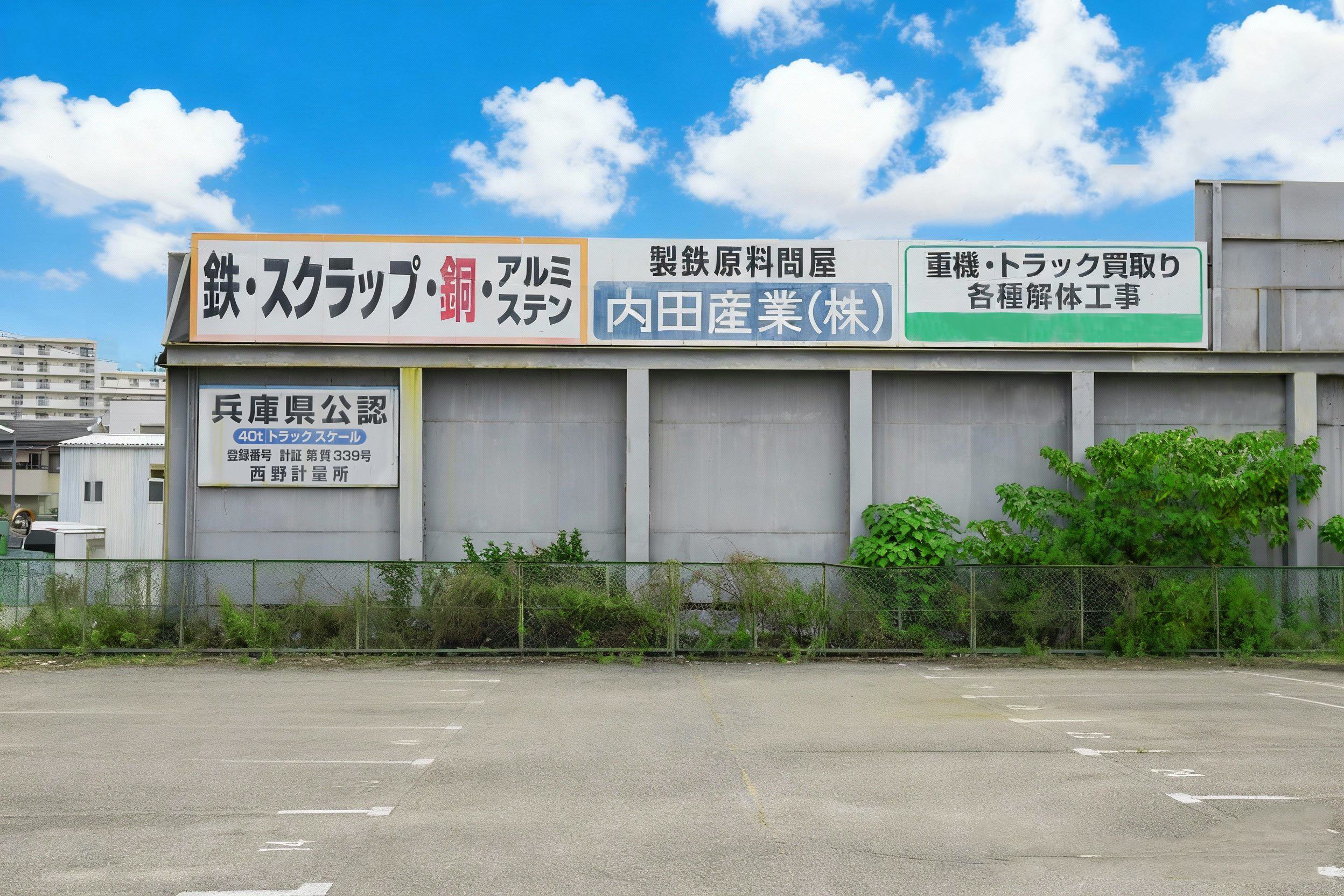
· Headquarters: Itami City, Hyogo Prefecture, Japan

· Established: 2013

Main Business

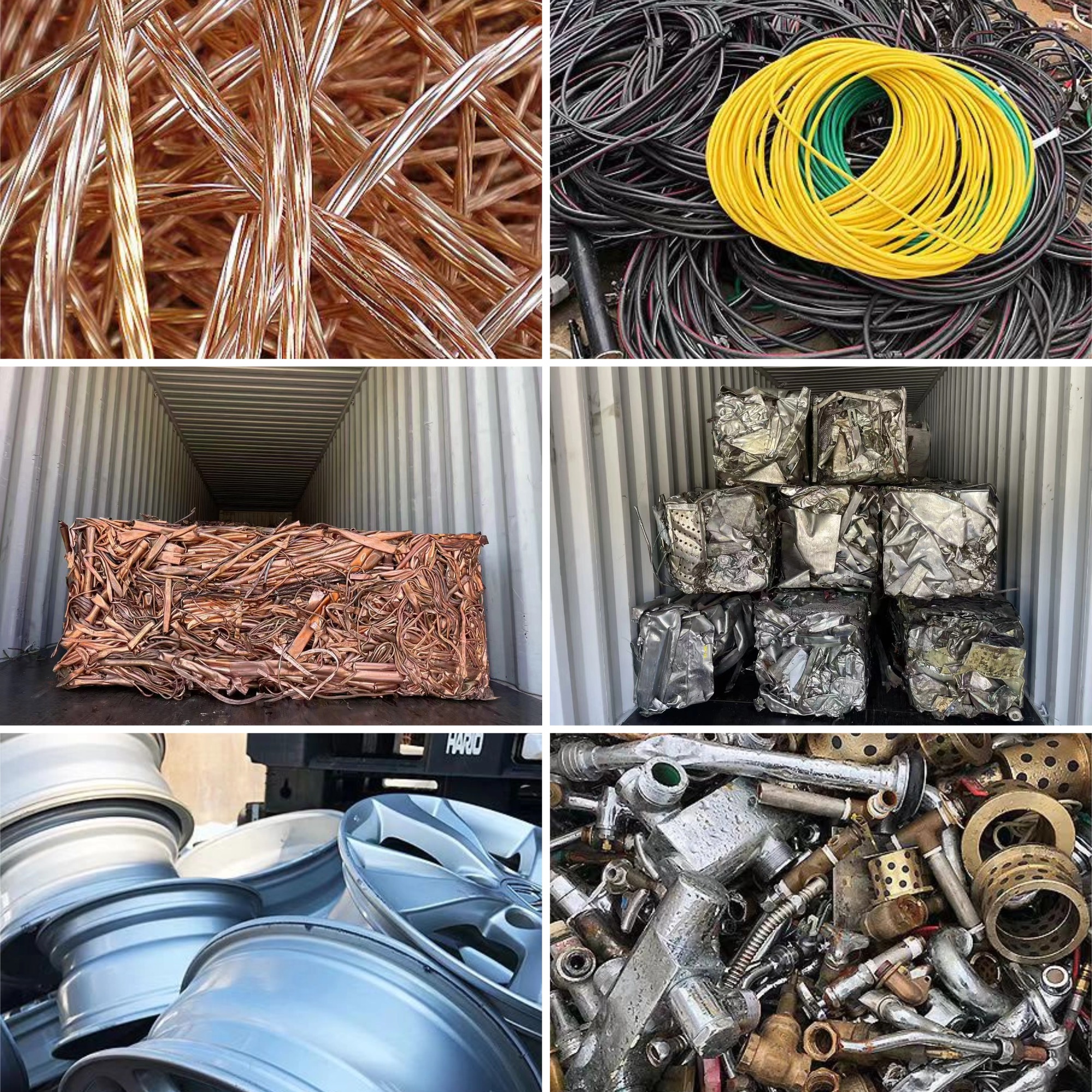
Recovery, sorting, processing, and sales of stainless steel, copper, aluminum, and other non-ferrous and special metals, as well as international procurement and export trade.

Core Business Activities

· Dismantling project contracting

· Participation in large-scale bidding projects

· Recovery of industrial metal scrap generated by recycling and dismantling companies

· Bulk metal exports to clients outside China

· Global metal raw material procurement and trade

Production and Processing Capacity

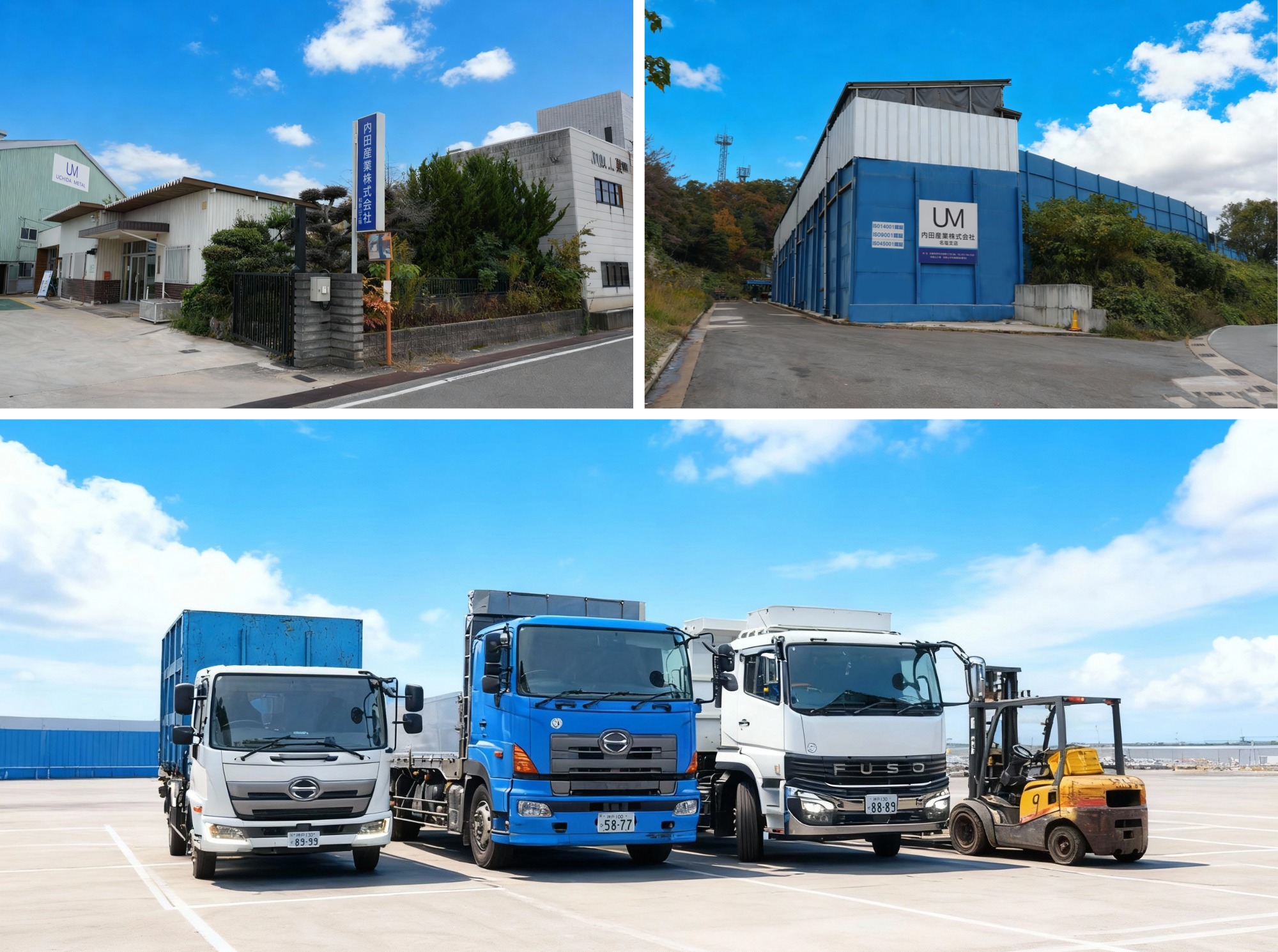
· Factory Facilities:2 metal recycling plants, 1 copper wire nodules processing plant

· Monthly Processing Capacity:

Copper: approximately 300 mt
Stainless steel: approximately 500 mt
Aluminum: approximately 200 mt

Total: over 1,000 mt

Qualifications and Licenses

· ISO9001 (Quality)

· ISO45001 (Occupational Health and Safety)

· ISO14001 (Environment)

· Hyogo Prefecture Specified Construction Business License (Special-7) No. 303544

· Hyogo Prefectural Public Safety Commission License: Metal Scrap Dealer

· Hyogo Prefectural Public Safety Commission License: Machinery and Tools Dealer

· Industrial Waste Collection and Transportation License

International Trade and Export Advantages

· Leveraging high-grade recycled metal resources from Japan, maintaining long-term stable exports to Asian and European and US markets

· Establishing an international procurement network to achieve multi-channel supply of recycled metal raw materials

· Strictly implementing quality sorting and processing standards to meet ex-China clients' requirements for composition and specifications

· Providing one-stop trade services from sourcing and processing to logistics

Business Philosophy

With efficiency and environmental protection at its core, leveraging a comprehensive qualification system, promoting cross-border resource recycling, and creating long-term sustainable value for clients.

Uchida Corporation


SMM Joint Production Contact

Liu Mingkang
156 5309 0867
liumingkang@smm.cn

Data Source Statement: Except for publicly available information, all other data are processed by SMM based on publicly available information, market communication, and relying on SMM's internal database model. They are for reference only and do not constitute decision-making recommendations.

Images in this article contain AI-translated captions for reference only.

For any inquiries or for more information, please contact: lemonzhao@smm.cn
For more information on how to access our research reports, please contact:service.en@smm.cn
Related News
Zambia’s Chisamba Solar Expansion Adds 100MW, Easing Energy Constraints for Mining Sector
5 hours ago
Zambia’s Chisamba Solar Expansion Adds 100MW, Easing Energy Constraints for Mining Sector
Read More
Zambia’s Chisamba Solar Expansion Adds 100MW, Easing Energy Constraints for Mining Sector
According to the Ministry of Energy, President Hakainde Hichilema has commissioned the 100 MW Phase II expansion of the Chisamba Solar Power Plant in Central Province, bringing the facility's total installed capacity to 200 MW. The project represents another step in Zambia's efforts to diversify its electricity generation mix and strengthen energy security as demand from key economic sectors continues to increase. Speaking at the commissioning ceremony, President Hichilema said additional generation capacity would support households, businesses and industrial development, while highlighting the importance of reducing Zambia's dependence on hydropower. The country experienced significant electricity supply challenges during recent drought conditions, which affected hydropower generation and placed pressure on energy-intensive industries. ZESCO Managing Director Justine Loongo said the project created approximately 1,480 jobs during construction, with 95% of positions filled by local residents, highlighting the wider economic benefits of energy infrastructure investment. The expansion comes as Zambia aims to significantly increase copper production towards its long-term target of 3 million tonnes annually. Copper mining operations require large and stable electricity supplies for activities including ore processing, concentration and smelting. Recent power shortages demonstrated the vulnerability of relying heavily on hydropower, particularly during periods of low rainfall. By expanding solar generation capacity, Zambia is strengthening the resilience of its national power system and creating additional support for future mining investments, including new copper projects, mine expansions and processing facilities. A more diversified energy mix could help reduce operational risks for mining companies and improve the country's ability to attract further investment into the copper sector.
5 hours ago
BHP Sees Lower FY2027 Copper Output Despite Advancing Growth Pipeline
6 hours ago
BHP Sees Lower FY2027 Copper Output Despite Advancing Growth Pipeline
Read More
BHP Sees Lower FY2027 Copper Output Despite Advancing Growth Pipeline
According to foreign media reports, global mining company BHP has forecast lower copper production for the 2027 financial year, mainly owing to declining ore grades at its flagship Escondida mine in Chile. The guidance comes despite the company delivering another strong operating year, underpinned by robust copper and iron ore production and continued progress on its long-term growth strategy. BHP produced approximately 1.95 million tonnes of copper during the financial year ended June 30, 2026, meeting its production guidance of 1.9 million to 2.0 million tonnes. The company also achieved record iron ore production of 265 million tonnes, reflecting stable operations across its major mining assets. Despite the expected decline in copper output next year, BHP remains optimistic about its long-term growth prospects. The company continues to advance several key development projects, including expansion pathways at Escondida, Spence and Copper South Australia. It is also progressing the Resolution copper project in the United States, expanding its investment in Faraday, and moving forward with the Vicuña copper project in Argentina after it received approval under the country's large investment incentive programme. Meanwhile, construction of the Jansen potash project in Canada remains on schedule, with first production expected next year. The lower production outlook from Escondida, the world's largest copper mine, could provide additional support to global copper prices if market demand remains strong. At the same time, BHP's continued investment in new copper projects reflects confidence in the long-term demand outlook driven by electrification, renewable energy infrastructure and electric vehicle manufacturing.
6 hours ago
Trafigura Exits 2,000 MW Angola-DRC-Zambia Power Project Amid Financing Challenges
7 hours ago
Trafigura Exits 2,000 MW Angola-DRC-Zambia Power Project Amid Financing Challenges
Read More
Trafigura Exits 2,000 MW Angola-DRC-Zambia Power Project Amid Financing Challenges
Commodity trader Trafigura has withdrawn from a proposed 2,000 MW electricity transmission project intended to supply surplus Angolan hydropower to copper and cobalt mining operations in the Democratic Republic of Congo (DRC) and Zambia, according to foreign media reports. The initiative originated in July 2024 when Trafigura signed a non-binding agreement with engineering firm ProMarks and the Angolan government to conduct feasibility studies for a high-voltage interconnector. According to foreign media reports, the line aimed to monetize Angola's northern hydropower capacity to help alleviate chronic electricity deficits affecting mining assets in the Central African Copperbelt. The withdrawal highlights the complex financing and risk dynamics associated with large-scale cross-border energy infrastructure in emerging markets, as reliable grid power remains a primary constraint for scaling up copper and cobalt production across Zambia and the DRC. According to foreign media reports, despite Trafigura's exit, other transmission ventures linking Angola to regional mining centers are progressing. These include Meridia Energy's planned Lauca–Kolwezi line (1,400 MW) and Soyo–Inga–Cabinda line (800 MW), targeted for commercial operation by 2030, as well as a separate $1.5 billion interconnector proposed by U.S.-based HYDRO-LINK aimed at Lualaba and Katanga provinces. While the delay of this specific 2,000 MW line creates a short-term hurdle for cross-border power sharing, broader efforts to connect Angola's surplus generation to the Southern African Power Pool (SAPP) and Copperbelt miners remain active under revised consortia, according to foreign media reports.
7 hours ago