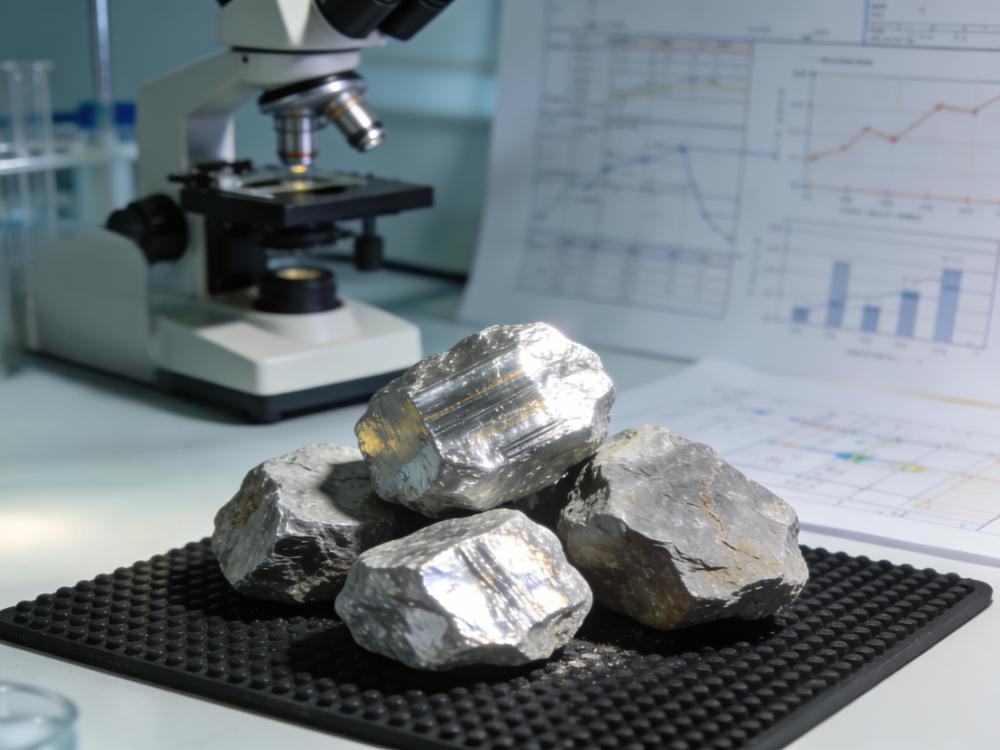
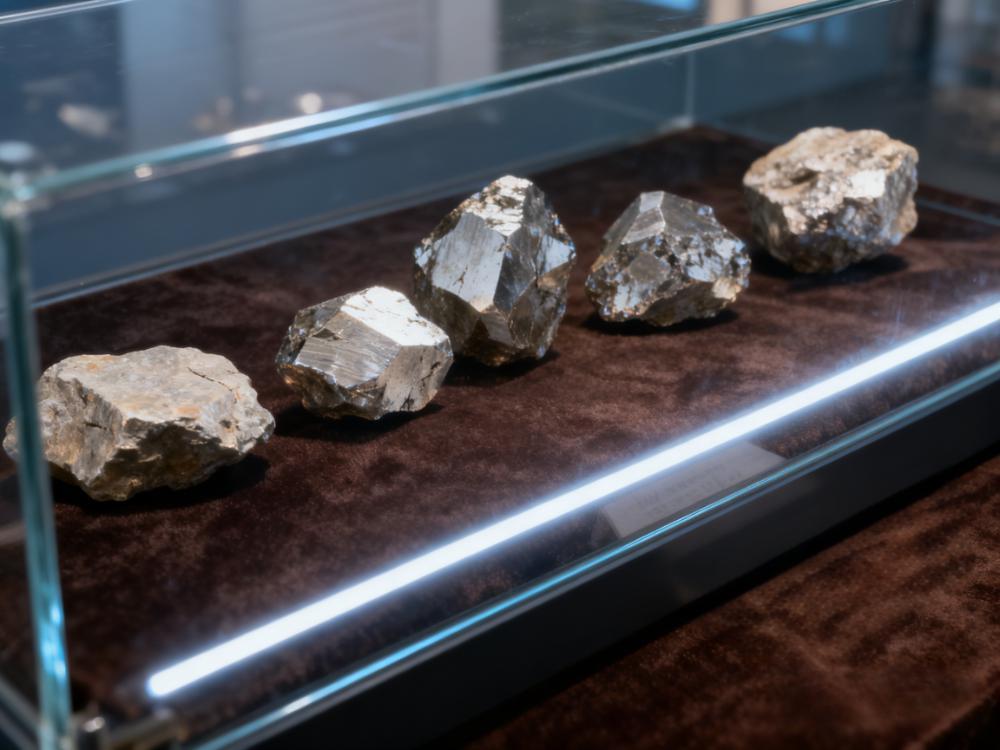
Tháng 4/2026, sản lượng phôi NdFeB đạt 32.603 tấn, tăng đáng kể 8,73% so với tháng trước và 9% so với cùng kỳ. Tỷ lệ vận hành trung bình toàn ngành tăng lên 76,37%, cho thấy sự mở rộng đang tăng tốc. Theo khảo sát thực địa của SMM, sản lượng dự kiến tiếp tục tăng lên 34.097 tấn vào tháng 5, tăng khoảng 5% so với tháng trước. Nếu dự báo này thành hiện thực, đây sẽ là mức sản lượng cao nhất kể từ tháng 1/2025.
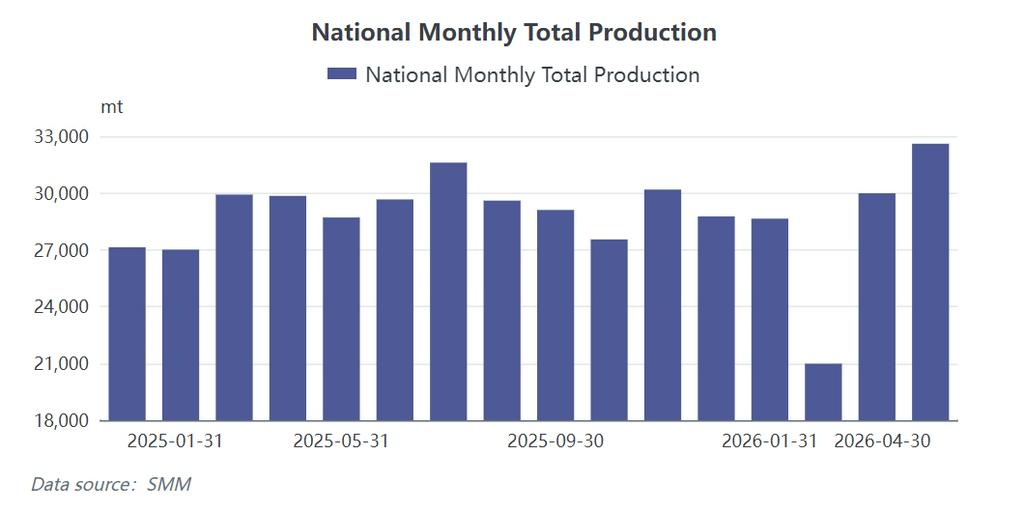
Tuy nhiên, đằng sau bề nổi của sản lượng và tỷ lệ vận hành tăng, toàn ngành đang đối mặt với tình trạng "tăng doanh thu nhưng không tăng lợi nhuận." Các công ty vật liệu từ tính cho biết chi phí nguyên liệu cao, cộng với việc khách hàng hạ nguồn khó chấp nhận giá cao, dẫn đến tình trạng đảo ngược chi phí khó cải thiện trong ngắn hạn, cản trở phục hồi lợi nhuận.
Sản lượng tăng: Cộng hưởng giữa nhu cầu theo mùa và lực kéo xuất khẩu
Đợt tăng trưởng sản lượng này chủ yếu được thúc đẩy bởi mùa cao điểm sản xuất truyền thống và các yếu tố địa chính trị.
Một mặt, quý II là mùa tích trữ truyền thống cho các lĩnh vực như điều hòa không khí và động cơ công nghiệp. Với việc nâng cấp tiêu chuẩn hiệu suất năng lượng trong nước, nhu cầu NdFeB hiệu suất cao từ điều hòa biến tần và động cơ tiết kiệm năng lượng tăng ổn định, tạo nền tảng nhu cầu nội địa vững chắc.
Mặt khác, giá năng lượng toàn cầu tăng vọt do chiến tranh Israel-Hamas đã đẩy nhanh quá trình thay thế xe năng lượng mới tại châu Âu và Trung Đông. Tận dụng lợi thế chuỗi cung ứng, các công ty vật liệu từ tính Trung Quốc ghi nhận đơn hàng xuất khẩu tăng đáng kể. Từ tháng 1 đến tháng 3/2026, khối lượng xuất khẩu nam châm đất hiếm vĩnh cửu đạt 16.000 tấn, tăng 4,8% so với cùng kỳ, trong đó nhu cầu từ lĩnh vực xe năng lượng mới là động lực chính.
Ngoài ra, chính sách cấp phép xuất khẩu chung bắt đầu từ quý IV/2025 đã dần phát huy hiệu quả trong năm 2026, đơn giản hóa thủ tục xuất khẩu và thúc đẩy giải phóng đơn hàng nước ngoài.
Áp lực lợi nhuận: Truyền dẫn giá bị cản trở
Dù nhu cầu mạnh, khả năng sinh lời của các công ty vật liệu từ tính không cải thiện tương ứng. Mâu thuẫn cốt lõi nằm ở khó khăn trong truyền dẫn chi phí.
Phía thượng nguồn, giá nguyên liệu đất hiếm duy trì ở mức cao. Quý I/2026, giá trung bình oxit PrNd tăng đáng kể so với cùng kỳ, các tập đoàn đất hiếm lớn liên tục nâng giá quặng tinh, gây áp lực chi phí lớn lên các công ty vật liệu từ tính.
Phía hạ nguồn, cạnh tranh khốc liệt trong xe năng lượng mới, gia dụng và động cơ công nghiệp, các nhà sản xuất cuối đồng loạt yêu cầu nhà cung cấp thượng nguồn giảm giá để chia sẻ áp lực chi phí. Tình trạng "ép hai đầu" này khiến nhiều công ty rơi vào thế đảo ngược chi phí, giá bán sản phẩm không bù đắp được chi phí nguyên liệu, dẫn đến hiện tượng "đơn hàng tăng nhưng lợi nhuận giảm." Ngay cả các công ty có sản lượng tăng, chi phí tài chính (chủ yếu do vốn bị chiếm dụng trong mua sắm nguyên liệu) cũng tăng đáng kể so với cùng kỳ, tiếp tục bào mòn biên lợi nhuận.
Phân hóa nhu cầu: Mối lo cơ cấu giữa bối cảnh tăng trưởng cao
Từ góc độ cơ cấu nhu cầu hạ nguồn, các lĩnh vực ứng dụng khác nhau cho thấy dấu hiệu phân hóa rõ rệt.
Xe năng lượng mới (NEV): Là lĩnh vực tiêu thụ NdFeB lớn nhất, nhu cầu thể hiện xu hướng "nội địa ổn định, xuất khẩu bùng nổ." Tỷ lệ thâm nhập thị trường nội địa đã ở mức cao, tăng trưởng chậm lại; thị trường xuất khẩu trở thành động lực chính thúc đẩy nhu cầu.
Gia dụng tiết kiệm năng lượng: Được thúc đẩy bởi chính sách hiệu suất năng lượng, nhu cầu NdFeB từ điều hòa biến tần và máy giặt duy trì tăng trưởng ổn định. Tuy nhiên, lĩnh vực này rất nhạy cảm về giá, và các công ty vật liệu từ tính có quyền định giá yếu.
Động cơ công nghiệp: Hưởng lợi từ cải tạo tiết kiệm năng lượng công nghiệp, tỷ lệ thâm nhập của động cơ nam châm vĩnh cửu tiếp tục tăng. Tuy nhiên, thị trường có nhiều đối thủ và cạnh tranh giá khốc liệt, biên lợi nhuận bị nén nghiêm trọng.
Triển vọng ngành: Giảm chi phí bằng công nghệ là chìa khóa đột phá
Trong ngắn hạn, được hỗ trợ bởi nhu cầu theo mùa và đơn hàng xuất khẩu, sản lượng NdFeB dự kiến duy trì ở mức cao. Tuy nhiên, tình trạng đảo ngược chi phí có thể kéo dài, và ngành sẽ phổ biến đặc điểm "tăng sản lượng nhưng lợi nhuận đi ngang."
Về dài hạn, trọng tâm cạnh tranh ngành đang chuyển từ mở rộng quy mô sang công nghệ và kiểm soát chi phí. Để đối phó áp lực chi phí, các công nghệ tiên tiến giảm sử dụng đất hiếm nặng như Khuếch tán Biên Hạt (GBD) đang được áp dụng nhanh chóng. Các doanh nghiệp đầu ngành có lợi thế công nghệ, năng lực sản xuất cao cấp và hiệp đồng tài nguyên thượng nguồn dự kiến sẽ nắm thế chủ động trong đợt tái cơ cấu ngành này, trong khi các doanh nghiệp vừa và nhỏ thiếu năng lực cạnh tranh cốt lõi đối mặt nguy cơ bị đào thải.
![Chính sách thuận lợi kết hợp với kỳ vọng cải thiện nhu cầu gia tăng, khái niệm nam châm vĩnh cửu đất hiếm được củng cố, Xiangdian Co. chạm trần [SMM Express]](https://imgqn.smm.cn/usercenter/AJTtH20251217171744.jpg)
![Giá xuất khẩu đất hiếm điều chỉnh nhẹ trong tuần này khi căng thẳng địa chính trị và tái cấu trúc chuỗi cung ứng tăng tốc [SMM Tổng kết tuần đất hiếm ngoài Trung Quốc]](https://imgqn.smm.cn/usercenter/UXEpx20251217171743.jpeg)