SMM 30 เมษายน:
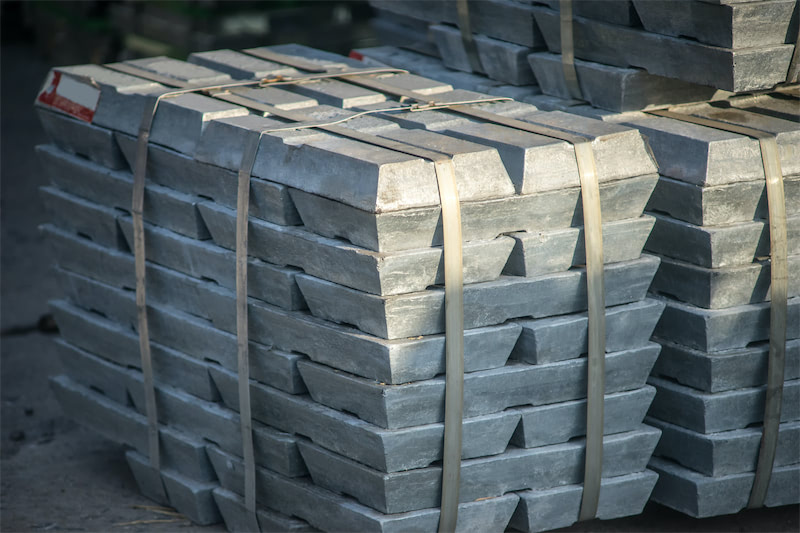
ตามข้อมูลของ SMM ผลผลิตสังกะสีบริสุทธิ์ของจีนในเดือนเมษายน 2569 เพิ่มขึ้น 1.1% MoM และเพิ่มขึ้น 5.1% YoY ผลผลิตสะสมของโรงถลุงตั้งแต่เดือนมกราคมถึงเมษายนเพิ่มขึ้น 5.7% YoY ต่ำกว่าที่คาดการณ์ เข้าสู่เดือนเมษายน การเพิ่มผลผลิตของโรงถลุงในประเทศต่ำกว่าที่คาด นอกจากการบำรุงรักษาตามปกติในส่านซี ซินเจียง และกานซู่แล้ว การบำรุงรักษานอกแผนในกว่างซีและหูหนานทำให้อุปทานลดลงบางส่วน การเพิ่มขึ้นหลักมาจากการเพิ่มกำลังผลิตในมองโกเลียในและซินเจียง รวมถึงการฟื้นตัวจากการบำรุงรักษาในหูหนาน เสฉวน ยูนนาน และเหอหนาน SMM คาดว่าผลผลิตสังกะสีบริสุทธิ์ของจีนในเดือนพฤษภาคม 2569 จะลดลง 1.6% MoM และเพิ่มขึ้น 4.5% YoY ผลผลิตสะสมของโรงถลุงตั้งแต่เดือนมกราคมถึงพฤษภาคมคาดว่าจะเพิ่มขึ้น 5.5% YoY การลดลงของผลผลิตในเดือนพฤษภาคมส่วนใหญ่เกิดจากการบำรุงรักษาโรงถลุงในส่านซี เหลียวหนิง ยูนนาน และกว่างซี ขณะที่การเพิ่มขึ้นกระจุกตัวอยู่ที่การฟื้นตัวจากการบำรุงรักษาและการเพิ่มผลผลิตของโรงถลุงในซินเจียง มองโกเลียใน กานซู่ เสฉวน และกว่างซี
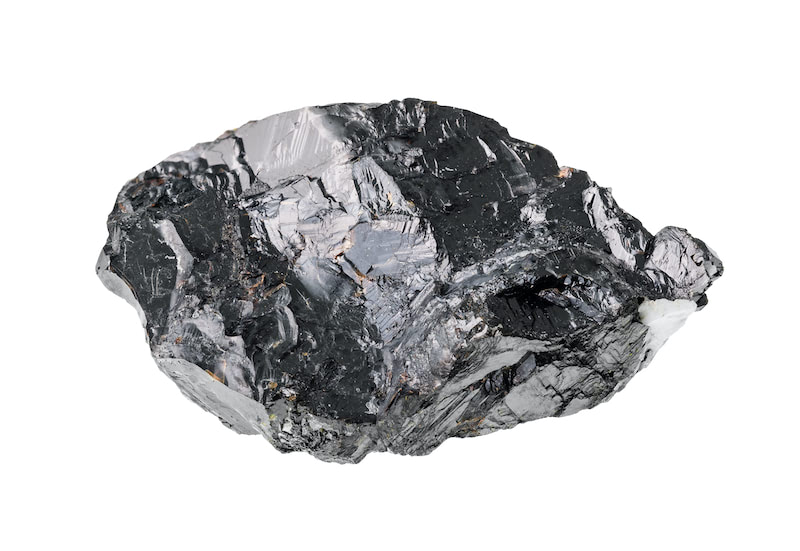
โดยรวม การปล่อยผลผลิตสังกะสีบริสุทธิ์ในเดือนเมษายนและพฤษภาคมต่ำกว่าที่คาด สาเหตุหลักเนื่องจากการหยุดชะงักของแร่ต่างประเทศเพิ่มขึ้นและการฟื้นตัวของแร่ในประเทศยังจำกัด ทำให้ TC เร่งตัวลดลง—TC นำเข้าลดลงเหลือ 39.25 ดอลลาร์/ตันแห้ง ขณะที่ TC ในประเทศรายสัปดาห์ทะลุต่ำกว่าระดับต่ำสุดในประวัติศาสตร์ที่ 850 หยวน/ตันโลหะ ภายใต้ TC ต่ำ แม้โรงถลุงได้รับการสนับสนุนกำไรจากกรดกำมะถันและผลิตภัณฑ์พลอยได้ แต่วัตถุดิบบีบอัดกำไรของสถานประกอบการในระดับหนึ่ง โดยอัตรากำไรโดยรวมหดตัวอย่างมีนัยสำคัญ ขณะเดียวกัน ภายใต้ TC ต่ำ โรงถลุงแข่งขันแย่งแร่รุนแรงขึ้น เพิ่มความยากในการจัดซื้อวัตถุดิบ จำนวนวันสต็อกวัตถุดิบลดลงต่ำกว่า 19 วัน และปัญหาวัตถุดิบของโรงถลุงบางแห่งถูกขยายใหญ่ขึ้น จำกัดความสามารถในการปล่อยผลผลิตของโรงถลุงในระดับหนึ่ง
มองไปข้างหน้า แม้การส่งออกกรดกำมะถันของจีนคิดเป็นเพียงประมาณ 4% ของผลผลิต (ผลผลิตกรดกำมะถันในประเทศอยู่ที่ประมาณ 120 ล้านตัน โดยส่งออกกรดกำมะถัน 4.6494 ล้านตันในปี 2568) แต่ข่าวการจำกัดการส่งออกสร้างความกังวลด้านอารมณ์ตลาดในระดับหนึ่ง พื้นที่ขาขึ้นของราคากรดกำมะถันมีจำกัด หากราคากรดกำมะถันปรับตัวลงขณะที่ TC ของโรงถลุงยังคงต่ำ การขาดทุนจากการถลุงจะเพิ่มขึ้น และคาดว่าผลผลิตโรงถลุงจะลดลงต่อไป อีกทางหนึ่ง หากราคากรดกำมะถันทรงตัว พื้นที่ขาลงของ TC จะจำกัด และผลผลิตโรงถลุงอาจรักษาระดับได้ แต่ปริมาณเพิ่มเติมจะปล่อยออกมาได้ยาก ในระยะต่อไป ควรจับตาแนวโน้มราคากรดกำมะถันและ TC อย่างใกล้ชิด
![ค่าแปรรูปแคลไซน์สังกะสีปรับลดลงเล็กน้อยในเดือนพฤษภาคม—แนวโน้มในเดือนมิถุนายนจะเป็นอย่างไร? [บทวิเคราะห์ SMM]](https://imgqn.smm.cn/usercenter/VPThK20251217171754.jpg)