Сильная поддержка со стороны затрат сталкивается со слабым спросом: расхождение на зарубежном рынке вторичного алюминия усиливается【Аналитика SMM】
Зарубежный рынок вторичного алюминия продолжает демонстрировать структурное расхождение. Цены на алюминиевый лом остаются на высоком уровне, обеспечивая сильную поддержку со стороны затрат; однако закупки со стороны потребителей остаются осторожными, а сделки — вялыми. В результате поддержка цен со стороны спроса незначительно ослабла, а рынок характеризуется твёрдыми котировками при сдержанной торговой активности.
1. Ценовые тенденции: незначительный откат сырья, расхождение цен на сплавы
На прошлой неделе цены на зарубежный вторичный алюминий оставались в диапазоне консолидации на высоких уровнях. Цены на лом немного снизились, тогда как цены на сплавы продемонстрировали региональное расхождение.
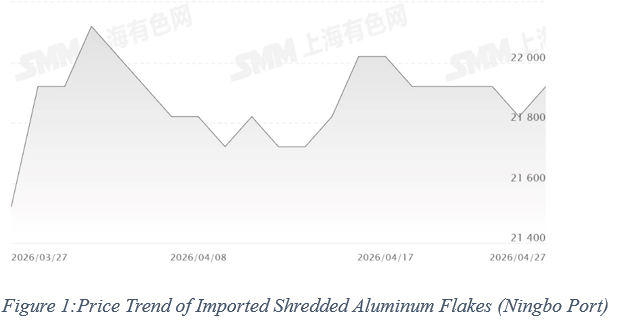
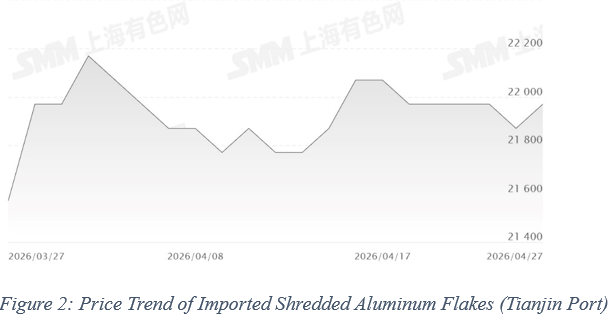
Что касается лома, цены на импортный измельчённый алюминий незначительно снизились. Цены в порту Нинбо упали с 21 920 юаней/т до 21 820 юаней/т, а в порту Тяньцзинь — с 21 970 юаней/т до 21 870 юаней/т, что составляет снижение примерно на 100 юаней/т. Несмотря на незначительное ослабление, цены остаются на относительно высоком уровне, продолжая обеспечивать эффективную поддержку затрат для ADC12.
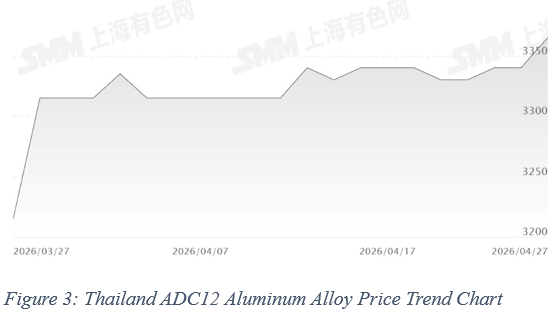
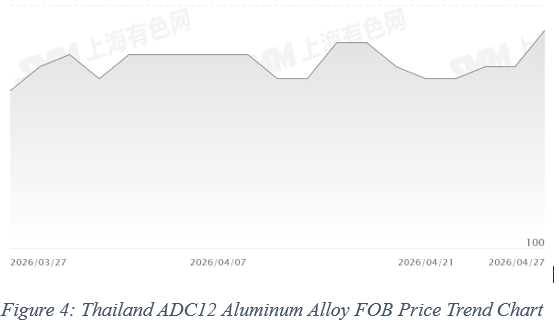
По слиткам вторичного алюминиевого сплава ADC12 рынок Таиланда на прошлой неделе оставался стабильным. Внутренние цены были сосредоточены в диапазоне 106–108 бат/кг, со средненедельным значением около 107,50 бат/кг. Цены FOB оставались стабильными в пределах 3 310–3 350 долл./т, в среднем около 3 340 долл./т.
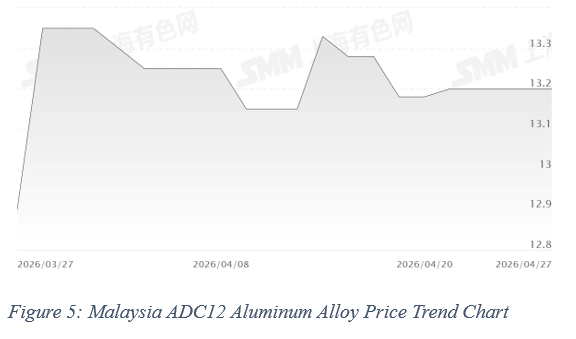
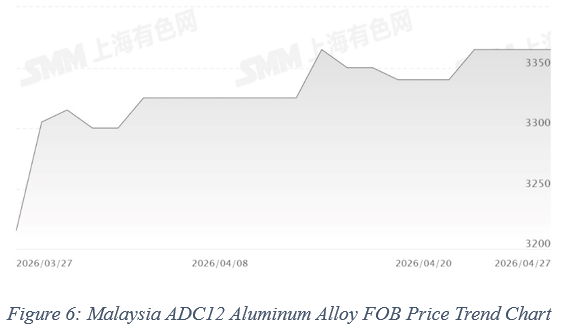
Для сравнения, малайзийский рынок продемонстрировал относительно более сильную динамику. Внутренние цены выросли с 13,175 ринггит/кг до 13,20 ринггит/кг, а цены FOB увеличились с 3 340 долл./т до 3 365 долл./т, что свидетельствует о несколько более сильных экспортных показателях по сравнению с Таиландом.
2. Затраты и спрос: осторожные закупки потребителей, сделки под давлением
С точки зрения сделок, рынок на прошлой неделе оставался в целом слабым. Покупатели демонстрировали ограниченную готовность принимать более высокие цены, повсеместно наблюдалось «сопротивление покупкам».
Хотя некоторые производители пытались повысить котировки из-за возросших затрат, фактические сделки не поспевали за ними. В ряде сделок наблюдались скидки, а разрыв между ценами спроса и предложения увеличился. Закупки оставались преимущественно обусловленными текущими потребностями, с вялой динамикой пополнения запасов, а поддержка цен со стороны спроса оставалась ограниченной.
3. Сырьевая сторона: дефицит предложения сохраняется, поддержка затрат остаётся сильной
Что касается сырья, предложение алюминиевого лома остаётся ограниченным, особенно для высококачественных материалов.
Согласно исследованиям SMM, срок поставки импортного лома в настоящее время составляет около трёх недель, что ограничивает доступность предложения. При этом цены на основные категории лома, такие как корпуса двигателей и UBC, остаются на высоком уровне, сохраняя высокое давление затрат на производителей.
Некоторые компании скорректировали структуру сырья для компенсации давления затрат. В целом среда высоких затрат остаётся неизменной и продолжает обеспечивать базовую поддержку цен на сплавы.
4. Общая оценка: сохраняющийся разрыв между котировками и сделками
В целом на рынке Таиланда, хотя высокие затраты на лом обеспечивали сильную нижнюю поддержку и укрепляли ценовую позицию продавцов, вялое восстановление спроса и осторожное поведение покупателей продолжали ограничивать рост цен.
Напротив, на малайзийском рынке наблюдался относительно более сильный покупательский интерес, что оказывало определённую поддержку ценам.
5. Прогноз: рынок в диапазоне с ограниченным потенциалом роста
В краткосрочной перспективе зарубежный рынок вторичного алюминия, как ожидается, останется в диапазоне.
Цены на ADC12, вероятно, будут колебаться в пределах 3 300–3 400 долл./т. Без явного улучшения спроса со стороны потребителей конвертация более высоких котировок в фактические сделки остаётся неопределённой.
В целом, хотя сильная поддержка со стороны затрат ограничивает риски снижения, медленное восстановление спроса продолжает сдерживать восходящий импульс. Экспортные рынки, в частности Индия, оказывают частичную поддержку, и ожидается, что рынок останется в состоянии перетягивания каната в рамках диапазона.
![Цены на глинозём отступают после стремительного роста на фоне консолидации при сокращающихся объёмах; спотовый индекс прекратил снижение и слегка подрос; модель «сильное предложение — слабый спрос» сохраняется [Утренний комментарий SMM по глинозёму]](https://imgqn.smm.cn/usercenter/SBQYr20251217171651.jpg)
![Алюминий на SHFE продолжает расти, ценовой спред Гуандун—Шанхай заметно стимулирует переброску грузов [SMM: обзор спотового рынка алюминия в полдень]](https://imgqn.smm.cn/usercenter/VTjoW20251217171653.jpg)