Em 20 de março, o Gabinete de Informação do Governo da Região Autónoma da Mongólia Interior realizou uma coletiva de imprensa da série “Implementação do Plano de Trabalho ‘1571’ e Promoção do Desenvolvimento de Alta Qualidade na Mongólia Interior”, apresentando um informe especial sobre os resultados alcançados pela região no desenvolvimento da indústria do hidrogénio verde, as principais tarefas para 2026 e o 15.º Plano Quinquenal. Ficou claro que, aproveitando as suas vantagens em recursos eólicos e solares, a Mongólia Interior promoverá a estruturação de toda a cadeia do hidrogénio verde e continuará a liderar a indústria nacional do hidrogénio verde.
Principais focos da indústria da energia do hidrogénio em 2026: construir uma zona-piloto de desenvolvimento do hidrogénio verde
Em 2026, tendo como objetivo central a construção de uma zona-piloto nacional para a indústria do hidrogénio verde, a Mongólia Interior promoverá de forma abrangente a implantação em grande escala do hidrogénio verde. Serão lançados projetos-piloto de produção de hidrogénio fora da rede em grande escala, ampliados cenários de aplicação como a mistura de hidrogénio verde no gás natural e a integração com as indústrias química e metalúrgica, ao mesmo tempo que serão construídos parques industriais de hidrogénio verde e alargados os canais para o uso não elétrico da eletricidade verde. Ainda este ano, terá início a construção de três gasodutos de hidrogénio verde, incluindo a rota Ulanqab–Pequim-Tianjin-Hebei, para melhorar a rede de transporte. Ao mesmo tempo, a região concentrar-se-á em avanços na tecnologia do hidrogénio, aprofundará a colaboração entre indústria, academia, investigação e aplicação, e promoverá a implementação de projetos de demonstração do primeiro equipamento completo de energia do hidrogénio e de projetos de inovação colaborativa que integrem energia eólica e solar, hidrogénio e armazenamento de energia, de modo a consolidar a base tecnológica da indústria.
Os resultados da indústria do hidrogénio verde lideram o país, com vantagens de escala e custo cada vez mais evidentes
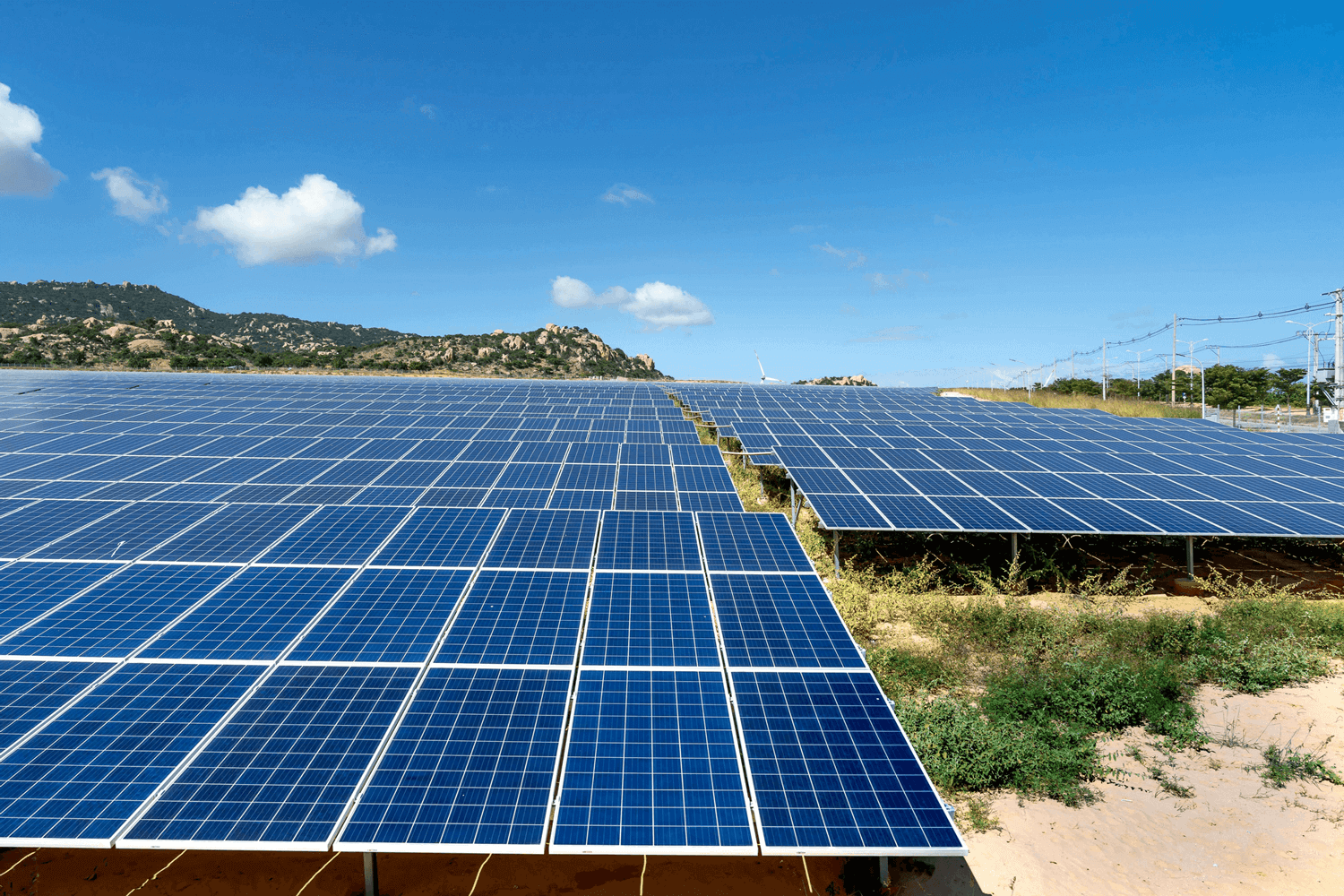
A Mongólia Interior dispõe de abundantes recursos eólicos e solares, com recursos tecnicamente exploráveis de energia eólica e solar superiores a 10 mil milhões de kW, o equivalente a um quarto do total nacional, o que estabelece uma base sólida para a indústria do hidrogénio verde. Atualmente, vários indicadores do setor estão entre os primeiros do país. No total, foram introduzidas 19 políticas que abrangem toda a cadeia industrial do hidrogénio verde; 7 projetos foram incluídos em programas nacionais de demonstração; 8 projetos foram concluídos e entraram em operação, formando uma capacidade anual de 80 mil toneladas. A produção de hidrogênio verde atingiu 12.694 t em 2025, um salto de 3,6 vezes em relação ao ano anterior; a produção em janeiro e fevereiro de 2026 foi de 2.653,6 t, com custos de produção entre 17 e 20 yuans/kg, apenas 60% da média nacional.
Além disso, já foi implementado o primeiro plano provincial de gasoduto de hidrogênio verde do país, e a rede de dutos com “uma linha-tronco, dois anéis e quatro saídas” está sendo acelerada. O gasoduto de hidrogênio entre o Banner de Darhan Muminggan e a área urbana de Baotou já foi concluído, enquanto as aplicações do hidrogênio verde agora abrangem transporte, química, energia elétrica e outros setores, com o mercado consumidor amadurecendo rapidamente.
Planejamento preciso no âmbito do 15º Plano Quinquenal para construir um forte polo industrial de energia do hidrogênio
Durante o período do 15º Plano Quinquenal, com base em sua estrutura atual, a Mongólia Interior construirá um polo industrial característico de energia do hidrogênio e se concentrará no avanço de quatro grandes tarefas: formular cientificamente os planos do setor e organizar racionalmente os polos com base na produção orientada pelas vendas; superar tecnologias centrais, como a produção de hidrogênio fora da rede e eletrolisadores flexíveis, para elevar o nível tecnológico da indústria; expandir cenários diversificados de aplicação, aperfeiçoar modelos de negócios e abrir toda a cadeia de produção, armazenamento, transporte, abastecimento e uso; acelerar a construção de gasodutos de hidrogênio verde dentro da região e entre províncias, reduzir os custos de transporte, elevar de forma abrangente a competitividade da indústria de hidrogênio verde e sustentar a continuidade da liderança nacional do setor.