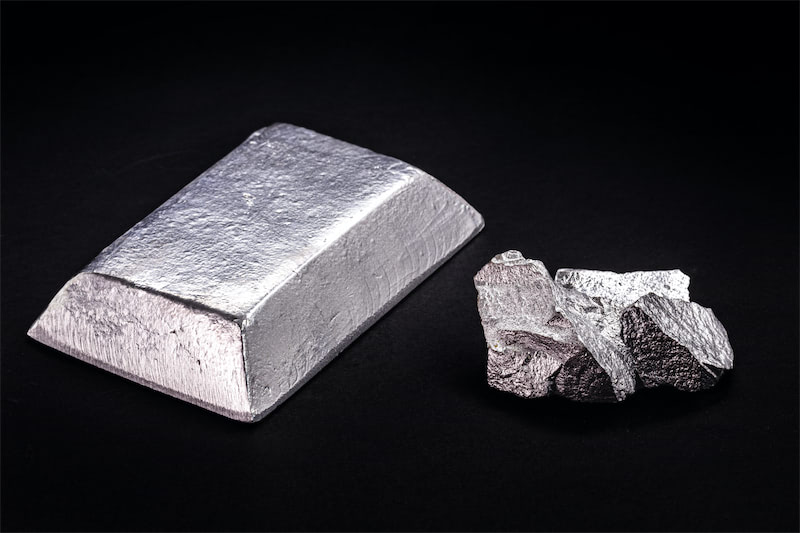
In February, China's total manganese ore imports fell 33.00% MoM and were up 3.24% YoY [SMM Data]

Published: Mar 20, 2026 17:31
According to the latest release from the General Administration of Customs, SMM statistics showed that China’s total manganese ore imports in February 2026 were 2.3064 million mt, down 33.00% MoM and up 3.24% YoY. Cumulative imports in January-February were 5.749 million mt, up 46.29% YoY from the same period last year. February imports from Australia were 413,100 mt, down 31.35% MoM; South Africa 990,400 mt, down 49.55% MoM; Gabon 375,100 mt, up 13.01% MoM; Ghana 270,400 mt, up 1.78% MoM; Brazil 99,700 mt, down 17.87% MoM; and Myanmar 49,900 mt, up 14.8% MoM.

According to the latest release from the General Administration of Customs, SMM data showed that China’s total manganese ore imports were 2.3064 million mt in February 2026, down 33.00% MoM and up 3.24% YoY. Cumulative imports in January-February reached 5.749 million mt, up 46.29% YoY from the same period last year. In February, imports from Australia were 413,100 mt, down 31.35% MoM; South African ore was 990,400 mt, down 49.55% MoM; Gabonese ore was 375,100 mt, up 13.01% MoM; Ghanaian ore was 270,400 mt, up 1.78% MoM; Brazilian ore was 99,700 mt, down 17.87% MoM; and Myanmar ore was 49,900 mt, up 14.8% MoM.

The main reasons for the MoM decline in manganese ore imports in February were as follows: the Chinese New Year holiday caused procurement and arrivals at ports in China to stall, while arrivals of South African and Australian ore pulled back simultaneously, and the slight increase in ore varieties such as Gabonese and Ghanaian ore was far from enough to offset the reduction in major ore varieties. First, procurement in China stalled during the Chinese New Year holiday: concentrated stockpiling ahead of the holiday had already been completed in January, and in February alloy plants were on holiday and operating rates dropped sharply, with manganese ore procurement shifting from “active restocking” to wait-and-see with only minimal purchases; port arrivals and customs clearance slowed down: during the Chinese New Year holiday (mid-February), operating activity at Chinese ports and customs clearance efficiency fell significantly, while the earlier effect of concentrated vessel arrivals disappeared; overseas shipment pace was mismatched: a large number of vessels arrived at ports in January, and corresponding overseas shipments naturally pulled back in February, forming the seasonal pattern of “surging in January and pulling back in February.” In addition, security inspections were conducted at mines in South Africa’s Kalahari Basin in early February, disrupting production and shipments at some mines. Arrivals of South African ore pulled back.

Data Source Statement: Except for publicly available information, all other data are processed by SMM based on publicly available information, market communication, and relying on SMM‘s internal database model. They are for reference only and do not constitute decision-making recommendations.

For any inquiries or to learn more information, please contact: lemonzhao@smm.cn
For more information on how to access our research reports, please contact:service.en@smm.cn
Related News
SiMn Exports Pulled Back MoM in February, While Imports Remained at Zero [SMM Analysis]
3 hours ago
SiMn Exports Pulled Back MoM in February, While Imports Remained at Zero [SMM Analysis]
Read More
SiMn Exports Pulled Back MoM in February, While Imports Remained at Zero [SMM Analysis]
According to the latest release from the General Administration of Customs, SMM statistics showed that China’s SiMn exports were 1,965.37 mt in February 2026, down 22.61% MoM. Cumulative exports in January-February totaled 4,500 mt, up 11.73% YoY. China’s SiMn imports were 0 mt in February 2026, flat MoM from January. Cumulative imports in January-February were 0 mt, down 100% YoY. By regional import and export structure, SiMn exports were mainly destined for Indonesia.
3 hours ago
Off-Season Demand Coupled With the Chinese New Year Effect Led to a Significant Decline in China's SiMn Exports in January [SMM Analysis]
3 hours ago
Off-Season Demand Coupled With the Chinese New Year Effect Led to a Significant Decline in China's SiMn Exports in January [SMM Analysis]
Read More
Off-Season Demand Coupled With the Chinese New Year Effect Led to a Significant Decline in China's SiMn Exports in January [SMM Analysis]
According to the latest release from the General Administration of Customs, SMM statistics showed that China’s SiMn exports were 2,539.52 mt in January 2026, down 50.55% MoM and down 31.84% YoY. China’s SiMn imports were 0 mt in January 2026, down 100% MoM and down 100% YoY. By import and export regional structure, SiMn exports were mainly destined for Indonesia.
3 hours ago
Ferrous Metals Expected to Continue Holding Up Well Amid the Middle East Conflict and Long-Term Contract Negotiations [SMM Steel Industry Chain Weekly Report]
3 hours ago
Ferrous Metals Expected to Continue Holding Up Well Amid the Middle East Conflict and Long-Term Contract Negotiations [SMM Steel Industry Chain Weekly Report]
Read More
Ferrous Metals Expected to Continue Holding Up Well Amid the Middle East Conflict and Long-Term Contract Negotiations [SMM Steel Industry Chain Weekly Report]
This week, ferrous metals fluctuated at highs, with raw material ore and coking products outperforming steel. Against the backdrop of the escalating conflict in the Middle East, ore and coking products held up well, supported by higher shipping costs and transmission from coal and coke as energy substitutes. In the second half of the week, supply and demand data for hot-rolled coil and rebar were released. The increase in rebar inventory slowed markedly; however, hot-rolled coil demand was lower than the same period last year, and the pace of post-holiday recovery was relatively slow, leaving steel as a whole with limited upward momentum, while futures retreated after rapid rise. In the spot market, trading in the Chinese market was average this week.....
3 hours ago
Register to Continue Reading
Gain access to the latest insights in metals and new energy
Already have an account?sign in here