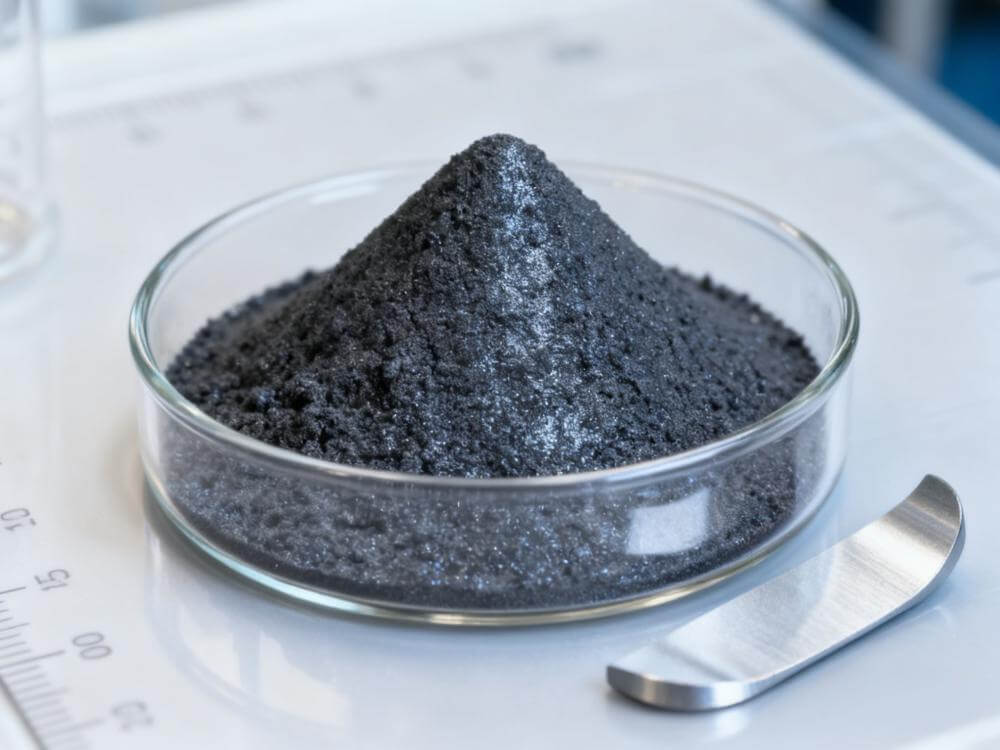
As a niche yet high-strategic rare metal, hafnium (Hf, atomic number 72) lags behind common metals like copper in public awareness, but its unique physicochemical properties make it irreplaceable for nuclear power, aerospace, semiconductors and other high-end fields. This concise breakdown covers its core traits, supply dynamics and critical applications to highlight its underrecognized role in advanced manufacturing.
I. Core Properties
A silver-gray, high-melting-point transition metal, hafnium exists solely as a zirconium-associated metal—no independent ore deposits. The near-identical atomic radius and chemical properties of zirconium and hafnium make separation/purification highly challenging, the root of its scarcity.Key strengths for harsh industrial use:
- 2233℃ melting point, exceptional high-temperature oxidation/structural stability
- Strong room-temperature plasticity, balanced strength and toughness
- Superior corrosion resistance (insoluble in dilute acids/alkalis, soluble only in hydrofluoric acid/aqua regia)
- ~600x higher thermal neutron absorption than zirconium (ideal for nuclear reactor control)
- High dielectric constant of hafnium oxide (critical for advanced semiconductors)
- Carbides/nitrides (melting point >2900℃) for ultra-high-temperature ceramics and hard alloys
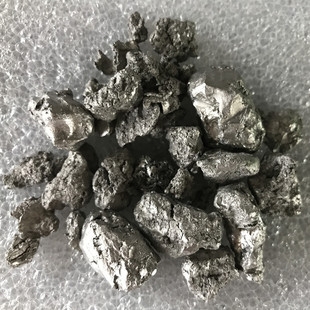
II. Supply & Scarcity
- Resources: Extremely scarce (crustal abundance ~3 ppm), exclusively tied to zirconium ores. Global resources concentrated in Australia, South Africa, the U.S. and Brazil; China faces low hafnium content in domestic zirconium ores, leading to high external dependence.
- Supply: Production hinges on zirconium smelting, with zirconium-hafnium separation as a core technical barrier. Only a handful of global players produce high-purity (nuclear/electronic-grade) hafnium at scale, forming an oligopoly. Annual output is ~hundreds of tons, with ultra-low supply elasticity—supply disruptions trigger sharp price swings.
Ⅲ. Irreplaceable Core Applications
Demand is rigid (no cost-effective substitutes) across high-end sectors:
- Nuclear Industry: Preferred material for pressurized water reactor control rods, regulating reaction rates and ensuring safety. Driven by global nuclear power revival, demand is steadily growing.
- Aerospace: Key nickel-based single-crystal superalloy additive, boosting high-temperature creep strength and lifespan for aero-engine turbine blades, combustors and rocket nozzles.
- Semiconductors: High-purity electronic-grade hafnium oxide overcomes silicon dioxide’s miniaturization limits, reducing leakage current and enabling advanced-node chip production—a key growth driver.
- Other High-End Fields: Used in cutting tool coatings, special electronic components, corrosion-resistant materials and emerging hydrogen storage research, with expanding use cases.
Ⅳ. Conclusion
Hafnium is a "scarce niche metal with rigid high-end demand," holding irreplaceable strategic value in China’s key industries (nuclear power, aerospace, semiconductors). The global market remains in long-term tight supply-demand balance, and its strategic and market value will rise alongside global advanced manufacturing upgrades.
![Nandan County Jilang Indium Industry Tendered 1 mt of Crude Indium on the 23rd [SMM Indium Report]](https://imgqn.smm.cn/usercenter/yunIW20251217171723.jpeg)