

Aluminum Producers' Operating Rates Rebound to 61.9%; High Prices Challenge "Golden March" Peak Season [SMM Survey]
[SMM Weekly Survey of the Aluminum Downstream Sector: Downstream Aluminum Operating Rate Continued to Rebound to 61.9%, with High Prices Suppressing the Peak "Golden March" Season] This week, the weekly operating rate of leading downstream aluminum processing enterprises in China rose 2.4 percentage points MoM to 61.9%, overall extending the post-holiday recovery trend, with all segments rebounding MoM, and the industry as a whole entering a normal production pace.
This week, the weekly operating rate of leading downstream aluminum processing enterprises in China rebounded 2.4 percentage points WoW to 61.9%, overall extending the post-holiday recovery trend. All segments improved WoW, and the industry as a whole entered a normal production pace. Specifically, as power grid investment entered a concentrated delivery period, the aluminum wire and cable segment performed strongly, with the operating rate rising another 2 percentage points to 65%. Demand for UHV and overhead lines remained robust, and enterprises' production schedules already covered March, signaling a clear trend of fluctuating at highs. The operating rate of leading aluminum foil enterprises held steady at 72.9%. The recovery in demand during the traditional peak season coexisted with short-term support from battery foil, but the conflict in the Middle East weighed on air-conditioner exports, affecting air-conditioner foil production schedules and limiting further upside. The operating rate of aluminum plate/sheet and strip edged up 1 percentage point to 70.0%. Recovering demand for can stock and batteries provided support, but sharp aluminum price swings suppressed the pace of pick-up goods. Coupled with a YoY decline in automotive sheets & plates orders and the suspension of exports to the Middle East, the industry's operating rate also faced resistance to further gains. The operating rate of aluminum extrusion jumped 7.3 percentage points WoW to 51.8%, mainly due to workers returning to their posts and solid intake of engineering-related orders. PV and automotive extrusion also offered support, but intensified aluminum price volatility kept end-users on the sidelines, and peak-season performance lagged behind the same period in previous years. The operating rate of primary aluminum alloy rose to 53%, as the completion of production line upgrades supported work resumptions, but high prices restrained spot procurement and wait-and-see sentiment remained strong in the market. The operating rate of secondary aluminum rebounded 2.5 percentage points to 58.8%. Production resumptions progressed steadily, but end-user orders had yet to increase meaningfully. Downstream die-casting enterprises were under cost pressure and showed clear resistance to high-priced raw materials, resulting in a relatively slow recovery. Overall, this week, operating rates across the aluminum processing industry recovered across the board, driven by post-holiday resumptions of work, but elevated aluminum prices and macro uncertainty continued to suppress the elasticity of demand release. The strength of the traditional March peak season still remains to be seen.
Primary Aluminum Alloy: This week, the operating rate of the primary aluminum alloy industry rose to 53%, up 1.8 percentage points WoW. The main reason for the rebound was that the impact of the Chinese New Year holiday had largely faded, and the industry as a whole had gradually completed work resumptions and entered a normal production pace. In addition, the completion of production line upgrades at one enterprise also helped lift the operating rate. However, the overall increase remained relatively limited. This was mainly constrained by persistently high aluminum prices. Beyond rigid long-term contract demand, downstream enterprises generally showed weak willingness to make spot purchases, and overall spot trade remained sluggish. Meanwhile, weak macro sentiment and a strong wait-and-see sentiment in the market further restrained the release of actual demand. Looking ahead to next week, as the work resumption process continues to advance, the operating rate is expected to maintain a slight upward trend. At the same time, pickup volume under downstream long-term contracts is expected to gradually recover, providing some support for production.
Aluminum Plate/Sheet and Strip: This week, the operating rate of leading aluminum plate/sheet and strip enterprises rose 1 percentage point WoW to 70.0%. On the operations side, with the arrival of the traditional peak season in March, demand for products such as can stock and batteries continued to recover, driving some enterprises to further raise operating rates. However, sharp aluminum price swings mid-week heated up downstream clients' wait-and-see sentiment and slowed the pace of pick-up goods, while some enterprises slowed production pace due to high aluminum prices. On the export side, trends diverged. In 2025, exports to the Middle East accounted for more than 10% of plate/sheet, strip and foil exports. At present, all orders from the region have been suspended, including in-transit orders that have also been returned, while export orders from Southeast Asia increased YoY. On the order side, automotive sheets & plates orders fell 5-10% YoY due to the rollback of the vehicle purchase tax incentive, becoming an important factor constraining operating rates. In summary, support from recovering demand remained limited. Dragged by aluminum price volatility, weak automotive orders, and the suspension of exports to the Middle East, the operating rate of leading aluminum plate/sheet and strip enterprises was unlikely to rise further and is expected to fluctuate rangebound.
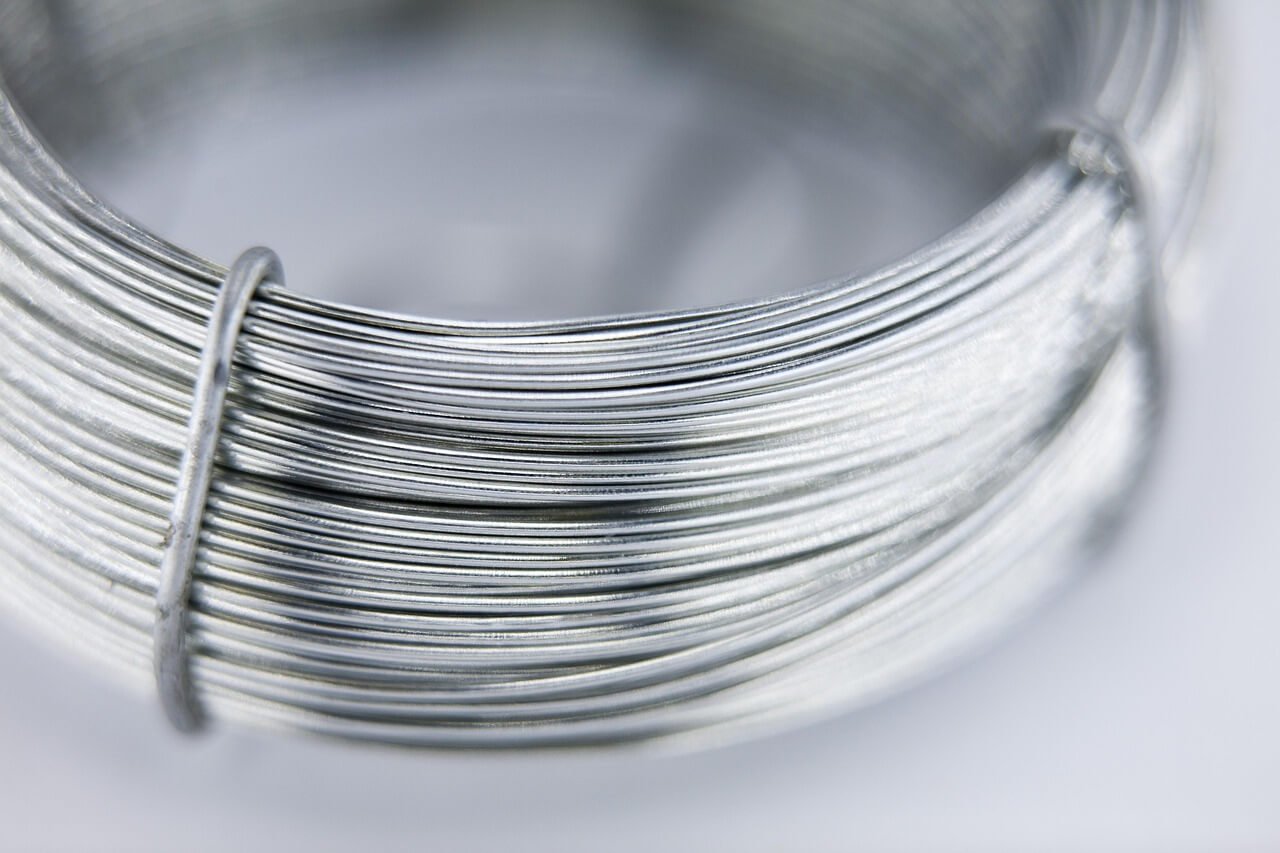
Aluminum Wire and Cable: This week, the weekly operating rate of China's aluminum wire and cable industry continued to rise to 65%, up another 2 percentage points WoW, with the recovery trend remaining strong. Power grid construction entered a concentrated delivery period, keeping cable manufacturers active in procurement and further accelerating enterprises' production pace. Demand from UHV projects and overhead lines remained robust. Most manufacturers kept their production lines running at load, and tight capacity drove growth in outsourced orders. Leading enterprises had ample order reserves, and production schedules basically covered March, making the tight near-term cargo pick-up situation difficult to change. As infrastructure investment accelerates implementation and power grid upgrades continue to advance, the high-level operating rate is expected to be consolidated, industry activity is expected to extend into Q2, and the overall market is expected to maintain a steady and improving development trend.
Aluminum Extrusion: This week, the operating rate of the aluminum extrusion industry rose 7.3 percentage points WoW to 51.8%. By mid-March, extrusion enterprises had fully resumed their normal pre-holiday production pace, and the earlier constraints on capacity release caused by insufficient staff returning to work had basically eased. In the construction extrusion segment, although the real estate market remained sluggish, some large enterprises in Shandong and Guangdong reported solid recent intake of engineering-related orders, effectively supporting operating rates. In the industrial extrusion segment, demand for PV extrusion remained stable. Although front-loaded export orders affected the pace to some extent, domestic demand still showed resilience, and leading frame enterprises are expected to maintain full production by month-end. In addition, some small and medium-sized enterprises in Anhui, Jiangsu, and Fujian said that their partner automakers had entered a new product R&D cycle, which also supported their operating rates. Overall, although the industry's operating rate rebounded significantly WoW, recent increases in aluminum price volatility kept end-user wait-and-see sentiment relatively strong, and peak-season performance lagged behind the same period in previous years. SMM will continue to track industry developments, with a focus on the inventory cycle inflection point during "Golden March and Silver April" and the pace of end-use demand recovery.
Aluminum Foil: This week, the operating rate of leading aluminum foil enterprises held steady at 72.9%. On the operations side, as the traditional peak season arrived in March, demand for multiple aluminum foil products continued to recover, and leading enterprises had relatively ample orders on hand. However, affected by the conflict in the Middle East, air-conditioner exports to the region were hit, and March air-conditioner export schedules are expected to be cut by more than 500,000 units, directly suppressing air-conditioner foil production schedules and limiting further increases in the operating rate. At the same time, adjustments to the battery export tax rebate policy boosted short-term demand for battery foil and brazing foil, providing some support. In the short term, the recovery in traditional peak-season demand and support from battery foil demand remained prominent. Although air-conditioner foil production schedules were restrained, overall demand showed strong resilience, and the operating rate of leading aluminum foil enterprises will fluctuate at highs.
Secondary Aluminum: This week, the operating rate of the secondary aluminum industry continued to rise, with the operating rate of leading enterprises rebounding 2.5 percentage points WoW to 58.8%. Post-holiday production resumptions progressed steadily, but the overall operating level had yet to return to the pre-holiday level. Capacity release remained constrained by multiple factors. On the one hand, end-user orders had yet to increase meaningfully, the traditional March peak season delivered weaker-than-expected results, and order growth lacked momentum. Coupled with a rapid rise in aluminum prices, downstream die-casting enterprises faced difficulty passing through costs and were under profit pressure, intensifying resistance to high-priced raw materials. Procurement was mainly based on rigid demand, and the market maintained a strong wait-and-see atmosphere. On the other hand, in some regions, uncertainty over policies and tight supply of compliant raw materials limited the rebound in operating rates. In the short term, the operating rate of secondary aluminum will still recover gradually, with follow-up focus on the pace of downstream order release and raw material circulation conditions.
Data Source Statement: Except for publicly available information, all other data are processed by SMM based on publicly available information, market communication, and relying on SMM‘s internal database model. They are for reference only and do not constitute decision-making recommendations.
For any inquiries or to learn more information, please contact: lemonzhao@smm.cn
For more information on how to access our research reports, please contact:service.en@smm.cn
Related News
![ADC12 Prices Rose Again This Week[[Weekly Review of Aluminum Scrap and Secondary Aluminum]]](https://imgqn.smm.cn/production/admin/votes/imageskkgTu20240508153005.png)
11 hours ago
ADC12 Prices Rose Again This Week[[Weekly Review of Aluminum Scrap and Secondary Aluminum]]
Read More
ADC12 Prices Rose Again This Week[[Weekly Review of Aluminum Scrap and Secondary Aluminum]]
[[Weekly Review of Aluminum Scrap and Secondary Aluminum]]Aluminum Prices Strengthened This Week, Rising Costs Drove Up ADC12 Prices
11 hours ago
12 hours ago
SHFE Cast Aluminum Alloy Warrants Down 540 mt to 55,360 mt on March 12
Read More
SHFE Cast Aluminum Alloy Warrants Down 540 mt to 55,360 mt on March 12
[SMM Flash News] SHFE data showed that as of March 12, the total registered volume of cast aluminum alloy warrants was 55,360 mt, down 540 mt from the previous trading day. By region, the total registered volume was Shanghai (4,930 mt, down 150 mt), Guangdong (19,242 mt, unchanged), Jiangsu (6,756 mt, down 149 mt), Zhejiang (18,540 mt, down 182 mt), Chongqing (4,144 mt, down 90 mt), and Sichuan (1,748 mt, down 59 mt).
12 hours ago
13 hours ago
PowerChina to Develop Power Plant for Nanshan's Aluminium Project in Indonesia SEZ
Read More
PowerChina to Develop Power Plant for Nanshan's Aluminium Project in Indonesia SEZ
[SMM Aluminum Express News] PowerChina (Power Construction Corporation of China) will develop a new power plant to support Shandong Nanshan Group's integrated aluminium project in the Galang Batang Special Economic Zone (SEZ) on Bintan Island, Indonesia.
13 hours ago
Related News
ADC12 Prices Rose Again This Week[[Weekly Review of Aluminum Scrap and Secondary Aluminum]]
Mar 12, 2026 18:59
SHFE Cast Aluminum Alloy Warrants Down 540 mt to 55,360 mt on March 12
Mar 12, 2026 18:05
PowerChina to Develop Power Plant for Nanshan's Aluminium Project in Indonesia SEZ
Mar 12, 2026 17:42
Geopolitical Disruptions Dominated, Sustaining Elevated Aluminum Prices [SMM Aluminum Price Weekly Review]
Mar 12, 2026 16:06
Register to Continue Reading
Gain access to the latest insights in metals and new energy
Already have an account?sign in here