[SMM Analysis] US-Iran War: What It Means for Global Copper Concentrate Market?

Published: Mar 2, 2026 13:42
[SMM Analysis: How does the Iran-Israel conflict affect copper concentrate?]

On February 28, 2026, Israel and the United States launched a joint military strike against Iran, causing geopolitical risks to rapidly spill over and drawing attention from the global commodity markets.

From the perspective of global supply patterns, Iran is not a core producer of copper concentrate. Data shows that although Iran's copper concentrate output has steadily increased in recent years, rising from 315,000 metric tons (metal tons) in 2017 to 410,000 metric tons in 2025, its share of global production has long hovered between 1.8% and 2.0%. Amidst expectations of a tight global copper concentrate supply-demand balance, any regional conflict and increase in the disruption rate could exacerbate the anticipated supply tightness.

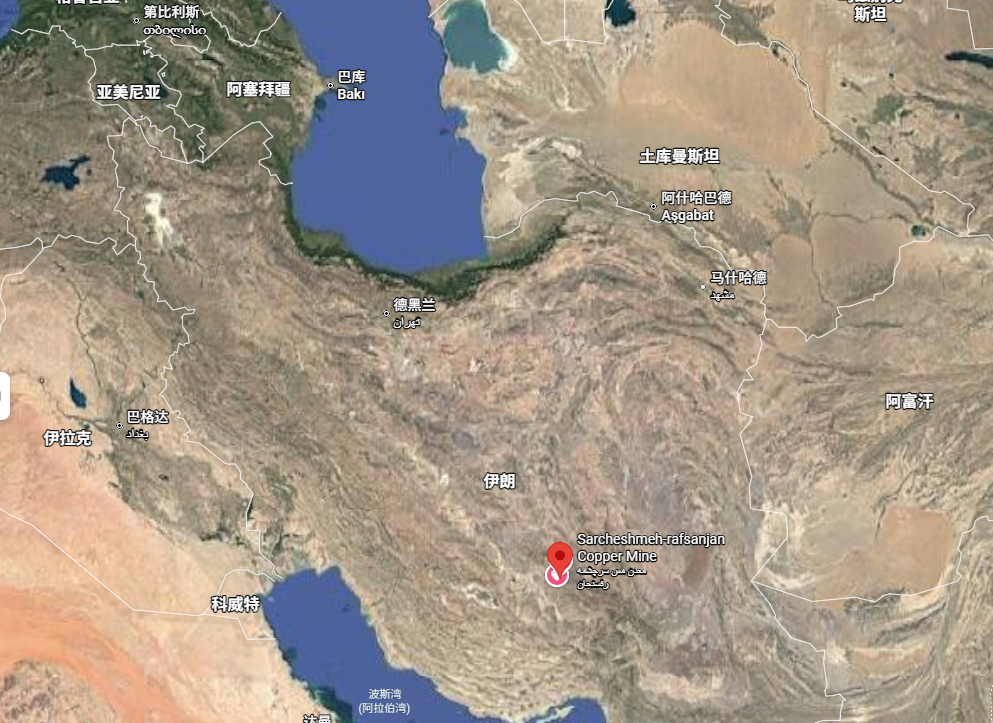
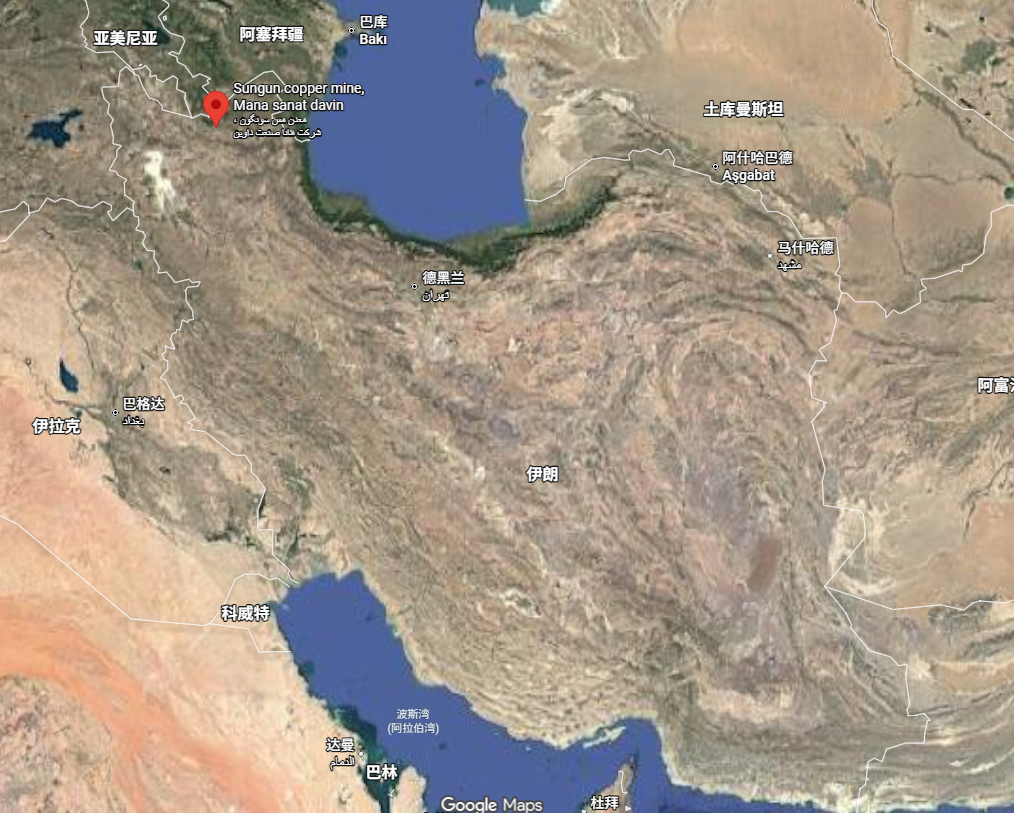
According to SMM, Iran's major copper mines are the Sarcheshmeh Copper Mine and the Sungun Copper Mine. In recent years, Iran's copper concentrate production has ranged between 350,000 and 400,000 metal tons. Moreover, both the Sarcheshmeh and Sungun mines are located far from the targeted Iranian capital, Tehran, meaning the current impact of this conflict on Iran's copper industry is relatively minor.

Focusing on the impact on the Chinese market, Iran also holds a marginal position in China's copper concentrate import structure. According to recent data from Chinese Customs, the volume of copper concentrate imported by China from Iran is only in the range of tens of thousands of physical tons per year, accounting for a very low proportion of China's total imports—consistently hovering around 0.1%. In 2025, copper concentrate imports from Iran accounted for only 0.1% of China's total.

Of course, the market sentiment fluctuations and potential increases in freight and insurance rates triggered by military actions warrant attention. However, these are more likely to be short-term sentiment disturbances and minor increases on the cost side, rather than a fundamental reversal in supply and demand fundamentals. China's copper concentrate import sources are highly diversified, relying primarily on regions such as South America and Asia. This diversified procurement channel provides a solid barrier for safeguarding national resource security.

Overall, the impact of this conflict on the copper industry is expected to be limited. SMM will continue to monitor subsequent developments.
Data Source Statement: Except for publicly available information, all other data are processed by SMM based on publicly available information, market communication, and relying on SMM‘s internal database model. They are for reference only and do not constitute decision-making recommendations.

For any inquiries or to learn more information, please contact: lemonzhao@smm.cn
For more information on how to access our research reports, please contact:service.en@smm.cn
Related News
Chile's Water Crisis Threatens Atacama's Copper and Lithium Mining Amid 14-Year Drought
2 hours ago
Chile's Water Crisis Threatens Atacama's Copper and Lithium Mining Amid 14-Year Drought
Read More
Chile's Water Crisis Threatens Atacama's Copper and Lithium Mining Amid 14-Year Drought
Chile’s most pressing crisis at present is the issue of water resources. The Atacama Desert in Chile is one of the driest regions in the world and also the core area for copper and lithium ore extraction. The local area has experienced a drought for as long as 14 years, and reservoir storage has fallen to only about 30%. For miners, water resources are not a secondary issue, but an indispensable key production factor in such processes as ore processing, dust suppression, and equipment cooling. The decline in ore grade has further exacerbated the predicament
2 hours ago
Trump Adjusts Metal Tariffs, Applies 50% Rate to Consumer Prices Under Section 232, Details Unclear
2 hours ago
Trump Adjusts Metal Tariffs, Applies 50% Rate to Consumer Prices Under Section 232, Details Unclear
Read More
Trump Adjusts Metal Tariffs, Applies 50% Rate to Consumer Prices Under Section 232, Details Unclear
US President Trump adjusted the national security tariffs on imports of steel, aluminum, and copper, lowering the tariff rates on derivative products made from these metals, streamlining compliance procedures, and preventing the declared value of imports from being understated.A senior Trump administration official said that, under a proclamation signed by Trump, the US would continue to maintain a 50% import tariff on imports of metal commodities such as steel, aluminum, and copper pursuant to Section 232 of the Trade Act of 1974, but would apply this rate to the price paid by US consumers. It is currently unclear how the selling price—and the resulting tariffs—would be determined.
2 hours ago
Barrick Confirms 2028 Production Target for Reko Diq Copper-Gold Project in Pakistan Despite Budget Concerns
3 hours ago
Barrick Confirms 2028 Production Target for Reko Diq Copper-Gold Project in Pakistan Despite Budget Concerns
Read More
Barrick Confirms 2028 Production Target for Reko Diq Copper-Gold Project in Pakistan Despite Budget Concerns
Barrick Mining said that its Reko Diq copper-gold project in Pakistan still plans to achieve first production by the end of 2028.The project is a large-scale copper-gold project jointly developed by Barrick, the Pakistani government, and relevant joint venture partners, and is located in Balochistan, Pakistan. Although the company had previously warned that the capital budget previously disclosed for the project's two phases could face a significant increase, the 2028 production commencement target remained unchanged.
3 hours ago