On January 30, 2026, the National Energy Administration held a press conference (introducing the national energy situation in 2025, etc.), at which Deputy Director Bian Guangqi of the Energy Conservation and Technology Equipment Department and Deputy Director Liu Mingyang of the Electricity Department responded to journalists' questions on the work related to hydrogen energy development and issues such as the integrated development of new energy and industries. The relevant content constitutes an important notification of work achievements and future deployment in the hydrogen energy sector.
Content related to hydrogen energy in the document: Hydrogen energy is listed as an important direction for future industries, playing a significant role in the construction of new-type power systems and new-type energy systems, and can promote the development and utilization of new energy, helping to achieve the "dual carbon" goals. Key work achievements during the "14th Five-Year Plan" period: First, Planning Leads to Quality Improvement, taking the lead in establishing an inter-ministerial coordination mechanism for the hydrogen energy industry development, formulating the "Medium and Long-Term Plan for Hydrogen Energy Industry Development (2021–2035)", and compiling the "China Hydrogen Energy Development Report"; second, Pilot Innovation and Integration, carrying out hydrogen energy pilots in 41 projects and 9 regions (covering directions such as large-scale new energy hydrogen production and full-chain development), implementing the "Hydrogen Energy Technology" key special project, and releasing a list of hydrogen energy first (set) technical equipment in 5 batches comprising 27 items and promoting their application; third, Standards Strengthen the Foundation, establishing the Standardization Technical Committee for the Hydrogen Energy Sector in the Energy Industry, promoting the compilation of standards such as the "Clean and Low-Carbon Hydrogen Evaluation Standard", and cooperating in the release of the methodology for renewable energy water electrolysis hydrogen production. By the end of 2025, the capacity for renewable energy hydrogen production exceeded 250,000 mt/year, doubling compared to the previous year, with projects in many places completed and put into operation, and the industrial chain gradually becoming interconnected. During the "15th Five-Year Plan" period, efforts will be intensified to strengthen planning guidance, increase policy support, tackle core technologies, etc., to cultivate hydrogen energy as a future industry; simultaneously, promoting industries such as water electrolysis hydrogen production to leverage their flexible regulation capabilities, forming new business models such as comprehensive green hydrogen-ammonia-methanol industrial bases, and creating a broad market for the hydrogen energy production, storage, transportation, and utilization industries.
Policy coordination and cooperation: Previously, the National Energy Administration had issued multiple hydrogen energy-related policies, including jointly issuing the "Medium and Long-Term Plan for Hydrogen Energy Industry Development (2021–2035)" with the National Development and Reform Commission (NDRC) in 2022, jointly issuing the "Guiding Opinions on Vigorously Implementing the Renewable Energy Substitution Action" with multiple departments in 2024 to encourage large-scale substitution with low-carbon hydrogen and explore the construction of integrated wind-solar-hydrogen-ammonia-methanol bases, launching hydrogen energy pilot work in the energy sector in June 2025, and issuing a document on January 18, 2026 to establish four standardization technical organizations in the hydrogen energy field; the content reported in this press conference constitutes a summary of the effectiveness of previous planning, pilot projects, and standard construction work, along with subsequent advancement, further improving the full-chain policy system of "planning-pilot-standards-application", working in the same direction as previous policies to continuously promote the hydrogen energy industry from orderly initiation to large-scale, high-quality development.
Full text as follows:
The National Energy Administration held a press conference to introduce the national energy situation in 2025, energy supply guarantee for peak winter demand, the development of new-type energy storage, the national electricity market trading, and other related situations, and answered questions from journalists.
[Zhang Xing, Deputy Director General of the General Affairs Department] Good morning, friends from the press! Welcome to the National Energy Administration's regular press conference. Today's press conference will introduce the national energy situation in 2025, the development of new-type energy storage, national electricity market trading, and energy supply guarantee for this year's peak winter demand, among other topics, and will answer questions from journalists.
Attending today's press conference are Mr. Xing Yiteng, Deputy Director General of the Development Planning Department; Mr. Bian Guangqi, Deputy Director General of the Energy Conservation, Science and Technology Equipment Department; Mr. Liu Mingyang, Deputy Director General of the Electric Power Department; and Mr. Wang Yunbo, Deputy Director General of the Market Regulation Department. I am Zhang Xing, Deputy Director General of the General Affairs Department and Spokesperson of the Administration. After the presentations by the various department heads, we will have a unified Q&A session for journalists. Now, I invite Deputy Director General Xing Yiteng from the Planning Department to introduce the national energy situation and development achievements in 2025.
[Xing Yiteng, Deputy Director General of the Development Planning Department] Good morning, friends from the press. Next, I will briefly introduce the national energy situation in 2025. In 2025, China's energy supply guarantee capability was effectively enhanced, supply and demand were generally balanced, multiple important policy measures were intensively introduced, the industry developed in a healthy and orderly manner, the foundation for building a new energy system was continuously strengthened, helping China's economy to sustain its rebound and improvement. I will focus on three key achievements:
First, energy security was effectively guaranteed. 2025 was the year with the best energy supply guarantee results since the "14th Five-Year Plan" period. Raw coal production remained stable, with the output of raw coal from industrial enterprises above designated size up 1.2% YoY. Both oil and gas output reached record highs, with crude oil output from industrial enterprises above designated size up 1.5% YoY and natural gas output from industrial enterprises above designated size up 6.2% YoY. Power supply was stable and orderly, with a batch of UHVDC transmission projects put into operation, continuously improving the complementary and mutual support level of the power system.
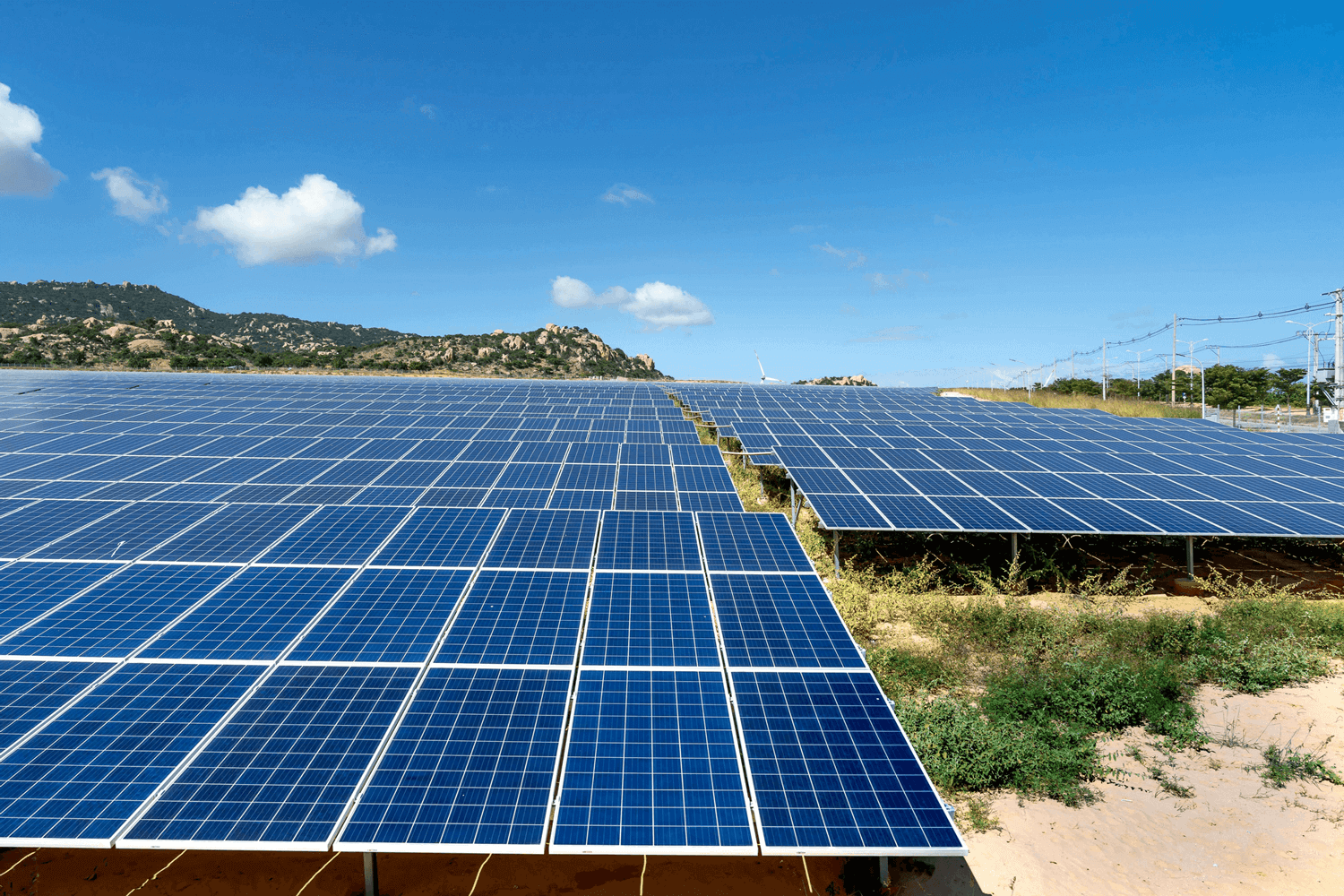
Second, the pace of green and low-carbon transformation accelerated. A series of policy measures were formulated and introduced to promote the integrated development of new energy, facilitate new energy consumption and regulation, helping to improve the quality and efficiency of new energy development. Throughout the year, new wind and PV installations exceeded 430 million kW, and the cumulative installed capacity surpassed 1.8 billion kW, with the share of renewable energy installed capacity exceeding 60%. Renewable energy power generation reached approximately 4.0 trillion kWh, exceeding the total electricity consumption of the EU-27 (approximately 3.8 trillion kWh).
Third, significant results were achieved in the orderly development of the industry. Comprehensive rectification of "involutionary" competition in the PV industry was deeply advanced. By the end of 2025, the prices of polysilicon and silicon wafers reached 53.86 yuan/kg and 1.329 yuan/piece, respectively, up 52.0% and 35.6% from their annual lows. Comprehensive measures were implemented to achieve stable coal production, supply, and pricing, guiding spot prices to operate within a reasonable range. By the end of 2025, the spot price of 5,500 kcal thermal coal at Bohai Rim ports reached 690 yuan/mt, an increase of 75 yuan/mt from the annual low. That concludes my presentation. Thank you!
[Deputy Director-General Zhang Xing, Comprehensive Department]Thank you, Deputy Director-General Xing Yiteng.Next, Deputy Director-General Liu Mingyang from the Electricity Department will introduce the energy supply guarantee situation for this winter’s peak demand period.
[Deputy Director-General Liu Mingyang, Electricity Department]Hello, friends from the media! I will now introduce the energy supply guarantee situation for this winter’s peak demand period.
Electricity sector. This winter, the national average temperature was close to or slightly warmer than the same period in previous years, but frequent “cold-warm transitions” occurred, with increased cold air activity in north China, leading to multiple rounds of intense cold wave conditions. National electricity load repeatedly broke historical winter peak records. On January 4, 2026, the national maximum power load reached 1.351 billion kW, setting a new winter load record (the previous record was 1.345 billion kW on December 21, 2023). On January 19, 20, and 21, affected by widespread cold wave conditions, the national maximum power load set new winter records for three consecutive days, exceeding 1.4 billion kW for the first time, with the peak reaching 1.433 billion kW on January 21. Since the beginning of this winter, the power grids of three regions (North China, Northwest China, Northeast China) and 14 provincial-level grids (including Xinjiang and Tibet) have recorded a cumulative total of 86 new historical load peaks.
The National Energy Administration thoroughly implemented the decisions and deployments of the CPC Central Committee and the State Council, urging and guiding local authorities and relevant energy enterprises to fully ensure stable and orderly energy and power supply. Currently, national fuel reserves are sufficient, and power supply remains stable. First, we shouldered our supply guarantee responsibilities to ensure safe and reliable power supply. We adopted a “one-province-one-policy” approach to guide and supervise the detailed implementation of supply guarantee measures, prepared contingency plans, optimized power grid arrangements, and enhanced inter-provincial surplus-deficit coordination. Currently, fuel supply for nationally dispatched power plants is solid and reliable, with coal inventories at power plants in key heating areas such as Northeast China exceeding 25 days. Second, we maintained continuous monitoring and early warning to coordinate and resolve supply guarantee risks. We continuously conducted monitoring and analysis of winter power supply guarantees, closely tracked changes in weather, load, and supply-demand conditions, strengthened bottom-line guarantees in vulnerable areas such as remote regions and urban villages where line and transformer overloads frequently occur, and properly addressed operational risks to supply guarantees. Third, we enhanced service awareness to ensure high-quality and efficient power supply and heating. We strengthened electricity safety services for residential and key users, conducted special inspections on hidden electricity safety hazards for important users, and performed special equipment inspections in response to holiday loads and cold wave conditions. Focusing on the implementation of clean heating policies and the quality of energy supply guarantees, we ensured the stable and orderly progress of clean heating efforts in north China. Fourth, strengthen regulatory oversight and properly address the urgent and difficult issues of public concern. Leverage the frontline regulatory role of dispatched agencies, enhance supervision of residential electricity use, strengthen monitoring of electricity spot market operations, and utilize market price signals to guide power generation enterprises in maintaining stable and full-capacity generation. Strengthen the whole-process supervision of complaints handled through the 12398 energy regulatory hotline, and urge energy and power enterprises within their jurisdictions to promptly address various public demands that are frequently reported, further enhancing the public's sense of gain in energy use.
Coal side. Adhere to the unwavering role of coal as a bottom-line guarantee, continue to leverage the national daily coal production scheduling mechanism, promptly coordinate and resolve prominent issues encountered in stabilizing coal production and supply, and guide key coal-producing provinces (regions) and mining enterprises in scientifically formulating production plans and reasonably arranging equipment maintenance. Since the peak winter period began, coal production has remained at a relatively high level. On January 27, the coal inventory at national unified dispatch power plants was 220 million mt, sufficient for 26 days. The long-term contract price for 5,500 kcal/kg thermal coal at Qinhuangdao Port was 684 yuan/mt, while the spot price for 5,500 kcal/kg thermal coal at Bohai Rim ports was 694 yuan/mt. The foundation for coal supply during the peak winter period is solid and reliable, with market operations stable and orderly.
Oil and gas side. Refined oil products side. In 2025, the refined oil market demand remained generally weak. According to industry monitoring, annual refined oil consumption was 378 million mt, down 2.9% YoY; refined oil production was 414 million mt, down 2.4% YoY. Overall, the domestic refined oil market has ample supply and stable inventory, maintaining a supply-demand balance in the petroleum market during the peak winter period. Natural gas side. Since the start of the heating season, the National Development and Reform Commission (NDRC) and the National Energy Administration have jointly initiated a daily reporting system and weekly meeting mechanism for natural gas supply security. They issued the "Notice on Strengthening Natural Gas Supply in Key Areas to Ensure the Public Stays Warm in Winter," providing further detailed arrangements for issues such as gas source guarantees for rural coal-to-gas conversion projects and coordination between gas and electricity. As of January 27, cumulative natural gas consumption during the national heating season reached 119.52 billion m³, up 4.6% YoY. Domestic gas production and imported pipeline gas operated steadily at relatively high levels, with sufficient regulation capacity from underground gas storage and coastal LNG receiving terminals, ensuring natural gas supply during the peak winter period.
Currently, we are in a critical period of the peak winter season, especially with the upcoming Chinese New Year holiday. The National Energy Administration will work together with relevant provinces, regions, and energy enterprises to continuously strengthen monitoring, early warning, and coordination, and enhance preparedness for extreme weather conditions such as low temperatures, snow, and freezing. This will ensure stable and orderly national energy supply security, providing strong support for the public to stay warm during the winter and enjoy a peaceful holiday season. Thank you everyone!
[Deputy Director General Zhang Xing, Comprehensive Affairs Department]Thank you Deputy Director General Liu Mingyang.Next, Deputy Director General Bian Guangqi from the Energy Conservation and Technology Equipment Department will introduce the development of new-type energy storage in 2025.
[Deputy Director General Bian Guangqi, Energy Conservation and Technology Equipment Department]Good morning, friends from the media. I will now brief you on the development of new-type energy storage in 2025.
The CPC Central Committee and the State Council attach great importance to the development of new-type energy storage. The Fourth Plenary Session of the 20th CPC Central Committee explicitly called for "vigorously developing new-type energy storage." The National Energy Administration has thoroughly implemented the decisions and deployments of the CPC Central Committee and the State Council, making coordinated plans and taking multiple measures to achieve solid results in advancing new-type energy storage, providing strong support for building a new energy system and a new power system.
New-type energy storage installations increased by 84% compared to the end of 2024. By the end of 2025, the scale of operational new-type energy storage installations nationwide reached 136 million kW/351 million kWh, a more than 40-fold increase compared to the end of the 13th Five-Year Plan period, representing leapfrog development. The average energy storage duration was 2.58 hours, an increase of 0.30 hours from the end of 2024.
By region, north China had the largest share of installations. Operational new-type energy storage installations in north China accounted for 32.5% of the national total, north-west China for 28.2%, east China for 14.4%, south China for 13.1%, central China for 11.1%, and north-east China for 0.7%. Over the past year, north China and north-west China were the main growth areas for new-type energy storage, with new installations of 21.88 million kW and 19.66 million kW, accounting for 35.2% and 31.6% of the national new installations, respectively.
By province, Xinjiang, Inner Mongolia, and others developed rapidly. Driven by multiple factors including steady growth in electricity demand, rapid development of new energy, and strong policy support, provinces such as Xinjiang, Inner Mongolia, Yunnan, Hebei, and Shandong saw rapid development of new-type energy storage, with new installations of 10.23 million kW, 10.03 million kW, 6.13 million kW, 5.69 million kW, and 4.04 million kW, respectively. The top three provinces by cumulative installation scale were: Inner Mongolia (20.26 million kW), Xinjiang (18.8 million kW), and Shandong (11.21 million kW). Eight provinces, including Hebei, Jiangsu, Ningxia, Yunnan, Gansu, Zhejiang, and Henan, had installation scales exceeding 5 million kW.
In terms of single-station scale, the trend towards larger projects exceeding 100,000 kW is evident. By the end of 2025, projects of 100,000 kW and above accounted for 72% of the total installation scale, an increase of about 10 percentage points from the end of 2024; projects with a duration of 4 hours and above gradually increased, accounting for 27.6% of the total installation scale, an increase of about 12 percentage points from the end of 2024. From the application scenario perspective, standalone ESS share increased. In 2025, new installations of standalone ESS reached 35.43 million kW, with cumulative installed capacity share at 51.2%, up approximately 5 percentage points from year-end 2024. By technology route, lithium-ion battery ESS still dominated, accounting for 96.1% of installations, while compressed air ESS, flow battery ESS, flywheel ESS, etc., together accounted for 3.9%.
Meanwhile, utilization of new-type energy storage further improved. Preliminary statistics show that in 2025, national new-type ESS equivalent utilization hours reached 1,195 hours, up nearly 300 hours from 2024. Among them, equivalent utilization hours of new-type ESS in State Grid and China Southern Power Grid operating areas were 1,175 hours and 1,294 hours, respectively. The flexible regulation capability of new-type ESS has become increasingly prominent, playing a growing role in promoting new energy integration, improving power system security, stability, and supply reliability.
Next, the National Energy Administration will thoroughly implement the spirit of the Fourth Plenary Session of the 20th Central Committee, scientifically formulate the 15th Five-Year Plan implementation plan for new-type energy storage development, improve the policy management system for new-type energy storage, continuously deepen technological and industrial innovation, vigorously promote high-quality development of new-type energy storage, and strongly support the construction of new-type energy systems and new-type power systems. Thank you!
[Comprehensive Department Deputy Director Zhang Xing]Thank you, Deputy Director Bian Guangqi.Next, Deputy Director Wang Yunbo from the Market Regulation Department will introduce the effectiveness of national electricity market trading in 2025.
[Market Regulation Department Deputy Director Wang Yunbo] Hello, media friends! In 2025, the National Energy Administration resolutely implemented the decisions and deployments of the Central Committee and the State Council, actively promoted the construction of a national unified electricity market in coordination with the National Development and Reform Commission (NDRC), effectively facilitated optimal allocation of electricity resources, and balanced security of supply, green transition, and price stability.
National electricity market trading volume hit a new high in 2025, with cumulative trading volume reaching 664 million kWh, up 7.4% YoY. Three main features emerged. First, the share of market-based trading volume continued to rise, accounting for 64.0% of total electricity consumption, up 1.3 percentage points YoY, meaning "for every three kWh of total electricity consumed, two kWh were traded through the market." This was mainly due to near-full coverage of provincial spot markets, continuous operation of medium- and long-term electricity markets, and increasingly flexible and efficient market trading mechanisms. New energy fully participated in the market, the number of registered market entities in trading centers expanded steadily, exceeding 1 million, and market activity continued to climb. Second, cross-provincial and cross-regional electricity transaction volume continued to grow, reaching 1.59 trillion kWh, a record high, up 11.6% YoY, 4.2 percentage points higher than the average growth rate of national market transaction volume. The southern regional power market commenced continuous settlement operations, and the power market in the Yangtze River Delta, as well as inter-provincial power mutual assistance trading mechanisms in the Northeast, Northwest, and Central China regions, were continuously improved. During the summer peak period, cross-regional transmission channels in the "Three Norths" region operated at full capacity, and the inter-provincial spot market supported power supply guarantees in more than 20 provinces including Sichuan and Chongqing, facilitating the smooth "large-scale circulation" of power resources. Third, green electricity transaction volume surged, reaching 328.5 billion kWh, up 38.3% YoY, 18 times the scale of 2022. The transaction volume of multi-year green electricity PPAs reached 60 billion kWh. The cross-operating-area regular trading mechanism enabled users in the Greater Bay Area to use green electricity from Inner Mongolia for the first time, and users in the Yangtze River Delta to introduce green electricity from Guangxi, further meeting enterprises' green energy needs and supporting the green and low-carbon transformation of the industrial structure.
The nationally unified power market system provided important support for advancing the construction of the new-type power system and socio-economic development, playing four key roles: First, it served as a "configurator" for optimizing cross-regional resources. The abundant clean energy in the west and sufficient thermal power resources in the north could precisely meet the electricity demand of load centers in the eastern coastal and southern regions, effectively alleviating the coexistence of "stranded power" and "power shortages" in different areas. For example, in 2025, the Fujian-Guangdong DC link operated at full power throughout all periods, the southern region provided power support to Shanghai, Zhejiang, and Anhui for the first time, the maximum actual transmission power of national cross-regional channels reached 151 million kW, and cross-power grid operating area transaction volume reached 3.4 billion kWh.
Second, it acted as a "stabilizer" for power security and supply. The power spot market played a critical role, forming a new pattern of bidirectional interaction between the power supply side and the load side, as well as collaborative supply guarantee through "high prices during peak hours, low prices during off-peak hours" price signals, providing a solid foundation for ensuring power security during peak summer and winter periods. For example, on the days when power loads hit record highs in Shandong, Guangdong, Anhui, and other places in 2025, the "high prices during peak hours" in the spot market incentivized generators to proactively strengthen equipment operation and maintenance guarantees, reducing generator forced outage rates and derating rates to "double zeros."
Third, it functioned as a "booster" for the green energy transition. Spot and medium- and long-term market price signals reflected the supply-demand relationship of electricity in different periods and regions, allowing the environmental value of new energy during periods of ample power supply and its supply guarantee value during peak periods to be fully realized; the ancillary services market further improved the value realization mechanism for regulation resources, incentivizing their active participation in system regulation. For example, in 2025, 4.46 million industrial and commercial users in Shandong responded to market prices for "peak shaving and valley filling," shifting 2.25 million kW of evening peak electricity load and increasing 5.83 million kW of midday new energy accommodation space.
Fourth, it serves as an "accelerator" for real economic development. In recent years, as power supply and demand have been relatively balanced and primary energy prices have declined, market trading prices gradually decreased and were passed on to the user side. Diversified entities such as industrial and commercial users, distributed new energy, new-type energy storage, virtual power plants, and EV charging facilities accelerated their entry into the market, sharing the benefits of reform and development. Thank you!
[Zhang Xing, Deputy Director-General of the General Department] Thank you, Deputy Director-General Wang Yunbo. We will now begin the Q&A session. Journalists, please ask your questions based on today's press conference content. When posing a question, please first state the news organization you represent.
[Journalist] Recently, the "Basic Rules for the Medium and Long-Term Electricity Market" were issued, marking the first comprehensive update since the 2020 version. What were the special considerations behind introducing the new rules? How will they impact the construction of the new-type power system and the development of a nationwide unified market?
[Wang Yunbo, Deputy Director-General of the Market Regulation Department] Thank you for your question. Since the implementation of the new round of power system reform, the National Development and Reform Commission (NDRC) and the National Energy Administration formulated and revised the "Basic Rules for Medium and Long-Term Electricity Trading" in 2016 and 2020, respectively, laying a solid foundation for the healthy development and standardized operation of China's electricity market. In 2025, medium and long-term trading electricity accounted for over 95% of the total market trading volume, fully playing the role of a "stabilizer" in the electricity market.
In recent years, the construction of the new-type power system and the electricity market has continued to deepen, leading to many "new changes" in market fundamentals. On one hand, the state has introduced a series of "new policies," including the full liberalization of generation and consumption plans, power grid enterprises acting as purchasing agents, capacity pricing for coal-fired power generation, full integration of new energy into the market, and comprehensive coverage of the spot market. On the other hand, "new business models" have emerged in the market, with rapid growth in green electricity trading scale and accelerated market entry of new entities such as new-type energy storage, distributed power sources, and virtual power plants.
To better adapt to these "new changes, new policies, and new business models," we revised the 2020 version of the "Basic Rules for Medium and Long-Term Electricity Trading" to form the 2025 version of the "new rules," thereby further advancing the construction of a nationwide unified electricity market, standardizing medium and long-term electricity market trading behaviors, and legally protecting the legitimate rights and interests of market entities.
This revision plays a significant role in building a nationwide unified market and serving the construction of the new-type power system. In advancing the construction of a nationally unified market, the foundational rule system has been further improved. The relevant content of the "Green Power Trading Chapter" has been consolidated and integrated into sections such as trading varieties and trading organization. Meanwhile, content already specified in other basic rules, such as market registration, information disclosure, and metering settlement, has been coordinated and streamlined, strengthening the overall coordination and linkage of the "1+6" foundational rule system for the electricity market. Mechanism innovations, including regular cross-regional power grid operations and flexible inter-provincial mutual support transactions within regions, have been incorporated into this revision, aiming to enhance the optimal allocation capability of power resources nationwide. In serving the construction of a new-type power system, the revision adapts to objective needs such as high penetration of new energy integration and participation of new-type market entities in trading, further improving market stability, flexibility, and foresight. Regarding "stability," it promotes extending the trading cycle to "longer" durations, encourages multi-year transactions, and strengthens the "ballast" role of medium and long-term trading. Regarding "flexibility," it promotes extending the trading cycle to "shorter" durations, deepens continuous medium and long-term operations, further increases trading frequency, promotes daily continuous trading, enhances the flexibility of the medium and long-term market, and fosters coordination and linkage with the spot market. Regarding "foresight," it adds forward-looking clauses such as participation of new-type market entities in medium and long-term trading. That concludes my response, thank you!
[Reporter] We note that investment in China's energy sector maintained rapid growth in 2025. Could you elaborate on the specific investment situation and key characteristics observed nationally in 2025?
[Deputy Director General of the Development Planning Department, Xing Yiteng]Thank you for your question. In 2025, national energy investment maintained rapid growth. The completed investment in key annual projects exceeded 3.5 trillion yuan for the first time, up nearly 11% YoY. The growth rate was 12.9 and 10.1 percentage points higher than that of infrastructure and manufacturing investment during the same period, respectively. Among them, five provinces (autonomous regions) – Inner Mongolia, Xinjiang, Shandong, Guangdong, and Jiangsu – each recorded completed investment exceeding 200 billion yuan. Overall, energy investment exhibited three main characteristics.
First, investment in new formats driving the green energy transition accelerated. National new wind and PV installations exceeded 430 million kW, and the cumulative installed capacity surpassed 1.8 billion kW. Within this, investment in onshore wind power showed good growth momentum, with completed investment in key projects up nearly 50% YoY. New-type energy storage and the hydrogen energy industry continued to unleash new growth vitality, with completed investment in key projects doubling compared to the previous year.
Second, effective investment in key areas ensuring energy security continued to expand. Investment in coal power and conventional hydropower showed good growth trends. Projects involving new and under-construction cascade hydropower clusters in the major river basins of Southwest China progressed orderly, continuously increasing physical workload. Investment in areas such as the power grid maintained steady growth, with accelerated construction of inter-provincial and inter-regional power transmission channels, continuously enhancing the level of complementary and mutual support of energy resources.
Third, investment by private enterprises in the energy sector maintained rapid growth. The completed investment in key projects by private enterprises increased by 12.9% YoY, about 2 percentage points higher than the growth rate of completed investment in national energy key projects. Private enterprise investment focused on solar power generation, wind power, coal mining, and other fields, with investment in onshore wind power and distributed PV maintaining double-digit growth. Thank you.
[Reporter] We have noted that in 2025, many regions cleared out a large number of electricity retail entities, and in 2026, local electricity trading schemes strengthened regulations and constraints on electricity retail companies across multiple dimensions. What is the current development status of China's electricity retail market? What are the new considerations for the high-quality development of the electricity retail market in the next steps?
[Wang Yunbo, Deputy Director of the Market Regulation Department] Thank you for your question and for your concern regarding China's electricity market development. Since the launch of the new round of power system reform in 2015, which initiated the reform on the electricity retail side, the construction of the retail market has been steadily advancing, and the functions and roles of electricity retail companies have been continuously leveraged. Electricity retail companies serve as the bridge connecting the wholesale and retail markets; simply put, establishing an electricity retail company is like opening a "power store." These "stores" purchase electricity in bulk from power plants and then retail it to small and medium-sized industrial and commercial users. Therefore, the retail market acts both as a "firewall" and "convenience store" for end-users to participate in the market, and as a core link in guiding user resource response and enhancing the flexibility of electricity consumption on the load side.
Currently, purchasing electricity through retail companies has become the primary method for small and medium-sized users to buy electricity in the market. By the end of 2025, there were 5,288 registered electricity retail companies nationwide, representing over 700,000 electricity users in market transactions, with retail transaction volume accounting for 60% of the market-based transaction volume.
Regarding the "clearance of a large number of electricity retail entities in many regions," according to the relevant provisions of the "Electricity Retail Company Management Measures," "if an electricity retail company does not conduct actual transactions for 12 consecutive months, its trading qualification is suspended," and it also stipulates that "if no electricity retail business is conducted in any administrative region for three consecutive years, compulsory exit procedures are initiated." Therefore, relevant units must dynamically manage whether electricity retail companies continue to meet the registration conditions in accordance with the regulations.
In 2026, we will further standardize the electricity retail market. First, in terms of institutions, "establishing new rules" to improve the system of rules and regulations. We will promptly revise the "Electricity Retail Company Management Measures," research and introduce the "Basic Rules for the Electricity Retail Market," standardize the rights, responsibilities, and obligations of electricity retail companies, and refine the compliance and self-discipline operation requirements for these companies. Continuously improve retail market design, strengthen the connection between wholesale and retail markets, and enhance information disclosure in the retail market, accelerating the cultivation of retail market awareness. Second, operate the "strong new order," improving risk prevention and control mechanisms. Enhance the management mechanism for compliance risk prevention and control, and strengthen the monitoring of retail market operations. Promote the transformation of electricity retail companies from "price spread arbitrage" to "value-added services." Third, manage the "establish new system," strengthen collaborative supervision and management, and promote the construction of a collaborative governance system for the retail market, jointly creating a fair competition order in the retail market. That's all for my answer, thank you!
[Reporter] The development of China's green electricity certificates in 2025 has attracted high market attention. Looking back over the past year, what characteristics have emerged in terms of the trading scale, average trading price, and types of enterprises purchasing green certificates in China? How will China enhance the international influence of its green certificates in the future? What is the status of the compilation of the "Implementation Measures for the Minimum Proportion Target of Renewable Energy Consumption and the Renewable Energy Electricity Consumption Responsibility Weight System"? Which key energy-consuming industries are expected to be subject to the minimum proportion target requirements for renewable energy electricity consumption in the next step?
[Vice Director Zhang Xing of the Comprehensive Department] Thank you for the question. Two aspects were mentioned just now, first regarding green certificates. In 2025, China's green certificate industry achieved leapfrog development, injecting strong momentum into the quality improvement and upgrading of renewable energy. We continuously improved the top-level design of the green certificate market, establishing and enhancing a green certificate consumption mechanism that combines mandatory and voluntary approaches. In March 2025, the "Opinions on Promoting the High-Quality Development of the Green Certificate Market" was issued, proposing specific measures in terms of market supply, consumer demand, trading mechanisms, application scenarios, and international recognition. In July of the same year, the "Notice on the Renewable Energy Electricity Consumption Responsibility Weight and Related Matters for 2025" was issued, specifying green electricity consumption proportion requirements for steel, cement, polysilicon, and new data centers at national hub nodes, based on the foundation of aluminum, with verification using green certificates.
As the green certificate system continues to improve, China's green certificate market has shown a positive trend of increasing volume and price. First, the trading scale has continued to expand. In 2025, the cumulative national green certificate trading volume reached 930 million, up 1.2 times YoY, with the annual trading volume exceeding the sum of all previous years. The number of consumer entities participating in green certificate trading nationwide reached 111,000, up 87.5% YoY. Among them, high-energy-consuming, export-oriented, and high-tech enterprises became the main consumers of green certificates; individuals purchased 7.24 million green certificates, six times the number in 2024.
Second, the trading price stabilized and rebounded. Driven by both policy and market factors, the demand for green certificates continued to grow strongly. In H2 2025, the average trading price of China's green certificates was about 4.14 yuan per certificate, up 90% compared to H1.
China's green electricity certificates have made significant progress in "going global." In May 2025, RE100 unconditionally recognized China's green certificates, and in November, Chinese green certificates made their debut at COP30, receiving positive feedback. Next, we will continue to strengthen international cooperation and exchange on green certificates. We will accelerate the establishment of a standard system for green certificates and green electricity consumption, promote the internationalization of Chinese standards, and facilitate the deep integration of Chinese green certificates with mainstream international certification systems. By leveraging bilateral and multilateral intergovernmental dialogue mechanisms, we will promote the exchange and alignment of carbon-related rules and green certificate regulations, continuously conduct international promotion of green certificates, and share China's green certificate story with the world.
Regarding your second question, which concerns the minimum renewable energy consumption ratio target for key energy-consuming industries, this has been a recent focus of our work. To implement the requirements of the Energy Law, our bureau has taken the lead in drafting the "Implementation Measures for the Minimum Renewable Energy Consumption Ratio Target and the Renewable Energy Electricity Consumption Responsibility Weight System." Based on summarizing practical experience and considering the new developments and situation of renewable energy, we have further improved the renewable energy electricity consumption responsibility weight system. At the same time, we have clarified the minimum renewable energy electricity consumption and non-electricity consumption ratio targets for key energy-consuming industries and, taking into account industry development conditions, reasonably set a transition period for assessment. Currently, the "Measures" are undergoing relevant procedures and are expected to be issued soon. In line with national energy conservation and carbon reduction policies, we will fully solicit opinions from relevant industry authorities and actively and orderly expand the assessment scope for key energy-consuming industries. Thank you!
[Reporter] In 2025, the National Energy Administration issued a series of policy documents to promote the high-quality development of the energy industry, which have attracted widespread public attention. How do these policies boost investment? What further measures will be introduced?
[Xing Yiteng, Deputy Director General of the Development Planning Department] Thank you for your question. In 2025, the National Energy Administration implemented the strategic deployment of the Fourth Plenary Session of the 20th Central Committee on building a strong energy nation and a new-type energy system. We increased policy supply, strengthened policy coordination, promoted the green transformation of energy, and directed investment toward new energy, continuously stimulating the vitality of high-quality energy development and enhancing the momentum for economic and social development. This has laid a solid foundation for the successful conclusion of the "14th Five-Year Plan" and a good start for the "15th Five-Year Plan."
First, we coordinated efforts on both supply and demand sides to explore new spaces for green development. On the supply side, we deepened market-oriented reforms for new energy on-grid tariffs, advancing new energy into a new stage of market-driven development. Twenty-eight provinces completed their first round of bidding, with the national average guaranteed tariff for new energy incremental projects at 0.33 yuan/kWh and an average guarantee period of 12 years. Promoting the large-scale, high-quality development of solar thermal power generation, aiming for an installed capacity of around 150 million kW by 2030, is expected to drive approximately 170 billion yuan in new investment. Conducting industrialisation pilots for green liquid fuels, with already operational projects having spurred a total investment of about 23 billion yuan. Demand side, introducing a green electricity direct connection policy to launch a "green electricity express" for new energy and users, over 20 provinces, autonomous regions, and municipalities have accelerated project implementation in data centers, chip manufacturing, biopharmaceuticals, the aluminum industry, industrial parks, and zero-carbon parks. Establishing a green energy consumption system driven by both "responsibility constraints" and "market incentives," supporting non-electric uses of renewable energy such as green electricity for hydrogen, ammonia, and alcohol production, expanding application scenarios for green electricity certificates, and stimulating green electricity demand across society to ensure green electricity is both generated and utilized effectively.
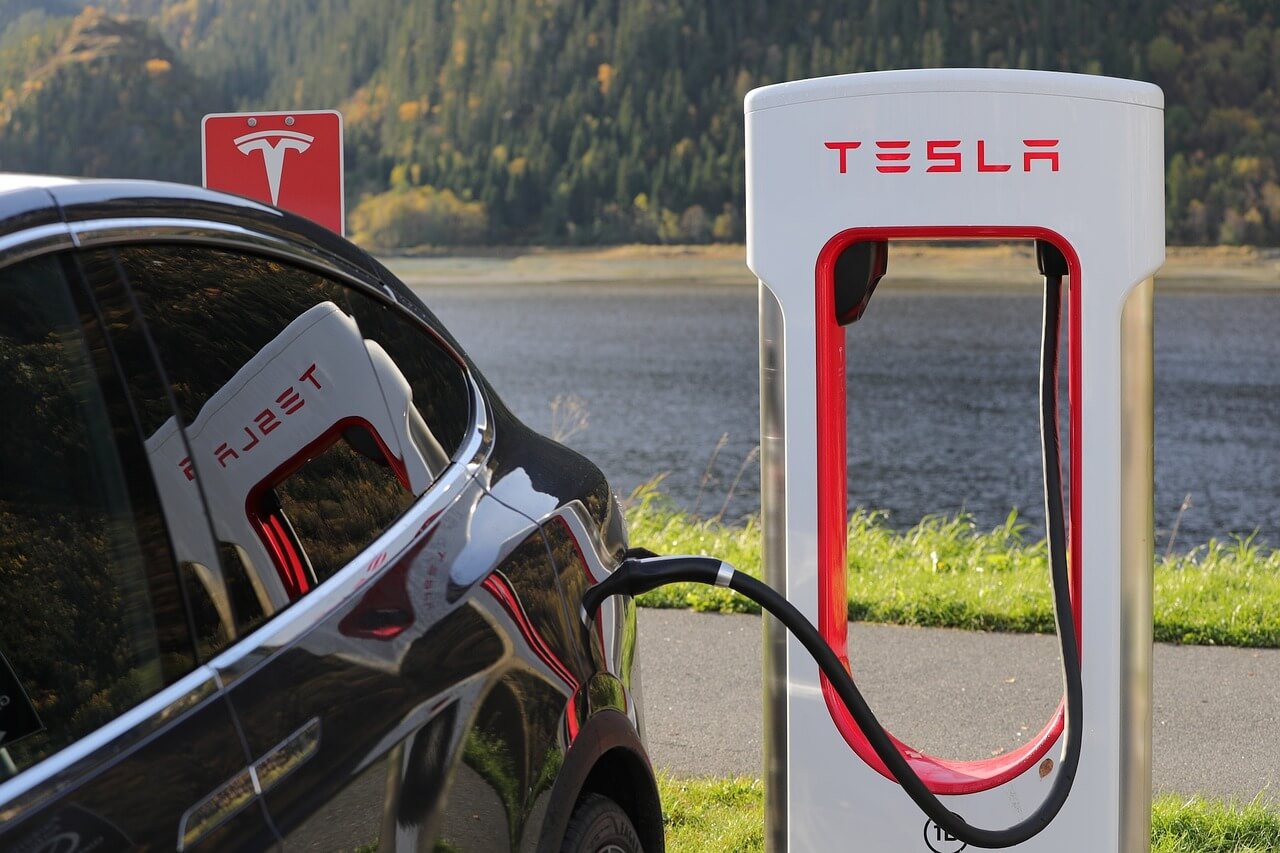
Second, vigorously developing new energy technologies and scenarios to create new growth points. Setting up "charging piles," deeply implementing the "three-year doubling" action for EV charging facility service capacity, aiming to build 28 million charging facilities by the end of 2027, expected to boost investment by over 200 billion yuan. Upgrading "power banks," carrying out high-quality development actions for the new-type energy storage manufacturing industry and optimizing the power system regulation capacity, targeting a national new-type energy storage installation scale of over 180 million kW by 2027, which will drive investment of about 250 billion yuan. Setting up "routers," accelerating the development of virtual power plants, deeply tapping the potential of various regulation resources, aggregating distributed power supplies, adjustable loads, ESS, and other distributed resources to participate in market transactions, and broadening revenue channels.
Third, systematically reshaping the new energy transition ecosystem to cultivate new momentum. Issuing guidelines to promote high-quality development of the power grid, driving the transformation of the power grid from transmission channels to resource optimization platforms, and boosting innovation in the industry chain and models. Releasing guidelines for the integrated and synergistic development of new energy, encouraging complementary multi-energy integrated development and integrated synergistic development of upstream and downstream energy industries, to help industrial integration create greater value. Introducing guidelines to promote new energy consumption and regulation, encouraging the development of various new energy consumption scenarios. Gathering intelligence and empowering, vigorously cultivating eight application scenarios including "AI+" power grid and new energy, driving the vigorous development of new energy infrastructure such as smart microgrids and the Energy Internet of Things.
Fourth, focusing on breaking down institutional barriers to create a new investment environment. Issuing ten measures to promote the development of the private economy, removing entry barriers, and supporting various capitals in participating in projects such as nuclear power, oil and gas reserves, and new-type energy storage. Improving the "1+6" rule system of the national unified electricity market to create a fair competitive market environment. Issuing management measures for the licensing of power facility installation (repair, testing), simplifying approval processes, and reducing electricity access costs for small and micro enterprises. Regulate the fair opening of oil and gas pipeline network facilities to ensure that various types of capital can not only "enter" but also "integrate well."
In 2026, the National Energy Administration will enhance policy support in areas such as stimulating market vitality and optimizing the development environment to overcome the "last mile" challenges in project implementation. On one hand, policies will be targeted to make returns visible. Introduce multi-user green electricity direct connection policies, accelerate the implementation of zero-carbon parks and industrial microgrids, and promote clean energy substitution for major energy consumers. Improve market mechanisms adapted to a high proportion of new energy to stabilize development expectations. On the other hand, strengthen the institutional guarantee system to keep projects operational. Enhance factor guarantees such as land and sea use, forming an energy investment orientation where policies and markets work in synergy. Expand the "zero investment" service scope for low-voltage power applications, implement the "three-province" service model, and achieve integrated handling of water, electricity, and gas services with a "single window" for electricity-related approvals. Thank you!
[Reporter] Recently, the National Development and Reform Commission (NDRC) and the National Energy Administration jointly issued the "Guiding Opinions on Promoting the High-Quality Development of the Power Grid." The 15th Five-Year Plan proposal also explicitly calls for accelerating the construction of smart grids and microgrids. What is the current status of power grid construction at all levels in China, and what specific considerations are there for future development?
[Liu Mingyang, Deputy Director of the Electricity Department] Thank you for your question. Under the strong leadership of the Communist Party of China Central Committee and the State Council, China's power grid adheres to the principle of "coordinated national planning," implementing unified planning and dispatch, and has built the world's largest and most technologically complex AC-DC hybrid power grid. It has three key characteristics.
First, the capability for large-scale resource allocation continues to improve. We have cumulatively built and put into operation 45 UHV transmission channels, comprising "24 DC and 21 AC lines," forming a "power highway" that spans east-west and north-south. Currently, the power transmission capacity of the "West-East Power Transmission" project has reached 340 million kW, significantly optimizing power resource allocation nationwide. Second, the safety and supply guarantee capability has withstood severe tests. The main grid framework of UHV (EHV) regional power grids has been continuously improved, while the power supply guarantee capability and comprehensive carrying capacity of distribution networks have been steadily enhanced. This has effectively supported an average annual increase of 80 million kW in power load demand in China, ensuring the safe and reliable supply of electricity equivalent to the combined total of the US, EU, and Japan, with no large-scale power outages occurring for many consecutive years. Third, significant progress has been made in promoting the green and low-carbon transition of energy. China's power grid has become the world's largest platform for integrating new energy, strongly supporting the connection and efficient utilization of over 1.8 billion kW of new energy nationwide. This has helped raise the proportion of non-fossil energy consumption in China to over 20% in 2025.
As the proportion of new energy installations rapidly increases and the continuous development of the new-type power system, the future power system will exhibit characteristics such as high new energy penetration rate, high power electronics, and high supply-demand randomness, presenting higher complexity and randomness, posing new requirements for power grid development. To implement the requirements of the Central Committee of the Communist Party of China and the State Council on accelerating the construction of a new-type power system, smart grids, and microgrids, recently, the National Development and Reform Commission (NDRC) and the National Energy Administration jointly issued the "Guiding Opinions on Promoting High-Quality Development of the Power Grid," proposing to initially establish a new-type power grid platform by 2030, with the main grid and distribution network as important foundations and smart microgrids as a beneficial supplement.
Next, we will focus on building a new pattern of coordinated development between the main, distribution, and microgrids, adhering to unified planning and integrated advancement, ensuring that the "major arteries," "capillaries," and "microcirculation" of the power grid each perform their functions efficiently and in coordination. The main grid will emphasize "strengthening the framework, ensuring safety, and facilitating circulation," continuing to play the role of a "ballast stone" in power supply and the "main artery" in resource allocation, consolidating the fundamental security of power supply, and laying the physical foundation for a unified national electricity market, supporting the wide-area allocation of clean energy resources. The distribution network will focus on "strengthening the foundation, enhancing capabilities, and promoting interaction," reinforcing its full coupling with the main grid, accommodating diversified sources and loads for open access and two-way interaction, supporting the reasonable development of distributed new energy, and comprehensively enhancing power supply assurance. Smart microgrids will concentrate on "promoting consumption, improving reliability, and expanding scenarios," serving as carriers of a new form of self-balancing and self-regulating power, supporting the connection of multiple entities, integrating into end-user green energy usage scenarios, promoting the local development and consumption of new energy, and enhancing the power supply reliability in remote areas and at the ends of the grid. Meanwhile, we will promote the moderately advanced construction of the power grid, strengthen the guarantee of major project elements, accelerate preliminary work on projects, and further increase investment in power grid projects at all levels, contributing to the construction of a new energy system and the modernization of China. Thank you!
[Journalist] By 2030, China aims to have initially established a new energy system, with non-fossil energy accounting for 25% of total energy consumption, and new energy generation capacity exceeding 50%, becoming the main body of power generation. How will this specific goal be achieved? What is the current progress of the 14th Five-Year Plan for energy, and when is it expected to be released?
[Deputy Director Xing Yiteng of the Department of Development Planning] Thank you for your question. I understand that your question mainly focuses on two aspects: one is the implementation path for the targets of non-fossil energy consumption ratio and new energy generation capacity ratio; the other is the progress of the 14th Five-Year Plan for energy.Next, I will provide a brief introduction to each topic.
Regarding the first issue, achieving the target of a 25% share of non-fossil energy consumption. The proportion of non-fossil energy consumption is a key indicator of the nationally determined contribution targets, aiming for 25% by 2030 and over 30% by 2035. During the 15th Five-Year Plan period, we will work on both the supply and demand sides to steadily increase the share of non-fossil energy consumption. On the supply side, we will promote the simultaneous development of wind, solar, hydro, and nuclear power, ensure the stable growth of wind and PV power generation, maintain an average annual increase of 200 million kW, advance the integration of hydro, wind, and solar energy, and pursue the safe and orderly development of nuclear power. On the demand side, we will vigorously promote energy conservation and carbon reduction in key sectors such as industry, construction, and transportation, expand the use of green electricity, increase the electrification level of end-use energy, and, according to local conditions, expand the non-electric utilization of renewable energy sources like biomass and geothermal energy. We will also improve the green consumption system and continuously enhance the green and low-carbon level of energy consumption.
Regarding achieving the target of new energy installed capacity exceeding 50%. We will focus on the following tasks, which can be summarized as the "Four Diversifications" initiatives. First, diversification of supply. We will accelerate the construction of new energy bases in desert-Gobi-wasteland areas, actively promote the planning and construction of integrated hydro, wind, and solar energy bases, increase the development of offshore wind power, and encourage multi-scenario and diversified development of distributed new energy to further expand the supply of new energy. Second, industrial integration. We will coordinate the synergistic optimization and upgrading of new energy and traditional industries, and promote the integrated and mutually reinforcing development of new energy with strategic emerging industries such as computing power and green hydrogen. Third, expansion of non-electric applications. We will actively expand the non-electric utilization of new energy, focusing on diverse conversion and local use, such as hydrogen, ammonia, and alcohol production from wind and solar power, as well as heating applications. Fourth, coordinated consumption. We will implement the minimum consumption target for renewable energy, reinforce the responsibility of key energy-consuming industries for green electricity consumption, improve the green electricity certificate trading mechanism, strengthen the coordination among electricity, carbon, and certificate markets, actively promote international mutual recognition of green certificates, reasonably reflect the environmental value of green electricity, and comprehensively enhance the level of new energy consumption.
Regarding the progress of the 15th Five-Year Plan for energy, which you are concerned about. According to the work plan, over the past year, we have organized in-depth research on major issues related to the 15th Five-Year Plan for energy, solicited opinions and suggestions from relevant departments, local governments, enterprises, and experts, and conducted thorough demonstrations of the plan’s goals and tasks. We have already formulated a new-type energy system plan, as well as five sub-sector energy plans, including those for electricity and renewable energy. The next step will involve continuously refining the energy plan, ensuring its alignment with national economic and social development plans and other sectoral plans. After completing the relevant procedures, the plan is expected to be released in H1 of this year. My response ends here, thank you all!
[Reporter] The 15th Five-Year Plan proposes to promote industries including hydrogen energy as new economic growth points in the forward-looking layout of future industries. Could you please introduce the work situation of the National Energy Administration in promoting the development of hydrogen energy?
[Deputy Director Bian Guangqi of the Department of Energy Conservation and Science & Technology Equipment] Thank you for the question from this journalist friend. The Fourth Plenary Session of the 20th CPC Central Committee listed hydrogen energy as an important direction for future industries, clearly requiring that it should be promoted to become a new economic growth point. As an important part of the future national energy system, hydrogen energy plays a significant role in the construction of new power systems and new energy systems, which will strongly promote the development and consumption of new energy, and help achieve the "dual carbon" goals. At the same time, the hydrogen energy industry, with its high technological content, long industrial chain, and multiple involved links, will comprehensively drive industrial innovation, expand domestic demand, foster talent, and enhance international cooperation during its development. During the 14th Five-Year Plan period, we mainly carried out the following work in promoting the development of hydrogen energy: First, we promoted high-quality industry development through "planning leadership." The National Development and Reform Commission (NDRC) and the National Energy Administration led the establishment of an inter-ministerial coordination mechanism for the development of the hydrogen energy industry, researched and formulated the Medium and Long-Term Plan for Hydrogen Energy Industry Development (2021-2035), comprehensively enhancing the innovative capability of the hydrogen energy industry, compiled the China Hydrogen Energy Development Report, guided industry consensus, and promoted the healthy and orderly development of the industry. Second, we advanced innovative integration through "project pilots." We deepened the integration of technological and industrial innovation in the hydrogen energy sector, selected 41 projects and 9 regions to carry out pilot work in the energy field, promoting the coordinated development of the entire "production, storage, transportation, and utilization" chain of hydrogen energy. We continued to implement the key special project "Hydrogen Energy Technology" under the National Key R&D Program, actively planned the layout of energy science and technology innovation and major national science and technology projects for the 15th Five-Year Plan, cumulatively released five batches totaling 27 items of first (set) technical equipment lists in the hydrogen energy field, and promoted the application and promotion of the first (set) equipment. Third, we strengthened the foundation of the system through "standard construction." We continuously promoted the construction and operation of the national hydrogen energy information platform, laying a solid foundation for hydrogen energy information statistics. We established a standardization technical committee for the hydrogen energy sector in the energy industry, strengthened the construction of the hydrogen energy standard system, promoted the formulation of industry standards such as the Clean and Low-Carbon Hydrogen Evaluation Standard, and cooperated in releasing the methodology for renewable energy electrolysis water hydrogen production, further playing the foundational and leading role of standards.
With the joint efforts of the industry, the hydrogen energy industry gradually achieved an orderly breakthrough during the 14th Five-Year Plan period. By the end of 2025, China's cumulative built capacity of renewable energy hydrogen production projects exceeded 250,000 mt/year, doubling the previous year's figure.
The projects in Kuqa, Xinjiang; Ningdong, Ningxia; Chifeng, Inner Mongolia; Da'an and Songyuan, Jilin have been completed and put into operation, gradually integrating the hydrogen energy production-storage-transportation-application industrial chain. A number of major technological equipment have achieved new breakthroughs, laying a solid foundation for the development of the hydrogen energy industry.
During the 15th Five-Year Plan period, the National Energy Administration will work closely with the National Development and Reform Commission (NDRC) and other relevant departments to strengthen industrial planning guidance, increase policy support, enhance core technology research, promote hydrogen energy pilot projects, improve the standard certification system, deepen international exchanges and cooperation, and vigorously cultivate the future hydrogen energy industry, making positive contributions to accelerating the construction of a new-type energy system and building a strong energy nation. That concludes my response. Thank you!
[Reporter] Recently, the National Energy Administration reported several violations, including collusive bidding by power generation enterprises. What regulatory measures will be taken in 2026 to prevent and investigate such behaviors?
[Wang Yunbo, Deputy Director General of the Market Regulation Department]Thank you for your question. In 2025, the National Energy Administration adhered to the combination of an effective market and proactive government, deploying comprehensive regulation in the power sector and specialized regulation on prominent issues in the power market order. A number of illegal activities were identified and addressed, and five typical cases of power market violations were publicly reported, effectively serving as a warning and deterrent. In 2026, we will maintain a systematic approach, focusing on improving the power market regulatory system and continuously strengthening regulatory efforts to make our "toolkit" more comprehensive and regulatory measures more effective.
First, improve the regulatory system. We will research and develop more comprehensive risk control documents to further leverage the "three lines of defense" in the power market, enhance the level of collaborative governance, and add an additional "safety lock" to the market. At the same time, we will introduce a series of easy-to-operate and replicable "regulatory guidelines," issue regulatory directives on abnormal behavior monitoring and handling in the power market, as well as power market information disclosure, to standardize regulatory benchmarks and reduce ambiguities.
Second, continuously intensify market regulation. We will continue to conduct comprehensive regulation in the power sector, prioritizing the supervision of power market order. For behaviors that affect fair competition, we will promptly "draw the sword" to correct deviations and effectively maintain a fair market order. We will deepen the innovative application of digital and penetrating regulatory methods, continuously enhancing the predictability, accuracy, and effectiveness of regulation, making regulatory oversight more "sharp-eyed."
Third, continuously strengthen the deterrent effect of regulatory enforcement. For identified violations, we will take serious actions through comprehensive measures such as administrative interviews and orders for rectification; for illegal activities discovered, administrative penalties will be imposed in accordance with the law to effectively uphold a fair and just market order. At the same time, we will strengthen the notification and public release of typical issues, using concrete cases to guide business entities in jointly fostering a fair competition market environment. That concludes my response, thank you!
[Reporter] In November 2025, the National Energy Administration issued the "Guiding Opinions on Promoting the Integrated Development of New Energy," and at the 2026 National Energy Work Conference, it again emphasized "integrated development of new energy." How do you understand this concept? How can we further expand the new space for the coupled development of the coupling between new energy and industries? What new development opportunities will this bring to new energy and its related industries?
[Liu Mingyang, Deputy Director of the Electricity Department] Thank you for your question. In recent years, China's new energy has achieved large-scale, high-level development and historic accomplishments, though it also faces new issues and challenges. For example, the power system's real-time balancing and absorption capacity for large-scale fluctuating new energy needs to be strengthened; the coordination requirements between new energy development and land, forestry, grassland, marine, and ecological aspects are higher; and the models and market mechanisms for the integration of new energy with different industries need further exploration and improvement.
In response to these challenges, we proposed the concept of "integrated development of new energy," with the key lying in "integration." This means that the development of new energy should no longer follow the old path of "going it alone." Instead, as a key component of the new-type energy system, it should deeply integrate with the power supply, energy storage systems (ESS), power grid, and the production and consumption of various industries. This involves achieving "horizontal" integration through the combined development of new energy and other energy sources, "vertical" integration by linking new energy production and consumption hand-in-hand, and "upstream-downstream" integration within the new energy industry chain to "produce green with green." This represents not only technical synergy and optimization but also an upgrade in development philosophy. It will reduce new energy's reliance on sole absorption by the system, effectively enhance the autonomy of new energy development, and strengthen its market competitiveness.
Regarding expanding the space for the coupling development of new energy and industries, the key is to use "new energy plus" to create new energy production and consumption models. We will actively promote development models that feature multi-variety complementarity and spatially intensive utilization of new energy, enabling new energy to penetrate buildings, transportation facilities, and rural revitalization efforts, thereby creating diversified development scenarios such as building-integrated photovoltaics (PV), transport-energy integration, and rural energy revolution. We will fully leverage models like direct green electricity connections to guide high-energy-consumption industries such as steel, petrochemicals, chemicals, and computing facilities to build new energy power generation projects based on local conditions, achieving green and low-carbon transformation while ensuring reliability. We will promote industries like aluminum electrolysis, water electrolysis for hydrogen production, machinery, and automobiles to fully utilize their flexible adjustment capabilities, reasonably arrange production and energy usage plans, and adapt to the variability of new energy power generation. Beyond power generation utilization, the focus is on expanding the diversified development and substitution of renewable energy in areas such as fuels, raw materials, and heating/cooling, forming new models and business formats like comprehensive green hydrogen-ammonia-methanol industrial bases and integrated PV-solar thermal heating systems.
This will bring new development opportunities for new energy and its related industries. On one hand, it continuously injects new momentum into the new energy industry itself, guiding and driving the construction of projects such as new energy bases in desert-Gobi-wasteland areas, new-type integrated hydro-wind-solar energy bases, offshore wind power clusters, PV and wind power in mining areas, and smart microgrids. On the other hand, it creates broad markets and new growth points for related industries such as new-type energy storage, hydrogen energy production-storage-transportation-utilization, and new energy heavy-duty trucks, promoting the formation of a new green growth model where new energy development drives the common development of multiple industries. Thank you!
This will bring new development opportunities for new energy and its related industries. On one hand, it continuously injects new momentum into the new energy industry itself, guiding and driving the construction of projects such as new energy bases in desert-Gobi-wasteland areas, new-type integrated hydro-wind-solar energy bases, offshore wind power clusters, PV and wind power in mining areas, and smart microgrids. On the other hand, it creates broad markets and new growth points for related industries such as new-type energy storage, hydrogen energy production-storage-transportation-utilization, and new energy heavy-duty trucks, promoting the formation of a new green growth model where new energy development drives the common development of multiple industries. Thank you!