Landslide Halts Rubaya Tantalum Mine; Global Prices Surge Amid Supply Shock

Published: Feb 3, 2026 15:20
From January 28 to 29, 2026, the Rubaya coltan mining area in North Kivu Province, eastern Democratic Republic of the Congo (DRC), was hit by massive landslides triggered by persistent heavy rainfall. The disaster caused the collapse of multiple artisanal mining tunnels. All mining operations at the affected mining area have been fully suspended, and nearby residents have completed emergency evacuation.

From January 28 to 29, 2026, the Rubaya coltan mining area in North Kivu Province, eastern Democratic Republic of the Congo (DRC), was hit by massive landslides triggered by persistent heavy rainfall. The disaster caused the collapse of multiple artisanal mining tunnels. All mining operations at the affected mining area have been fully suspended, and nearby residents have completed emergency evacuation.

As a core node in the global tantalum raw material supply chain, the Rubaya mining area accounts for more than 15% of the global total tantalum ore output. Tantalum is a key core raw material for the manufacturing of electronic end products such as smartphones and computers. The disaster and the subsequent mining suspension have imposed a potential supply shock on the global tantalum industry chain.

Driven by the news of the production halt at the Rubaya mine, bullish sentiment in the global tantalum market has risen rapidly. Stockpiling and restocking demand from downstream enterprises and traders has been concentratedly unleashed, pushing up the prices of all categories across the tantalum industry chain simultaneously. As of the time of writing, the quotations and increases of each link are as follows:

At the ore end, the collapse and production suspension have resulted in a substantial contraction of the global supply, leading to a rapid tightening of available spot supplies. On the other hand, downstream electronic manufacturers and traders have concentratedly stockpiled materials and locked in prices driven by bullish sentiment, further exacerbating the supply-demand mismatch in the circulation sector and jointly pushing up the transaction quotations at the ore end. Currently, the CIF China price of tantalum ore stands at 119–120 USD per pound, representing an increase of 27.12% compared with early December.

At the basic raw material end, the mainstream market price of 99.5% tantalum pentoxide has climbed to 2,775 RMB per kilogram, an increase of 43.41%. According to a survey by Shanghai Metals Market (SMM), domestic tantalum smelters generally show strong reluctance to sell, and the quotation of this grade of product from some enterprises has been raised to 3,000 RMB per kilogram, an increase of 55.03%.

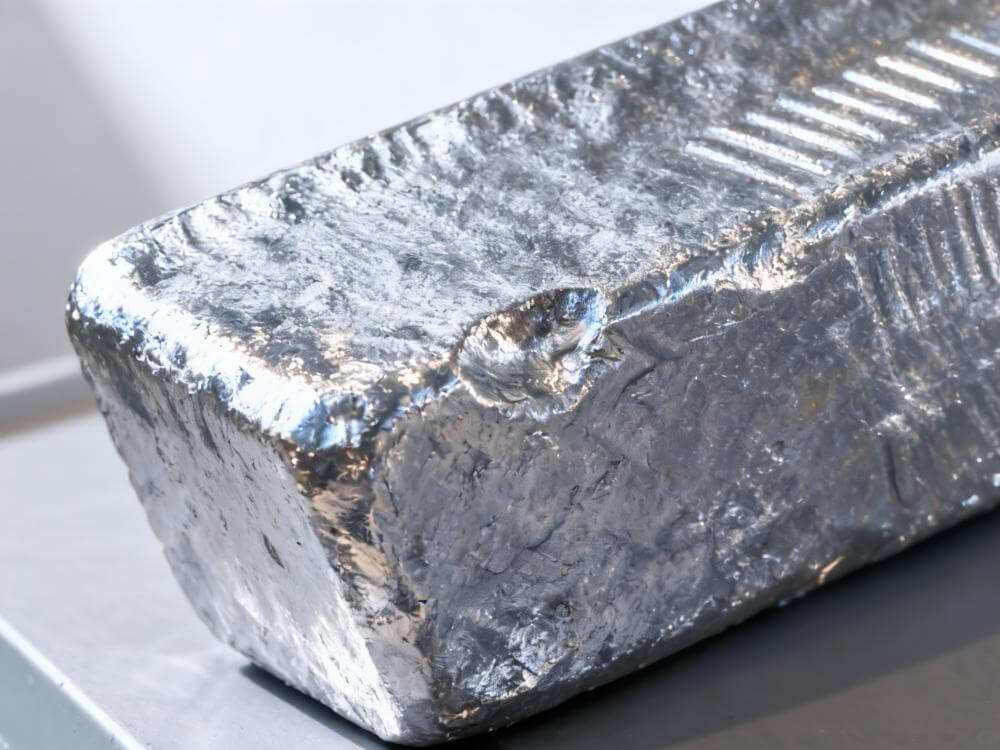
At the smelting and processing end, the overall quotation system of the tantalum market is currently chaotic, with a continuous stream of high-price transaction cases. The price transmission and transaction bargaining within the industry chain have further intensified. As learned from SMM, actual transactions of 99.95% tantalum ingots at the price of 5,500 RMB per kilogram have been concluded.

The impact of the production suspension at the Rubaya mining area is likely to push China’s tantalum prices officially into a sustained and rapid upward channel. The formation of this trend is not driven by short-term sentiment, but an inevitable outcome of the continuous deterioration of the supply-demand contradiction. The core driving factor is that most domestic tantalum smelters originally relied on the stable raw material supply from the Rubaya mining area. The sudden production suspension at the mine has directly led to a shortage of raw material inventories for enterprises, and some small and medium-sized smelters even face the hidden danger of raw material supply disruption, forcing them to cut production capacity or suspend production.

Meanwhile, the downstream demand is rigid. The production demand of terminal industries such as smartphones, computers, and new energy vehicle electronics has not shrunk significantly due to the rise in raw material prices. In addition, downstream enterprises and traders are worried about further tightening of supply in the future, so their stockpiling and restocking demand continues to be released. The imbalance between supply and demand is difficult to be effectively alleviated in the short term. Under the resonance of multiple factors, tantalum prices are expected to keep climbing, break through previous highs, and enter a new round of peak price ranges.
Data Source Statement: Except for publicly available information, all other data are processed by SMM based on publicly available information, market communication, and relying on SMM's internal database model. They are for reference only and do not constitute decision-making recommendations.

For any inquiries or for more information, please contact: lemonzhao@smm.cn
For more information on how to access our research reports, please contact:service.en@smm.cn
Related News
Sinomine in Talks to Acquire Malawi's Kanyika Niobium Project from Globe Metals & Mining
Aug 21, 2026 18:14
Sinomine in Talks to Acquire Malawi's Kanyika Niobium Project from Globe Metals & Mining
Read More
Sinomine in Talks to Acquire Malawi's Kanyika Niobium Project from Globe Metals & Mining
[SMM Flash] Sinomine Resource Group is in talks to acquire Globe Metals & Mining’s Kanyika niobium development project in Malawi. The potential transaction would bring the Chinese critical-minerals group closer to a project it is already supporting through Sinomine International (Zambia) Engineering, which has been involved in early construction and development works at Kanyika. Globe began construction in January 2026 under a cost-reimbursable collaboration agreement, while first oxide production is targeted for the first quarter of 2028. Kanyika is positioned as a potential source of niobium and tantalum oxides, with Globe’s 2026 project plan targeting approximately 3,000 tonnes per year of Nb₂O₅ and 150 tonnes per year of Ta₂O₅ at full scale. Globe has previously retained full ownership and offtake rights while using Sinomine’s regional construction and processing expertise. Any acquisition would strengthen Sinomine’s exposure to niobium outside China and could add another strategic African critical-minerals asset to its expanding international portfolio.
Aug 21, 2026 18:14
[SMM Analysis] MoM Surge in Silicon-Manganese Exports Offers Only Marginal Support Amid Thin Absolute Volume
Aug 21, 2026 18:06
[SMM Analysis] MoM Surge in Silicon-Manganese Exports Offers Only Marginal Support Amid Thin Absolute Volume
Read More
[SMM Analysis] MoM Surge in Silicon-Manganese Exports Offers Only Marginal Support Amid Thin Absolute Volume
[SMM Analysis] MoM Surge in Silicon-Manganese Exports Offers Only Marginal Support Amid Thin Absolute Volume
According to the latest data released by the General Administration of Customs and compiled by SMM, China's silicon-manganese alloy exports reached 8,370.87 tons​ in July 2026, surging 132.05% month-on-month (MoM)​ and 252.24% year-on-year (YoY). For the first seven months of 2026, cumulative exports totaled 33,227.15 tons, up 102.05% YoY.The monthly figure appears impressive at first glance, but a rational assessment is warranted.
Aug 21, 2026 18:06
Trekor Advances Aley Niobium Project with Optimised Processing and Commercial Focus
Aug 21, 2026 18:01
Trekor Advances Aley Niobium Project with Optimised Processing and Commercial Focus
Read More
Trekor Advances Aley Niobium Project with Optimised Processing and Commercial Focus
[SMM Flash] Trekor Metals on August 19 provided an update on its wholly owned Aley niobium project in northeastern British Columbia, reporting progress in its proprietary flotation process that has delivered higher niobium recoveries, improved concentrate grades and reduced reagent consumption. The company said the resulting concentrate has been successfully processed into market-grade ferroniobium, a key input for specialty steel production, while work is also underway to evaluate direct production of high-purity niobium oxide. Trekor has appointed Steve Sparkowich as Director, Aley Niobium, to support technical development, market positioning and commercial strategy. According to the company’s existing NI 43-101 technical report, Aley contains 84 million tonnes of proven and probable reserves grading 0.50% Nb₂O₅, with a planned processing rate of 10,000 tonnes per day and projected annual capacity of 14,000 tonnes of ferroniobium over a 24-year mine life. Following successful pilot testing and ferroniobium production, Trekor is now scaling up the programme and shifting its focus towards product marketing, potential offtake parties and processors. The company’s current update indicates continued progress towards commercial development, although the project remains subject to development, financing, permitting and other risks.
Aug 21, 2026 18:01