

30 de enero de SMM, Noticias:
Puntos clave: En los próximos cinco años, el mercado nacional de palanquillas de aluminio presentará un patrón de "doble crecimiento en oferta y demanda pero excedente persistente, optimización de la estructura de capacidad y intensificación de la divergencia de la demanda". La industria está transitando de la expansión de escala a la mejora de la calidad.
I. Lado de la oferta: La optimización estructural domina, el crecimiento general se desacelera
Estructura de producción divergente: La producción de palanquillas de aluminio primario ha registrado un crecimiento rápido durante años consecutivos, mientras que la oferta de palanquillas de refundición sigue contrayéndose. Esta tendencia surge de las ventajas de coste y consumo energético de las palanquillas de aluminio primario ubicadas cerca de fundiciones de aluminio, alineándose con la dirección de la industria de reducción de costes y mejora de eficiencia, así como con la guía de la política de aleación de aluminio líquido.
Reconfiguración del panorama de capacidad: La competencia feroz se intensifica, con capacidad obsoleta homogeneizada saliendo del mercado a un ritmo acelerado. La expansión de nueva capacidad es limitada y mayormente enfocada en palanquillas industriales de alto valor añadido. Se espera que un total de 3,31 millones de toneladas de nueva capacidad de palanquillas de aluminio (incluyendo palanquillas de aluminio primario y de refundición) entren en operación a nivel nacional en 2025-2026, pero la tasa de crecimiento se ha desacelerado significativamente.
Crecimiento total moderado: Se proyecta que la oferta total de palanquillas de aluminio sea de 20,43 millones de toneladas en 2025, básicamente plana interanual; se espera que se aproxime a 21 millones de toneladas en 2026, solo un 2,5% más que el año anterior, reflejando el efecto compensatorio de la nueva capacidad optimizada y la salida de capacidad obsoleta.
II. Lado de la demanda: El lastre tradicional coexiste con la demanda emergente que se desacelera, el aumento de la ratio de compra externa se convierte en soporte clave
Demanda tradicional bajo presión: Los extruidos arquitectónicos representan casi la mitad de la producción de extrusiones de aluminio, pero debido al ajuste en el sector inmobiliario, la demanda carece de expectativas de crecimiento claras, convirtiéndose en un factor central que restringe la demanda general.
Cambio en el crecimiento de la demanda emergente: Aunque sectores como vehículos de nueva energía y sistemas de almacenamiento de energía tienen potencial de crecimiento, han transitado de un período de crecimiento rápido a uno de crecimiento estable, con el crecimiento de la demanda desacelerándose gradualmente. Sumado a que algunas empresas construyen fábricas en el extranjero, esto comprime aún más los incrementos de demanda doméstica.
Apoyo Clave: Aumento de la Proporción de Compra Externa: Para reducir costos y mejorar la eficiencia, las empresas de extrusión aguas abajo están comprando cada vez más tochos de aluminio externamente. Se espera que esta tendencia apoye un crecimiento saludable del consumo interno de tochos de aluminio.
III. Equilibrio Oferta-Demanda: Excedente Persiste por Cinco Años, Industria Necesita Urgentemente un Impulso de Confianza
Patrón de Excedente Continuo: A pesar del doble crecimiento de la oferta y la demanda, se espera que el desajuste mantenga el excedente interno de tochos de aluminio en niveles de dos dígitos durante cinco años consecutivos desde 2025 hasta 2029. El ciclo de excedente de 2024 a 2028 está directamente relacionado con la puesta en marcha de una nueva capacidad sustancial.
La Tasa de Operación Fluctúa con el Ciclo: La tasa de operación está altamente correlacionada con el equilibrio oferta-demanda. Durante la escasez en 2023, la tasa de operación promedio anual superó el 60%. Retrocedió por debajo del 60% durante el excedente en 2024, y cayó a alrededor del 55% en 2025 debido al pobre desempeño de las tarifas de procesamiento.
Los Riesgos Externos Aumentan la Incertidumbre: La amenaza de guerras arancelarias podría impactar el comercio de importación y exportación, exacerbando aún más la presión del exceso de oferta interno. La industria necesita urgentemente un impulso de confianza.
IV. Perspectivas y Recomendaciones para la Industria
Durante los próximos cinco años, la industria del tocho de aluminio entrará en un período de ajuste estructural. Se recomienda a las empresas:
Optimizar la Estructura de Capacidad: Aumentar el enfoque en productos de mayor valor añadido, como tochos industriales, para evitar la competencia homogeneizada.
Monitorear las Tendencias de Compra Externa: La transición aguas abajo hacia extrusiones industriales y el aumento de la proporción de compra externa presentan oportunidades de mercado para productores especializados en tochos industriales.
Cubrirse contra los Riesgos de Precio: Utilizar herramientas de futuros para cubrirse contra las fluctuaciones en los precios del aluminio y las tarifas de procesamiento.
Explorar Oportunidades Globales: Seguir la capacidad aguas abajo que se globaliza para expandirse en los mercados extranjeros.
Expansión de Capacidad Enfrenta Cuellos de Botella, Estructura de la Demanda se Diversifica Más: Perspectiva a Largo Plazo del Mercado Nacional de Palanquillas de Aluminio, 2025-2030 [Análisis SMM]
[Análisis SMM: La expansión de capacidad enfrenta cuellos de botella, la estructura de la demanda se diversifica aún más: Perspectiva a largo plazo del mercado chino de palanquillas de aluminio, 2025-2030] Puntos clave: En los próximos cinco años, se espera que el mercado chino de palanquillas de aluminio exhiba un patrón de "doble crecimiento en la oferta y la demanda, pero con un excedente continuo, una estructura de capacidad optimizada y una intensificación de la diferenciación de la demanda", a medida que la industria transita de la expansión de escala a la mejora de la calidad...
Declaración de Fuente de Datos: Excepto la información disponible públicamente, todos los demás datos son procesados por SMM basándose en información pública, comunicación de mercado y confiando en el modelo de base de datos interna de SMM. Son solo para referencia y no constituyen recomendaciones para la toma de decisiones.
Para cualquier consulta o para obtener más información, por favor contacte: lemonzhao@smm.cn
Para más información sobre cómo acceder a nuestros informes de investigación, contacte con:service.en@smm.cn
Noticias relacionadas

25 Sep 2026 09:33 (GMT+8)
Oferta revisada de prima MJP de CIF para el cuarto trimestre de 2026 por RTA a 280 USD/tm
Leer más
Oferta revisada de prima MJP de CIF para el cuarto trimestre de 2026 por RTA a 280 USD/tm
Oferta revisada de prima MJP CIF para el cuarto trimestre de 2026 por RTA a 280 USD/tm (frente a 310 USD/tm). Vigencia: 28 de septiembre de 2026
25 Sep 2026 09:33 (GMT+8)
24 Sep 2026 20:58 (GMT+8)
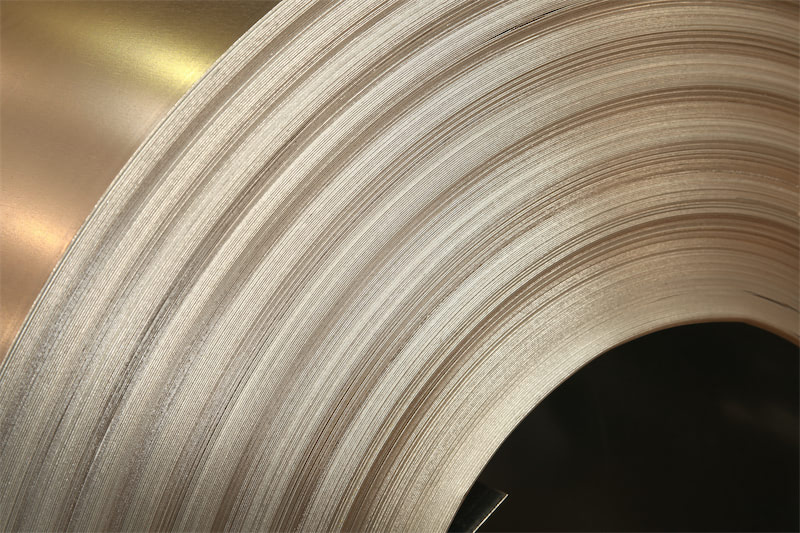
El laminador de aluminio avanzado de Henan Yirui inicia producción, apuntando al crecimiento en el mercado de alta gama
Leer más
El laminador de aluminio avanzado de Henan Yirui inicia producción, apuntando al crecimiento en el mercado de alta gama
El 20 de septiembre, el laminador desbastador de chapa gruesa del proyecto de fabricación inteligente de nuevos materiales a base de aluminio con capacidad de 720.000 toneladas anuales de Henan Yirui New Materials Technology Co., Ltd. entró oficialmente en producción. Con una inversión total de 1.500 millones de RMB, el proyecto aprovecha la planta existente para construir una línea de laminación en caliente continua "1+4" de nivel internacional, respaldada por equipos de procesamiento de aluminio líderes en la industria, como hornos de recalentamiento de empuje. El proyecto también ha construido un sistema de IoT industrial capaz de monitorear en tiempo real y regular dinámicamente parámetros clave de producción como la fuerza de laminación y la temperatura, garantizando eficazmente la calidad estable de productos de aluminio de alta gama y aumentando continuamente la participación de mercado de productos de alto valor añadido.
24 Sep 2026 20:58 (GMT+8)
24 Sep 2026 20:58 (GMT+8)
Guinea amplía la cooperación minera con Glencore y busca impulsar los ingresos y la industrialización
Leer más
Guinea amplía la cooperación minera con Glencore y busca impulsar los ingresos y la industrialización
Guinea planea ampliar su cooperación con Glencore en el refinado de alúmina, energía, oro y metales básicos, con el objetivo de aumentar los ingresos mineros, promover el procesamiento local y la industrialización de los recursos minerales, y fortalecer la cooperación con los mercados y las empresas mineras internacionales de China, Oriente Medio y otras regiones.
24 Sep 2026 20:58 (GMT+8)
Noticias relacionadas
Oferta revisada de prima MJP de CIF para el cuarto trimestre de 2026 por RTA a 280 USD/tm
Sep 25, 2026 09:33 (GMT+8)
El laminador de aluminio avanzado de Henan Yirui inicia producción, apuntando al crecimiento en el mercado de alta gama
Sep 24, 2026 20:58 (GMT+8)
Guinea amplía la cooperación minera con Glencore y busca impulsar los ingresos y la industrialización
Sep 24, 2026 20:58 (GMT+8)

Dingfeng Aluminum inicia la Fase II con el objetivo de alcanzar una capacidad anual de 200.000 toneladas en Camboya
Sep 24, 2026 20:58 (GMT+8)