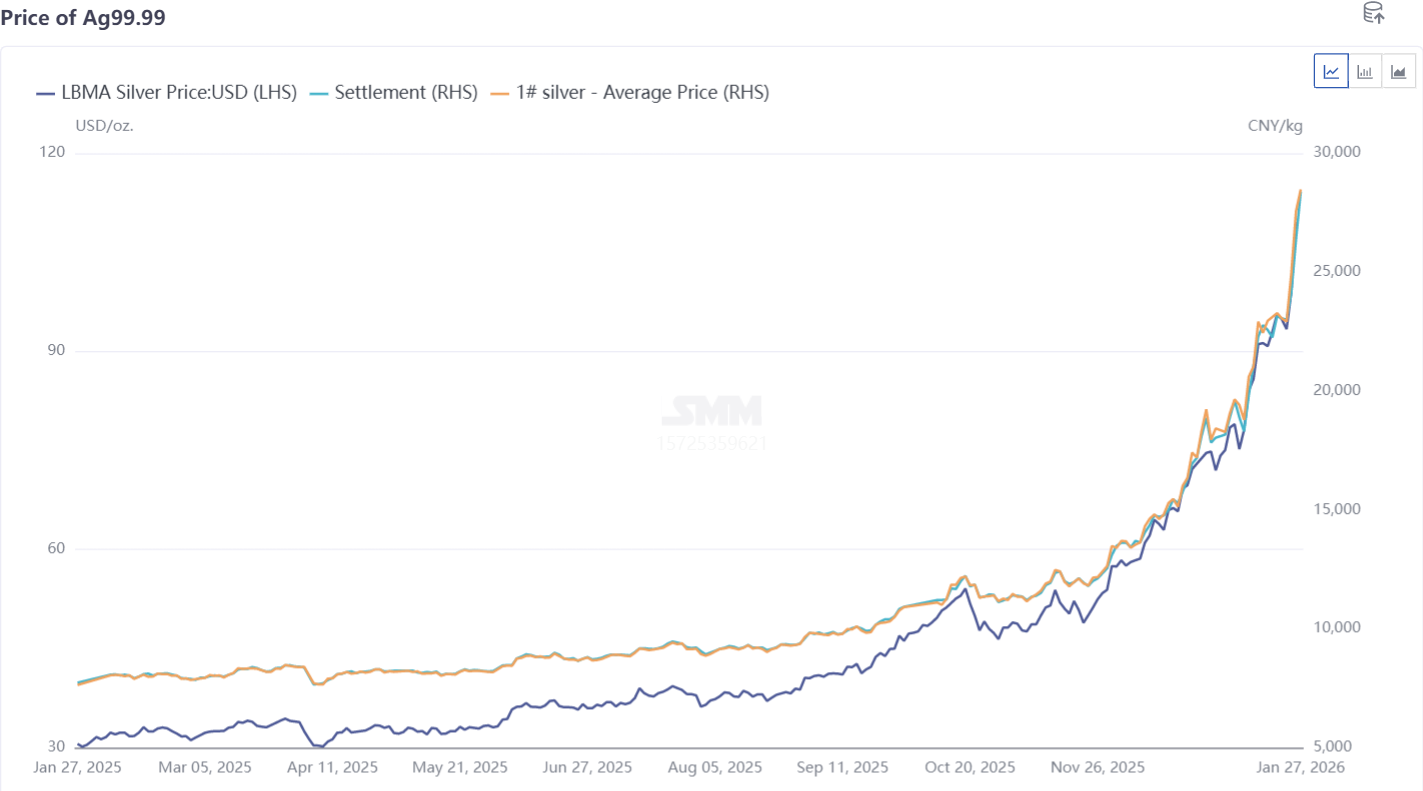
ด้วยราคาเงินที่พุ่งสูงขึ้นเป็นประวัติการณ์ อุตสาหกรรมโซลาร์เซลล์ในฐานะผู้ใช้เงินรายใหญ่ที่สุดกำลังเผชิญกับแรงกดดันด้านต้นทุนอย่างที่ไม่เคยมีมาก่อน ตามหลังการเพิ่มขึ้นของราคาเงินในปี 2025 โดยยกตัวอย่างแผงโซลาร์เซลล์ขนาด 183 มม. ที่ผลิตโดยบริษัทผู้ผลิตแผงโซลาร์เซลล์เฉพาะทาง ต้นทุนเพสต์เงินคิดเป็น 9.9% ของต้นทุนทั้งหมดของแผงโซลาร์เซลล์ในเดือนมกราคม 2025 แต่เพิ่มขึ้นสูงถึง 22.1% ภายในปี 2026
I. แนวโน้มการลดการใช้เงินในอุตสาหกรรมโซลาร์เซลล์และผลกระทบต่อการบริโภคเงินในปี 2026
ภายใต้สภาวะตลาดโลหะมีค่าที่ร้อนระอุ ผู้ผลิตเซลล์และแผงโซลาร์เซลล์ถูกบังคับให้ต้องเร่งการวิจัยและพัฒนาเทคโนโลยีการแทนที่ด้วยโลหะพื้นฐาน ปัจจุบันมีหลายเทคโนโลยีเกิดขึ้นในตลาด โดยบริษัทชั้นนำอย่าง ลองกรีน เอเนอร์จี, ไอโก, และ จิงโก โซลาร์ ได้เปิดตัวกรณีการติดตั้งขนาดเล็กเพื่อพยายามครองส่วนแบ่งตลาด อย่างไรก็ตาม จากความเข้าใจของเอสเอ็มเอ็ม ส่วนแบ่งการติดตั้งของผู้ใช้ปลายทางหลักยังคงถูกครอบงำโดยเซลล์โซลาร์เซลล์ประเภทโทปคอนที่ใช้เพสต์เงินบริสุทธิ์เป็นวัตถุดิบ วิธีการแทนที่ด้วยทองแดงและทางเลือกอื่นๆ ยังคงอยู่ในขั้นตอนการทดสอบขนาดเล็ก และความเสถียรของประสิทธิภาพและการทำงานต้องการการตรวจสอบจากการใช้งานจริงมากกว่า 5 ปี สาเหตุหลักเพราะผลิตภัณฑ์เซลล์โซลาร์เซลล์ต้องมีการรับประกัน 20 ปี และลูกค้ามักต้องการข้อมูลการทดลองที่แสดงให้เห็นว่าสามารถทำงานได้อย่างเสถียรอย่างน้อย 5 ปีก่อนที่จะมั่นใจในการติดตั้ง
จากข้อมูลการสื่อสารระหว่างเอสเอ็มเอ็มกับลูกค้าแผงโซลาร์เซลล์และขนาดการผลิตนำร่องของบริษัทชั้นนำ คาดว่าการติดตั้งใหม่ในปี 2026 จะสูงถึง 435.37 กิกะวัตต์ ในจำนวนนี้ ขนาดการผลิตของเซลล์โซลาร์เซลล์ที่เกี่ยวข้องกับเทคโนโลยีที่ไม่ใช้เงินคาดการณ์ในแง่ดีว่าจะสูงสุดที่ 50 กิกะวัตต์ ขณะที่การประยุกต์ใช้ในขนาดใหญ่ยังรอการตรวจสอบประสิทธิภาพและการสร้างชื่อเสียง ดังนั้น แม้ว่าหัวข้อร้อนจะปรากฏบ่อยครั้งเมื่อไม่นานมานี้ เอสเอ็มเอ็มคาดว่าการผลิตเซลล์โซลาร์เซลล์ที่ลดลงและการประยุกต์ใช้การลดเงินในภาคโซลาร์เซลล์ในปี 2026 จะลดการบริโภคเงินลงประมาณ 800-1,000 ตัน ซึ่งลดลงประมาณ 17% เมื่อเทียบกับความต้องการบริโภคเงินในภาคโซลาร์เซลล์ที่เกิน 6,000 ตันในปี 2025 เนื่องจากเทคโนโลยีการลดเงินยังไม่ได้รับการยอมรับอย่างกว้างขวางในตลาดและมีส่วนแบ่งตลาดจำกัด จึงยากที่จะกลายเป็นสาเหตุหลักของการลดลงอย่างมีนัยสำคัญในการบริโภคเงินโซลาร์เซลล์ในช่วงปี 2026-2027 อย่างไรก็ตาม หากประสิทธิภาพของโครงการติดตั้งล่าสุดโดยบริษัทชั้นนำ หลังจากผ่านการตรวจสอบข้อมูล 3-5 ปี สามารถแก้ไขปัญหาต่างๆ เช่น ความต้านทานการสัมผัสที่เพิ่มขึ้นและการลดลงของกำลังการผลิตที่เกิดจากการออกซิเดชันของทองแดง ตลาดโซลาร์เซลล์ในอนาคตและอุปสงค์-อุปทานเงินอาจนำมาซึ่งการเปลี่ยนแปลงใหม่ๆ
II. การวิเคราะห์โดยย่อของเทคโนโลยีหลักที่ไม่ใช้เงิน
เทคโนโลยีทางเลือกที่ไม่ใช่เงินหรือลดการใช้เงินกำลังปรากฏขึ้น นอกเหนือจากเทคโนโลยีทดลองเฉพาะทางแล้ว เส้นทางเทคโนโลยีทั่วไปในปัจจุบันมักจะอยู่ในสามทิศทางต่อไปนี้:
(1) เทคโนโลยีทองแดงเคลือบเงินสำหรับ HJT
ตามที่บริษัทที่เกี่ยวข้องระบุ เทคโนโลยีผงและพาสเตอร์ทองแดงเคลือบเงินที่มีเนื้อหาเงิน 10%-30% รวมถึงเทคโนโลยีการผลิตเซลล์แสงอาทิตย์ ได้พัฒนาจนสามารถผลิตได้เป็นจำนวนมากแล้ว แต่การผลิตจริงยังจำกัดโดยส่วนแบ่งตลาดของเซลล์ HJT ตัวอย่างเช่น บริษัทหัวเส็งพลังงานใหม่
(2) โซลูชันผสม "ชั้นเมล็ดเงินอุณหภูมิสูง + ทองแดงเคลือบเงินอุณหภูมิต่ำ" สำหรับเซลล์ TOPCon
สภาพแวดล้อมกระบวนการอุณหภูมิสูงของเซลล์ TOPCon สร้างอุปสรรคทางเทคนิคในการทดแทนด้วยโลหะฐาน ดังนั้น "ชั้นเมล็ดเงินอุณหภูมิสูง + ทองแดงเคลือบเงินอุณหภูมิต่ำ" จึงกลายเป็นโซลูชันหลัก บริษัทยอดนิยมเช่น จิงโกโซลาร์ ได้รับการตรวจสอบการผลิตจำนวนมากบนสายการผลิตบางแห่ง การประยุกต์ใช้ครั้งแรกที่ด้านหลังของเซลล์สามารถลดต้นทุนลง 1-2 เฟนต่อวัตต์ วงการคาดว่าการผลิตมวลชนขนาดเล็กของพาสเตอร์เงิน-ทองแดง TOPCon จะเริ่มขึ้นในไตรมาสแรกของปี 2026 ในขณะที่พาสเตอร์ทองแดงบริสุทธิ์สำหรับ BC/HJT คาดว่าจะเริ่มใช้งานเป็นกลุ่มเล็กๆ ในไตรมาสที่สามของปี 2026 การปรับปรุงร่วมกันระหว่างวัสดุและอุปกรณ์ เช่น ลายเส้นที่ละเอียด สูตรที่ใช้เงินน้อย และการเพิ่มความแม่นยำในการทำแบบและการผลิต เป็นสิ่งสำคัญในการดำเนินการ
(3) เทคโนโลยีการชุบไฟฟ้า: โซลูชันที่ไม่ใช่เงินอย่างสมบูรณ์
สำหรับอุตสาหกรรมพลังงานแสงอาทิตย์ เทคโนโลยีการชุบไฟฟ้าเป็นการลงทุนใหม่ที่แยกต่างหากจากสายการผลิตแบบดั้งเดิม โดยมีต้นทุนอุปกรณ์สูงถึงสามเท่า เนื่องจากต้นทุนการลงทุนเริ่มต้นสูงและปัจจัยอื่นๆ จึงยังไม่สามารถผลิตได้เป็นจำนวนมาก ตัวอย่างเช่น บริษัทไอโคได้บรรลุการผลิตมวลชนที่ไม่ใช่เงิน 10 กิกาวัตต์ที่ฐานซูโจว ลดต้นทุนต่อวัตต์ลง 0.03 หยวน มีแผนการผลิต 10 กิกาวัตต์เพิ่มเติมที่เจิ่นหนาน
ราคาเงินที่พุ่งสูงขึ้นกำลังเร่งการเปลี่ยนแปลงทางเทคโนโลยีในอุตสาหกรรมพลังงานแสงอาทิตย์ การลดหรือไม่ใช้เงินเป็นแนวโน้มในการพัฒนาเทคโนโลยีของอุตสาหกรรมเสมอมา และเทคโนโลยีการลดการใช้เงินสำหรับเซลล์ประสิทธิภาพสูงที่มีส่วนแบ่งตลาดเล็กๆ อย่าง BC, HJT และรุ่นต่อไปคาดว่าจะแทรกซึมอย่างรวดเร็ว อย่างไรก็ตาม ควรทราบว่าในอนาคตอุตสาหกรรมพลังงานแสงอาทิตย์อาจเห็นยุคของการรวมเทคโนโลยี ที่ TOPCon, HJT, XBC และเส้นทางเซลล์ใหม่จะอยู่ร่วมกันและเสริมกัน ไม่ใช่แค่แทนที่กัน เทคโนโลยีที่ไม่ใช่เงินยังคงเผชิญกับความท้าทายในการผลิตอุตสาหกรรมขนาดใหญ่ แต่การใช้งานจริงโดยหลายบริษัทแสดงให้เห็นว่าการพัฒนาทางเทคโนโลยีกำลังเปิดทางใหม่ให้กับอุตสาหกรรม ในอีก 3-5 ปีข้างหน้า เมื่อเทคโนโลยีมีความพร้อมมากขึ้นและความยอมรับในตลาดเพิ่มขึ้น เทคโนโลยีที่ไม่ใช่เงินคาดว่าจะมีบทบาทสำคัญมากขึ้นในอุตสาหกรรมพลังงานแสงอาทิตย์ มอบโซลูชันที่ประหยัดและยั่งยืนมากขึ้นสำหรับการเปลี่ยนผ่านพลังงานระดับโลก