I. Overseas Market Dynamics:
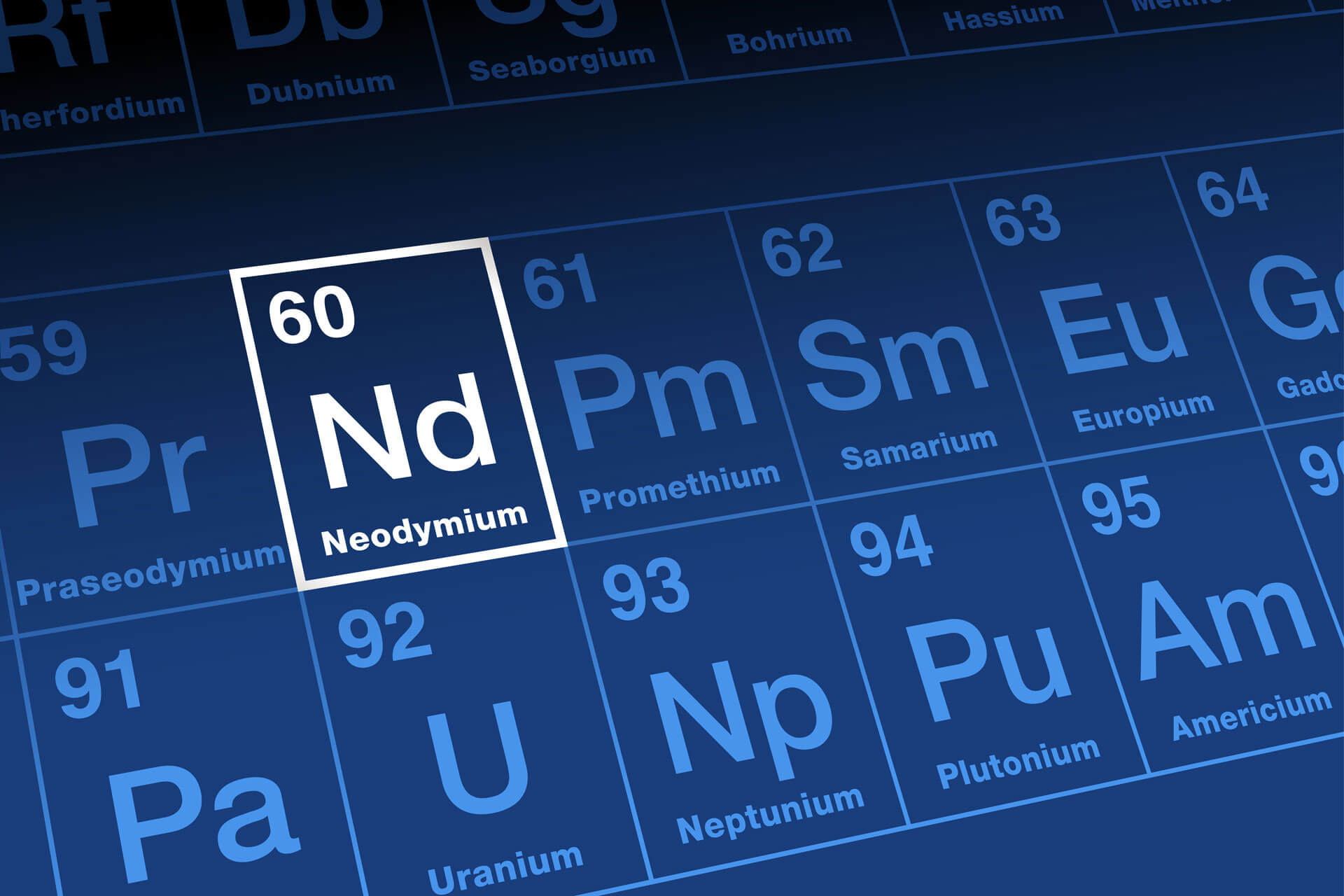
FOB prices for lanthanum oxide remained stable at $870-930/mt, FOB prices for cerium oxide held steady at $1,677-1,762/mt, CIF (Rotterdam) prices for cerium oxide were $2,330-2,340/mt, FOB prices for neodymium oxide remained stable at $128-148/kg, CIF (Rotterdam) prices for neodymium oxide were $180-200/kg, FOB prices for dysprosium oxide stabilized at $271-311/kg, and FOB prices for neodymium metal decreased to $120-140/kg. Overseas rare earth prices were basically stable last week, with no significant fluctuations observed.
II. News Briefs
Resource Exploration and Development: Intensive Progress on Global High-Grade Projects
Angola's Longonjo Deposit Commences Infill Drilling
London-listed Pensana has officially launched a 7,000-meter infill drilling program at the Longonjo rare earth mine in Angola,aiming to provide geological data support for mining operations scheduled to begin in early 2027.Drilling will be conducted on a 10m x 10m grid within the weathered ore zone, focusing on verifying the extension of high-grade ore bodies enriched with Pr-Nd. Previous exploration indicated the ore body could extend up to 100 meters below the current resource boundary. If the infill drilling is successful, the resource is expected to increase from 313 million tons to 1 billion tons, with the total rare earth oxide (TREO) grade remaining stable at 1.43%, positioning Longonjo as one of the largest rare earth deposits under development globally. To enhance efficiency, Pensana has deployed an on-site containerized laboratory equipped with an X-ray fluorescence analyzer for real-time cost control.
Greenland and Saudi Arabia Collaborate on Tanbreez Project Development
Nasdaq-listed Critical Metals Corp. signed a non-binding agreement with Saudi Arabia's TQB Group, planning a $1.5 billioninvestment to build an integrated rare earth processing facility in Saudi Arabia for treating concentrate from the Tanbreez project in Greenland. The joint venture will cover the entire industry chain from mine to magnets, with 25% of Tanbreez's production already earmarked for this facility, and the remaining capacity secured through offtake agreements (e.g., with Ucore and REalloy). This move highlights how Western companies are adopting a "resource country + processing country" model to mitigate geopolitical risks while leveraging Saudi capital advantages to accelerate supply chain closure.
Resource Expansion in Australia and North America
US-based Energy Fuels announced an expansion plan for its White Mesa plant in Utah, with a capital expenditure of $410 million, aiming to increase annual Pr-Nd oxide capacity from 1,000 mt to over 6,000 mt, while adding new annual capacity for terbium (66 mt) and dysprosium (240 mt). If Madagascar's monazite raw material is used, the cost of Pr-Nd oxide can be reduced to $29.4/kg, making it one of the lowest-cost suppliers globally. During the same period, although Australia's Lynas saw a 40% QoQ decline in production in Q4 2025 due to maintenance and power issues, its Malaysian heavy rare earth plant has commenced operations, with dysprosium and terbium production increasing to 26 mt. Samarium metal production is expected to begin in Q2 2026.
International Cooperation: US and Europe Lead Supply Chain Alliance Formation
US Strengthens Partnerships in the Americas and Asia
The US is actively promoting rare earth cooperation with Brazil, with officials from both sides holding preliminary talks to discuss a critical minerals agreement. Brazil has the world's second-largest rare earth reserves, but development remains limited. The US plans to leverage Brazil's resource potential through technology transfer and investment. Additionally, critical minerals agreements between the US and Japan, Australia, Thailand, and others have been implemented. For example, US-Japan cooperation covers rare earth supply and next-generation nuclear power technology, while Australia has received $8.5 billion in project investment support.
EU Pursues Resource Autonomy and Engagement with Brazil
During her visit to Brazil, European Commission President Ursula von der Leyen emphasized advancing critical minerals agreements for lithium, nickel, rare earths, and others, aiming to reduce dependence on single countries. The EU is also funding the "MaLaR" project, which explores the recovery of lanthanides from nuclear waste, using graphene oxide adsorption technology to improve recovery efficiency and reduce reliance on primary raw materials.
Emerging Resource Countries Show Increased Activity
India's Coal India subsidiary BCCL plans to seek rare earth cooperation opportunities in Australia, Russia, Chile, and other countries, and collaborate with domestic enterprises (such as IREL) to build a local industry chain. Vietnamese Prime Minister Pham Minh Chinh presided over the formulation of a national rare earth strategy, emphasizing deep processing and technological autonomy. Kazakhstan, leveraging the super-large deposit in the Karaganda region (reserves of 20 million mt), is attracting cooperation from Japanese and French enterprises to strengthen its position in the supply chain.
Corporate Dynamics: Vertical Integration and Breakthroughs in Recycling Technology
Mergers and Capacity Integration
US-based Energy Fuels plans to acquire Australia's Strategic Materials (ASM), integrating the latter's metal plant in South Korea with planned alloy capacity in the US to create the largest mine-to-metal-to-magnet integrated enterprise outside China. Upon completion of the transaction, ASM shareholders will hold approximately 5.8% of Energy Fuels' shares, strengthening its market share in sectors such as automotive and robotics.
Large-Scale Application of Recycling Technology
The University of Birmingham's rare earth recycling plant has officially commenced operations, utilizing hydrogen processing technology (HPMS), with single-batch processing capacity increased to 400 kg and annual production capacity reaching 100-300 mt of magnets. US-based ReElement Technologies has purified samarium oxide with a purity exceeding 99.9% from scrap, and is collaborating with Vulcan Elements and POSCO to build an integrated recycling production line, supported by a loan from the US Department of Defense.
European Localized Capacity Layout
American Rare Earths (USAR) through its subsidiary LCM Europe built a 3,750 mt per year rare earth metals plant in Lacq, France, adjacent to Carester's rare earth oxides plant, taking advantage of the French tax credit policy (a 45% investment tax credit for equipment) to reduce costs. This move aligns with the objectives of the EU Critical Raw Materials Act, aiming to have 10% of rare earths sourced from local recycling and mining by 2030