

On January 15, the 18th Entrepreneur Alliance Annual Conference and the Entrepreneur Alliance 100 Future Unicorns Conference were successfully held in Beijing. The conference was hosted by Entrepreneur Alliance, with HSBC Technology and Innovation Finance as the strategic partner. Under the theme "Only the Timeless Thrive" (Only the Timeless Thrive), the conference released the "2025 Global Unicorn Enterprise Observation Report" and the "2025 China Corporate Venture Capital (CVC) Development Report," and unveiled the "2025 Entrepreneur Alliance 100 Future Unicorns" list. Zhou Kui, partner at Sequoia China, was honored as the "2025 Investor of the Year."
It is reported that the "Entrepreneur Alliance 100 Future Unicorns" list has been published for 16 consecutive years, selecting 100 high-potential tech companies with valuations between $100 million and $1 billion annually. As of now, 1,395 companies have been listed, among which 136 have successfully gone public, 191 have been promoted to unicorn status, and 944 have secured new funding after being listed.

Macro Insights and New Year Predictions
The Infinite Game in Limited Time
Nan Lixin, founder and CEO of Entrepreneur Alliance, released the "2025 Global Unicorn Enterprise Observation Report." According to Entrepreneur Alliance's RuiShou Analysis, 120 new unicorns emerged globally in 2025, up 9.1% YoY, including the US (73, up 19.7%) and China (22, up 10%). By the end of 2025, there were 1,949 existing unicorns globally, with the US (903) and China (509) leading. The artificial intelligence sector continued to drive the growth of new unicorns, with 53 AI unicorns globally, accounting for 44.2% (US: 36, China: 8). Differences in AI development emerged between China and the US: China focused on embodied AI robots, while the US advanced rapidly in data, algorithms, and industry applications. In terms of exits, 38 companies globally exited the unicorn status in 2025, with 21 Chinese unicorns exiting via IPO (Hong Kong Stock Exchange: 14, Nasdaq: 2, A-share market: 5), making Hong Kong IPOs the primary exit channel for Chinese unicorns.
At the conference, Zhou Kui, partner at Sequoia China, was honored as the "2025 Investor of the Year." Behind his success in investing in several companies with market capitalizations in the hundreds of billions, Zhou Kui noted that vision and breadth, good preparation coupled with swift action, and resilience and optimism in the face of difficulties are typical traits of such successful individuals. From an investor's perspective, he emphasized placing early, significant bets, seeking substantial commercial value from broad social value, helping entrepreneurs focus and avoid pitfalls, and acting as entrepreneurs behind the entrepreneurs. Whether as entrepreneurs or investors, maintaining a "Day 1" mindset toward achievements and luck ensures that the best is yet to come...
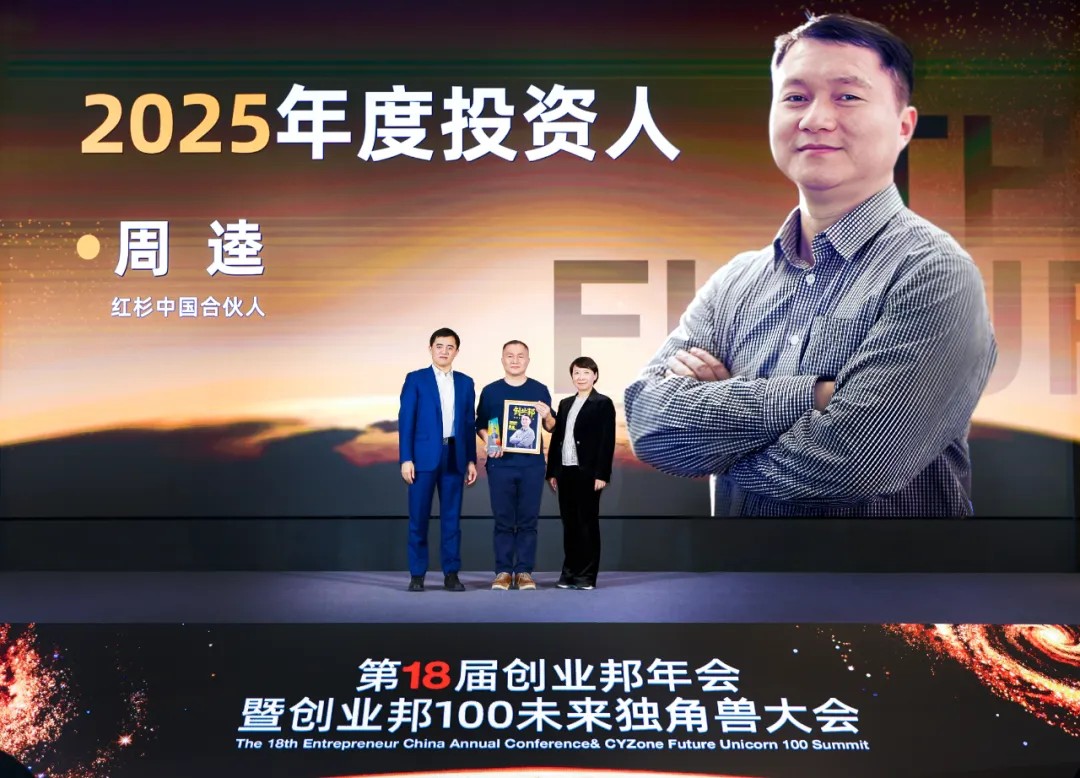
Li Chunbo, Chairman of CITIC CLSA (left), and Nan Lixin, Founder and CEO of Entrepreneur Alliance (right), presented the award to Zhou Kui.
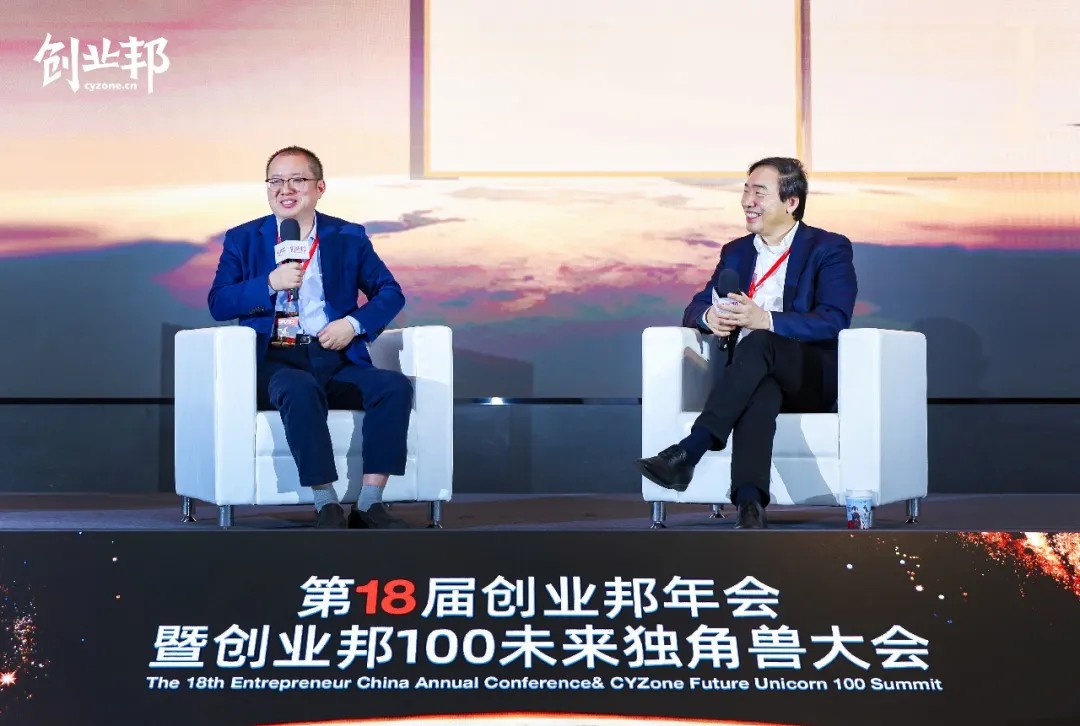
Amid new economic cycles and technological transformations, how can investors and entrepreneurs anticipate the future?Deng Feng, Founding Managing Partner of Northern Light Venture Capital andNi Zhengdong, Founder and Chairman of Zero2IPO Group, and Chairman and CEO of Zero2IPO Holdings (01945.HK),shared their summaries on the development trends of the venture capital environment and their predictions for the New Year of 2026. Deng Feng stated that although the investment landscape has shifted from being US dollar-dominated to state-owned capital-dominated, capital will still flow back as long as there are opportunities for innovation and profit. He emphasized that, in addition to professional skills, modern entrepreneurs need to possess product thinking, market awareness, and an international perspective, balancing grand ideals with a down-to-earth approach. Ni Zhengdong believes that in 2026, China's capital market is experiencing an unprecedented explosion of funds, with the investment logic shifting to being led by scientists, tech entrepreneurs, and hard technology. Although the market is highly involutionary, this domestic competition gives Chinese enterprises super-strong competitiveness in the global market.
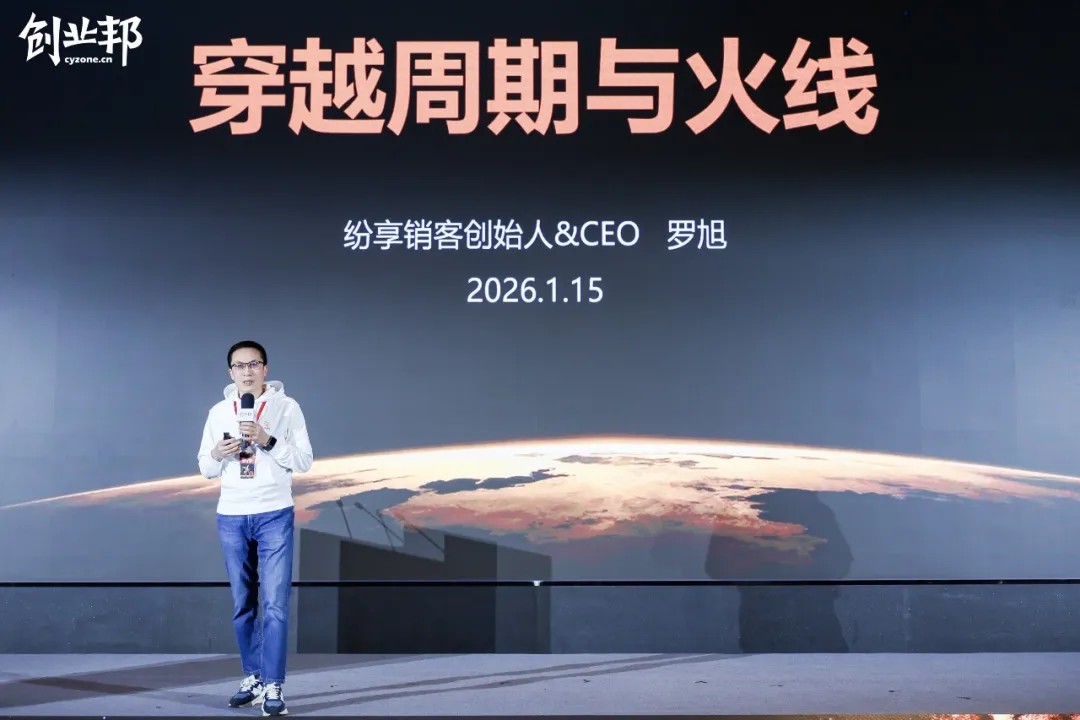
Luo Xu, Founder and CEO of Fensiang,shared the unicorn story of "Traversing Cycles and Fire Lines." Drawing on his company's own development journey, he shared the essentials for enterprises to grow healthily and fearlessly through storms. Luo Xu stated that entrepreneurship is not a smooth path; he had experienced darkest moments such as company layoffs and cardiac arrest. Reflecting on this, he believes the core of traversing cycles lies in continuous "evolution" and returning to the original aspiration. Enterprises should not blindly chase valuations and trends but should adhere to scientific management, redefining their sense of mission and vision. By focusing on customer value, his company achieved steady growth, and he emphasized that being a "good company" that continuously creates value is more important than simply scaling up.
Kong Lingguo, Founding Managing Partner of HeLi Capital, shared his insights under the theme "New Year Reflections: The Companion Investment Philosophy of a Classical Semiconductor Investor." He stated that semiconductors are a marathon track requiring high investment and long cycles. Through his five-year journey of accompanying MetaX with seven consecutive rounds of investment until its IPO, he realized that investors should possess industrial faith that can see through financial fog. He advised founders to seek partners who truly understand technological paths, can provide timely help in darkest moments, and possess ecosystem-building capabilities, suggesting they walk the long march with responsible institutions rather than focusing solely on financial metrics.
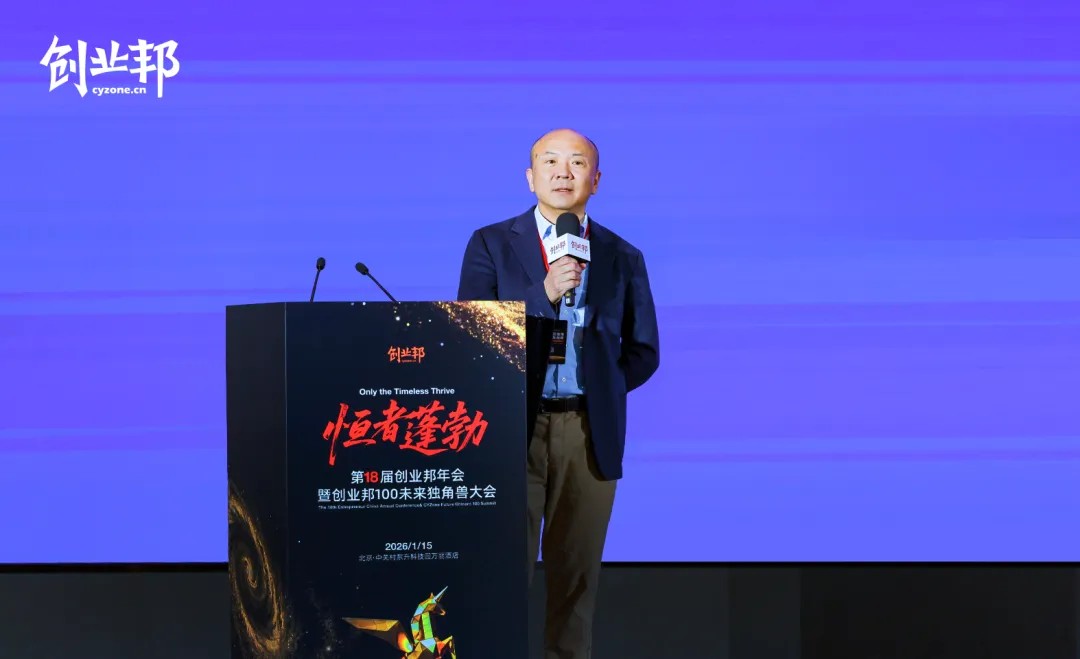
Li Chunbo, Chairman of CLSA, shared his views under the title "The Resilient Reshaping of the Hong Kong Stock Market." He believes that 2025 is a turning point for the valuation and perception of Chinese assets. The Hong Kong stock market has emerged from its past troubles of breaking issue prices and liquidity shortages. Leveraging the innovations of the Chapter 18A/18C system and the support of the Shanghai-Hong Kong and Shenzhen-Hong Kong Stock Connect, it is transitioning from traditional consumption and high-dividend sectors to a new ecosystem dominated by tech innovation enterprises such as chips and AI. He pointed out that international investors' views on Chinese assets have undergone a sea change, shifting from skepticism to optimism about China's economic resilience and technological innovation competitiveness. Looking ahead to 2026-2027, against the backdrop of low interest rates and US dollar interest rate cuts, the Hong Kong stock market is expected to become the main financing channel for startups, but enterprises are advised to possess the potential for a market capitalization of tens of billions to ensure liquidity.
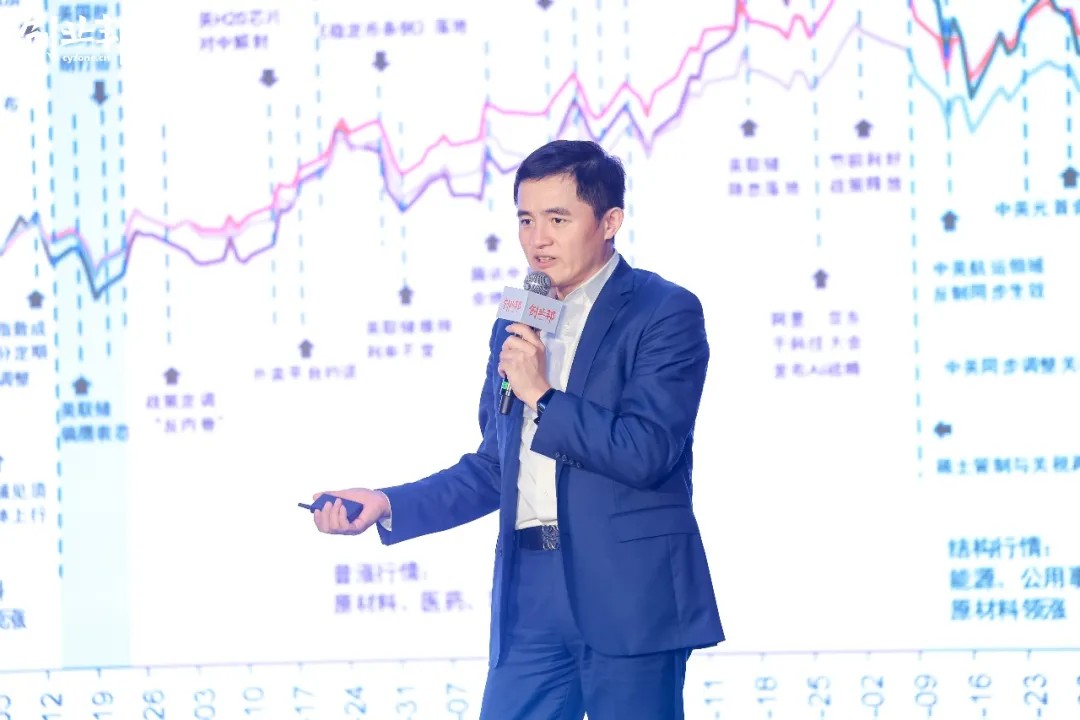
Ye Changhua, Managing Director of HSBC and Head of Technology and Innovation Finance in Asia, delivered a speech titled "Innovative Vision Empowers the Future, Looking Ahead to 2026." He pointed out that artificial intelligence is reshaping the global economy and investment landscape with disruptive force. The current AI-driven investment boom is no longer about whether growth will occur, but when returns will materialize. Capital is highly concentrated in a few top-tier enterprises and infrastructure such as computing power and electricity, with venture capital showing new trends of larger deal sizes and earlier-stage investments. The essence of AI competition is the competition for "computing power," which is based on electricity. Therefore, the energy race has become a focal point of geopolitics, directly impacting the development of "sovereign AI" and future national economic leadership. This is a global transformation, with multiple countries and regions actively participating. In the coming years, global markets will collectively focus on how to effectively translate this massive investment boom into sustainable long-term economic returns.
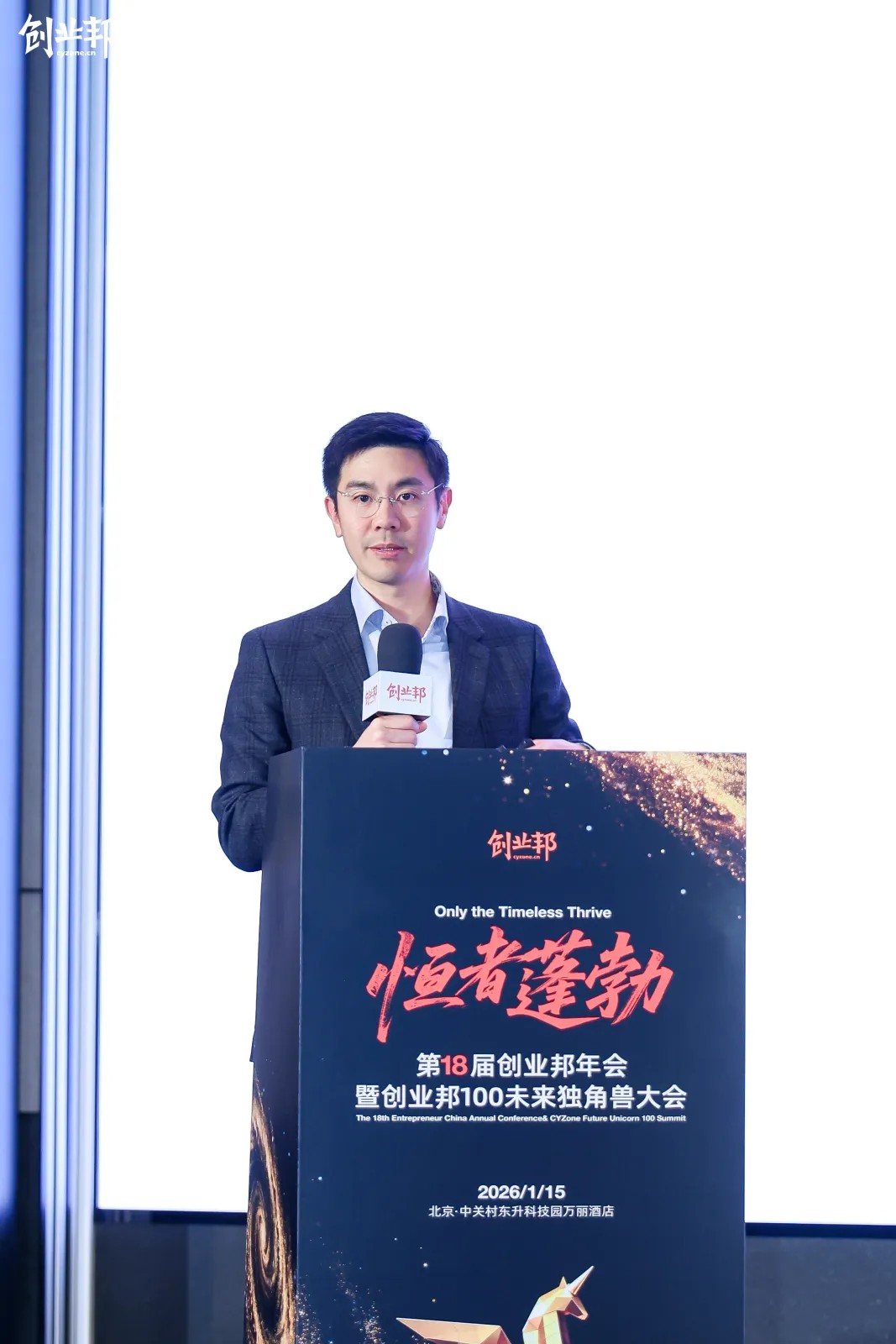

Focus on Practical Application and Going Global:
Future Unicorns Soar on the Battlefield
On site at the conference, the "2025 Entrepreneur 100 Future Unicorns" list was released. The list focuses on the long-term growth potential of enterprises, conducting comprehensive evaluations across five dimensions: founding team, technological barriers, commercialization capabilities, capital attractiveness, and growth momentum. After multiple rounds of surveys and reviews, 100 future unicorn enterprises with the most leapfrog potential were selected from over 300 applicants. The 2025 list reveals that the new technological cycle and capital cycle are accelerating their overlap: the number of AI enterprises surged by 52% YoY, with Beijing leading at 38 enterprises; the average valuation of listed enterprises reached 2.57 billion yuan, 61% have completed five or more rounds of financing, with Shunxi Fund topping the list as the "Best Institutional Hunter" by investing in 15 enterprises; moreover, 70% of the enterprises have achieved global deployment, covering core markets such as Europe and North America.
Focusing on "Future Unicorns Soar on the Battlefield," embodied AI, globalization, and capital efficiency became hot key words.
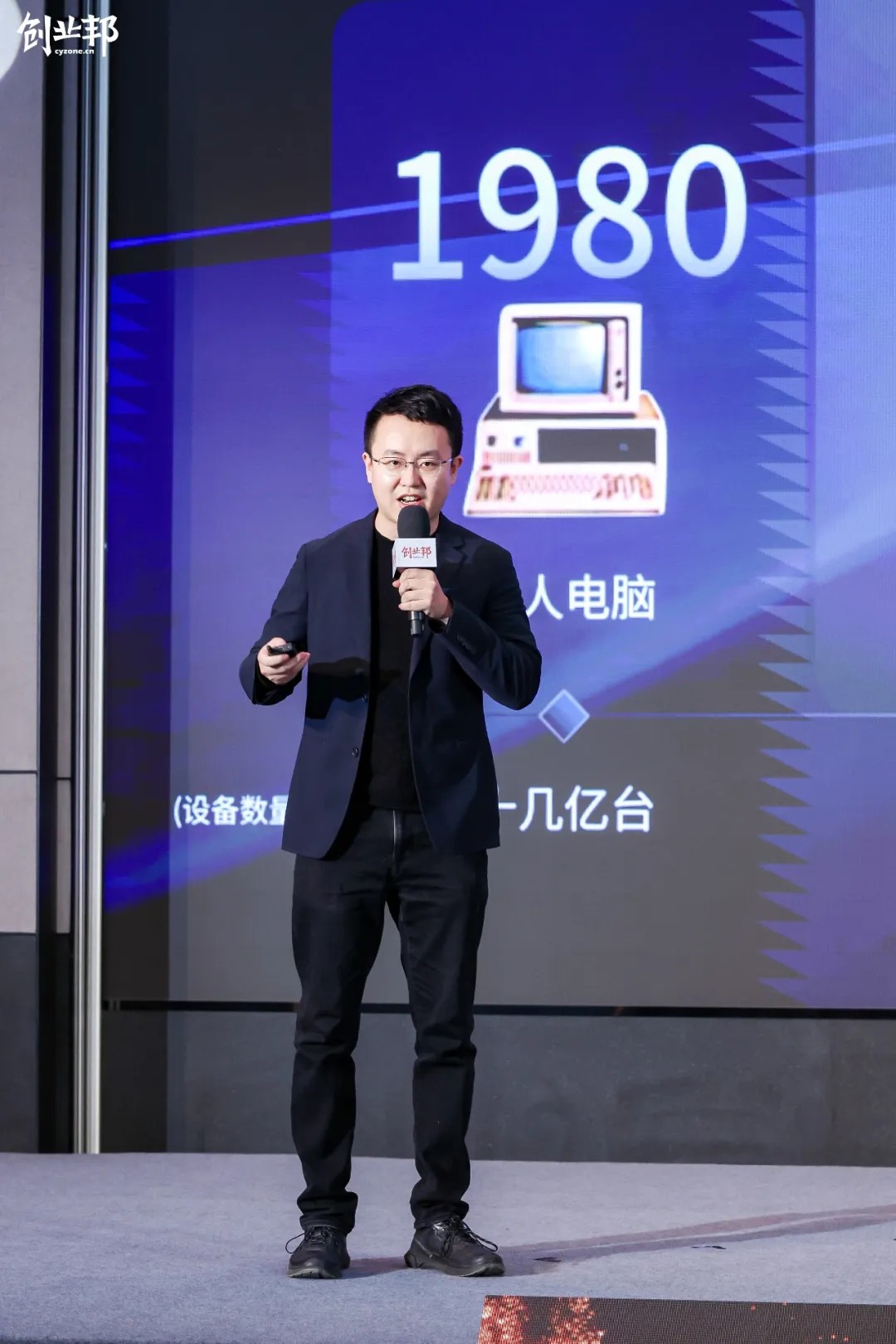
Chen Jianyu, Founder of Xingdong Epoch, stated in his speech "Embodied AI and Humanoid Robots" that robots are the next generation of intelligent terminals after smartphones. He emphasized building general-purpose robots through "integrated software and hardware, fully self-developed technology," and pioneered the VLA model that integrates world models with reinforcement learning, enabling robots to possess autonomous prediction and dexterous operation capabilities. Currently, the company has launched a product matrix including bipedal and wheeled robots, and through the "model + body + data" closed loop, it is collaborating with global tech giants to promote implementation in industrial and logistics scenarios.
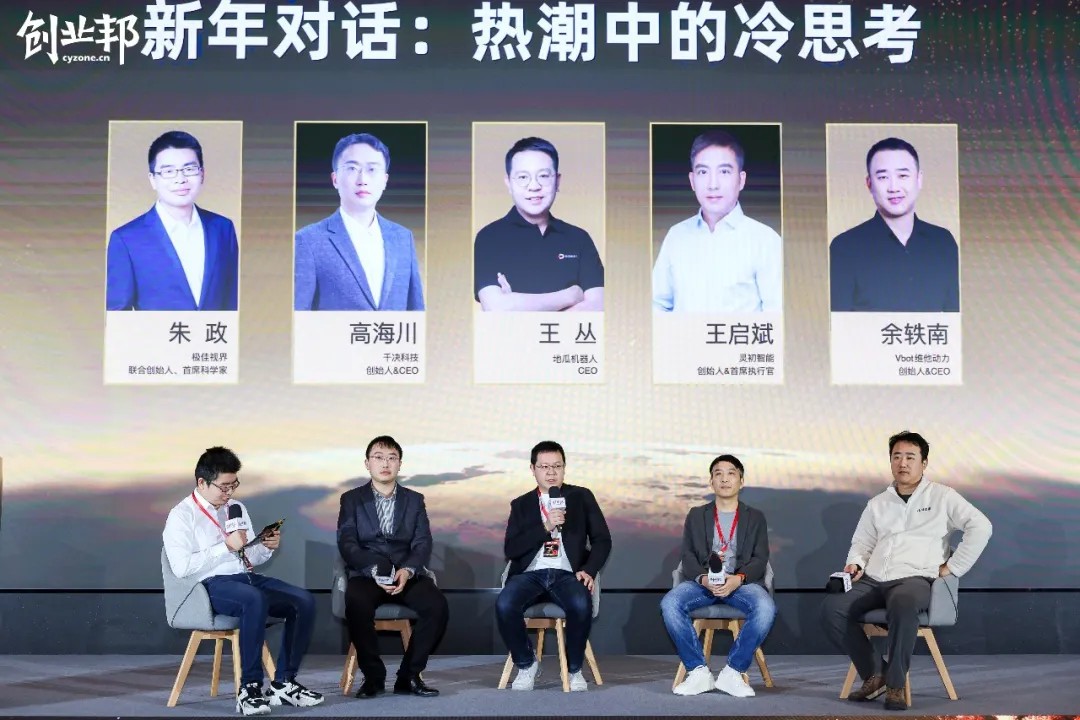
In the "New Year Dialogue: Cold Thinking Amid the Boom" session hosted by Zhu Zheng, Co-founder and Chief Scientist of Excellent Vision, guests including Gao Haichuan, Founder & CEO of Qianjue Technology; Wang Cong, CEO of Digua Robot; Wang Qibin, Founder & CEO of Lingchu AI; and Yu Yinan, Founder & CEO of Vbot Vitapower engaged in discussions. They noted that while embodied AI is still in its early stages driven by technology and faces core technical challenges such as long-range planning and three-dimensional spatial manipulation, it is also encountering significant opportunities from algorithmic paradigm shifts. 2026 will be a critical period for transitioning from technical demos to commercial validation. The key to enterprise survival lies in whether they can break through the trap of "demo does not equal product," identify vertical scenarios that can be validated by ROI, and leverage special forces-like talent density to achieve operational breakthroughs amid the alternating cycles of hardware, scenarios, and data. Although the path toward "general-purpose robots" remains rugged, the industry has entered a crucial window for evolving from technological faith to industrial implementation.
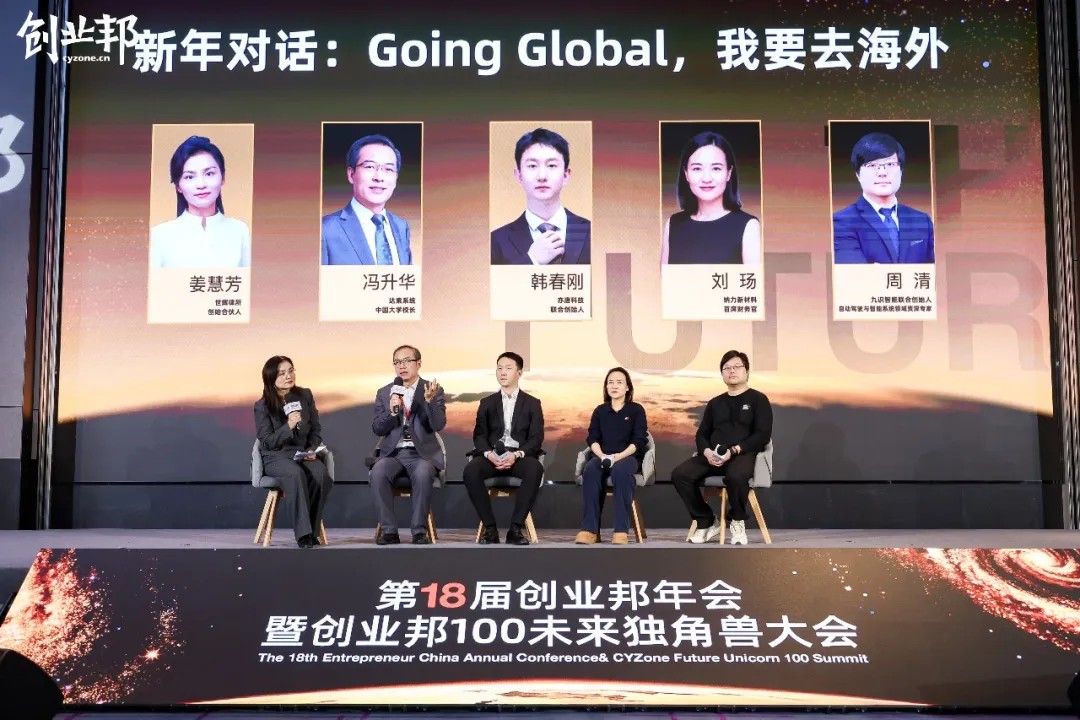
The journey of Chinese technology innovation enterprises has expanded from domestic to global. In the "Going Global, I'm Heading Overseas" dialogue session hosted by Jiang Huifang, Founding Partner of Shihui Law Firm, Feng Shenghua, President of Dassault Systèmes China University; Han Chungang, Co-founder of Yitang Technology; Liu Yang, Chief Financial Officer of Nali Materials; and Zhou Qing, Co-founder of Jiushi Intelligence and a senior expert in autonomous driving and intelligent systems, shared their practical experiences in going global. The guests believe that enterprises' overseas expansion has shifted from exporting goods to exporting production tools and manufacturing processes, facing complex challenges such as policy compliance, talent shortages, and supply chain resilience. To address these, they should adhere to "rational optimism," leverage domestic large-scale scenarios and cost advantages, and mitigate risks through dual engines of "technology + materials" or virtual twin simulations. Simultaneously, it is essential to actively promote localized operations, build compliance pathways through cooperation with local governments or key enterprises, and advance "re-globalization" as representatives of China's advanced manufacturing.
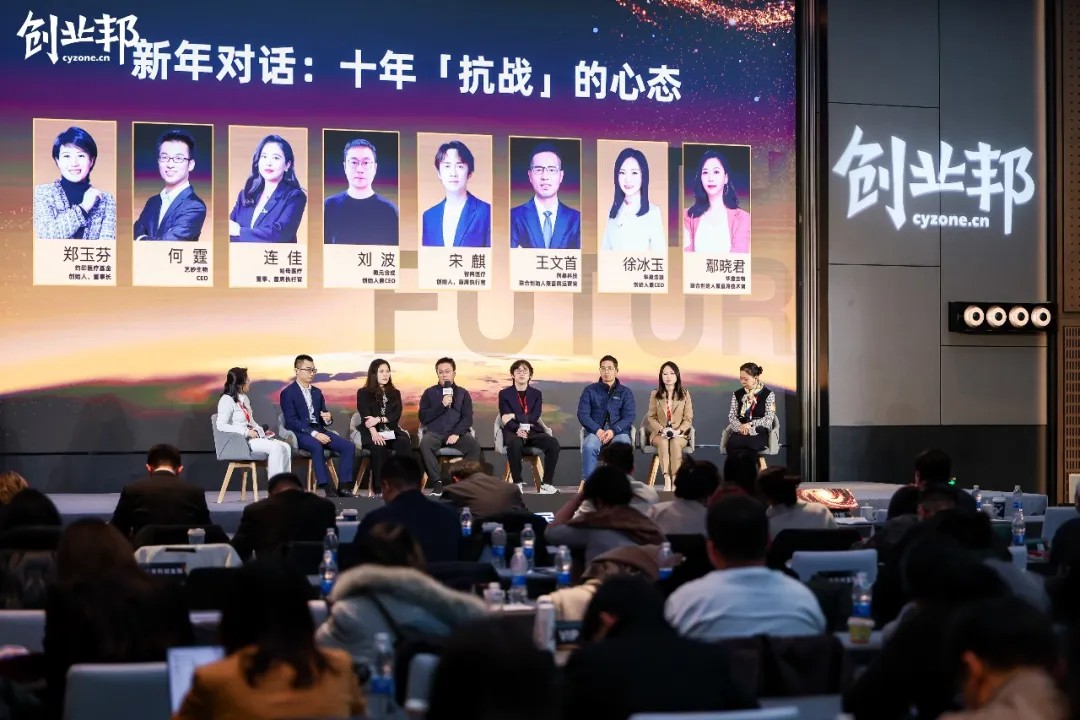
Regarding the resilience of enterprise development, Zheng Yufen, Founder, and Chairman of Inno Medical Fund, along with< T45/> He Ting, CEO of Yimiao Biotech; Lian Jia, Director and CEO of Pamu Medical; Liu Bo, Founder< T48/> and< T49/> CEO of Weiyuan Synthesis; Song Qi, Founder< T50/> and CEO< T51/> of Zhiran Medical; Wang Wenshou, Co-founder< T52/> and Chief Operating Officer< T53/> of Jitai Technology; Xu Bingyu, Founder< T54/> and CEO< T55/> of Huamei Haolian; and Yan Xiaojun, Co-founder< T56/> and Chief Technology Officer< T57/> of Huayan Biotech,< T58/> conducted an in-depth exchange titled "The Mindset of a Ten-Year 'Resistance War'."Participants stated that the medical industry must adopt a long-term mindset of "sharpening a sword for ten years," dedicating efforts to cutting-edge fields such as gene and cell therapies, pulmonary hypertension devices, brain-computer interfaces, and synthetic biology. Faced with the temptation of trends, enterprises should maintain strategic focus, concentrate on their core technological strengths, and return to the essence of business and clinical value. Looking ahead to the next decade, outstanding startups will strive to achieve cost reduction and broader accessibility of drugs through scaled production and technological innovation, break through the boundaries of healthcare, lead Chinese innovation onto the global stage, and benefit patient health.
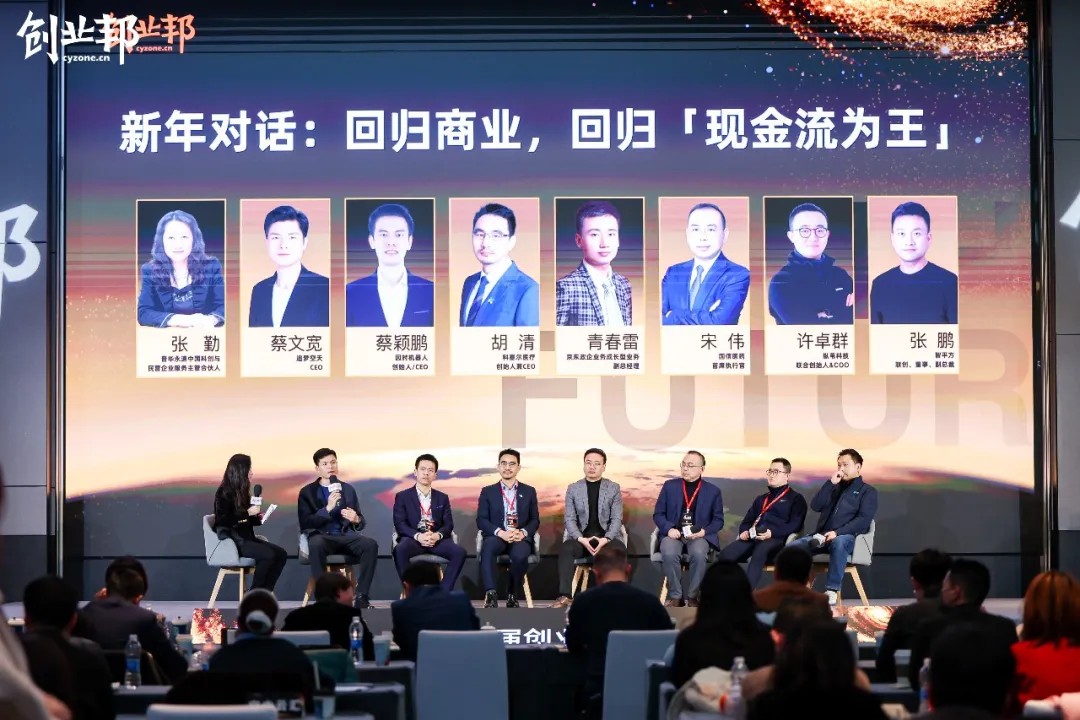
Moderated by Zhang Qin, Partner in Charge of Technology Innovation and Private Enterprise Services at PwC China, Zhui Meng Kong Tian CEO Cai Wenkuan, Yin Shi Robot Founder and CEO Cai Yingpeng, Ke Sai Er Medical Founder and CEO Hu Qing, Jingdong Zhengqi Ye Wu Chengzhang Xing Ye Wu Deputy General Manager Qing Chunlei, Guo Xin Yi Yao CEO Song Wei, Zong Wei Technology Co-Founder and COO Xu Zhuoqun, Zhi Ping Fang Co-Founder Zhang Peng engaged in a practical discussion centered on "Returning to Business, Returning to 'Cash Flow is King'." Everyone expressed that in long-cycle industries such as hard tech and healthcare, cash flow management is not only a financial issue but also core to corporate strategy and pace control. Amid the conflict between R&D and commercialization, a combination of "long-termism" and "earning along the way" should be adhered to, focusing on core tracks and building barriers through differentiated competition. In terms of management, cost reduction and efficiency improvement should be achieved through organizational transformation, digital tools, and supply chain collaboration, enabling robust self-sustaining capabilities to navigate cycles and ultimately realize the leap from "making products" to "building enterprises."

Industrial Innovation and CVC Insights
Seeking Certainty to Navigate Cycles
As an important part of the conference, the "2026 Enterprise Innovation and Investment Annual Meeting" was held simultaneously behind closed doors , where investment leaders from major industrial companies and future unicorns discussed the way forward in the new year.
At the meeting, the " 2025 China Enterprise CVC Development Report " was released. According to StartUp Bang Rui Shou Analysis, from January to November 2025, in terms of fundraising, the scale of newly registered CVC funds saw a significant pullback, with over one-third of new funds registered in Zhejiang, Guangdong, and Shandong; regarding investment, the number of active CVCs decreased by 27.76%, with artificial intelligence and smart manufacturing investments leading by a wide margin in both number and amount—nearly 50% of investment events were concentrated in Beijing, Shanghai, and Shenzhen, among which Legend Capital led in the number of investment events; CVCs participated in 40% of large-scale investment events, and 61.90% of newly emerged unicorns had CVC involvement; in terms of exits, the IPO penetration rate reached 33.20%, with Tencent Investment showing significant results in project exits.
Amid the surging waves of technological transformation and the cyclical shifts of capital, standing at the new starting point of 2026, Chinese entrepreneurs are navigating and transcending cycles in this "infinite game within finite time" by leveraging solid technological barriers, robust cash flow management, and steadfast global vision. Meanwhile, investors deeply entrenched in their sectors are injecting capital vitality into innovative forces with long-term industrial foresight and an empowering, partnership-driven mindset, becoming peers who accompany entrepreneurs through uncertainties. The future has arrived; only those with perseverance thrive, and only the resilient journey far.