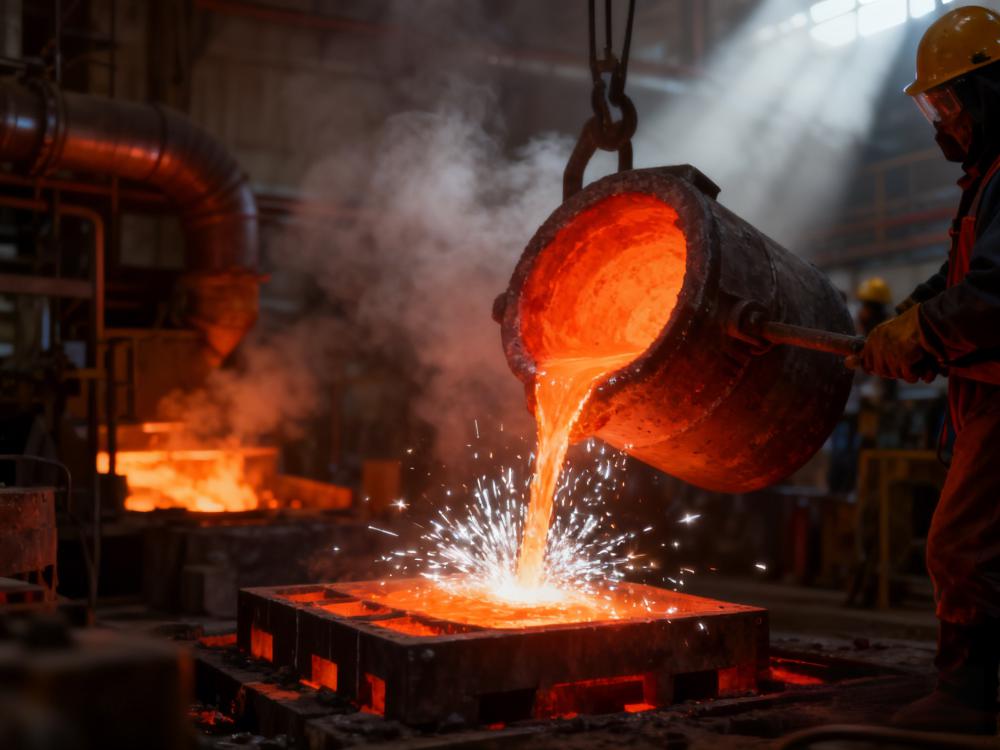
Em 18 de janeiro de 2026, às 15h03, ocorreu uma explosão significativa na fábrica de chapas de aço de terras raras do Grupo Baogang. Como empresa-chave na indústria de terras raras da China, o incidente despertou preocupações globais sobre o fornecimento de terras raras e aumentou as expectativas de uma nova rodada de aumentos de preços. No entanto, uma análise abrangente da natureza do acidente, da estrutura da cadeia produtiva e dos mecanismos de mercado indica que o impacto no fornecimento de terras raras é limitado e improvável de afetar substancialmente as tendências de preços.
1. Natureza do Incidente: Sem Ligação Direta com a Produção de Terras Raras
A explosão ocorreu em um tanque esférico de água saturada e vapor de 650 metros cúbicos na oficina de siderurgia da fábrica de chapas de aço de terras raras da Baogang, e não nas instalações de mineração ou fundição de terras raras. "Chapas de aço de terras raras" referem-se a produtos siderúrgicos acabados aprimorados com elementos traços de terras raras (por exemplo, lantânio, cério) para melhorar o desempenho, e não a matérias-primas de terras raras. Essas chapas são usadas principalmente em setores de manufatura de alta tecnologia, como ferrovias, automóveis e dutos, representando o extremo da aplicação a jusante da cadeia produtiva de terras raras. Geograficamente, as bases de produção de matérias-primas de terras raras da Baogang estão localizadas longe da fábrica afetada, garantindo que o impacto do acidente permaneça isolado.
2. Impacto na Cadeia Produtiva: Fornecimento de Concentrado de Terras Raras Não Afetado
As operações internas da Baogang são claramente segmentadas: seus concentrados de terras raras são fornecidos principalmente à Northern Rare Earth para separação e fundição. Mesmo que a fábrica de chapas e as linhas de produção de aço relacionadas interrompam as operações para inspeções de segurança, isso não afetará diretamente a produção ou entrega de concentrados de terras raras. Após o acidente, a equipe da Baogang afirmou que a causa ainda está sob investigação e, embora as linhas de produção afetadas tenham parado, outras linhas suspenderão gradualmente as operações para inspeções. A Northern Rare Earth confirmou que, embora verificações de segurança tenham sido iniciadas, a produção não foi impactada diretamente e não foram relatadas interrupções no fornecimento. A cadeia produtiva de terras raras exibe forte isolamento segmentar—desde a mineração e concentração até a separação, fundição e aplicações finais—impedindo que incidentes localizados desencadeiem reações em cadeia.
3. Estrutura Atual do Mercado: Mecanismo Complexo de Formação de Preços
O mercado chinês de terras raras apresenta características estruturais únicas: alta concentração no setor a montante, mas o poder de fixação de preços deriva em grande parte da concorrência industrial nos segmentos a médio e a jusante. Segundo estatísticas da SMM, o mercado chinês detém mais de 90% da quota de mercado global de terras raras. Do lado da oferta, grandes grupos como China Northern Rare Earth, China Rare Earth, Shenghe Resources, Chenguang Rare Earth, Jinlong Rare Earth, Gansu Rare Earth e Keli controlam predominantemente o mercado. Estes principais grupos exercem cada um diferentes graus de influência nos processos de separação e fundição de terras raras. Entretanto, grandes empresas de materiais magnéticos a jusante, incluindo JL MAG Rare-Earth, Zhong Ke San Huan, Zhenghai Magnetic Material, Dongxing Magnetic Industry, Heli Magnetic Material, Antai Technology e Ketian Magnetic Industry, dominam a tecnologia de fabrico de ímanes permanentes de terras raras, formando um controlo integrado sobre toda a cadeia de recursos de terras raras, desde a separação até à fundição e moldagem. Os preços das terras raras dependem em grande parte das taxas de utilização da capacidade, estratégias de inventário e procura do mercado destas três partes. Em particular, as fábricas de metal abastecem directamente os produtores de ímanes permanentes de terras raras, como o NdFeB, sendo as suas cotações e o ritmo de libertação de capacidade factores-chave que influenciam os preços a curto prazo. Numa perspectiva global, a China detém uma posição dominante no mercado de terras raras. Este domínio significa que o mecanismo de formação de preços domésticos de terras raras da China tem um impacto decisivo no mercado global. Mesmo no meio da onda de "desglobalização" promovida por alguns países ocidentais, o sector chinês de terras raras continua a manter o seu controlo sobre a fixação de preços.
4. Suporte das Fundamentais de Oferta e Procura e Política
A tendência de longo prazo do mercado de terras raras depende das fundamentais de oferta e procura e da direcção política, e não de incidentes isolados. Do lado da oferta, o fornecimento de terras raras mantém-se estável a curto prazo, satisfazendo eficazmente a procura actual. Do lado da procura, sectores emergentes como veículos de nova energia, geração de energia eólica e motores energeticamente eficientes continuam a registar uma procura crescente. Em termos de política, a China implementa políticas estáveis de controlo de terras raras, visando promover o desenvolvimento de toda a cadeia industrial de terras raras. Estes factores fundamentais determinam a tendência de longo prazo do mercado de terras raras e não serão alterados por um único incidente.
Até às 18h00 de Pequim, em 19 de janeiro de 2026, o preço doméstico do óxido de praseodímio-neodímio foi cotado entre 662.000 e 663.000 yuans por tonelada, enquanto o preço da liga de praseodímio-neodímio recuou para cerca de 800.000 yuans por tonelada. Esta flutuação de preços foi influenciada principalmente pelo impasse e negociação contínuos entre os agentes a montante e a jusante, representando um ajuste normal do mercado, sem ligação direta com o incidente da explosão.
Os riscos reais no mercado de terras raras não derivam de acidentes repentinos, mas sim de fatores de longo prazo, como a reestruturação da cadeia de abastecimento global e a substituição tecnológica. A SMM apela também aos clientes globais para que visualizem o mercado de terras raras de forma racional, evitem criar ou espalhar rumores e tomem decisões informadas.
![Preços do lado do minério subiram ligeiramente, Pr-Nd consolidou-se em impasse, e a sucata subiu primeiro e depois estabilizou [Revisão Semanal de Terras Raras Recicladas da SMM]](https://imgqn.smm.cn/usercenter/tXtym20251217171745.jpeg)
![Os preços do lado do minério subiram ligeiramente, o Pr-Nd se consolidou e as terras raras médias e pesadas divergiram [Revisão Semanal de Terras Raras da SMM]](https://imgqn.smm.cn/usercenter/fpsaU20251217171745.jpeg)