Overseas Market Dynamics
Price Side, FOB lanthanum oxide price held stable at $870-930/mt, FOB cerium oxide price held stable at $1,677-1,762/mt, CIF (Rotterdam) cerium oxide price was $2,330-2,340/mt, FOB neodymium oxide price was raised to $128-148/kg, CIF (Rotterdam) neodymium oxide price was $180-200/kg, FOB dysprosium oxide price was raised to $271-311/kg, FOB neodymium metal price was raised to $121-141/kg.
Transaction Side,
FOB lanthanum oxide/cerium oxide and CIF (Rotterdam) cerium oxide prices remained stable: No significant changes occurred recently on both supply and demand sides. Supply side, major producers maintained stable production; demand side, its application demand in traditional fields like catalysts and glass additives remained steady.
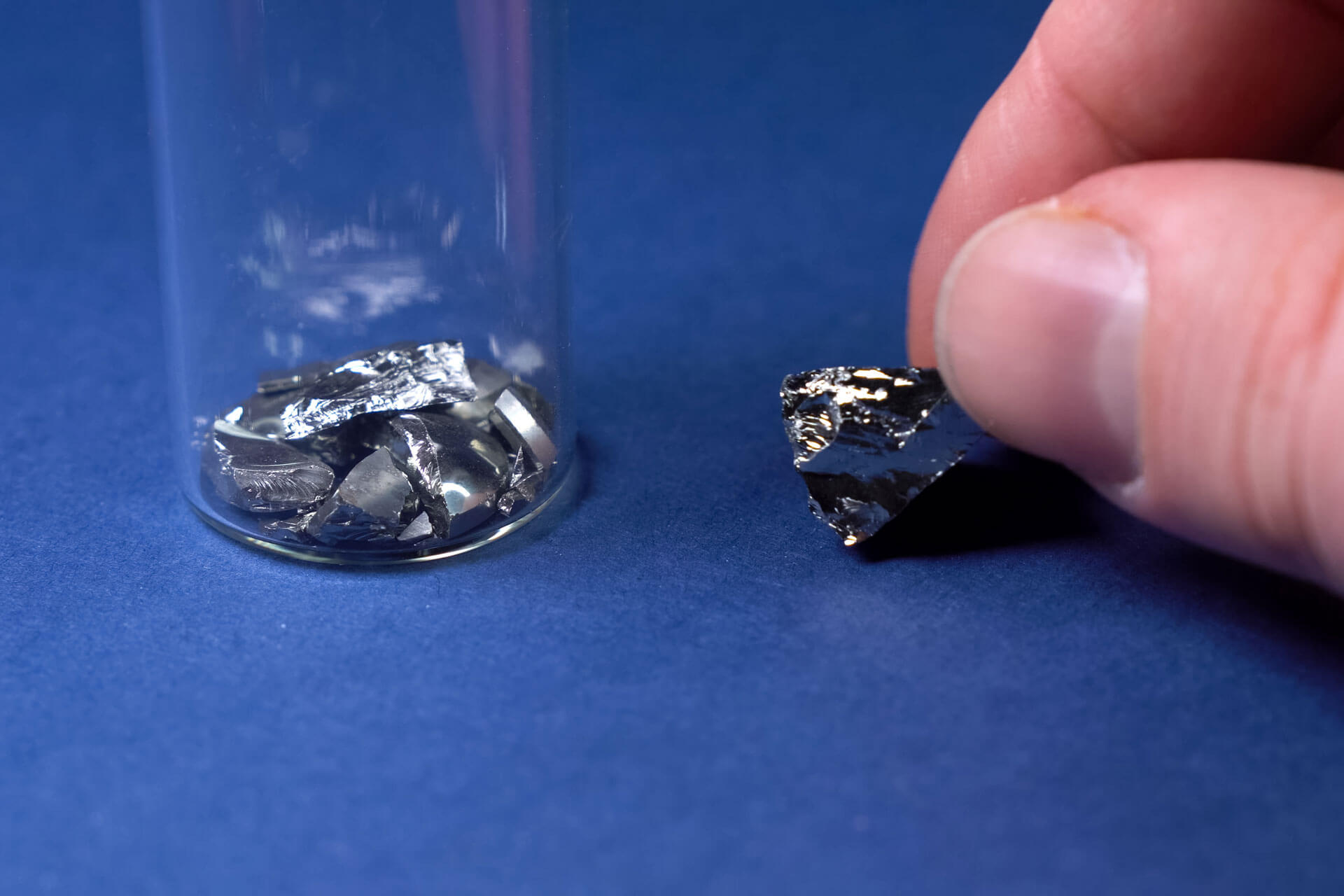
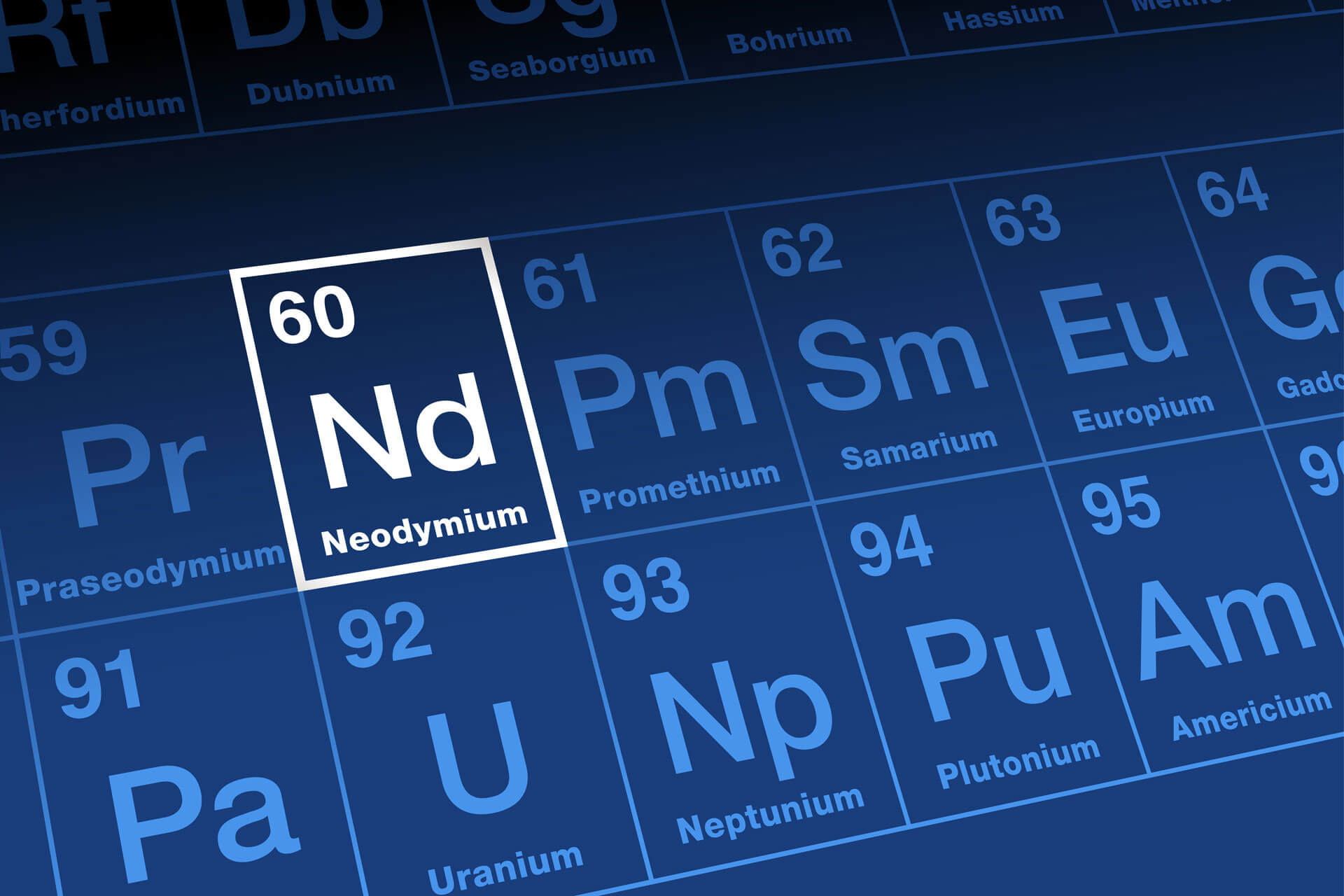
FOB/CIF neodymium oxide prices showed a clear upward trend: Main drivers included the rapid increase in domestic Chinese neodymium oxide spot prices driving up FOB quotations, coupled with persistently tight supply due to factors like restricted operations at domestic separation enterprises, leading to reduced export supply. Additionally, the continued weakening of the US dollar exchange rate recently increased the import cost of dollar-denominated resources, adding to sellers' quotation burden. Under the combined effect of these factors, overseas neodymium oxide quotations climbed rapidly.
FOB dysprosium oxide price rose slightly: This was partly due to the slight increase in domestic dysprosium oxide prices driving up export prices, and partly because at the beginning of the new year 2026, international instability lengthened the transaction cycle for heavy rare earth oxides (dysprosium oxide), increasing export risks for sellers. This again coincided with the continued depreciation of the US dollar, adding to sellers' burdens, leading to a slight increase.
FOB neodymium metal price was raised significantly: The reason for this increase was the rise in domestic neodymium metal prices; constrained by cost support, export prices increased rapidly.
Key News Focus This Week:
US President Trump continued to express his intention to acquire Greenland. Setting aside military intentions, the essence is coveting Greenland's rare earth resources. According to relevant data, Greenland's rare earth reserves rank eighth globally, approximately 1.5-1.6 million mt, and it possesses two rare earth deposits with mining value, which could effectively meet US demand for the rare earth industry.
Finance ministers from the Group of Seven (G7) and other major economies met on Monday in Washington to discuss ways to reduce reliance on Chinese rare earths, including setting price floors and establishing new partnerships to expand alternative supply sources, the ministers said. The meeting was convened by US Treasury Secretary Scott Bessent and attended by finance ministers from G7 members Japan, the UK, France, Germany, Italy, Canada, and the US, as well as officials from Australia, Mexico, South Korea, and India. US Trade Representative Jamieson Greer and representatives from the US Export-Import Bank and JPMorgan Chase also attended, but no joint statement was issued by the participants. In a statement, the US Treasury Department said Bessent hoped to "discuss solutions to secure and diversify critical mineral supply chains, particularly rare earth elements," and expressed optimism that countries would pursue "prudent de-risking rather than decoupling" policies.
Overseas News Briefing
US-based Energy Fuels announced an expansion plan for its White Mesa plant in Utah, with expected capital expenditure of $410 million, increasing annual Pr-Nd oxide capacity from 1,000 mt to over 6,000 mt, and adding new capacity for terbium (66 mt/year), dysprosium (240 mt/year), and samarium-europium-gadolinium concentrate (750 mt/year). If monazite raw material from the Vara Mada project in Madagascar is used, its production cost for Pr-Nd oxide could drop to $29.4/kg, potentially making it one of the world's lowest-cost rare earth producers. The project is expected to receive approval in 2027 and begin production in 2029, highlighting US efforts to strengthen domestic supply chains.
In Europe and Asia, Germany and India signed 19 key mineral cooperation agreements covering exploration, processing, and recycling. India launched the 2024–31 National Critical Minerals Mission, investing nearly $4 billion to advance 1,200 exploration projects and 50 overseas asset acquisitions, aiming to reduce reliance on China. Meanwhile, Korea Zinc and US-based Alta Resource Technologies formed a joint venture to build a rare earth recycling facility, scheduled to begin operation in 2027, initially processing 100 mt of waste permanent magnets annually to extract rare earth elements such as neodymium, praseodymium, dysprosium, and terbium. Combined with Korea Zinc’s $7.4 billion smelter project in Tennessee, this further integrates recycling with primary supply chains.
Multiple advances are underway in resource development: Australia listed antimony, gallium, and rare earths as the first mineral species under its critical minerals strategic reserve, using a government offtake resale mechanism to stabilize supply chains; Greenland’s Critical Metals received approval to build an Arctic-standard pilot plant, accelerating development of the Tanbreez rare earth project; Japan began exploration of deep-sea rare earth mud near Minamitorishima, attempting to overcome limitations of land-based resources. On the policy front, Trump demanded that key mineral agreements with allies be reached within 180 days, threatening tariff hikes otherwise, but in the short term still relies on "friend-shoring" strategies to ease supply pressures.