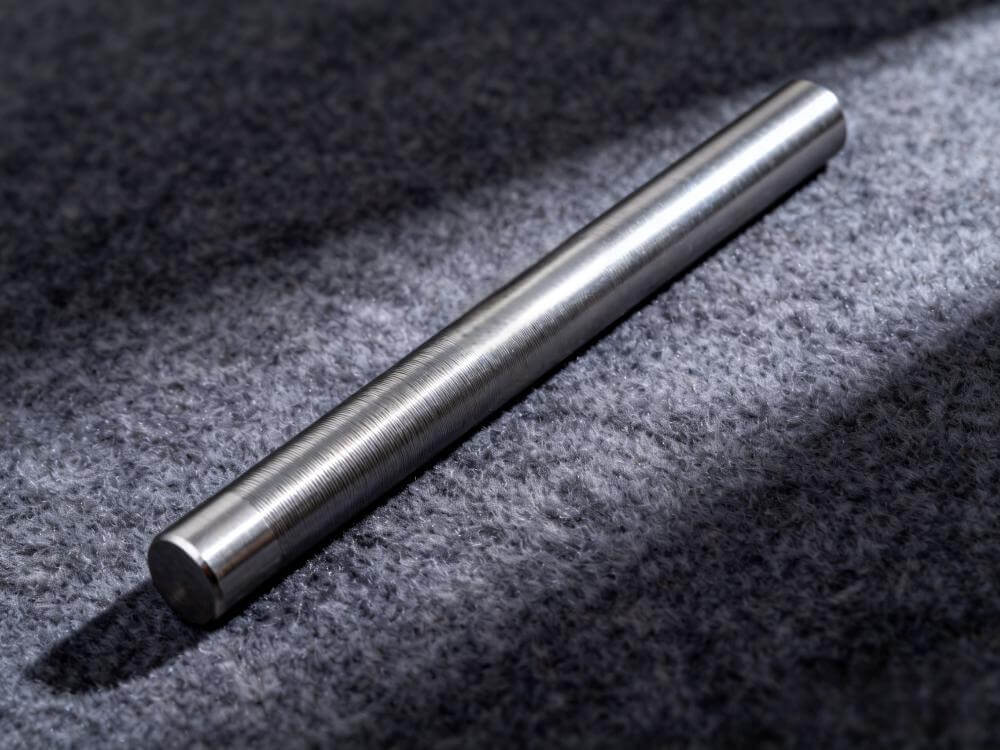
In 2025, niobium prices experienced a volatile trend characterized by an initial rise, followed by a decline, and then stabilization. Geopolitical conflicts initially triggered sentiment-driven rallies, but subsequent shifts in global supply-demand patterns and fluctuations in downstream demand guided prices back to rationality. A slight tightening in supply toward the year-end fostered short-term adjustment expectations. The industry exhibited notable features of concentrated upstream resources and differentiated downstream demand.
At the beginning of the year, geopolitical disturbances drove niobium prices higher alongside tantalum prices. In February 2025, conflicts erupted in the DRC region. Initially, market sentiment had not yet fully materialized, and niobium prices remained firm. As the local situation escalated, market risk aversion intensified. Coupled with the fact that niobium often occurs alongside tantalum, niobium prices followed tantalum prices into a rapid upward trajectory. It is worth noting that this price increase was more sentiment-driven than due to any fundamental physical shortage, which also set the stage for subsequent pullbacks. The artisanal mining areas in eastern DRC primarily produce tantalum ore, with niobium ore being only a by-product. The DRC's niobium production accounts for an extremely low proportion of the global total, as the core of global niobium resource supply remains concentrated in Brazil.
In the medium term, as the situation eased and supply became clearer, niobium prices rationally pulled back. With the gradual easing of the situation in the DRC, market sentiment returned to rationality, and niobium prices began to decline. The core reason lies in the clarity of the global niobium supply landscape; niobium ore supply from the DRC has a limited impact on the global market. Additionally, periodic weak demand from the downstream steel industry also exerted downward pressure on prices. As the primary consumer of niobium, sluggish demand in the steel industry further accelerated the decline in niobium prices. From August to mid-December 2025, niobium prices showed a downward trend across the entire industry chain, with ferroniobium prices declining in tandem with upstream raw material prices such as niobium ore and niobium pentoxide. Toward the year-end, signs of tight supply emerged, leading to tentative price increases. From mid-to-late December 2025, the supply side of the niobium market tightened. Upstream mines and smelters raised their quotations, with ferroniobium offered at 316,000 yuan/mt. This change was partly due to short-term capacity contraction caused by year-end maintenance at some smelters, and partly related to the initial release of year-end stockpiling demand within the industry. Furthermore, the DRC's Ministry of Mines extended trading bans in some artisanal mining areas. Although this had a limited direct impact on niobium supply, it reinforced market expectations for compliance upgrades in the tantalum-niobium supply chain, indirectly contributing to tentative stabilization in niobium prices.
Looking back at 2025, the core logic behind niobium price volatility was that sentiment-driven factors preceded fundamentals. Short-term disruptions caused by geopolitical conflicts ultimately gave way to the dominant role of fundamental supply and demand. Looking ahead, niobium prices in 2026 are expected to show a pattern of stability with a slight upward trend. Domestic infrastructure investment and upgrades in high-end manufacturing will provide demand support, while policy variables such as adjustments to Brazilian export tariffs and the implementation of relevant EU legislation could become new sources of price volatility. Industries and enterprises need to focus on the stability of upstream resource supply and breakthroughs in downstream emerging application fields to address market volatility risks.
![[SMM Analysis] Rubaya: Ownership, Conflict and the Global Tantalum Trade](https://imgqn.smm.cn/usercenter/teIej20251217171724.jpeg)