Nickel Ore
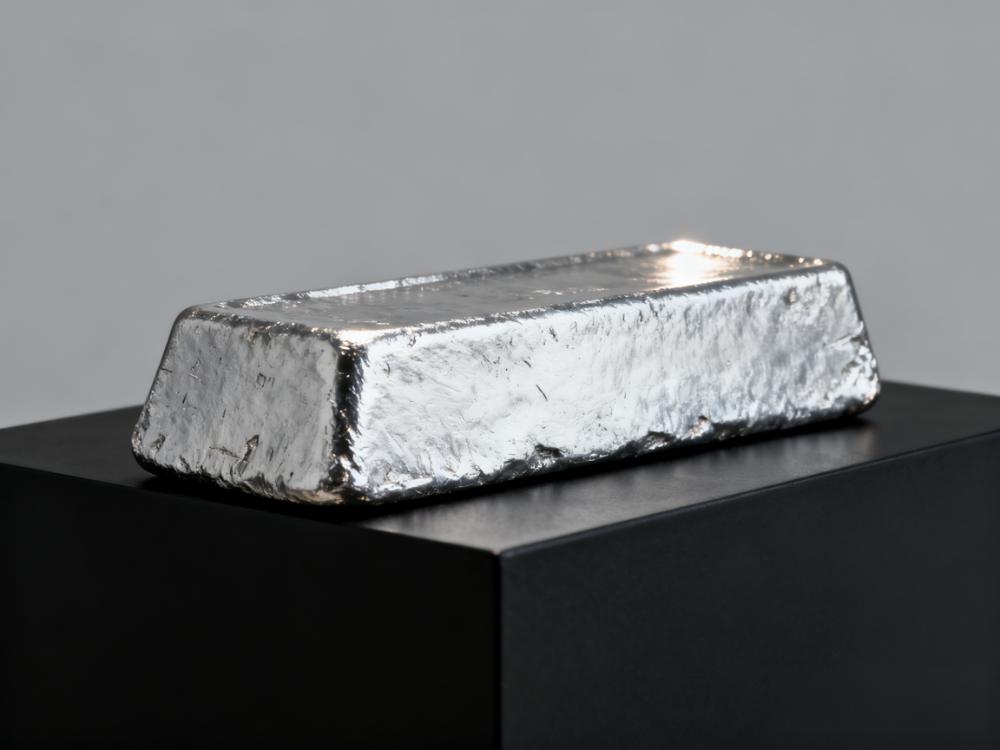
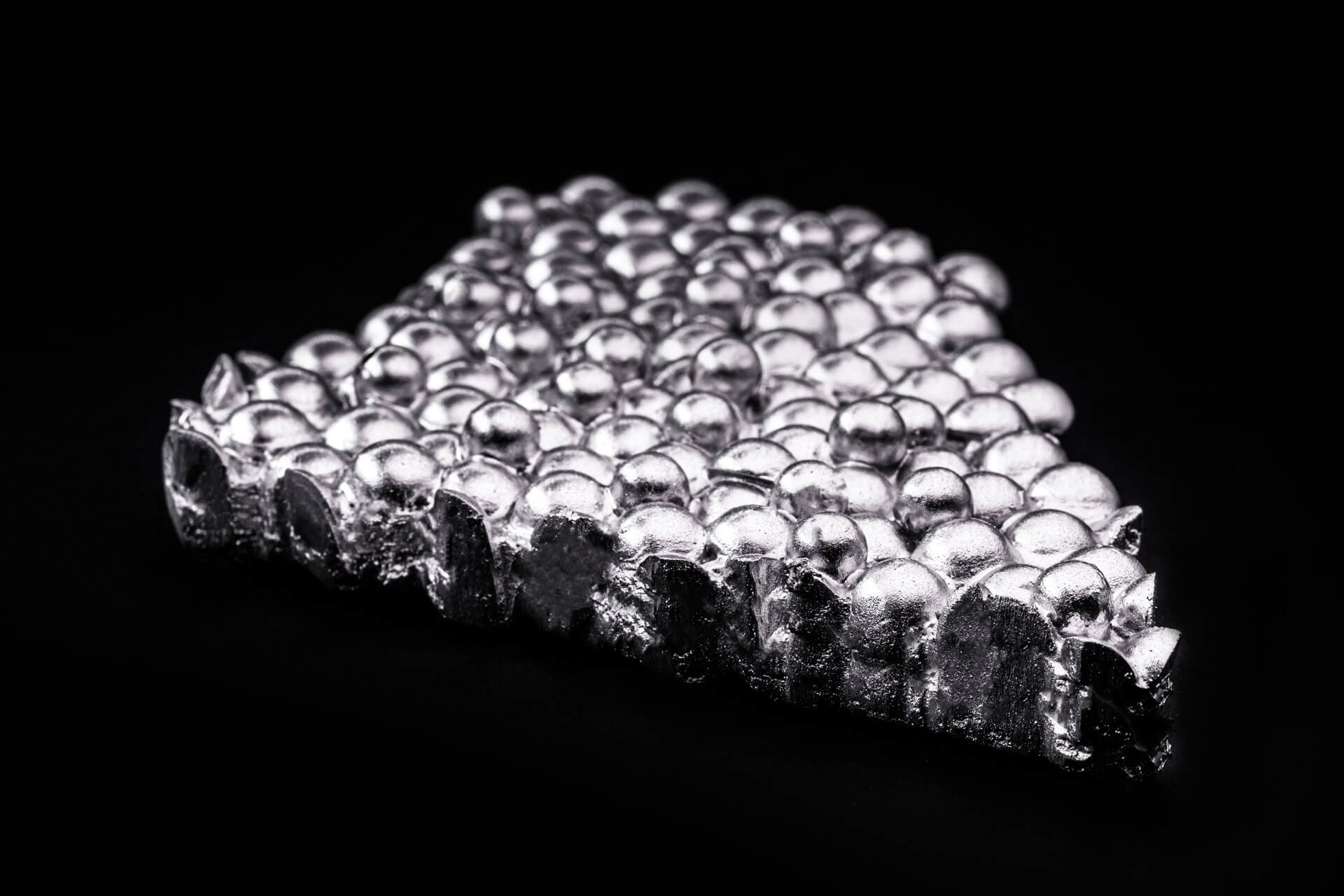
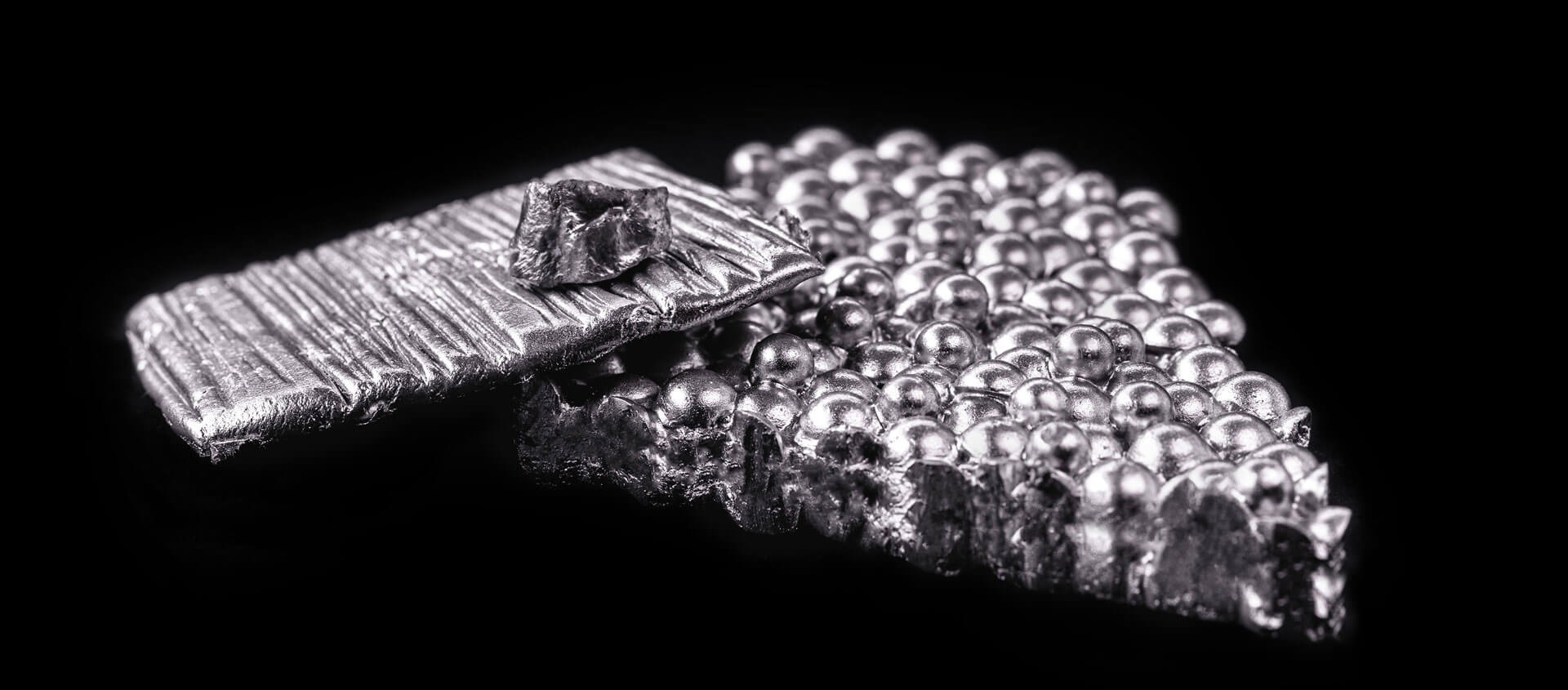
Indonesian nickel ore prices remained stable. In terms of benchmark prices, Indonesia’s domestic nickel ore benchmark for the first half of December was USD 14,667 per dry metric ton, down 2.21% from the previous period. For premiums, according to SMM data on Indonesia’s domestic laterite nickel ore premiums, 1.4% grade averaged USD 22, 1.5% grade averaged USD 25.5, and 1.6% grade averaged USD 26. The delivered price for 1.6% Ni laterite ore in Indonesia was USD 50.9–52.9 per wet metric ton, unchanged WoW. For hydrometallurgical ore, the delivered price for 1.3% Ni remained stable at USD 24–25 per wet metric ton, unchanged from last week.
- Pyrometallurgical Ore:
On the supply side, the rainy season in Sulawesi has become increasingly severe, while Halmahera has also experienced intermittent heavy rainfall. The notable increase in precipitation has disrupted production at some mines. On the demand side, procurement demand from NPI smelters remains relatively stable, though purchasing enthusiasm has eased slightly compared with previous peak levels. A small number of smelters continue to increase their nickel ore procurement volumes. Regarding RKAB, many Indonesian mining companies are still in the submission and evaluation stage, and no new RKAB approvals have been announced recently.
- Hydrometallurgical Ore:
On the supply side, supply conditions remain stable, with relatively ample market availability and limited inter-island transportation volumes. On the demand side, some smelters have reduced procurement due to sufficient inventories, leading to price weakness.
Looking ahead, as there has been no clear update on RKAB approvals, most mines are maintaining a cautious stance, providing some price support and limiting further downside. Toward year-end, Indonesia’s nickel benchmark price has continued to weaken, putting downward pressure on the absolute price level of Indonesian nickel ore. Although some RKAB quotas are nearing exhaustion, certain mines are still able to release limited volumes by utilizing unused portions of their 2026 quotas, allowing nickel ore procurement to continue and keeping premiums at current levels.
According to RKAB developments, on 4 December 2025, Indonesia’s Ministry of Energy and Mineral Resources issued warnings to multiple mining companies for failing to submit their 2026 Mining Work Plan and Budget (RKAB) by the 15 November 2025 deadline, in violation of Ministerial Regulation No. 17/2025. Companies holding IUP, IUPK, or extended production operation licenses are required to submit their RKAB approval applications through the designated RKAB information system within 30 days of the notice. Failure to submit the RKAB application on time will result in the inability to obtain RKAB quotas, thereby preventing further production activities.
Nickel Pig Iron
“Off-Season Rebound Exposes Upstream–Downstream Tensions, Limiting High-Nickel Pig Iron Upside”
The average price of SMM 10-12% NPI average price rose by RMB 6.1 per nickel unit week-on-week to RMB 887.4 per nickel unit (ex-works, tax included), while the Indonesia NPI FOB index dropped by USD 0.81 per nickel unit to USD 110.44 per nickel unit. In December, the off-season atmosphere has become increasingly evident, with no improvement in end-user demand. Stainless steel prices and futures have remained weak. Although high-nickel pig iron prices rebounded during the week on the back of concentrated upstream price support, fundamentals remain weak, downstream acceptance of higher prices is limited, and the price rebound lacks sustainability.
On the supply side, amid cost inversion pressures and with annual long-term contract negotiations approaching, most NPI producers held firm on prices and withheld shipments during the week, pushing the market price center higher. On the demand side, stainless steel producers continue to face cost pressures, with the off-season conditions unchanged. Downstream bid prices remain low, and upstream–downstream tensions are becoming increasingly pronounced. Overall, despite the higher price center, port inventories remain ample and oversupply persists, making it difficult for the high-nickel pig iron price uptrend to continue. Prices are expected to face significant resistance next week.