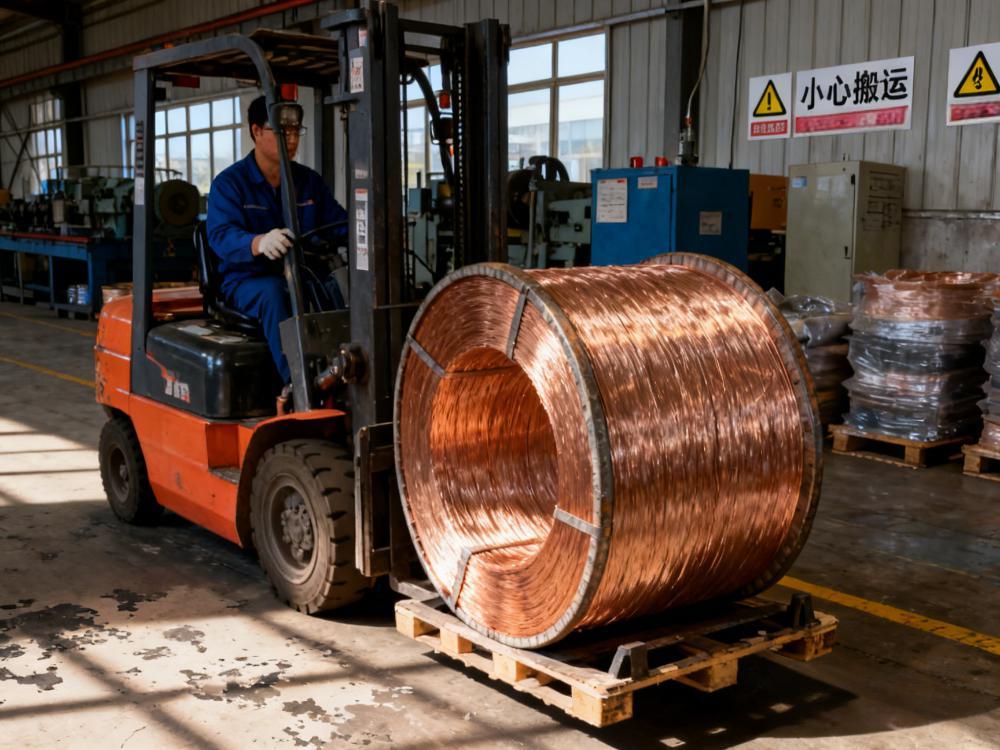
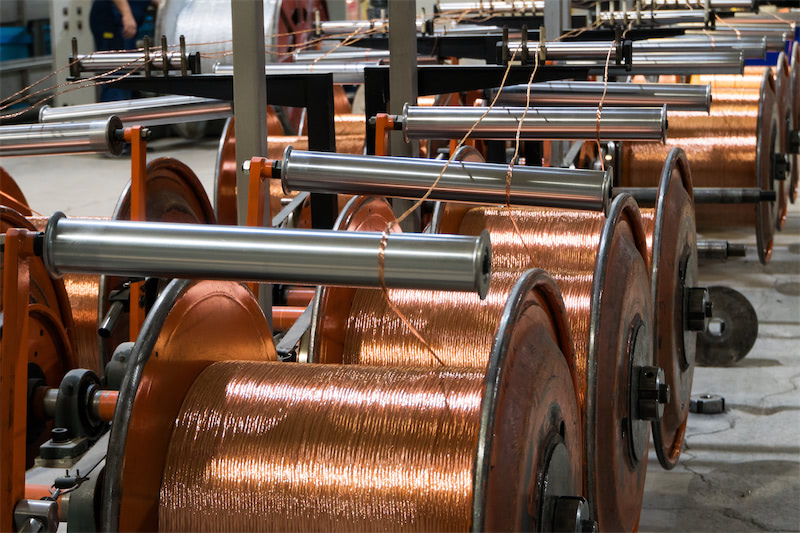
The operating rate for secondary copper rod in November was 23.84%, higher than the expected 27.68%, down 2.62% MoM and down 12.46% YoY. The secondary copper rod market operated under pressure overall due to multiple factors including policy uncertainty, weak demand, and copper price fluctuations. The average monthly operating rate for the secondary copper rod industry continued to fluctuate at low levels, declining further from October and also showing a downward trend YoY. At the beginning of the month, stimulated by a pullback in copper prices, end-user restocking demand was briefly released, driving a slight rebound in the weekly operating rate. However, as copper prices rebounded above 86,000 yuan/mt, downstream willingness to chase higher prices was noticeably insufficient. Additionally, enterprises in key production areas such as Jiangxi and Anhui maintained a wait-and-see stance regarding local incentive policies related to Notice No. 770, leading to more cautious production decisions. This resulted in the operating rate pulling back again to around 18.29% during the mid-to-late month. The price difference between copper cathode rod and secondary copper rod fluctuated within the range of 1,500-1,800 yuan/mt. Although the economic advantage of secondary copper rod was theoretically significant, orders from end-use sectors like wire and cable and home appliances showed no substantial improvement, preventing the price spread advantage from effectively translating into actual consumption momentum. Profit margins continued to be squeezed, with weekly gross profit once falling to 834 yuan/mt, down by up to 186 yuan/mt MoM. On one hand, raw material prices remained relatively firm; on the other hand, finished product sales faced intense competition due to high inventory hoarding by traders. Enterprises often had to reduce prices by 200-300 yuan/mt to secure deals, leading to frequent occurrences of "price inversions."
A notable structural change was the increase in arbitrage activities between the physical and futures markets. As the price difference between primary metal and scrap remained at a relatively high level, some traders bought secondary copper rod and hedged in the futures market to lock in profits. This led to significant resources being tied up as financing collateral, causing social inventory to climb continuously without flowing into actual consumption, creating hidden supply pressure. According to surveys, inventory levels of secondary copper rod in public warehouses continued to increase, reflecting a divergence between physical demand and financial attributes. Regional disparities were significant. In Jiangxi, a core production capacity area, production cuts and shutdowns were prominent due to policy uncertainty, with some orders shifting to less affected regions like Hubei and Henan. However, an overall supply gap persisted. Towards month-end, some enterprises in certain regions were forced to suspend production temporarily due to issues with issuing VAT invoices, further suppressing any potential increase in the operating rate. Although the monthly price center for copper shifted upward, market transactions overall displayed a pattern of "rising prices but thin volume." Secondary copper rod enterprises largely maintained a hand-to-mouth raw material procurement strategy, with raw material inventory down about 27% MoM, while finished product inventory remained high due to sluggish shipments. Looking ahead to December, the secondary copper rod market is expected to continue experiencing weak supply and demand, with the traditional consumption off-season and high inventory pressure being the main constraints. The clarity of policy developments will be a key variable. If the details of Notice No. 770 are clarified in December, it will help stabilize enterprise expectations, promote the gradual resumption of production by enterprises in Jiangxi, Anhui, and other regions, and improve raw material demand. However, even if the policy is implemented, its effects will take time to translate into actual operating rates. On the demand side, orders from end-user wire and cable enterprises are unlikely to see significant improvement by year-end, as progress in power grid construction, construction projects, and other initiatives slows due to falling temperatures. High copper prices will also dampen downstream stocking enthusiasm. The price difference between primary metal and scrap is expected to remain within the current range, but if arbitrage activities remain active, social inventory pressure could intensify, weakening the momentum for a price rebound. In the import market, although customs inspection efficiency has improved, year-end arrivals will still be dominated by long-term contracts, limiting the impact on domestic supply.