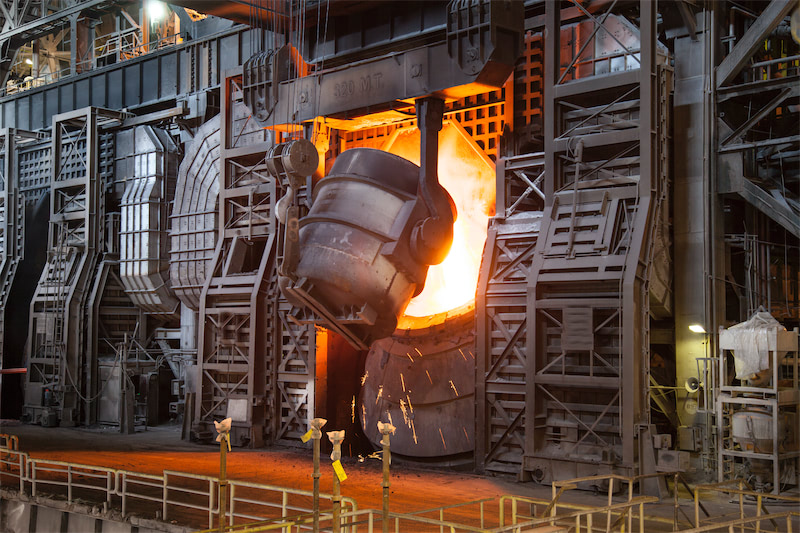
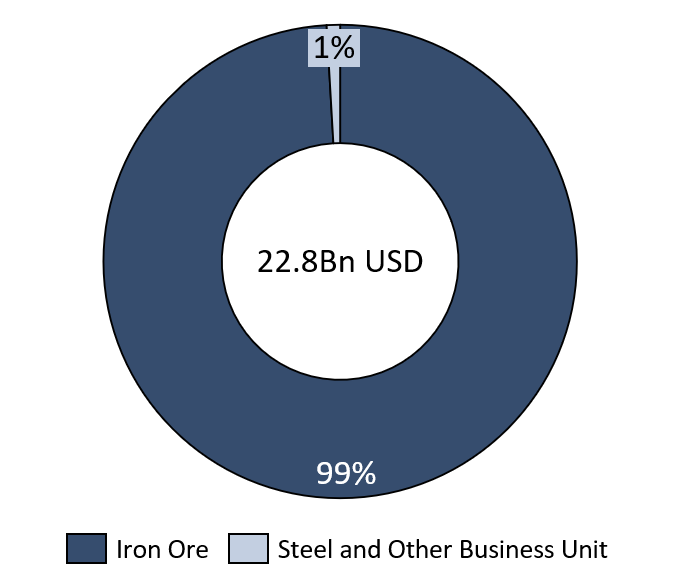
Высокосортная руда в основном поступает от NMDC. Однако экспорт железной руды NMDC в Китай ограничен по двум причинам: 1) чтобы сохранить высококачественную продукцию внутри страны, экспортные пошлины Индии на высокосортную руду на 30 % выше, чем на низкосортную; 2) за последние два года китайские сталелитейные заводы имели низкую рентабельность и в целом слабый спрос на высокосортную руду.
Выручка NMDC по сегментам (USD)
Источники: NMDC; SMM; Trade Map; USGS
2. Производство железной руды, объемы отгрузок и основная продукция
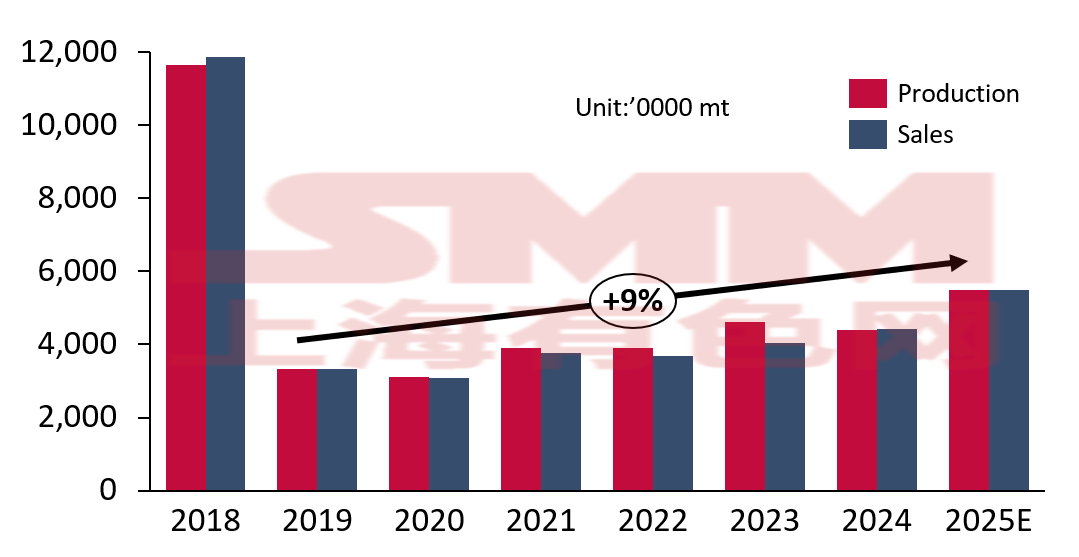
NMDC — крупнейший в Индии производитель и экспортёр железной руды. Производство и продажи железной руды NMDC непрерывно превышали 40 млн тонн с финансового 2022 года по финансовый 2024 год. Цель NMDC — достичь годового производства 100 млн тонн железной руды к 2030 году.
Однако индийские рудники сталкиваются с проблемами продления лицензий на разработку и спорами о правах на недра, что вызывает значительные колебания в добыче. Кроме того, в последние годы, под влиянием внутреннего спроса в Индии, экспортные пошлины на железную руду корректировались довольно часто, что также привело к большим колебаниям в объёмах продаж и отгрузок.
Обзор производства и продаж железной руды (2018–2025E)
Источники: NMDC; SMM
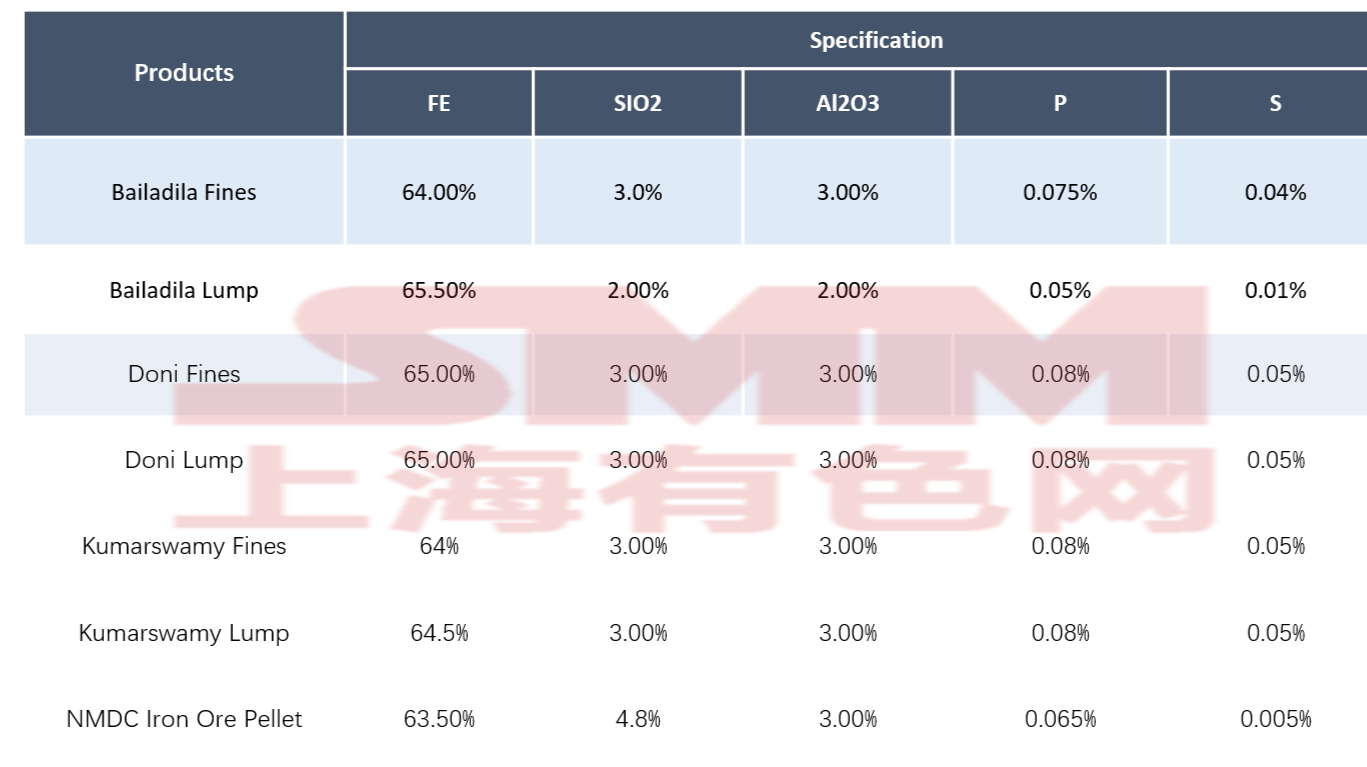
Основная продукция NMDC
Источники: NMDC; SMM
3. Рудники NMDC
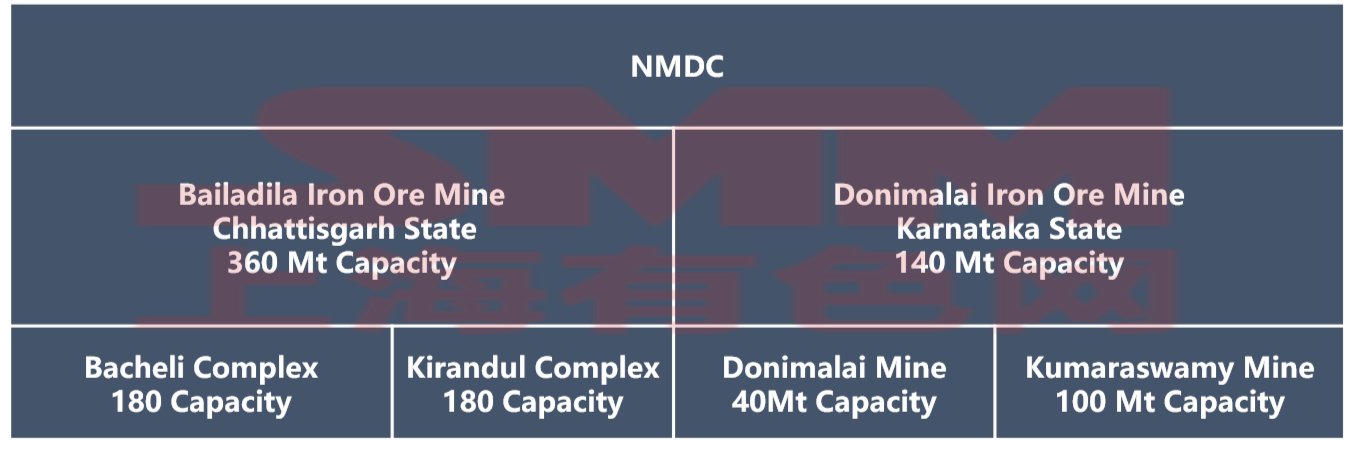
Источники: NMDC; SMM
- Обзор района Байладила:
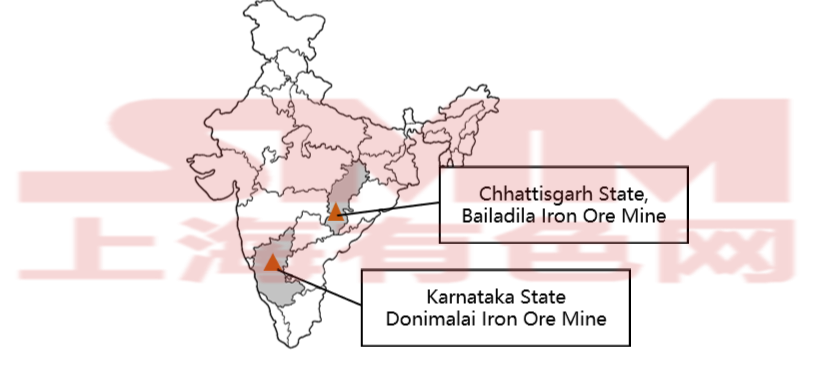
Район Байладила расположен в округе Дантевада на южной оконечности штата Чхаттисгарх в центральной Индии, примерно в 1 400 км к юго-востоку от столицы Нью-Дели. Регион обладает отличными геологическими условиями с богатыми и залегающими близко к поверхности месторождениями, что делает его одним из важнейших высокосортных железорудных поясов Индии и основной производственной базой NMDC.
Район Байладила включает два основных комплекса — Бачели и Кирандул, всего 9 горных участков. А именно: район Кирандул — блоки 13, 14, 14-NMZ, 11B и 11C, а также район Бачели: — месторождения 4, 5, 10 и блок 11A. Производимая руда состоит из кусковой руды Байладила (Fe 65,5%) и мелочи Байладила (Fe 64%).
- Обзор района добычи Донималай:
Район добычи Донималай расположен в штате Карнатака на юго-западе Индии. Регион находится в промышленной зоне с хорошими транспортными и инфраструктурными условиями, близко к порту Нью-Мангалор, что способствует транспортировке руды и снабжению отечественных сталелитейных заводов.
Район добычи Донималай включает две шахты: шахта Донималай и шахта Кумарасвами. В настоящее время мощность шахты Донималай составляет 7 млн тонн в год, а шахты Кумарасвами — 10 млн тонн в год, с совокупной мощностью около 17 млн тонн в год. Основная продукция этого района добычи включает мелочь Дони (Fe 65%), кусковую руду Дони (Fe 65%), мелочь Кумарасвами (Fe 64%) и кусковую руду Кумарасвами (Fe 64,5%).
4. Перспективные проекты расширения
У NMDC раскрытые мощности составляют около 55 млн тонн по состоянию на 2025 финансовый год, при производстве около 45 млн тонн, и планируется увеличить мощность до 100 млн тонн/год к 2030 финансовому году для удовлетворения растущего внутреннего спроса. Для этого NMDC заявила, что инвестирует около 70 млрд рупий (примерно $780 млн) и уже запустила несколько проектов:
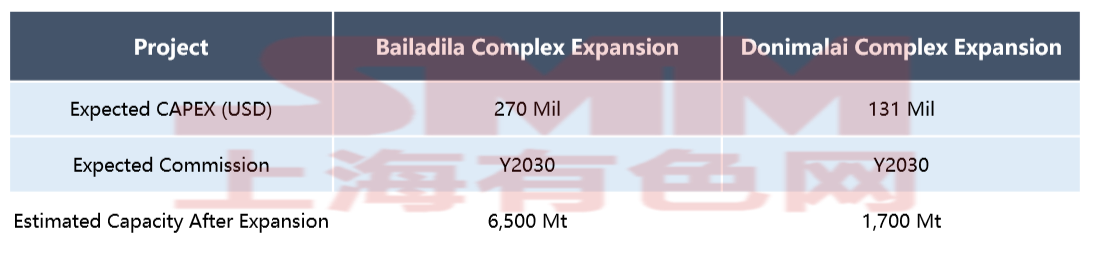
Источники: NMDC; SMM
- Проект расширения района добычи Байладила:
Комплекс Бачели: Проект расширения включает два основных компонента: обогатительную фабрику мощностью 4 млн тонн, окомковательную фабрику в Нагарнаре годовой мощностью 2 млн тонн и 130-километровый транспортный трубопровод, соединяющий комплекс Бачели и сталелитейный завод в Нагарнаре. Общая цель — увеличить мощность с текущих 18 млн тонн до 28 млн тонн до 2030 года и достичь 35 млн тонн к 2032 году.
Комплекс Кирандул: Проект расширения включает обогатительную фабрику годовой мощностью 12 млн тонн, дробильную фабрику и расширенные железнодорожные транспортные средства. Общая цель — увеличить мощность с 18 млн тонн до 30 млн тонн
- План расширения района добычи Донималай:
План расширения района добычи Донималай в настоящее время включает три основных компонента: обогатительную фабрику мощностью 7 млн тонн и систему downhill conveyor, соединяющую новую обогатительную фабрику с существующими объектами для оптимизации процессов обработки руды.
Основная цель состоит в том, чтобы увеличить годовую мощность горнодобывающего района Донимали с существующих примерно 14 миллионов тонн до 17 миллионов тонн, одновременно улучшая качество руды и эффективность транспортировки.
![Портовые запасы немного сократились, вывоз грузов из портов восстановился; цены на руду могут оказаться под давлением в краткосрочной перспективе на фоне опасений по поводу спроса [Ежедневный обзор SMM по железной руде]](https://imgqn.smm.cn/usercenter/NtHAJ20251217171719.jpg)
![[SMM: ежедневный обзор рынка арматуры] Рентабельность расходится между длинным и коротким производственными циклами; сырьевой фактор может по-прежнему толкать цены на готовую сталь вверх](https://imgqn.smm.cn/usercenter/aPBtI20251217171717.jpg)