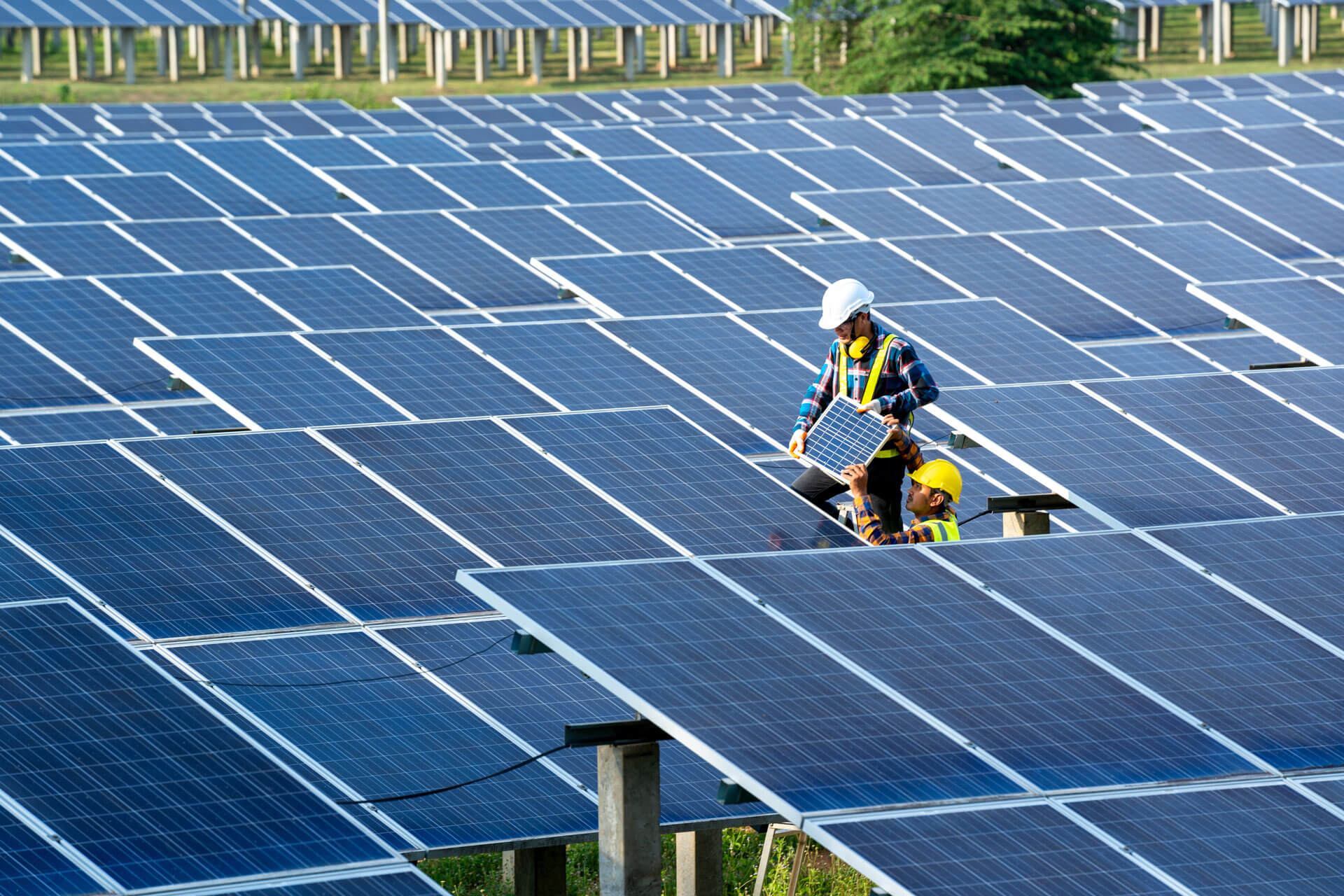
The Surge in Retired PV Modules Is Accelerating, and Full-Lifecycle Circular Industry Policies Have Been Fast-Tracked. By the end of August 2025, China's cumulative installed PV capacity had reached 1.117 billion kW, ranking first globally. However, behind the rapid development of green energy, a wave of waste driven by the retirement of early power stations is quietly approaching. How to efficiently and cleanly process these retired modules, transforming them from an environmental burden into "urban mines," has become a critical issue for achieving the goals of "zero-waste cities" and "dual carbon."
As the first batch of PV power stations intensively installed from 2009 to 2015 successively reach their end-of-life, the peak of module retirement is accelerating. According to forecasts by the China Photovoltaic Industry Association (CPIA), the annual volume of retired modules in China is expected to reach 18 GW (approximately 1.4 million mt) by 2030, with the cumulative volume surpassing 200 million mt by 2040. These retired modules represent both a valuable resource reservoir and a potential source of environmental risk. Every 10,000 mt of retired modules contains about 500 mt of aluminum, 300 mt of copper, and valuable metals such as silver, indicating significant recycling value. However, if not handled properly, hazardous substances like lead and fluorine contained within them may leak, posing a threat to the ecological environment.
In response to this challenge, the national level has pressed the fast-forward button on policy. In August 2023, the National Development and Reform Commission (NDRC) and five other departments jointly issued the "Guiding Opinions on Promoting the Circular Utilization of Retired Wind Power and PV Equipment," systematically outlining for the first time a full-chain development blueprint covering "green design—standardized recycling—high-value utilization—harmless disposal." Subsequently, documents such as the "Implementation Plan for Large-Scale Equipment Renewal in Key Energy Sectors" were successively released, further clarifying specific pathways for advancing the circular utilization of PV equipment.
Practices and innovations at the local level are more flexible. Jiangsu Province took the lead in drafting a solicitation of opinions for the "Technical Specifications for Pollution Control in the Comprehensive Utilization of Waste PV Modules," advocating for the use of advanced automated and low-pollution processes and encouraging the establishment of "one-stop" service models. Zhejiang Province is piloting an "extended producer responsibility system," requiring manufacturers to establish electronic product life-cycle records; Shanghai has set clear purity and technical thresholds for recycled materials through group standards. Nantong, Jiangsu, has even incorporated module recycling into the assessment for "zero-waste city" construction and supports it with dedicated funds.
Guo Yijun, Director of the Solid Waste and Chemicals Department of the Ministry of Ecology and Environment, stated that efforts will continue to strengthen environmental supervision of the dismantling and processing of retired PV modules, and relevant standards will be revised and improved in a timely manner to strictly control environmental risks and promote the green and low-carbon development of the industry. Industry analysis suggests that with the improvement of the policy system, the maturation of technologies such as intelligent sorting, and the implementation of responsibility mechanisms, the PV module recycling industry is undergoing a strategic upgrade from "end-of-pipe treatment" to "full-lifecycle circulation."In the future, this industry is expected to completely break free from the predicament of being a "loss-making business" and leap into a new blue ocean of a trillion-yuan market. When the "decommissioning wave" is successfully transformed into a "resource wave," China's PV industry will provide a brand-new "zero-waste" model for the sustainable development of global renewable energy.
![[SMM PV News] Puerto Rico Rooftop Solar Hits 20% of Total Power Capacity](https://imgqn.smm.cn/usercenter/kuMAH20251217171739.jpg)
![[SMM PV News] US Solar Faces Labor Shortage Ahead of 'OBBBA' Deadline](https://imgqn.smm.cn/usercenter/xBtJB20251217171738.jpg)