Neo Performance opens Europe’s first rare earth magnet plant

Published: Sep 22, 2025 10:17
Neo Performance Materials (TSX: NEO) has officially opened its $75 million facility in Estonia, becoming the first to mass produce rare earth magnets for Europe’s automotive and wind energy sectors.

Staff Writer | September 21, 2025 | 10:36 am Critical Minerals Suppliers & Equipment Europe Rare Earth
Neo Performance eyes expansion of European rare earth processing plant

Image: Neo Materials

Neo Performance Materials (TSX: NEO) has officially opened its $75 million facility in Estonia, becoming the first to mass produce rare earth magnets for Europe’s automotive and wind energy sectors.

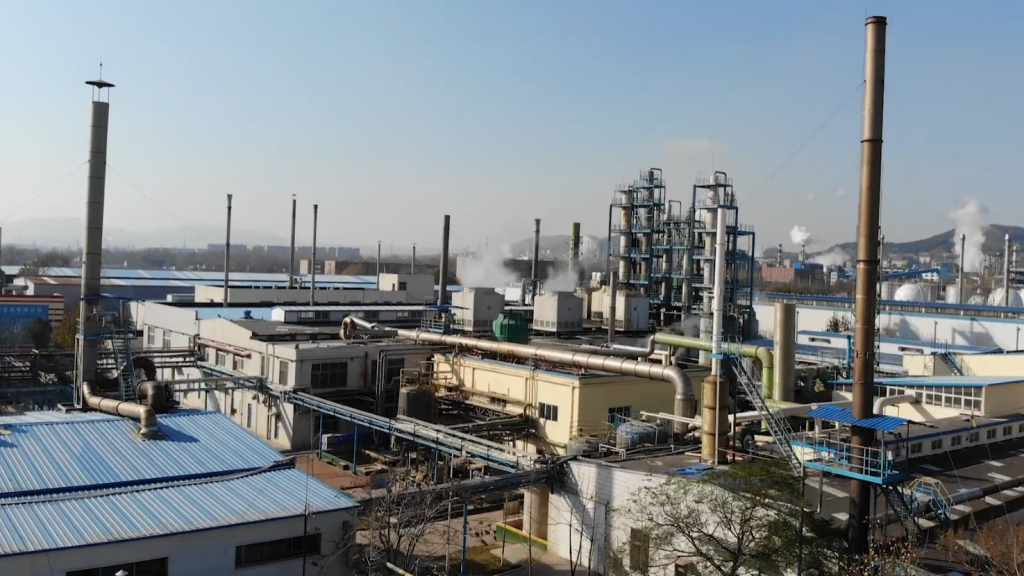
The facility, according to media reports, began production on Friday, targeting an initial rate of 2,000 tonnes of magnets per year, enough to supply over a million electric vehicles or more than 1,000 offshore wind turbines.

However, Neo’s chief executive Rahim Suleman sees further room for production growth given Europe’s reliance on China for its magnets. In an interview with the Financial Times, he says the EU is relying on China for 98% of its magnet use, which is “untenable” especially with demand set to almost triple in the next 10 years.

As such, the company is planning to ultimately expand its annual production rate to 5,000 tonnes to match that projected demand.

Neo’s plans also align with those of the EU, which aims to boost domestic processing of critical minerals such as rare earths to 40% by 2030, thereby reducing its reliance on China. The new facility, situated in the northeastern city of Narva, was supported by an EU grant of up to €18.7 million.

“The rare earth magnets that will be produced here are indispensable to growth and innovation,” said European Commission president Ursula von der Leyen in a statement cited by FT.

With the official plant opening, Neo announced on Friday it has signed contracts with German auto suppliers Schaeffler and Bosch.

In a press release announcing its deal with Bosch, Suleman said: “This secures a significant portion of our future production and speaks to our strategy of prioritizing partnerships with the world’s largest and most innovative companies.”

Estonian Prime Minister Kristen Michal, speaking at the plant’s opening ceremony, described the facility as “the most cost-efficient magnet factory ever built in the Western world.” The plant also sits next to Neo’s existing rare earth separation facility in Estonia.

Source: https://www.mining.com/neo-performance-opens-europes-first-rare-earth-magnet-plant/
Data Source Statement: Except for publicly available information, all other data are processed by SMM based on publicly available information, market communication, and relying on SMM‘s internal database model. They are for reference only and do not constitute decision-making recommendations.

For any inquiries or to learn more information, please contact: lemonzhao@smm.cn
For more information on how to access our research reports, please contact:service.en@smm.cn
Related News
Frontier Secures $20 Million and Signs Rare Earth Offtake Agreement
16 hours ago
Frontier Secures $20 Million and Signs Rare Earth Offtake Agreement
Read More
Frontier Secures $20 Million and Signs Rare Earth Offtake Agreement
Luxembourg-based Frontier Rare Earths today announced it successfully obtained a $20 million investment from South Africa's Industrial Development Corporation (IDS) and signed an offtake agreement with France's Carester. The company has now initiated the final feasibility study for its South African magnet-use rare earth and battery-grade manganese project. Frontier Rare Earths is currently advancing the development of the Zandkopsdrift project in South Africa. The project is expected to achieve an annual capacity of approximately 3,038 mt of Pr-Nd oxide, 114 mt of dysprosium oxide, and 25 mt of terbium oxide over the first 25 years.
16 hours ago
US Provides $565 Million in Financing for Brazilian Rare Earth Project
16 hours ago
US Provides $565 Million in Financing for Brazilian Rare Earth Project
Read More
US Provides $565 Million in Financing for Brazilian Rare Earth Project
Serra Verde, a Brazilian rare earth element producer, announced today that the US International Development Finance Corporation (DFC) offered it a financing package worth $565 million, which also includes an option for the US government to acquire a minority stake in the company. Serra Verde’s Pela Ema ionic clay deposit in Brazil is scheduled to begin commercial production in 2024, with an expected annual output of 5,000 mt of total rare earth oxides, including dysprosium, erbium, neodymium, and praseodymium. Serra Verde plans to use the funds to refinance existing loan facilities and expand production capacity. The project aims to increase total rare earth oxide production to 6,500 mt per year by 2027.
16 hours ago
US DFC Offers $565M Financing to Brazilian Rare Earth Project
16 hours ago
US DFC Offers $565M Financing to Brazilian Rare Earth Project
Read More
US DFC Offers $565M Financing to Brazilian Rare Earth Project
[SMM Flash: US Provides $565 Million in Financing for Brazilian Rare Earth Project] Serra Verde (a Brazilian rare earth element producer) announced today that the US International Development Finance Corporation (DFC) has provided it with a financing package worth $565 million, which also includes an option for the US government to acquire a minority stake in the company. Serra Verde's Pela Ema ionic clay deposit in Brazil is scheduled to commence commercial production in 2024, with an expected annual output of 5,000 mt of total rare earth oxides, including elements such as dysprosium, erbium, neodymium, and praseodymium. Serra Verde plans to use the funds to refinance existing loan facilities and expand production capacity. The project aims to increase the annual production of total rare earth oxides to 6,500 mt by 2027.
16 hours ago