【SMM Analysis】Oil Giant's Disruptive Innovation: ExxonMobil's Synthetic Graphite Anode Solves EV Charging Challenges

Published: Sep 19, 2025 18:01
Source: SMM
ExxonMobil's competitive edge lies in its use of synthetic graphite. This lab-engineered carbon material is produced from petroleum byproducts or other feedstocks rather than being mined. Compared with natural graphite, synthetic graphite offers higher purity and consistency. Its production is less labor-intensive, scalable through ExxonMobil’s refineries, and more environmentally friendly due to lower land use and emissions. This material outperforms mined alternatives in conductivity and stability, directly enhancing battery efficiency and reliability. Following its acquisition of Superior Graphite’s assets in September 2025, ExxonMobil aims to expand domestic production capacity in the U.S., reduce reliance on imports, and support local EV manufacturing.

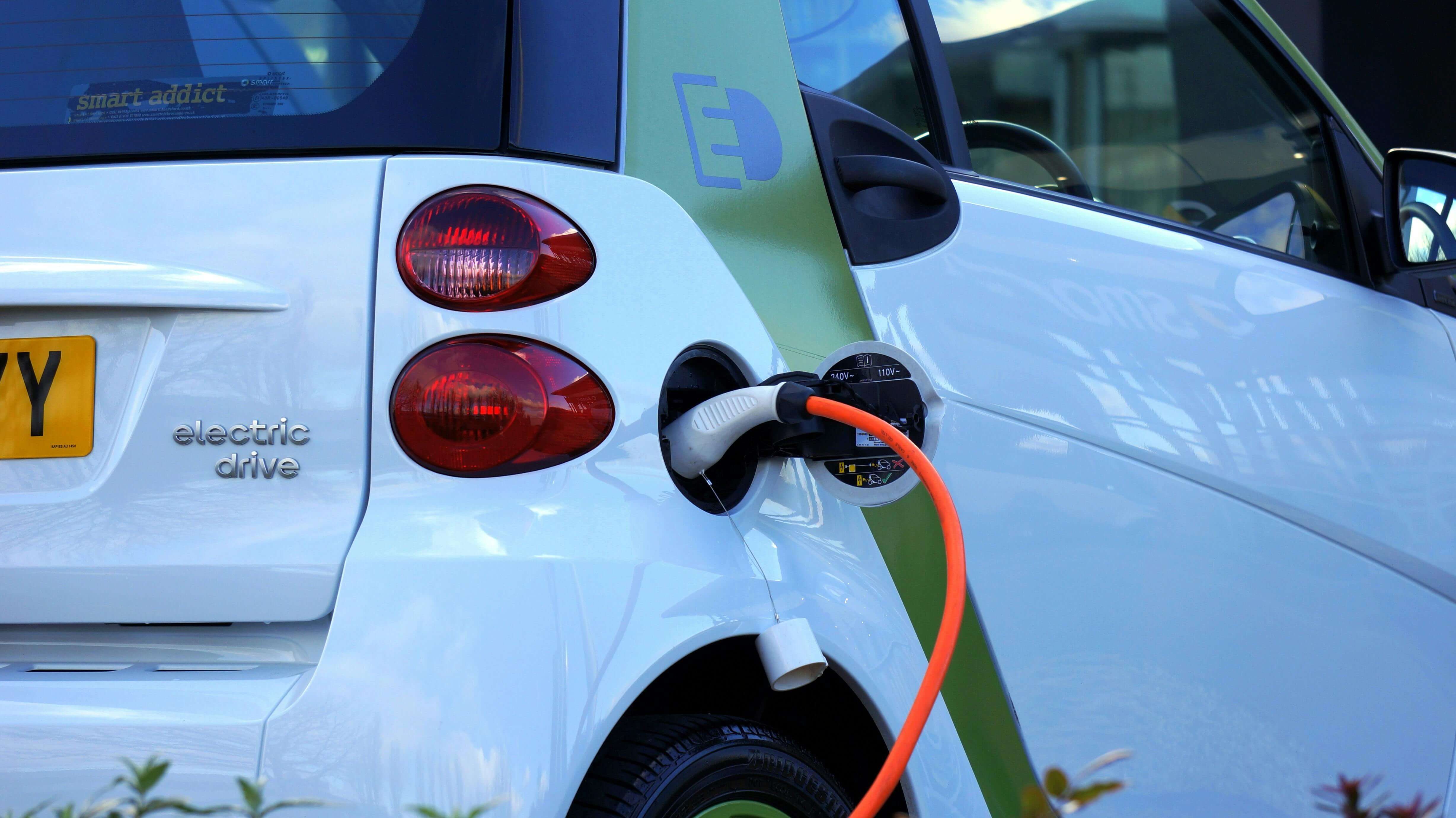
America's largest oil company, ExxonMobil, is leveraging breakthrough technology to pivot from fossil fuels to the electric vehicle sector. The company is now applying its expertise in chemistry to tackle three major bottlenecks in EV adoption: battery lifespan, charging speed, and supply chain security. This strategic shift comes at a time when global oil demand is slowing while electric vehicle sales are surging.

At the core of ExxonMobil's technological breakthrough is an improvement in lithium-ion battery chemistry, particularly the anode—the component that stores lithium ions during charging. While traditional anodes use graphite, the company has innovated by developing a new variant of synthetic graphite, a "novel carbon molecule" that enhances battery performance: it extends cycle life by up to 30%, allowing EVs to endure more charge-discharge cycles before degradation, while also improving energy density. This advancement is expected to increase driving range by 30% and significantly reduce charging time, making long-distance electric travel more viable. By refining the intercalation process—where lithium ions are inserted between graphite layers—the technology effectively minimizes performance degradation caused repeated use, addressing a common weakness in current batteries.

ExxonMobil's competitive edge lies in its use of synthetic graphite. This lab-engineered carbon material is produced from petroleum byproducts or other feedstocks rather than being mined. Compared with natural graphite, synthetic graphite offers higher purity and consistency. Its production is less labor-intensive, scalable through ExxonMobil’s refineries, and more environmentally friendly due to lower land use and emissions. This material outperforms mined alternatives in conductivity and stability, directly enhancing battery efficiency and reliability. Following its acquisition of Superior Graphite’s assets in September 2025, ExxonMobil aims to expand domestic production capacity in the U.S., reduce reliance on imports, and support local EV manufacturing.

Several major electric vehicle manufacturers are currently conducting rigorous tests on the new chemical formulation. Through lithium supply memorandums signed with battery giants like SK On and LG Energy Solution, it is likely that these companies are integrating the synthetic graphite into prototypes for partners such as Ford and Hyundai. Early test results indicate faster charging and extended range, which are critical for both fleet operators and consumers.

ExxonMobil has a clear roadmap: achieve commercial production of synthetic graphite by 2029 and begin developing lithium resources from Arkansas brine deposits starting in 2027. Using Direct Lithium Extraction (DLE) technology, the company aims to supply enough material for over one million electric vehicles annually by 2030, while simultaneously reducing costs and emissions. This $30 billion low-carbon investment, which includes carbon capture synergies, positions ExxonMobil as a bridge between oil and renewable energy—ensuring energy independence, creating U.S. jobs, and accelerating the transition to sustainable transportation.
Data Source Statement: Except for publicly available information, all other data are processed by SMM based on publicly available information, market communication, and relying on SMM‘s internal database model. They are for reference only and do not constitute decision-making recommendations.

For any inquiries or to learn more information, please contact: lemonzhao@smm.cn
For more information on how to access our research reports, please contact:service.en@smm.cn
Related News
Total Investment Of 12 Billion Yuan Lithium Battery Project Lands In Guangzhou
17 mins ago
Total Investment Of 12 Billion Yuan Lithium Battery Project Lands In Guangzhou
Read More
Total Investment Of 12 Billion Yuan Lithium Battery Project Lands In Guangzhou
On March 2, Youngy Group announced that it signed the "Youngy Group Guangzhou Development Zone New Energy Intelligent Manufacturing Base" project on February 24. The project plans a total investment of 12 billion yuan and will encompass three core segments: consumer batteries, power batteries, and energy storage products. The project will address the shortcomings in Guangzhou's battery industry sector and also provide strong support for the development of emerging industries in the region, such as the low-altitude economy and intelligent robotics.
17 mins ago
Gansu's Annual 100,000-Ton Lithium-Ion Battery Cathode Material Project Officially Commences Production
18 mins ago
Gansu's Annual 100,000-Ton Lithium-Ion Battery Cathode Material Project Officially Commences Production
Read More
Gansu's Annual 100,000-Ton Lithium-Ion Battery Cathode Material Project Officially Commences Production
Recently, the commissioning ceremony for the first phase of Gansu Jinlin Lithium Battery New Materials Co., Ltd.'s annual 100,000-ton lithium-ion battery cathode material production line project was held in Lanzhou New Area. The project covers a total area of 363 mu with a total investment of 3.135 billion yuan. It will be constructed in two phases, each with a capacity of 100,000 tons. Construction of the first phase, the annual 100,000-ton lithium iron phosphate production line, began in April 2024 and has officially commenced production after over a year of construction.
18 mins ago
[SMM Analysis] Chinese New Year Off-Season “Reset,”  Sodium-Ion Battery Industry Chain Recovery Poised to Begin
1 hour ago
[SMM Analysis] Chinese New Year Off-Season “Reset,” Sodium-Ion Battery Industry Chain Recovery Poised to Begin
Read More
[SMM Analysis] Chinese New Year Off-Season “Reset,”  Sodium-Ion Battery Industry Chain Recovery Poised to Begin
[SMM Analysis] Chinese New Year Off-Season “Reset,” Sodium-Ion Battery Industry Chain Recovery Poised to Begin
February 2026 coincided with the Chinese New Year holiday. Affected by holiday factors, production pace across core segments of China’s sodium-ion battery industry generally slowed, showing an “off-season reset” trend. From cathodes, anodes, and electrolyte to battery cells and end-users, production across all segments declined MoM to varying degrees, while YoY still maintained a certain degree of growth resilience.
1 hour ago
【SMM Analysis】Oil Giant's Disruptive Innovation: ExxonMobil's Synthetic Graphite Anode Solves EV Charging Challenges - Shanghai Metals Market (SMM)