

Спрос и предложение сокращаются, цены на редкоземельные металлы могут продолжить колебаться в ограниченном диапазоне.
На этой неделе цены на редкоземельные металлы колебались в ограниченном диапазоне, и ожидается, что рынок вряд ли выйдет за пределы текущего ценового диапазона. Такая ситуация обусловлена в первую очередь сокращением как со стороны предложения, так и со стороны спроса, а также острой конкуренцией между участниками верхнего и нижнего звеньев цепочки.
Со стороны спроса эффект традиционного пикового сезона в сентябре-октябре не оправдал ожиданий, так как спрос был удовлетворен ранее, что привело к заметному снижению новых заказов у предприятий, производящих магнитные материалы, в сентябре. В настоящее время у большинства предприятий, производящих магнитные материалы, есть графики приема заказов и производства, рассчитанные на один-полтора месяца. Энтузиазм покупателей на нижней стадии производственной цепочки в закупках снизился, что не обеспечивает достаточной поддержки ценам на редкоземельное сырье.
Со стороны предложения себестоимость производства у предприятий, занимающихся разделением редкоземельных элементов, и металлургических заводов остается высокой, в результате чего поставщики сырья, как правило, не склонны снижать цены и неохотно идут на понижение цен ради продаж, тем самым обеспечивая нижний предел цен и ограничивая пространство для снижения. В то же время некоторые заводы по разделению редкоземельных элементов планируют постепенно приостанавливать производство в сентябре и октябре. Хотя это может в определенной степени сократить предложение, большинство участников рынка сохраняют пессимистичный взгляд на спрос на редкоземельные элементы в октябре и в целом не ожидают значительного улучшения общего спроса в IV квартале.
Учитывая все факторы, ожидается, что рынок будет характеризоваться слабым балансом спроса и предложения: пользователи на нижней стадии производственной цепочки осторожны в закупках из-за сокращения заказов, в то время как поставщики сталкиваются с высокими затратами и не желают идти на уступки. На этом фоне тупика спроса и предложения психологическая и поведенческая борьба между покупателями и продавцами усилится, что затруднит одностороннее доминирование какой-либо из сторон в определении ценовых тенденций. В целом рынок оксида Pr-Nd в настоящее время находится в равновесии, при котором ни повышение, ни снижение цен нелегко — отсутствует стимул спроса для повышения цен и налицо сопротивление затрат для снижения. Ожидается, что в ближайшем будущем цены продолжат колебаться в определенном диапазоне.
Заявление об источниках данных: За исключением общедоступной информации, все остальные данные обрабатываются SMM на основе общедоступной информации, рыночного общения и с опорой на внутреннюю базу данных и модели SMM. Они приведены только для справки и не являются рекомендациями для принятия решений.
По любым вопросам или для получения дополнительной информации, пожалуйста, свяжитесь: lemonzhao@smm.cn
Для получения дополнительной информации о доступе к нашим исследовательским отчётам обращайтесь:service.en@smm.cn
Связанные новости
![[Утреннее совещание SMM по редкоземельным металлам] Pr-Nd и Dy-Tb упали по всем направлениям, металлы последовали снижению при застойных сделках, а долгосрочные контракты на магнитные материалы вытеснили спрос на спотовые заказы.](https://imgqn.smm.cn/usercenter/UoswK20251217171743.jpeg)
3 часов назад
[Утреннее совещание SMM по редкоземельным металлам] Pr-Nd и Dy-Tb упали по всем направлениям, металлы последовали снижению при застойных сделках, а долгосрочные контракты на магнитные материалы вытеснили спрос на спотовые заказы.
Читать далее
[Утреннее совещание SMM по редкоземельным металлам] Pr-Nd и Dy-Tb упали по всем направлениям, металлы последовали снижению при застойных сделках, а долгосрочные контракты на магнитные материалы вытеснили спрос на спотовые заказы.
[Празеодим-неодим и диспрозий-тербий снижаются по всем позициям, металлы следуют вниз при застойных сделках, долгосрочные контракты на магнитные материалы вытесняют спотовые заказы] Вчера оксид празеодима-неодима находился под давлением из-за ослабления фьючерсных цен, а выжидательные настроения на рынке усилились. Готовность поставщиков удерживать цены проявила признаки ослабления, и котировки слегка скорректировались вниз. Запросы и закупки со стороны переработчиков оставались осторожными, фактических сделок было немного. Цены на оксид диспрозия откатились от максимумов, поскольку переработчики недостаточно принимали дорогое предложение, а активность запросов снизилась, при этом поставщики проявляли большее желание продавать с уступками. Цены на оксид тербия также откатились, закупки переработчиков были осторожными, а общие торговые настроения на рынке оставались подавленными.
3 часов назад
3 часов назад
Монт-Ройал Ресорсиз и Альта Ресорс Текнолоджиз объединяются для исследований в области переработки редкоземельных металлов
Читать далее
Монт-Ройал Ресорсиз и Альта Ресорс Текнолоджиз объединяются для исследований в области переработки редкоземельных металлов
Иностранные СМИ сообщили 31 августа, что зарегистрированная на бирже компания Mont Royal Resources подписала соглашение о совместных исследованиях с американской Alta Resource Technologies для оценки технического пути переработки смешанного карбоната редкоземельных элементов, производимого на проекте Ashram в Квебеке, в разделённые оксиды редкоземельных элементов высокой чистоты. Стороны оценят целесообразность строительства коммерческого перерабатывающего предприятия, и данное соглашение является первым шагом на пути к потенциальному совместному предприятию для поддержки долгосрочного производства оксидов редкоземельных элементов для постоянных магнитов и высокотехнологичных применений в Северной Америке.
3 часов назад
3 часов назад
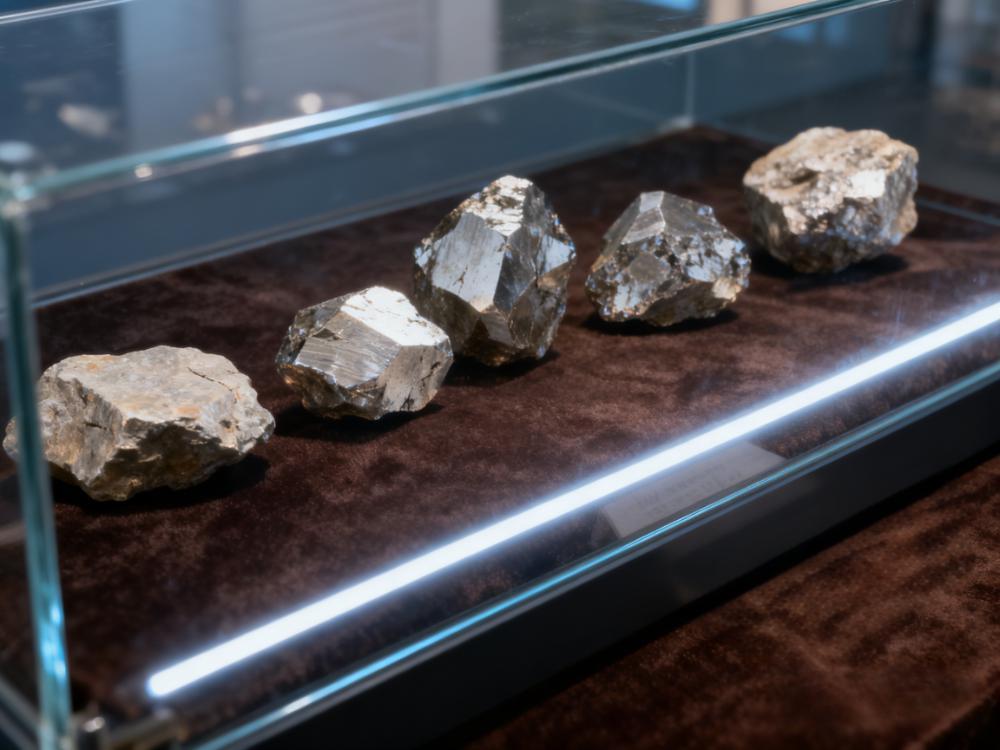
Defense Metals сообщает о пересечении 65 м с содержанием 3% TREO при бурении на Уичиде
Читать далее
Defense Metals сообщает о пересечении 65 м с содержанием 3% TREO при бурении на Уичиде
Defense Metals (TSXV: DEFN) получила результаты бурения по конвертации ресурсов на проекте редкоземельных металлов Уичида в Британской Колумбии, при этом наиболее мощное пересечение составило 65 метров с содержанием суммарных оксидов редкоземельных элементов (TREO) около 3%.
3 часов назад
Связанные новости
[Утреннее совещание SMM по редкоземельным металлам] Pr-Nd и Dy-Tb упали по всем направлениям, металлы последовали снижению при застойных сделках, а долгосрочные контракты на магнитные материалы вытеснили спрос на спотовые заказы.
Sep 03, 2026 10:02
Монт-Ройал Ресорсиз и Альта Ресорс Текнолоджиз объединяются для исследований в области переработки редкоземельных металлов
Sep 03, 2026 09:53
Defense Metals сообщает о пересечении 65 м с содержанием 3% TREO при бурении на Уичиде
Sep 03, 2026 09:52

PhosCo достигла 34% содержания фосфата в Тунисе с помощью простой флотации и планирует дальнейшую проверку
Sep 03, 2026 09:52