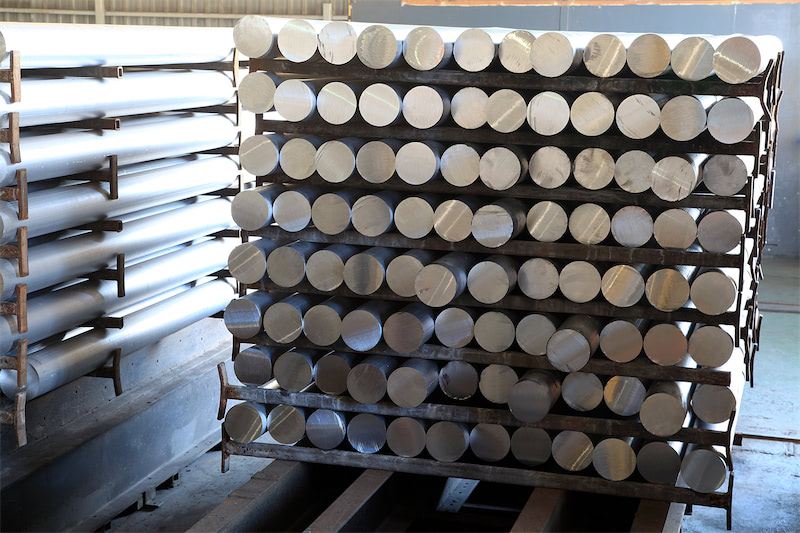
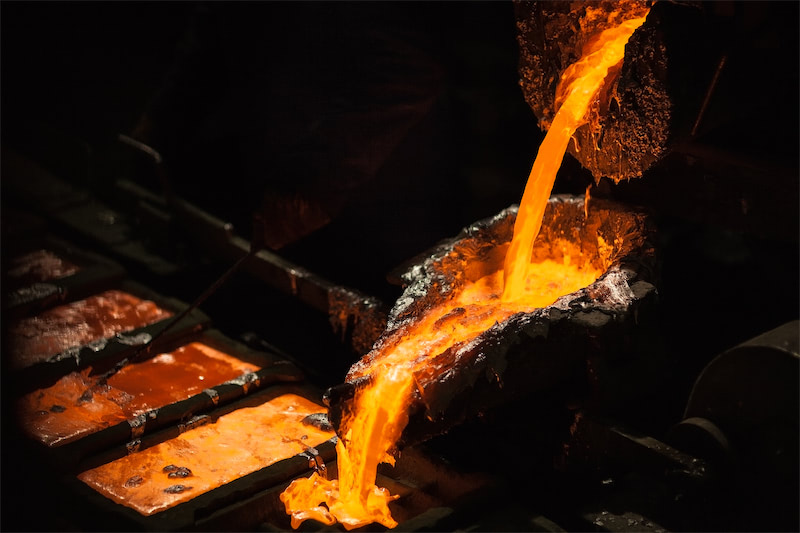
Quyết định của Mỹ tăng gấp đôi thuế quan nhôm theo Điều 232 lên 50% vào ngày 4 tháng 6 (sau khi duy trì ở mức 25% từ giữa tháng 3) đã ngay lập tức định hình lại đường cong chi phí và dòng chảy thương mại. Các nhà sản xuất xuất khẩu sang Mỹ đã thấy lợi nhuận bị thu hẹp bất chấp sự tăng vọt của phí bảo hiểm khu vực Trung Tây.
Doanh thu của Alcoa giảm xuống còn khoảng 3.018 tỷ USD, giảm khoảng 10% so với quý 1, trong khi thu nhập ròng giảm từ 548 triệu USD xuống còn 164 triệu USD so với cùng kỳ năm trước (mặc dù vẫn cao hơn mức 20 triệu USD của quý 1). EBITDA điều chỉnh giảm xuống còn 313 triệu USD so với khoảng 855 triệu USD trong quý cùng kỳ năm trước, do áp lực từ giá thực hiện thấp hơn và chi phí tăng cao. Thuế quan đã gây ra cú sốc mạnh nhất: 115 triệu USD thuế quan trong quý 2 đối với hàng nhập khẩu từ Canada so với chỉ 20 triệu USD trong quý 1. Phí bảo hiểm khu vực Trung Tây tăng lên, nhưng không đủ để bù đắp cho mức thuế 50%. Ban quản lý đã phản ứng bằng cách chuyển hướng kim loại Canada sang châu Âu và châu Á, vận động Washington giảm thuế quan, đóng băng việc khởi động lại các nhà máy có chi phí cao, bán các tài sản không thuộc lĩnh vực cốt lõi (bao gồm cổ phần trong liên doanh Saudi) và thắt chặt hoạt động để duy trì dòng tiền.
Rio Tinto - vận chuyển khoảng ba phần tư sản lượng nhôm của Canada sang Mỹ - đã phải chịu hơn 321 triệu USD chi phí thuế quan trong nửa đầu năm 2025. Khoảng 723.000 tấn đã được chuyển đi phía Nam, làm tăng tác động của sự tăng vọt thuế quan. Các giám đốc điều hành gọi chính sách này là "gây méo mó thị trường", cho rằng nó gây gánh nặng cho người mua Mỹ mà không làm cho các nhà sản xuất trong nước cạnh tranh hơn. Phí bảo hiểm khu vực Trung Tây đã tăng vọt lên mức kỷ lục 0,66 USD/lb vào cuối quý 2, cho phép chuyển giao một phần nhưng vẫn để lại một khoảng cách về lợi nhuận. Công ty đang đẩy mạnh sản lượng sang châu Âu và châu Á, chấp nhận thời gian vận chuyển dài hơn và chi phí vận chuyển cao hơn. Bên trong Mỹ, việc tăng giá được điều chỉnh để chia sẻ gánh nặng mà không làm bóp nghẹt nhu cầu. Sự không chắc chắn về chính sách đang buộc Rio Tinto phải đánh giá lại việc triển khai vốn tại Mỹ, với nhiều chi tiết hơn được dự kiến trong báo cáo nửa năm sắp tới của công ty.
Norsk Hydro, ít bị ảnh hưởng bởi thuế quan trực tiếp của Mỹ, đã có một quý mạnh mẽ hơn: EBITDA điều chỉnh đạt 7,79 tỷ NOK, tăng 33,4% so với cùng kỳ năm trước, nhờ vào giá nhôm và điện cao hơn cùng với lợi ích từ hiệu quả. Lợi nhuận ròng cũng tăng lên. Tuy nhiên, ban quản lý đã thừa nhận tác động lan tỏa rộng hơn của chính sách thương mại của Mỹ. Việc cung ứng ở Bắc Mỹ bị thắt chặt và phí bảo hiểm khu vực cao hơn đã tạo ra một tấm đệm ngắn hạn cho các nhà sản xuất phương Tây, và Hydro đã được hưởng lợi khi một số đơn hàng quay trở lại các nguồn trong nước. Nhu cầu ép đùn ở Bắc Mỹ giảm 1% so với cùng kỳ năm ngoái nhưng tăng 5% so với quý 1, cho thấy dấu hiệu ổn định. Tuy nhiên, công ty cảnh báo rằng xung đột thương mại kéo dài có thể làm cản trở tăng trưởng toàn cầu và làm suy giảm tiêu thụ nhôm.
Để duy trì sự linh hoạt, Hydro đã cắt giảm 1,5 tỷ NOK (khoảng 147,5 triệu USD) chi phí đầu tư vào năm 2025, đóng băng tuyển dụng nhân viên văn phòng bên ngoài và bắt đầu tái cấu trúc sẽ cắt giảm hơn 100 việc làm - chủ yếu là ở bộ phận ép đùn - để giảm chi phí cố định. Đồng thời, công ty đang chuẩn bị để nắm bắt cơ hội từ dòng chảy thương mại được chuyển hướng, trong khi vẫn theo dõi thặng dư của Trung Quốc và chuẩn bị điều chỉnh chuỗi cung ứng nếu bất ổn chính sách leo thang.
Có một số điểm chung trong cả ba câu chuyện. Thuế quan đã trở thành một công cụ thô bạo, làm tăng chi phí nhanh hơn so với mức tăng của phí bảo hiểm. Chuỗi cung ứng đang được tái cấu trúc với tốc độ nhanh chóng, làm tăng thêm sự phức tạp và chi phí logistics. Bảo hộ ngắn hạn thông qua giá bán trong nước cao hơn có thể giúp một số người, nhưng lo ngại dài hạn là sự sụt giảm nhu cầu nếu chiến tranh thương mại kéo dài. Kỷ luật chi phí đã trở lại trung tâm của chiến lược - cho dù thông qua bán tài sản, cắt giảm chi phí đầu tư hay cắt giảm nhân sự - và các hội đồng quản trị đang lên tiếng mạnh mẽ hơn chống lại các rào cản thương mại mà họ coi là không hiệu quả.
Triển vọng ngắn hạn phụ thuộc vào việc thuế quan 50% có tiếp tục hay không, mức phí bảo hiểm ở Trung Tây có thể tăng cao đến mức nào và các nhà sản xuất có thể tiếp tục cân bằng thị trường mà không làm mất lòng khách hàng hay không. Nếu không có sự giảm nhẹ, thuế quan có thể trở thành một khoản chi phí thường xuyên, thúc đẩy những thay đổi cơ cấu sâu hơn về nơi sản xuất và bán nhôm. Hiện tại, các công ty lớn về nhôm đang cải thiện tình hình theo thời gian thực - cân bằng giữa tăng giá và rủi ro nhu cầu, chuyển hàng tấn qua các đại dương và vận động hành lang để có được sự rõ ràng - cố gắng tạo ra lợi nhuận trong một môi trường chính sách mà sự chắc chắn là rất hiếm.
![Giá trong nước tăng trong khi giá nước ngoài ổn định; cửa sổ nhập khẩu hợp kim nhôm sắp mở [Đánh giá giá ADC12 hàng ngày]](https://imgqn.smm.cn/usercenter/rUQIB20251217171723.jpeg)