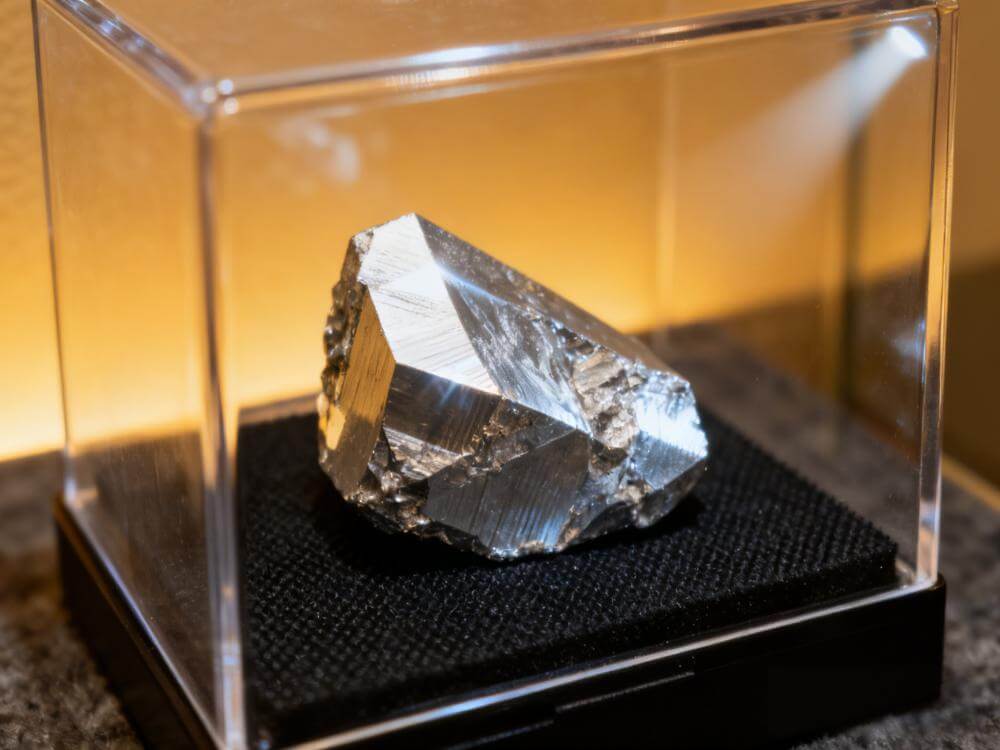
Esta semana, SMM realizó una encuesta en profundidad sobre la nueva distribución de la capacidad de la industria mundial del magnesio, centrándose en dos empresas que han logrado un avance importante en el campo de la tecnología de fundición de magnesio, lo que marca una nueva ola de innovación tecnológica en la industria mundial del magnesio.
Magrathea (EE. UU.): Avance en la extracción de magnesio del agua de mar, con el objetivo de lograr la neutralidad carbonífica
Magrathea, una empresa emergente de California, EE. UU., lanzó recientemente una nueva generación de electrolizadores de cloruro de magnesio en su planta piloto de Oakland. Al aprovechar la innovadora tecnología de electrólisis, extrae metal de magnesio del agua de mar, un avance que ha obtenido 100 millones de dólares en fondos del Departamento de Defensa de EE. UU. Como componente central del primer plan de planta comercial de electrolizadores de magnesio en EE. UU. en 50 años, esta tecnología emplea un proceso único de electrólisis del agua de mar para producir directamente metal de magnesio neutral en carbono, lo que ofrece importantes ventajas ambientales en comparación con los procesos tradicionales. El metal de magnesio, un material estratégico fundamental, tiene una demanda sólida en los sectores aeroespacial, de defensa, de fabricación de automóviles y otros. Actualmente, el 90% del suministro mundial se concentra en China y Rusia. Magrathea planea establecer una planta de demostración para 2026 y lograr la producción en masa para 2027. Ya ha iniciado negociaciones de cooperación estratégica con varias empresas multinacionales, y la comercialización de su tecnología puede remodelar el panorama de la cadena de suministro mundial del magnesio.
Latrobe Magnesium (LMG) (Australia): Utilización de residuos sólidos como recursos, creación de un modelo de economía circular
Latrobe Magnesium (LMG) en Australia está construyendo una planta de demostración de magnesio con una capacidad anual de 1.000 toneladas en Victoria, que se espera que comience a operar en 2025. Este proyecto adopta de manera innovadora la tecnología de hidrometalurgia para extraer metal de magnesio de las cenizas volantes generadas por la generación de energía a partir de lignito, logrando una utilización de alto valor de los residuos sólidos industriales. En comparación con los procesos tradicionales, esta tecnología no solo produce magnesio de alta pureza (99,9%), sino que también coproduce subproductos de alto valor agregado, como materiales cementicios suplementarios y sílice, con una tasa de utilización integral de recursos cercana al 100%. La empresa planea ampliar su capacidad a 10.000 toneladas/año después de la operación exitosa de la planta de demostración, compitiendo en el mercado mundial con sus ventajas de bajas emisiones de carbono y costos. Este proyecto no solo proporciona una fuente estable de suministro de magnesio para Australia, sino que también ofrece una nueva vía tecnológica para la transformación verde de la industria mundial del magnesio.
La electrólisis, como la nueva tecnología más prometedora para la fundición de magnesio, se está convirtiendo en un foco de los esfuerzos de I+D en varios países debido a sus características ambientales y ventajas de escalabilidad. Actualmente, los proyectos de Magrathea y LMG se encuentran en las etapas de construcción y planificación, con un impacto limitado a corto plazo en la oferta y demanda del mercado de magnesio existente. Sin embargo, a medida que los países aumentan su énfasis en la seguridad de las cadenas de suministro de minerales críticos y continúan avanzando hacia los objetivos de neutralidad de carbono, la comercialización de estas tecnologías innovadoras puede remodelar el futuro panorama de la industria mundial del magnesio. SMM seguirá rastreando el progreso de los proyectos y evaluará oportunamente el impacto de las nuevas tecnologías en los precios de mercado y la relación entre oferta y demanda.
![Costos respaldan las cotizaciones del lingote de magnesio; la débil demanda en los mercados nacional e internacional podría llevar a una consolidación [SMM Informe exprés del mercado spot del lingote de magnesio]](https://imgqn.smm.cn/usercenter/LYGyd20251217171725.jpg)
![El aumento de los costos de producción impulsa al alza los precios de los lingotes de magnesio, mientras que la débil demanda limita el repunte [SMM Magnesium Ingot Spot Express]](https://imgqn.smm.cn/usercenter/qjvqf20251217171725.jpg)