Shanghai (Gasgoo)- On July 3, XPENG's latest battery electric vehicle (BEV) model, the XPENG G7, officially hit the market with prices ranging from 195,800 yuan to 225,800 yuan across three trims. As a new mid-to-large SUV in the brand's lineup, the G7 marks a major leap forward in smart mobility with its powerful AI capabilities, futuristic design, and high-performance specs.
The XPENG G7 adopts XPENG's signature "Robot Face" design language, featuring the second-generation X FACE front fascia. A closed-off grille, segmented light strip, and split-type headlights form a bold X-shaped visual, reinforcing the vehicle's tech-forward identity. Functional air vents and active air intakes enhance aerodynamics while adding a sporty edge, further amplified by sharp hood contours that give the SUV a muscular stance.
From the side, the new model sports a coupe-inspired fastback profile with design cues drawn from aerospace fluid dynamics. Streamlined lines flow from front to rear, creating an elegant yet dynamic silhouette. Flush door handles and floating side mirrors not only reduce drag but also lend a futuristic feel. A blue LED strip on the mirrors lights up to indicate active assisted driving. The 20-inch dual-tone wheels feature an X motif, while rear-facing side cameras integrated into the fenders support the vehicle's advanced driver assistance system.
At the rear, multi-layered design elements add visual depth. A full-width C-shaped tail light echoes the front light bar and ensures strong recognition at night. Dual blue LED strips at the back function similarly to the mirror lights, signaling when assisted driving is active. Twin spoilers, blacked-out lower trim, and an aggressive diffuser boost aerodynamics and cater to younger buyers with a taste for sportiness.
The G7 measures 4,892 mm in length with a wheelbase of 2,890 mm.
Inside, the cabin blends minimalist luxury with a high-tech vibe. A wraparound dashboard, two-spoke multifunction steering wheel, and large floating touchscreen deliver a clean yet immersive interface. The center display integrates vehicle controls, entertainment, and smart features with a simple, intuitive UI. A column gear selector opens up space in the front row, complemented by dual 50W wireless phone chargers, ambient lighting, and smart storage solutions.
A standout feature of the XPENG G7 is the "X-HUD" developed in collaboration with Huawei. Replacing the traditional instrument cluster, it boasts an 87-inch projection area, ultra-high contrast ratio of 1,800:1, and brightness of up to 12,000 nits. The system supports AR lane-level navigation across eight scenarios such as overtaking, merging, and navigating intersections, displaying route guidance directly on the real-world road for improved driving clarity and safety.
Taking intelligence to a new level, the XPENG G7 Ultra debuts with three Turing AI chips—custom-built for large AI models and used across XPENG’s car, robot, and flying car platforms, granting the vehicle a computing power of up to 2,250 TOPS.
All G7 variants come standard with Turing AI-assisted driving features, offering class-leading ETC lane access, customizable parking features, and seamless human-machine co-driving. XPENG has also expanded its NGP (Navigation Guided Pilot) to provide full-route coverage from city streets to highways without interruptions.
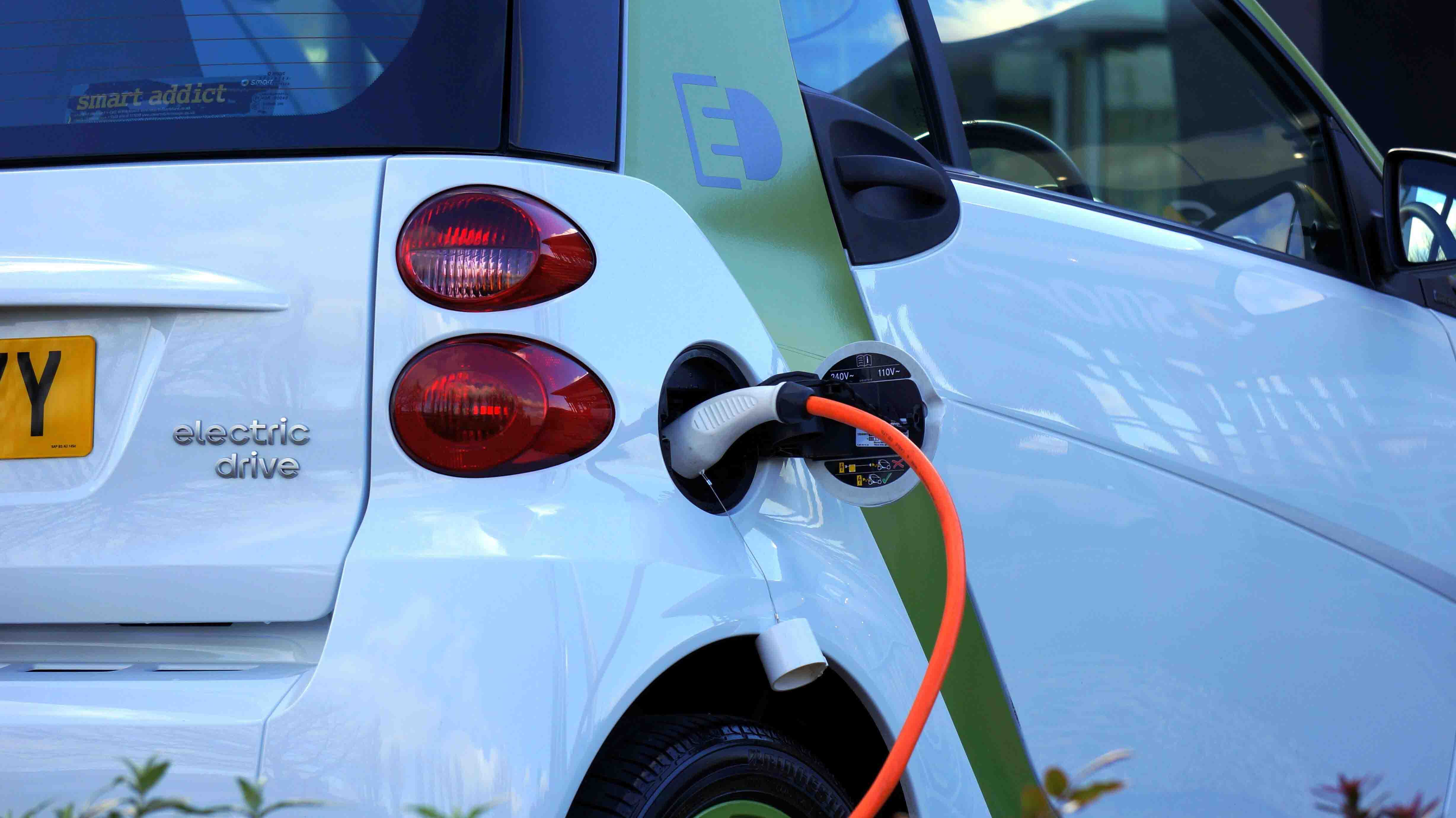
In terms of power performance, the XPENG G7 features an 800V SiC high-voltage platform, a 5C ultra-fast charging AI-enabled battery, and up to 702 km CLTC-rated range. The battery supports peak charging power of 451 kW, enabling 436 km of range in just 10 minutes and 10%-80% top-up in 12 minutes. Energy consumption is impressively low at 12.9 kWh/100 km.