Shanghai (Gasgoo)- GAC Group has officially completed and commenced operations at its smart factory in Jakarta, Indonesia, according to a press release the automobile group issued on June 20 via its WeChat account.
The facility—designed with green principles and intelligent manufacturing at its core—marks a major milestone in the company's Southeast Asia expansion and signals the full implementation of its One GAC 2.0 globalization strategy in the Indonesian market.
Touted as a modern "lighthouse factory," the new plant embodies GAC's commitment to "build in Indonesia, for Indonesia." Operating under a "small-scale, fast-output, phased development" model, the facility incorporates an advanced new energy manufacturing system with 100% digital interconnectivity, significantly improving both operational efficiency and product quality. With smart manufacturing and AI-enabled visual inspection technology, GAC Group said it is driving high-standard product delivery through technological strength.
At the launch, GAC Group introduced its "Indonesia Action Plan" under the One GAC 2.0 strategy, outlining a comprehensive localization framework across six key areas: products, channels, services, smart manufacturing, energy infrastructure, and mobility ecosystems.
Product
The company will focus on battery electric vehicles (BEVs) while gradually introducing plug-in hybrid electric vehicle (PHEV) and hybrid electric vehicle (HEV) models. Covering core segments such as SUVs and MPVs, GAC also plans to launch seven-seater models to meet large-family needs.
Channel
GAC is building a three-tier network—dubbed the "Sun, Moon, and Stars" model—aiming to cover over 60 key cities across Indonesia by 2025, creating a more efficient and accessible vehicle purchasing experience.
Service
The brand's localized "GACARE" service platform offers industry-first lifetime warranties for core electric components and extended vehicle warranties. It also features a 24/7 digital service network, positioning GAC as a benchmark for overseas aftersales service.
Smart manufacturing
Built to GAC's lighthouse factory standards, the Indonesian plant is designed for intelligent, high-speed, localized production. It will start with an annual capacity of 20,000 vehicles, with plans to scale to 50,000 units.
Energy ecosystem
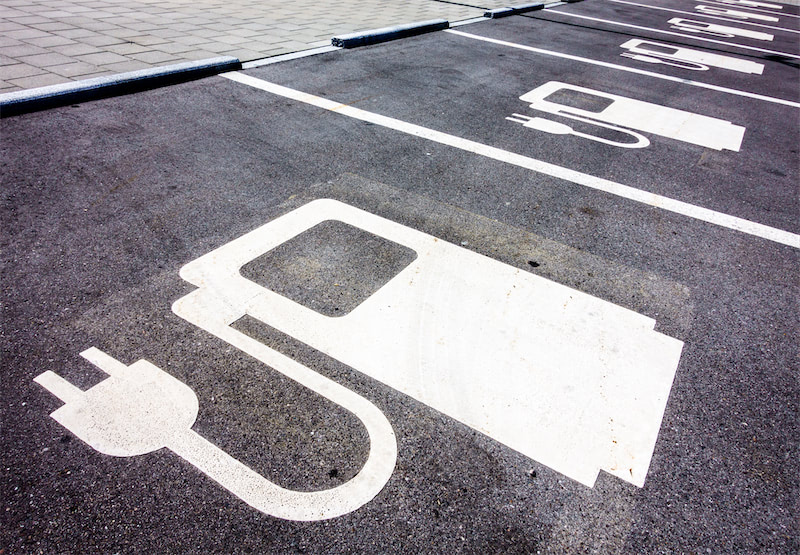
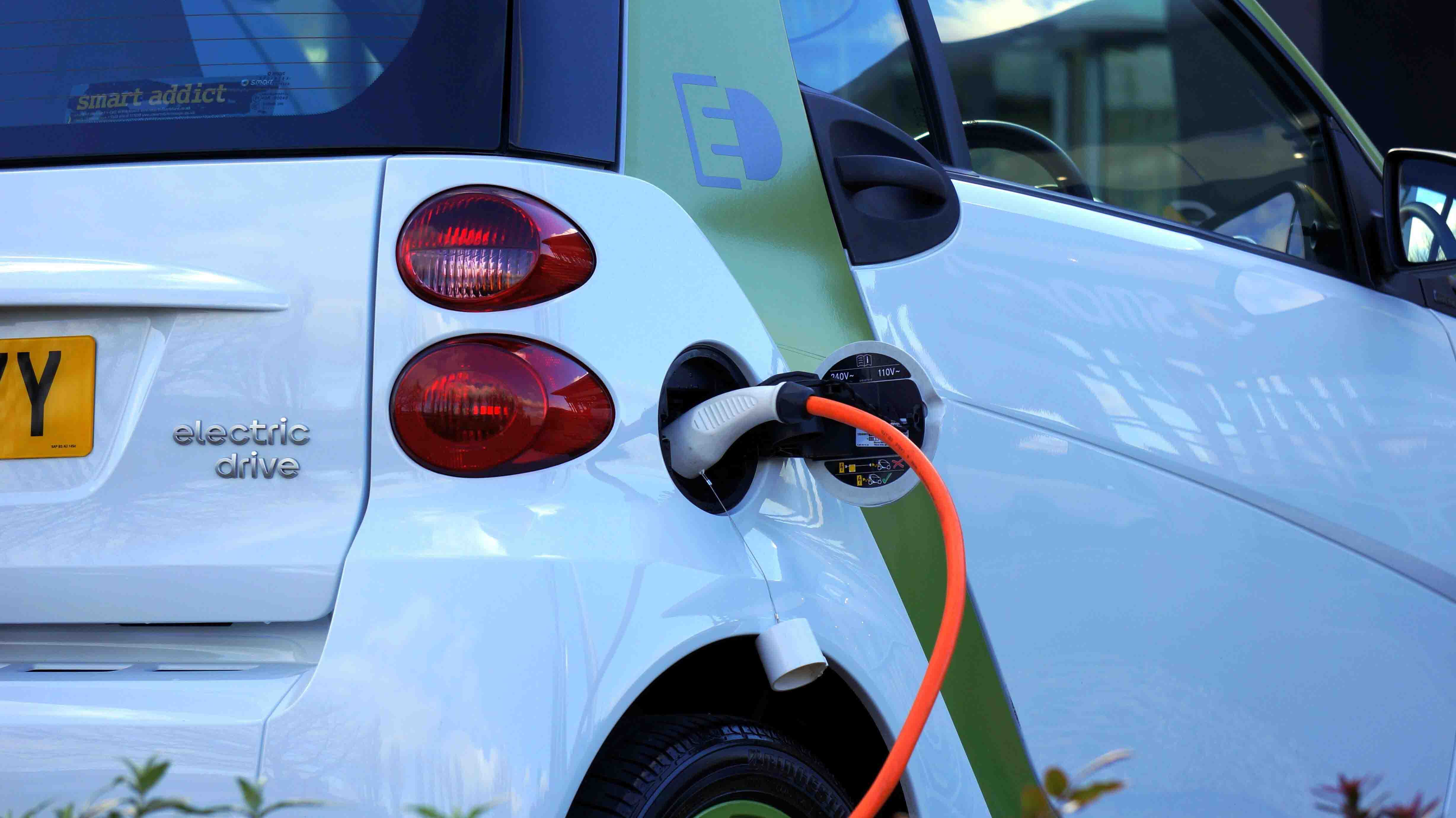
GAC will adopt a three-tiered new energy vehicle (NEV) charging infrastructure plan—"first-tier establishment, second-tier coverage, and third-tier expansion"—offering solutions from home chargers to ultra-fast networks to ease range anxiety.
Mobility ecosystem
GAC will partner with leading ride-hailing and fleet platforms such as Grab, Gojek, and Indorent to launch tailored models and build out green mobility fleets across Indonesia.
According to GAC, the smart factory highlights include:
● Flexible production lines support the rapid switch between more than four model types (including sedans, SUVs, and MPVs) in just 30 minutes.
● End-to-end quality control systems features smart fluid filling, real-time monitoring, and traceability to ensure zero-defect output.
● Dual battery safety mechanisms incorporate magazine-style battery modules, honeycomb explosion protection, and nanogel insulation, capable of cutting power within milliseconds during abnormal charging scenarios.