

UAE Largely Unaffected by US Tariffs on Steel and Aluminium Due to Diversified Economy and Strong Export Infrastructure
Despite the 25% US tariffs on steel and aluminium creating global trade uncertainty, the UAE remains mostly unaffected due to its diversified economy, strong export infrastructure, and role as a re-export hub. In 2024, the UAE exported 350,000 tonnes of aluminium to the US, ranking second among suppliers. Although not exempt from tariffs like Canada or Mexico, ongoing political engagement could lead to a bilateral deal, potentially expanding UAE’s market share—especially in aerospace and automotive sectors.
The domestic aluminium industry remains competitive, even as the US plans a $1.4 trillion investment in local smelting. On steel, the UAE’s construction sector is largely insulated, with over 3,500 ongoing projects and diversified import sources. Dubai's AED 2.6 billion logistics investment and strategic positioning as a transshipment hub further buffer against trade shocks. Meanwhile, April 2025 saw AED 46 billion in real estate transactions, a 23% monthly rise, driven partly by increased US and Chinese investor interest post-tariffs.
Data Source Statement: Except for publicly available information, all other data are processed by SMM based on publicly available information, market communication, and relying on SMM‘s internal database model. They are for reference only and do not constitute decision-making recommendations.
For any inquiries or to learn more information, please contact: lemonzhao@smm.cn
For more information on how to access our research reports, please contact:service.en@smm.cn
Related News
1 hour ago
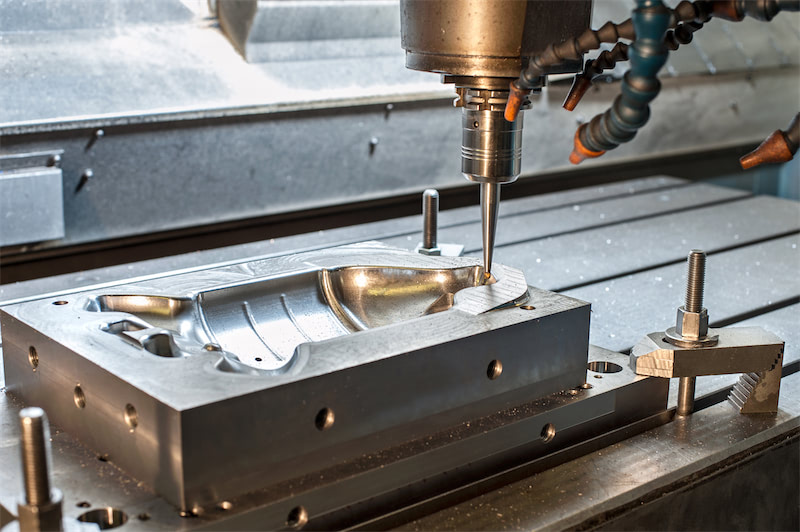
【SMM Aluminum Flash News】Over 3bn aluminium cans and PET bottles returned as Sweden nears 90% recycling target
Read More
【SMM Aluminum Flash News】Over 3bn aluminium cans and PET bottles returned as Sweden nears 90% recycling target
The Swedish deposit return system (DRS) operator Returpack/Pantamera reported that in 2025, over 3 billion PET bottles and aluminium cans were returned via Sweden’s DRS. Compared to the record of 2024, the 2025 count marks an increase of 130 million. The operator adds that returning the aluminium and PET containers via the deposit system cuts the carbon footprint by half, thereby promoting recycling and sustainability. 2025 data shows that material customers received 27,826 tonnes of aluminium and 24,835 tonnes of PET. On average, each person returned 283 containers, reflecting an improvement of the 2024 performance by 4 per cent. The overall return rate of Sweden also increased by 88.4 per cent, bringing the nation close to its target of a 90 per cent return rate.
1 hour ago
1 hour ago
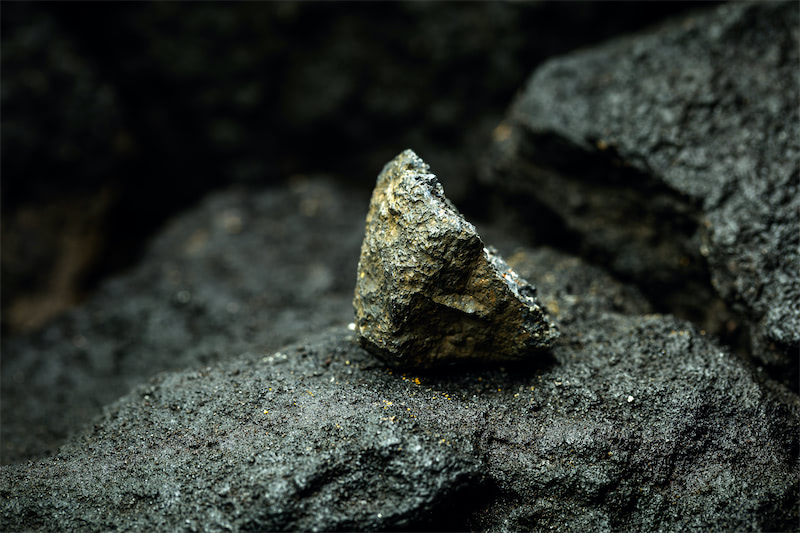
【SMM Aluminum Flash News】EU duties on Chinese aluminium converter foil to expire in 2026
Read More
【SMM Aluminum Flash News】EU duties on Chinese aluminium converter foil to expire in 2026
The EU-imposed definitive anti-dumping and countervailing duties ranging from 15.4 per cent to 28.5 per cent on products under CN code ex 7607 11 19 are expected to run until December 9, 2026. The EU duties on Chinese aluminium converter foil came into effect in December 2021, as an effort to address the unfair trade practices found through the investigation in October 2020. The investigation then led to a provisional duty in June 2021, before the final tariffs became effective, with the combined duty range between 16.1 per cent and 46.7 per cent.
1 hour ago
1 hour ago
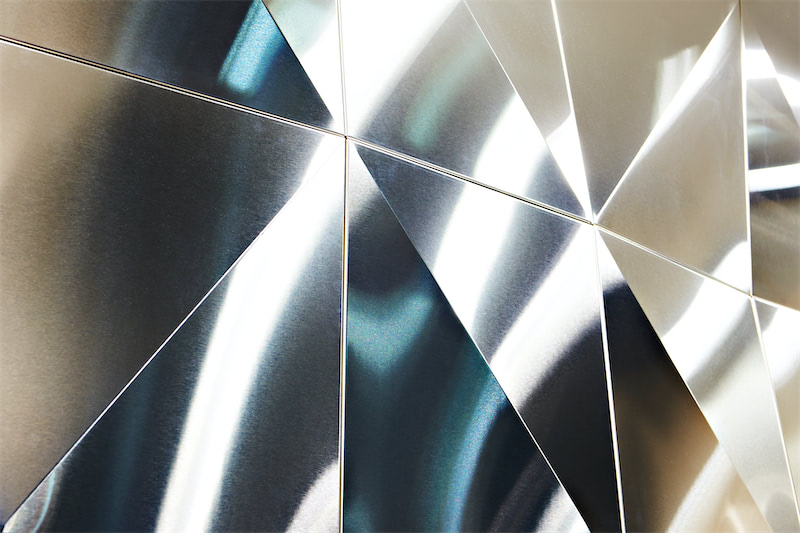
【SMM Aluminum Flash News】Dongxing Aluminum's aluminum coil production reached 160,100 tons in the first quarter.
Read More
【SMM Aluminum Flash News】Dongxing Aluminum's aluminum coil production reached 160,100 tons in the first quarter.
On March 27, Dongxing Aluminum achieved its production targets for key products such as electrolytic aluminum, aluminum coils, and aluminum rods in the first quarter. Among them, the output of electrolytic aluminum was 425,800 tons, aluminum coils were 160,100 tons, and aluminum rods were 30,200 tons. The electrolytic cell operation rate reached a maximum of 99.9%, and the on-site conversion rate of molten aluminum reached 95.7%.
1 hour ago
Related News
【SMM Aluminum Flash News】Over 3bn aluminium cans and PET bottles returned as Sweden nears 90% recycling target
Mar 30, 2026 17:29
【SMM Aluminum Flash News】EU duties on Chinese aluminium converter foil to expire in 2026
Mar 30, 2026 17:25
【SMM Aluminum Flash News】Dongxing Aluminum's aluminum coil production reached 160,100 tons in the first quarter.
Mar 30, 2026 17:24
【SMM Aluminum Flash News】Tianshan Aluminum Projects 107.92% YoY Profit Growth in Q1 2026
Mar 30, 2026 17:22