Shanghai (Gasgoo)- China's passenger vehicle (PV) market continued its upward trajectory in May 2025, driven by a combination of policy incentives, manufacturer promotions, and recovering consumer demand.
China's PV retail sales are estimated to reach 1.85 million units in May 2024, reflecting an 8.5% year-on-year (YoY) growth and also a 5.4% month-on-month rise, according to the preliminary data from the China Passenger Car Association ("CPCA").
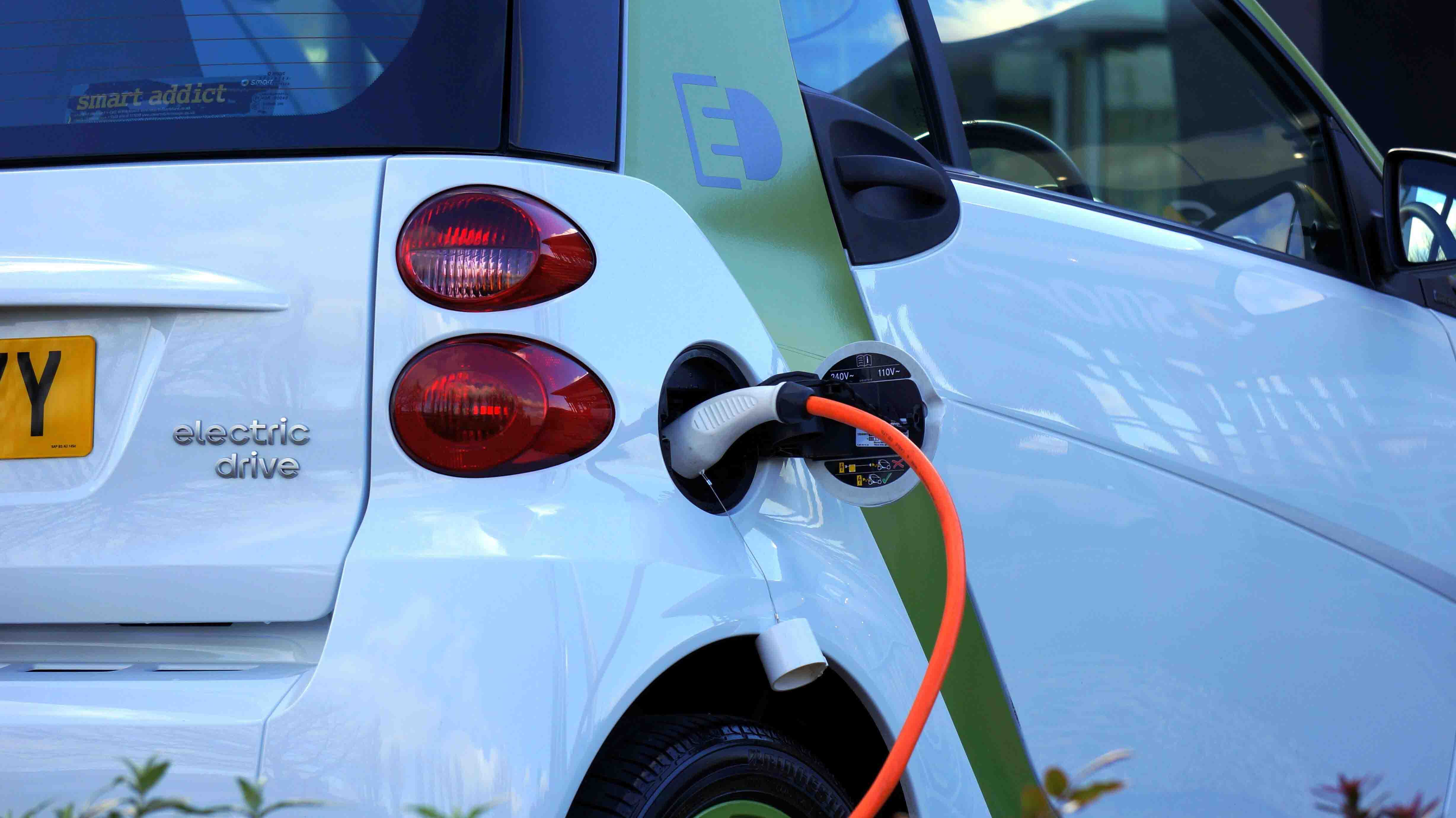
Of those, new energy vehicles (NEVs) are estimated to contribute around 980,000 units, maintaining a penetration rate of 52.9%.
For clarity, the PVs hereby refer to cars, MPVs, and SUVs locally produced on the Chinese Mainland.
Looking back at April, the boost from the "two new" policies—referring to China's stimulus package that includes incentives for large-scale equipment renewals and consumer goods trade-ins—combined with increased manufacturer subsidies helped lift PV retail sales to 1.755 million units, up 14.5% year-on-year despite a 9.4% month-on-month decline. Among them, NEV retail volume hit 905,000 units, up 33.9% year-on-year, with a penetration rate of 51.5%, roughly flat compared to March.
Momentum carried into May as the impact of the "two new" policies continued to strengthen. Data from China's Ministry of Commerce shows that as of May 11, more than 3.225 million applications had been submitted nationwide for trade-in subsidies, including 1.035 million for scrappage and replacement and 2.19 million for trade-in upgrades. Since the rollout of the 2024 policy, total applications have exceeded 10 million, providing robust support for the auto market.
The CPCA noted that despite global geopolitical uncertainties dampening sentiment, China's automotive sector has remained resilient under the guidance of favorable policy.
Simultaneously, local auto shows and intensified promotional efforts from automakers have injected new momentum into the market. Throughout May, regional auto exhibitions were held across the country, with automakers launching aggressive promotional campaigns during the Labor Day holiday, including fixed pricing and zero-interest financing offers. Terminal surveys by the CPCA revealed a sharp rise in customer foot traffic during the holiday, leading to a concentrated release of consumer demand.
However, following the holiday surge, foot traffic naturally tapered off, and the overall market cooled. The May market thus showed a "strong start followed by a slowdown" pattern.
Weekly retail data illustrates this divergence. In the first week of May, impacted by the Labor Day holiday, dealerships focused on collecting orders rather than delivering vehicles. Daily average retail sales stood at 41,700 units, down 10.9% year-on-year but up 19.3% month-on-month.
Sales rebounded in the second week as post-holiday deliveries surged, with daily average retail reaching 60,900 units—up 30.2% year-on-year and 44.2% month-on-month—marking a short-term peak.
In the third week, daily average PV retail volume is estimated at 51,200 units, up 13.9% year-on-year and flat month-on-month, reflecting a typical post-holiday adjustment. The fourth week is likely to see an average of 57,100 units per day, up 18.7% year-on-year but down 13.4% month-on-month, indicating a mild market cool-off. The final week of May, which included five working days, is projected to average 86,400-unit daily sales—down 6.2% year-on-year and 21.7% month-on-month.