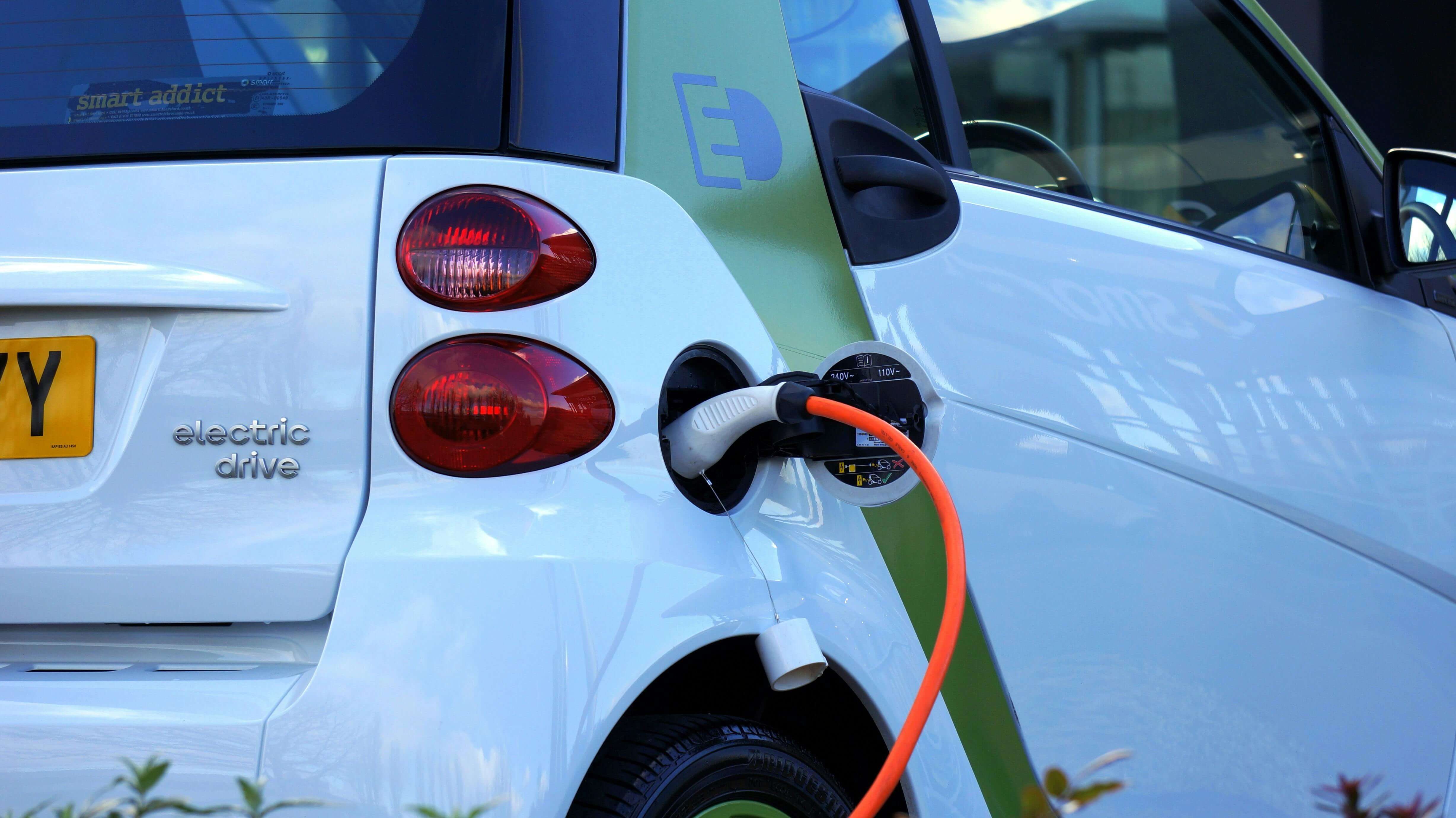
Amidst the rapid development of the new energy industry, lithium iron phosphate (LFP) has emerged as a core material in the NEV and ESS sectors, leveraging its advantages of low cost and high safety. However, the industry is facing challenges such as a shortage of high-quality capacity, fierce competition, and declining profitability, making technological innovation urgent. In this context, titanium-doped iron phosphate technology stands out as a key breakthrough for enhancing material performance and driving industrial development.
Performance Enhancement Advantages of Titanium-Doped Iron Phosphate
Enhanced Electronic Conductivity
Titanium and iron share similar crystal structures, allowing titanium to seamlessly integrate into the LFP lattice after doping. This process broadens the electron migration channels, enabling the electronic conductivity of LiFePO₄ to surge from an extremely low 10⁻¹⁰ S/cm to 10⁻⁴ S/cm. This is akin to opening up a "highway" for electron transport, significantly improving the material's electron transfer efficiency.
Optimized Crystal and Battery Performance
Titanium effectively inhibits the excessive growth of LFP crystals, reducing the size of primary particles. Smaller particles provide more active sites for lithium ions during high C-rate charging and discharging, lowering battery impedance and enhancing high C-rate performance. By precisely controlling the crystallization process to regulate grain size, not only is the lithium ion diffusion path shortened, but the electrode compaction density is also increased, thereby enhancing battery energy density and supporting long driving ranges for EVs and large-capacity energy storage for ESSs.
Improved Thermal Stability and Safety
The introduction of nano-titania forms a stable protective film on the surface of LFP materials. At high temperatures, this film inhibits material decomposition reactions, enhancing battery safety and ensuring stable operation of EVs in hot regions and outdoor ESSs.
Application Status of Titanium-Doped Iron Phosphate
EV Sector
Vehicles equipped with titanium-doped iron phosphate batteries exhibit excellent fast charging performance and increased cycle life, significantly reducing battery replacement costs over the vehicle's entire life cycle.
ESS Sector
Even at low temperatures of -20°C, titanium-doped iron phosphate batteries maintain a capacity retention rate greater than 80%. This enables them to adapt to complex energy storage scenarios in northern regions with severe cold and high-altitude areas with large temperature variations, ensuring stable energy storage and release. In the future, the technology of doping iron phosphate with titanium will continue to make breakthroughs in process, cost, and application areas. In terms of process, more precise and efficient doping methods will be explored, and synergistic doping technologies will be studied to further tap the potential for performance improvement. In terms of cost control, with the maturation of technology and optimization of production processes, large-scale production will be achieved, reducing costs. In terms of application areas, in addition to EVs and energy storage systems, the technology will also be extended to small mobile devices, aerospace, and other fields, injecting momentum into the green development of multiple industries.
With its significant performance advantages, the technology of doping iron phosphate with titanium has already demonstrated strong capabilities in existing fields. In the future, it is expected to achieve breakthroughs in multiple dimensions, propelling the new energy industry to new heights.
![[SMM Analysis] Ternary Cathode Payables May See Modest Increase in Q2](https://imgqn.smm.cn/usercenter/nVnLo20251217171728.jpg)