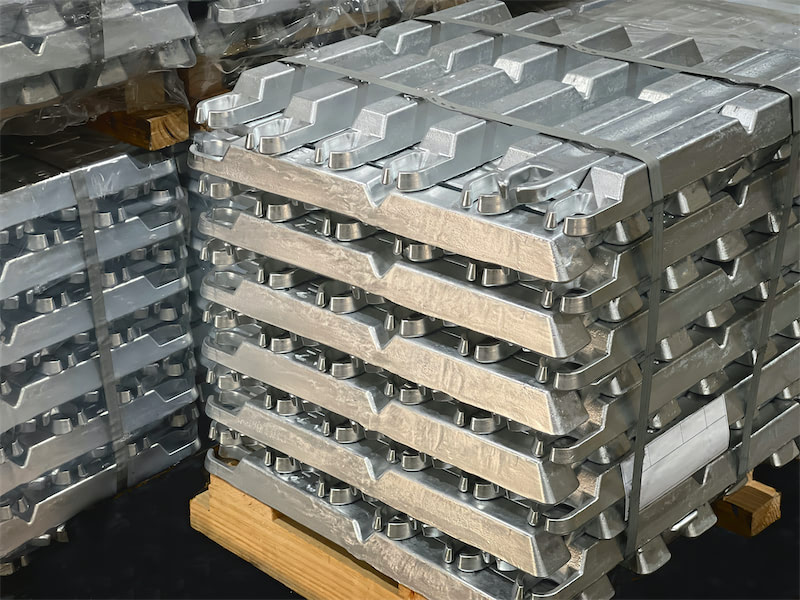
Chịu ảnh hưởng của thuế quan đáp trả của Mỹ, hợp đồng nhôm SHFE giao dịch nhiều nhất bắt đầu giảm mạnh từ trên ngưỡng 20.000 nhân dân tệ vào đầu tháng 4, sau đó tiếp tục dao động trong khoảng 19.000-20.000 nhân dân tệ/tấn. Trong tháng 4 (theo lịch), giá nhôm giao ngay trung bình của SMM được ghi nhận ở mức 19.952 nhân dân tệ/tấn, giảm 3,8% so với tháng trước. Giá của ADC12 tiếp tục xu hướng giảm từ tháng 3, với giá trung bình trong tháng 4 giảm 2,5% so với tháng trước. Tính đến ngày 9 tháng 5, báo giá SMM ADC12 giảm 700 nhân dân tệ/tấn so với tháng trước xuống còn 20.200-20.400 nhân dân tệ/tấn.
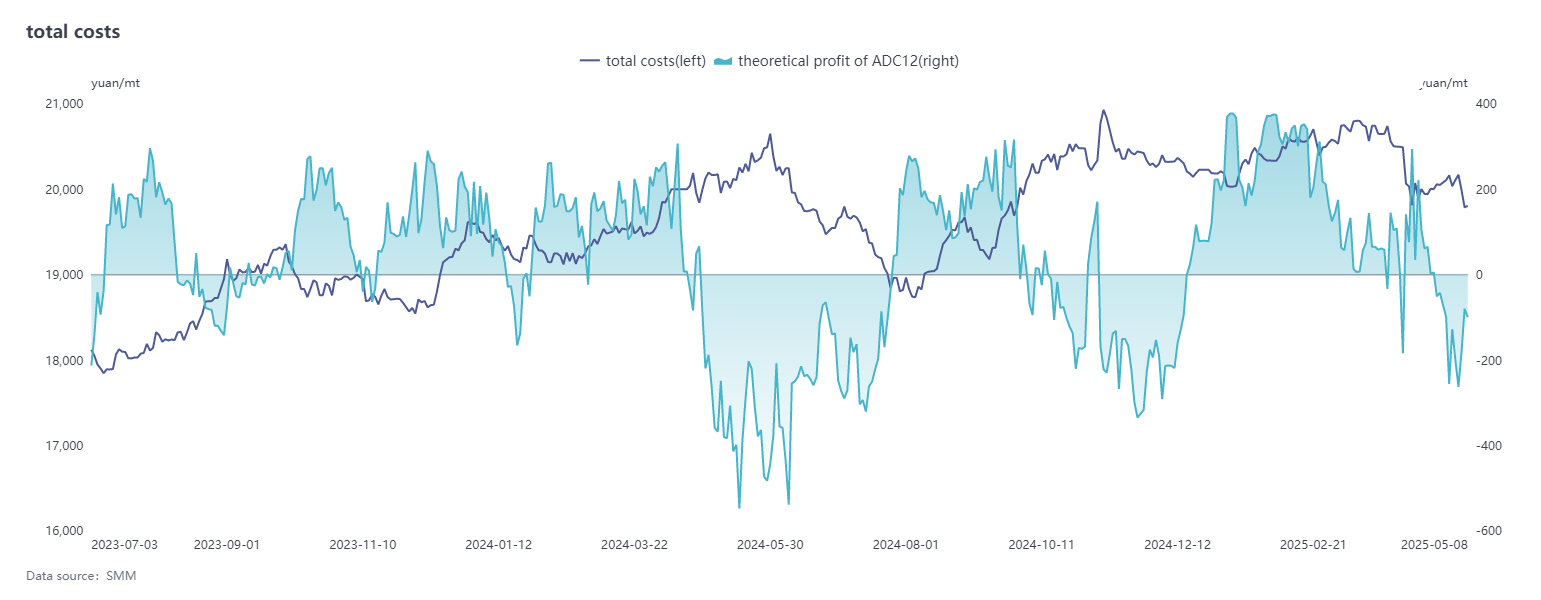
Về mặt chi phí, vào đầu tháng, chịu ảnh hưởng của sự điều chỉnh của hàng hóa rời, giá nguyên liệu như phế liệu nhôm, đồng và silic giảm, kéo tổng chi phí của ADC12 xuống và cải thiện nhẹ lợi nhuận lý thuyết của ngành. Tuy nhiên, vào cuối tháng, khi căng thẳng thương mại giảm bớt, sự phục hồi của giá phế liệu nhôm và đồng đã dẫn đến sự tăng tổng thể chi phí nguyên liệu. Mặc dù giá silic tiếp tục giảm, nhưng bị hạn chế bởi sự tăng giá khó khăn của các sản phẩm thành phẩm phôi hợp kim, biên lợi nhuận của ngành lại thu hẹp và dần chuyển sang thua lỗ.
Về mặt cầu, nhu cầu tiêu dùng vẫn yếu, với mùa cao điểm truyền thống "Tháng 3 vàng, tháng 4 bạc" đều không đáp ứng được kỳ vọng. Đơn đặt hàng từ người mua hạ nguồn đã suy yếu và người dùng cuối duy trì nhịp độ mua hàng vừa đủ. Hơn nữa, biến động giá nhôm đã làm tăng cường tâm lý chờ đợi của thị trường. Ngoài ra, chính sách thuế quan của Mỹ đã kìm hãm đơn đặt hàng cho các doanh nghiệp đúc áp lực hướng xuất khẩu, với một số nhà máy đúc áp lực chứng kiến đơn đặt hàng giảm 50% hoặc thậm chí nhiều hơn. Áp lực kéo dài về mặt cầu đã dẫn đến sự giảm giá đáng kể của ADC12 trong tháng 4.
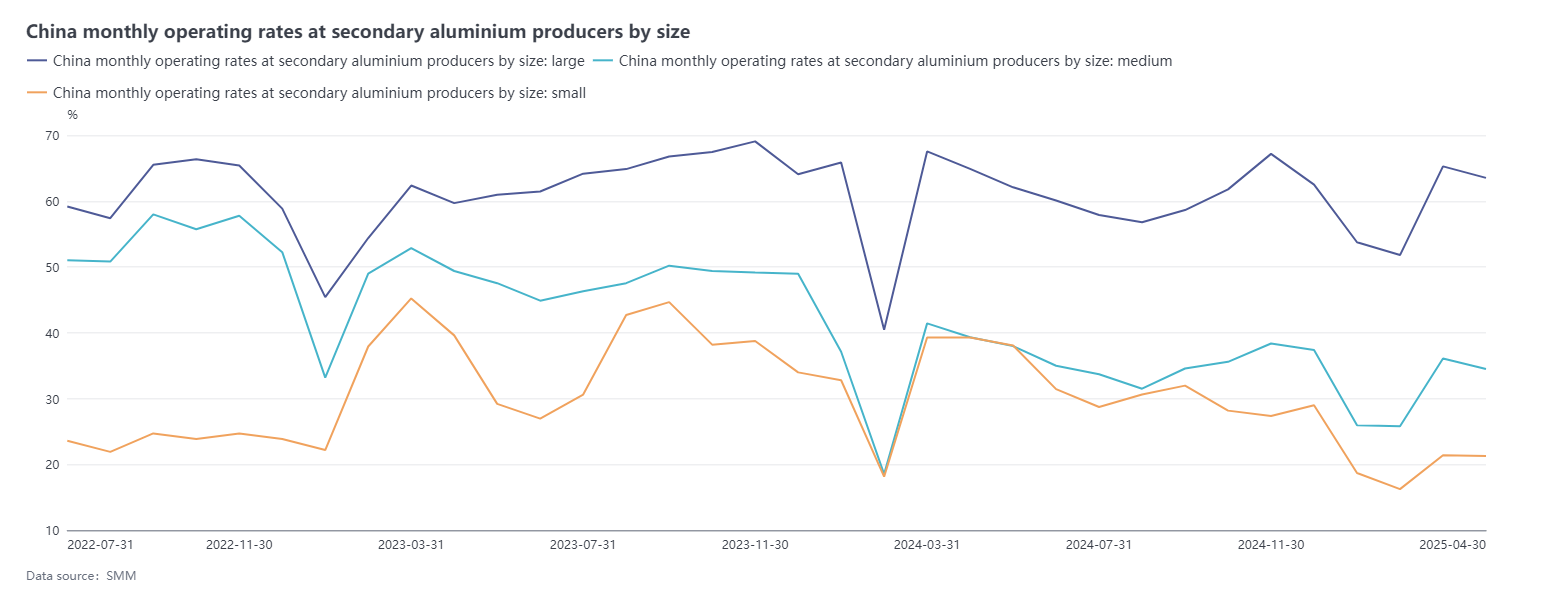
Về mặt cung, tỷ lệ vận hành của ngành hợp kim nhôm thứ cấp giảm nhẹ 1,58 điểm phần trăm so với tháng trước xuống còn 53,49% vào tháng 4 và giảm 3,52% so với cùng kỳ năm ngoái. Trong tháng 4, nhu cầu trong và ngoài nước đối với các sản phẩm hạ nguồn nhôm thứ cấp đều thu hẹp, dẫn đến giảm đơn đặt hàng cho các nhà máy nhôm thứ cấp.Đồng thời, sự cạnh tranh giá thấp gay gắt giữa các doanh nghiệp đã làm trầm trọng thêm tình hình, với giá thành phẩm giảm nhiều hơn chi phí nguyên liệu thô, làm giảm lợi nhuận. Kết quả là, một số doanh nghiệp đã buộc phải cắt giảm sản lượng do thua lỗ. Bị hạn chế bởi nhu cầu yếu và áp lực chi phí, tỷ lệ vận hành của các nhà máy nhôm phụ liên tục giảm trong tháng Tư. Các doanh nghiệp đã giảm bớt áp lực tồn kho thông qua việc cắt giảm sản lượng, dẫn đến sự co lại tổng thể của nguồn cung trong ngành. Bước vào tháng Năm, nguồn cung nguyên liệu trên thị trường đã thu hẹp, cùng với tác động ngày càng rõ rệt của nhu cầu trong mùa ế ẩm, tỷ lệ vận hành của ngành nhôm phụ dự kiến sẽ tiếp tục giảm trong tháng Năm.
Trong tháng Năm, khi lưu thông phế liệu nhôm thu hẹp hơn so với thời kỳ trước, khả năng chống chịu giá của nó trở nên nổi bật, và phía chi phí đã cung cấp sự hỗ trợ mạnh mẽ hơn cho giá của ADC12. Tuy nhiên, phía nhu cầu gặp khó khăn trong việc đạt được sự phục hồi thực chất trong bối cảnh mùa ế ẩm truyền thống đang đến gần và áp lực chính sách thuế quan, hạn chế không gian tăng giá của ADC12. Mô hình tỷ lệ vận hành thấp ở phía cung sẽ tiếp tục, cùng với những rủi ro chính sách thương mại còn tồn tại trên mặt trận vĩ mô. Dự kiến giá hợp kim nhôm phụ sẽ vẫn ở trong tình trạng trì trệ trong ngắn hạn. Cần chú ý theo dõi biến động giá nguyên liệu thô, những thay đổi trong tiêu thụ đầu cuối và tác động truyền dẫn của các chính sách thuế quan đối với đơn hàng xuất khẩu.

![Các quy định tuân thủ chặt chẽ hơn đẩy chi phí tăng, giá ADC12 tăng nhẹ [Đánh giá hàng tuần về phế liệu nhôm và nhôm thứ cấp]](https://imgqn.smm.cn/usercenter/wUnEn20251217171722.jpeg)
![[SMM Analysis] Tồn kho nhôm thanh Trung Quốc duy trì ở mức cao, phí gia công tăng nhẹ trong bối cảnh giá giảm](https://imgqn.smm.cn/usercenter/jWDCu20251217171653.jpg)